Introduction
Dog sledding is not only a thrilling winter sport but also a fascinating example of teamwork in action. In the vast, snowy landscapes of Alaska, dog sled teams work together in perfect harmony to overcome the challenging terrain. For those considering affordable Alaska trips, understanding how these teams operate can enhance the experience and appreciation of this unique adventure. This blog post will delve into the roles within a dog sled team, the training involved, and how the dogs communicate and work together to pull the sled across the snow.
[spronix_cta key=”dog-sled-rides”]
The Structure of a Dog Sled Team
A dog sled team is composed of multiple dogs, each with a specific role that contributes to the team’s overall efficiency. The classic arrangement of a sled dog team includes the lead dogs, swing dogs, team dogs, and wheel dogs. Each position is crucial for the success of the journey.
Lead Dogs
At the front of the pack are the lead dogs. These dogs are responsible for setting the pace and direction of the team. They must be intelligent, responsive, and able to follow the musher’s commands accurately. Lead dogs are often selected for their leadership qualities and ability to remain calm under pressure.
Swing Dogs
Directly behind the lead dogs are the swing dogs. Their primary role is to help navigate turns and maintain the arc of the trail. They swing the team in the right direction, ensuring the sled follows smoothly. Swing dogs need to be agile and quick to adjust to changes in direction.
Team Dogs
Positioned in the middle are the team dogs. These dogs provide the power necessary to keep the sled moving over long distances. They are the muscle of the team, and their endurance is vital for maintaining momentum. Team dogs are typically strong and steady, contributing to the overall pull.
Wheel Dogs
Finally, nearest to the sled are the wheel dogs. These dogs are typically the strongest, as they bear the brunt of the sled’s weight during starts and stops. Wheel dogs are crucial for getting the sled moving and navigating tough terrain, such as hills or deep snow.

Training and Communication
Training a dog sled team is an extensive process that begins when the dogs are puppies. Trainers use positive reinforcement techniques to teach basic commands and gradually increase the complexity of tasks as the dogs grow older and more experienced.
Basic Commands
Commands such as “gee” (right), “haw” (left), “whoa” (stop), and “hike” (go) are essential for communication between the musher and the dogs. Consistent training ensures that the dogs understand and respond promptly to these commands.
Building Teamwork
Each dog is unique, and trainers spend time understanding individual personalities to ensure a cohesive team. Dogs are paired based on their strengths and compatible temperaments. Trust between the musher and the dogs is crucial, and over time, a strong bond forms that allows for smooth communication and efficient teamwork.
The Adventure of Dog Sledding
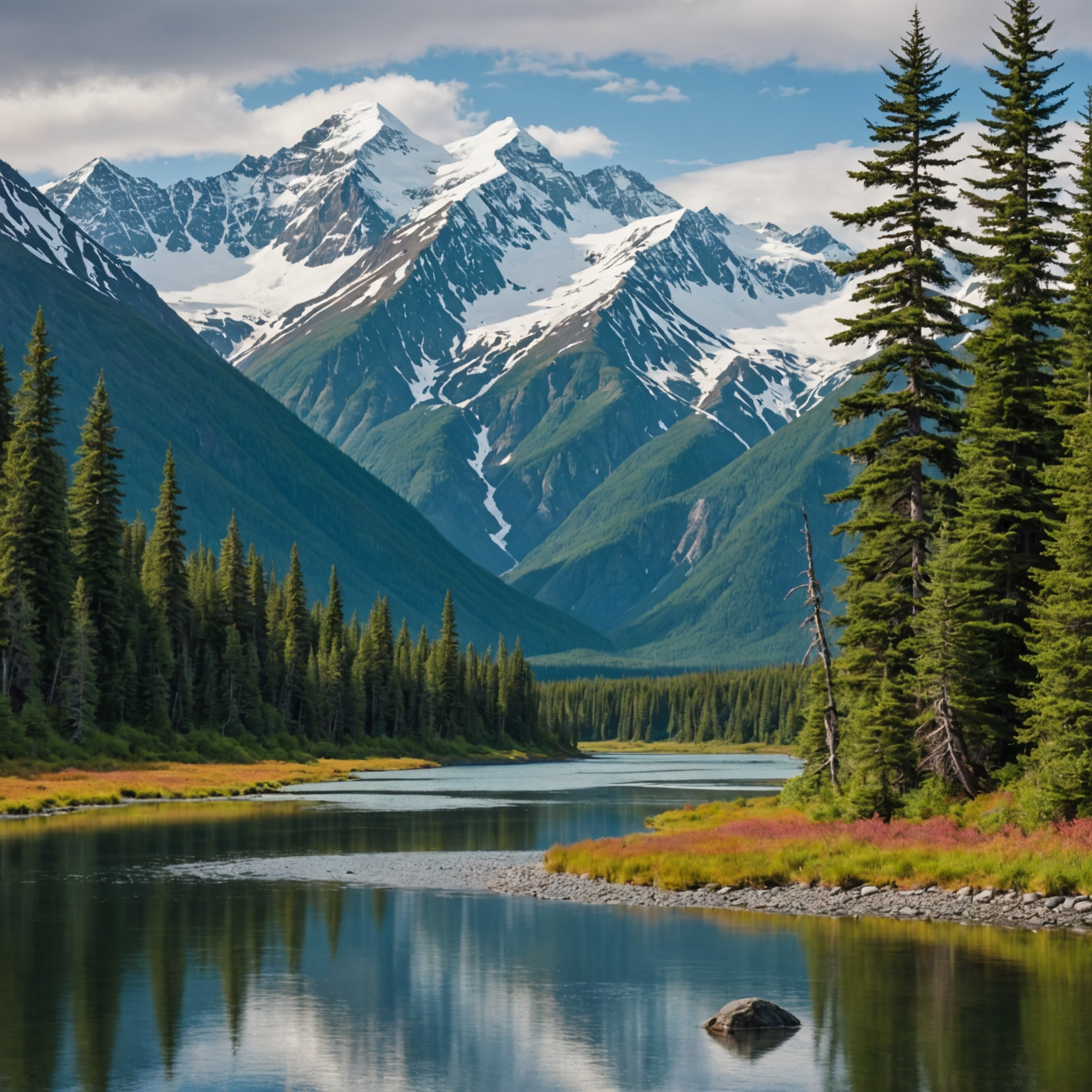
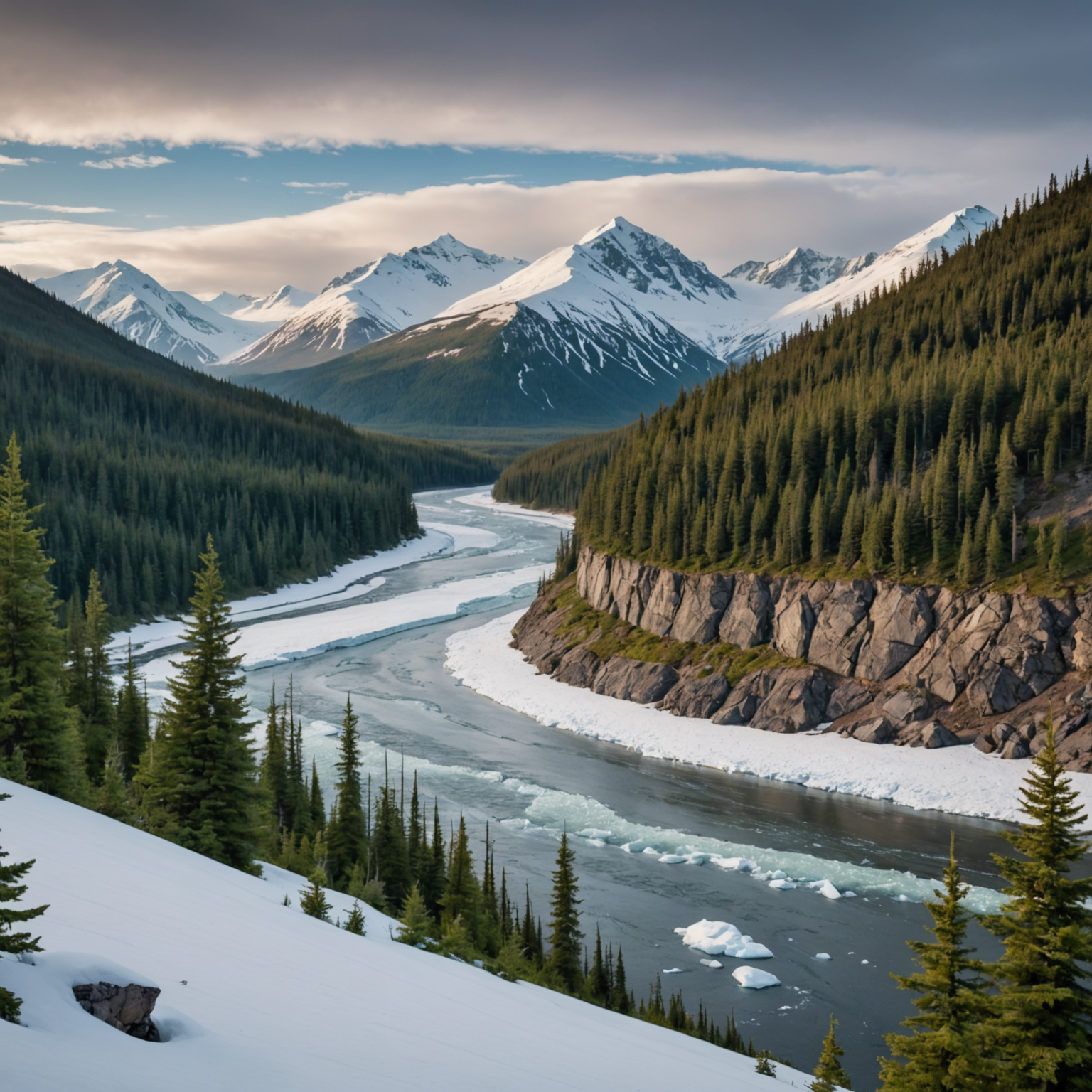
Dog sledding is an exhilarating experience that offers a glimpse into the world of these incredible animals and their musher companions. For those embarking on affordable Alaska trips, dog sledding provides an opportunity to witness the beauty of the Alaskan wilderness and the intricate dynamics of a sled team.
Planning Your Trip
Alaska offers numerous resources for planning your adventure. Websites like Travel Alaska and Alaska.org provide valuable information on travel options, accommodations, and local attractions. Visitors can explore dog sledding tours through Snowhook Adventures to experience firsthand the thrill of racing across the snow with a team of eager dogs.

Conclusion
A dog sled team is a marvel of nature and training, showcasing the harmonious relationship between humans and animals. From the disciplined lead dogs to the powerful wheel dogs, each member plays an integral role in the team’s success. For those interested in affordable Alaska trips, witnessing a dog sled team in action is an unforgettable experience that combines adventure with a deep appreciation for these incredible animals.
[spronix_cta key=”dog-sled-rides”]
FAQ
What is the best time of year to experience dog sledding in Alaska?
The best time for dog sledding in Alaska is typically during the winter months, from November to March, when snow conditions are optimal. However, some tours offer off-season experiences on glaciers.
How fast can a dog sled team travel?
A dog sled team can travel at speeds of 10 to 14 miles per hour, depending on the terrain and the team’s conditioning.
Are there age restrictions for participating in a dog sled tour?
Age restrictions vary by tour operator. It’s best to check with the provider, such as Snowhook Adventures, for specific guidelines.
How can I prepare for a dog sledding adventure?
Dress warmly in layers, as temperatures can be quite cold. It’s advisable to wear waterproof boots, gloves, and a hat. Some tours may provide additional gear.
What other activities can I combine with dog sledding in Alaska?
Consider combining dog sledding with other outdoor activities such as ice fishing or a snowmobile tour.
Can I interact with the dogs during the tour?
Yes, many tours allow participants to meet and interact with the dogs, providing a chance to learn more about their training and care.
How do I choose a reputable dog sledding tour company?
Look for companies with positive reviews, experienced mushers, and a focus on the well-being of their dogs. Snowhook Adventures is known for its commitment to providing a safe and educational experience.
Is dog sledding safe for the dogs?
When conducted responsibly, dog sledding is safe for the dogs, providing them with exercise and mental stimulation. Reputable tours prioritize the health and safety of their animals.