Introduction
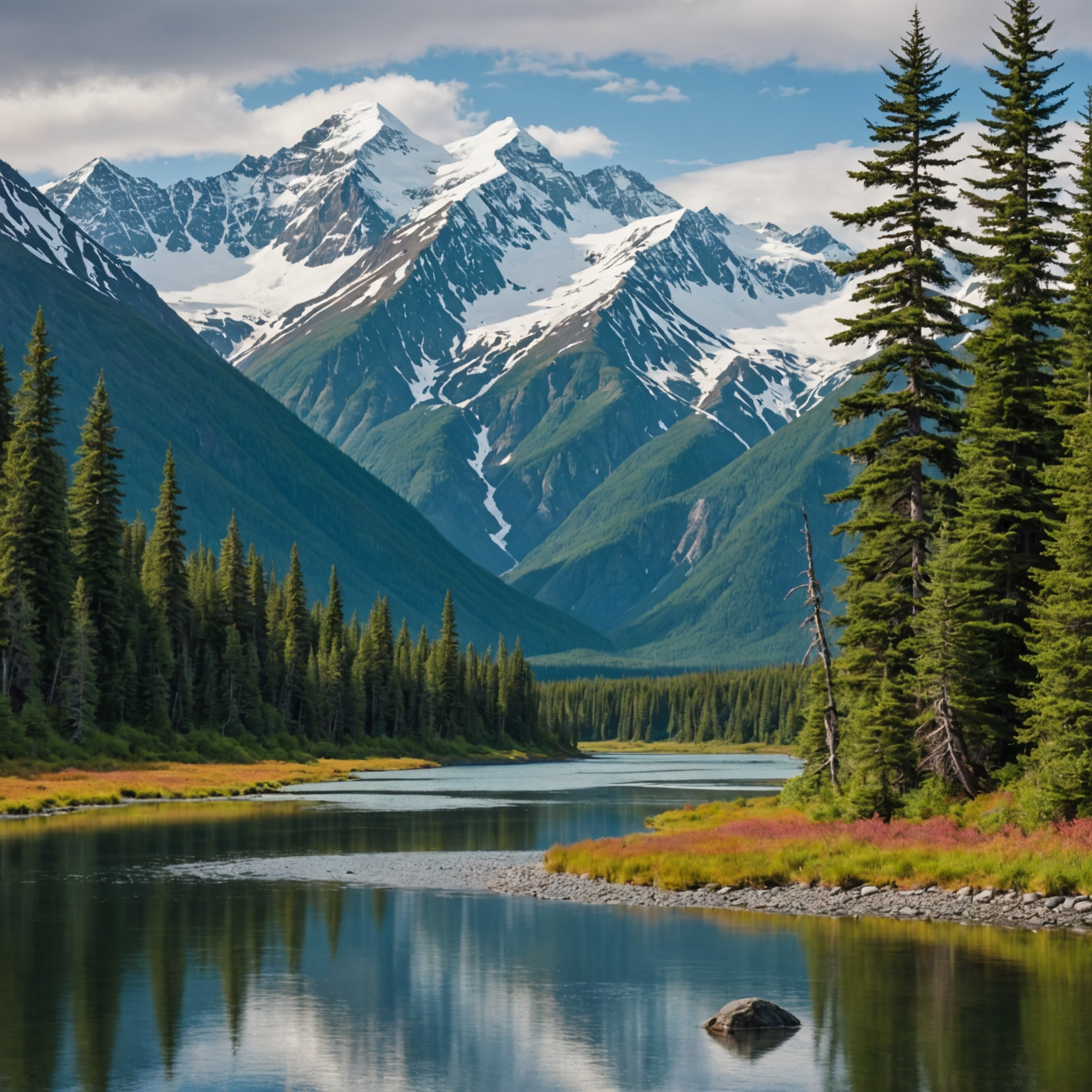
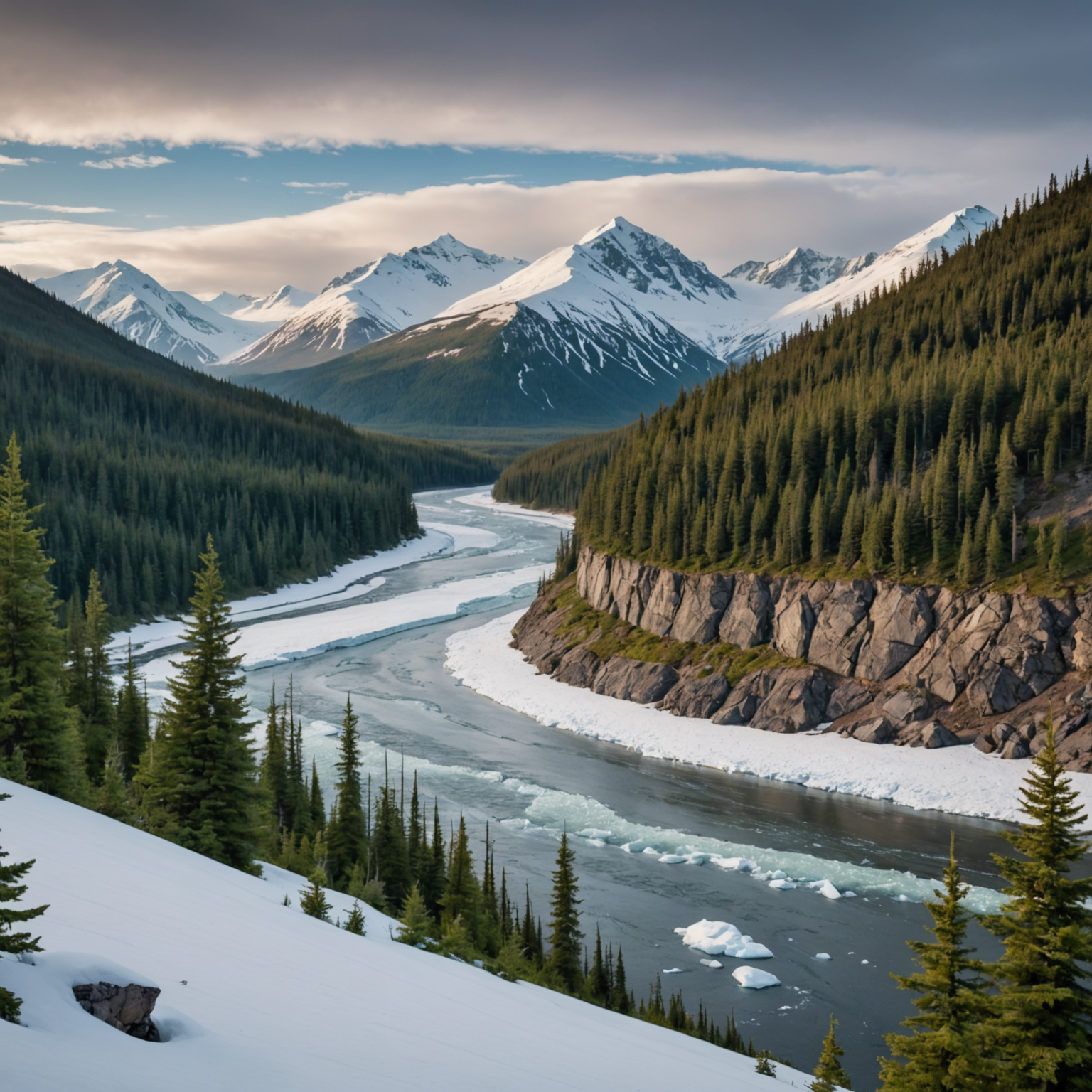
Nestled between the Kenai Mountains and the Gulf of Alaska, Seward offers breathtaking landscapes and a rich tapestry of trails for hiking enthusiasts. Known for its stunning views of glaciers, fjords, and diverse wildlife, hiking in Seward, Alaska, is an experience that captures the essence of the Last Frontier. Whether you’re an experienced hiker or a beginner, Seward’s trails promise unforgettable adventures and a deep connection with nature. This guide will explore some of the best hikes in the area, providing you with essential information to plan your next hiking trip to Seward.
[spronix_cta key=”seward-area”]
Exploring Seward’s Top Hiking Trails
Mount Marathon
Famous for its annual race, Mount Marathon is a challenging trail that offers hikers a steep ascent and rewarding panoramic views of Resurrection Bay. The trail begins in downtown Seward and climbs approximately 3,022 feet. While the hike is strenuous, the breathtaking views from the summit are worth every step. It’s advisable to carry plenty of water and sturdy hiking boots, as the trail can be quite rugged.
Exit Glacier and Harding Icefield Trail
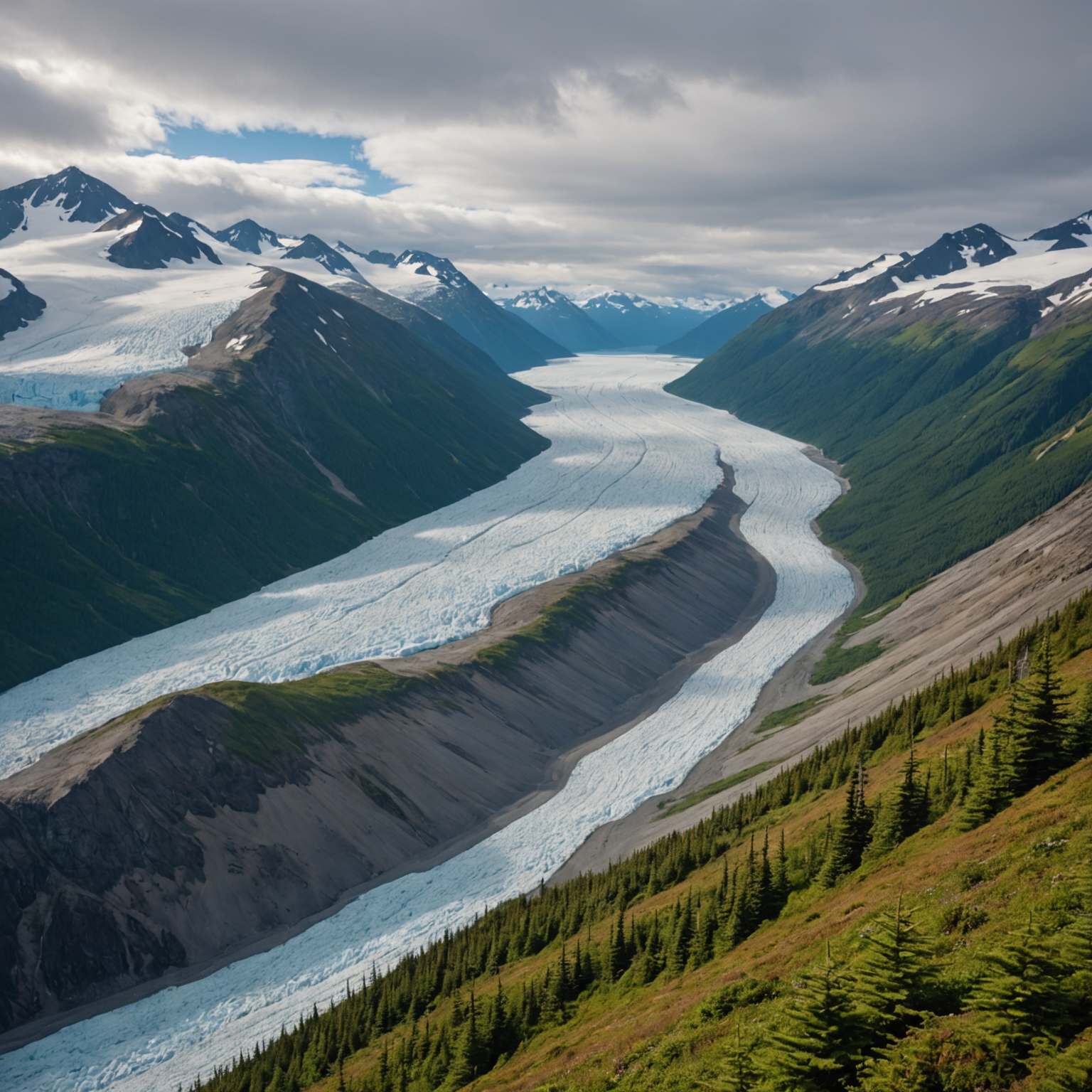
Located within Kenai Fjords National Park, the Exit Glacier and Harding Icefield Trail provide an up-close look at Alaska’s glacial landscapes. The trailhead is easily accessible, and the hike itself spans about 8.2 miles round trip. As you ascend, you’ll witness the grandeur of the Harding Icefield, one of the largest ice fields in the United States. For those interested in exploring more of the park, Kenai Fjords National Park offers extensive information on other hiking opportunities and visitor services.
Caines Head State Recreation Area
For a blend of history and natural beauty, the Caines Head Trail offers a unique hiking experience. This 14-mile round trip trail takes you along the coast, through lush forests, and to the historic remains of Fort McGilvray. Accessible only by foot or boat, the trail is best hiked during low tide. The Alaska Department of Natural Resources provides updated information on trail conditions and tide schedules.
Lost Lake Trail
A favorite among locals, the Lost Lake Trail offers a moderate 15-mile round trip hike through alpine meadows and dense forests, culminating in the picturesque Lost Lake. The trail is known for its vibrant wildflowers in the summer and stunning fall foliage. It’s an excellent choice for those looking to experience the diverse ecosystems of Seward.
Tonsina Creek Trail
Ideal for families and those seeking a shorter, more leisurely hike, the Tonsina Creek Trail is approximately 3.8 miles round trip. This trail winds through coastal rainforest and leads to a serene beach at Tonsina Point, where you can enjoy views of Resurrection Bay. Keep an eye out for sea otters and other marine wildlife as you explore the shoreline.
Planning Your Hiking Adventure
Best Time to Hike
The hiking season in Seward typically runs from late May to early September, when the trails are free of snow, and the weather is more accommodating. However, always check the National Weather Service for the latest weather forecasts before heading out, as Alaska’s weather can be unpredictable.
Safety Tips
When hiking in Seward, it’s essential to be prepared for changing weather conditions and encounters with wildlife. Carry bear spray and know how to use it, as bears are common in the area. The Alaska Department of Fish and Game offers resources on bear safety and how to minimize your risk of an encounter.
Trail Etiquette and Leave No Trace
Practicing Leave No Trace principles is crucial to preserving the natural beauty of Seward’s hiking trails. This includes packing out all trash, staying on designated paths, and respecting wildlife. For more information on responsible outdoor practices, visit Leave No Trace.
Conclusion
Hiking in Seward, Alaska, offers a unique opportunity to explore some of the most stunning and diverse landscapes in the state. From challenging mountain ascents to peaceful coastal walks, the trails in Seward cater to all levels of hikers. With careful planning and respect for the natural environment, your hiking adventure in Seward will be both safe and memorable.
[spronix_cta key=”seward-area”]
FAQ
What is the best time of year for hiking in Seward, Alaska?
The best time to hike in Seward is from late May to early September, when the weather is mild, and the trails are most accessible.
Are there any guided hiking tours available in Seward?
Yes, several local outfitters offer guided hiking tours, providing expertise and insights into the area’s natural and cultural history.
How do I prepare for bear encounters while hiking?
Carry bear spray and make noise while hiking to avoid surprising bears. Familiarize yourself with bear safety tips from resources like the Alaska Department of Fish and Game.
Can I camp along the trails in Seward?
Some trails, like the Lost Lake Trail, offer designated camping areas. Be sure to check regulations and obtain any necessary permits from Recreation.gov.
What should I pack for a day hike in Seward?
Essential items include water, snacks, a map, a first-aid kit, bear spray, and weather-appropriate clothing. Always be prepared for sudden weather changes.
Are the trails in Seward suitable for beginners?
Yes, trails like the Tonsina Creek Trail are suitable for beginners and families, offering shorter distances and easier terrain.
How can I check the weather conditions before my hike?
Visit the National Weather Service for updated weather forecasts specific to the Seward area.
What are some other outdoor activities to enjoy in Seward?
Aside from hiking, Seward offers activities such as wildlife cruises, fishing, and exploring the Kenai Fjords National Park. For more options, check out this guide to Anchorage day tours.