Introduction
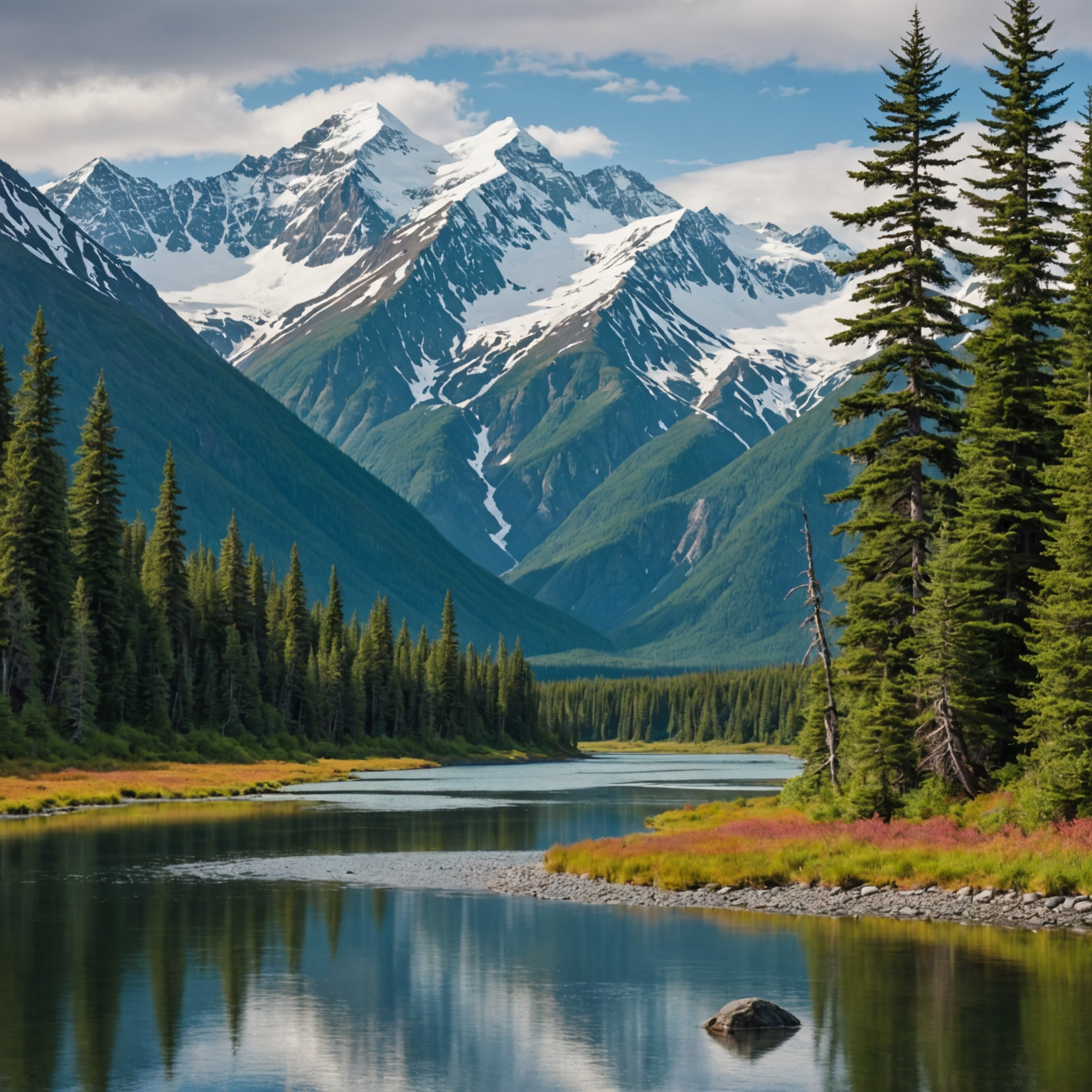
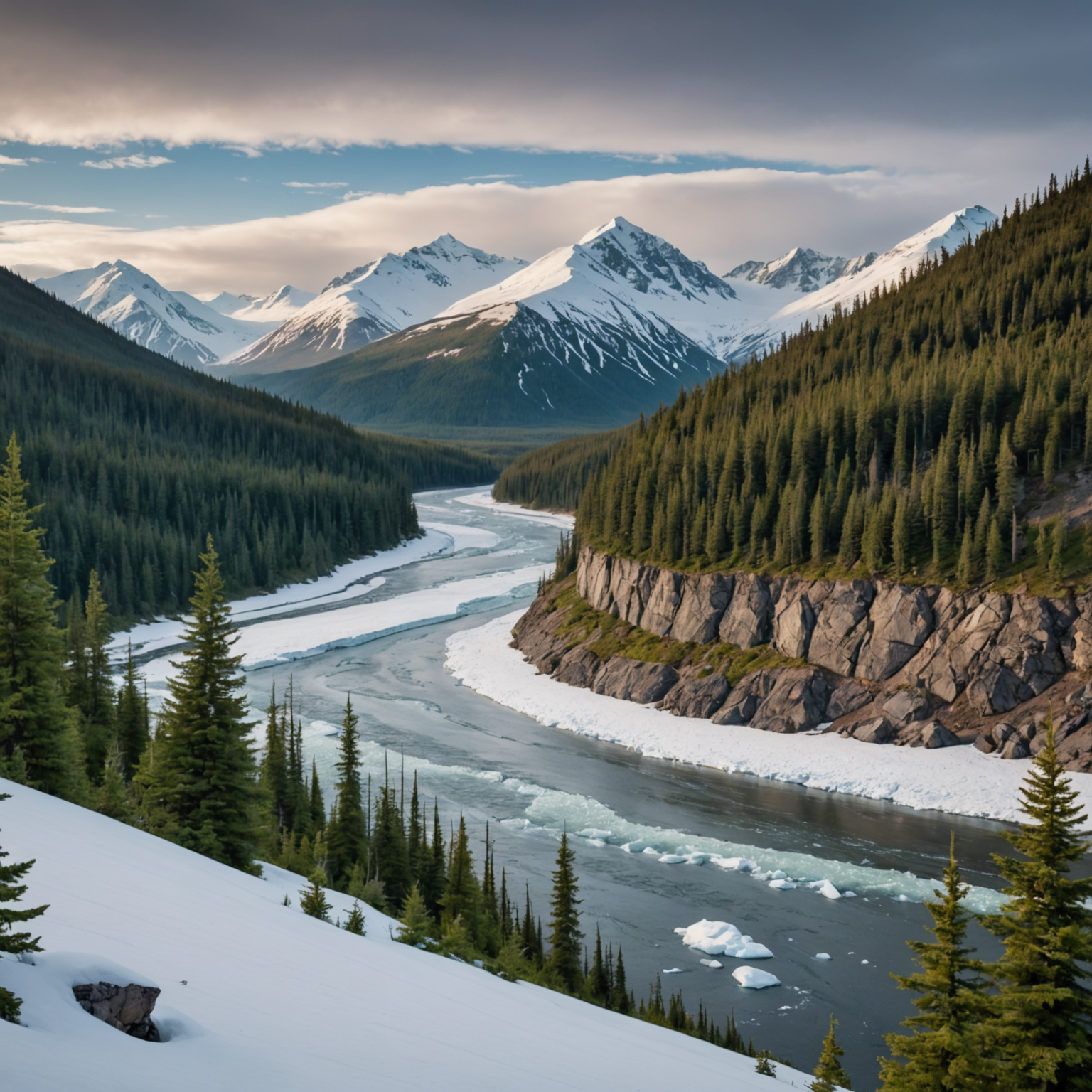
The majestic landscapes of Alaska are home to some of the most fascinating wildlife, including two of North America’s most iconic bear species: the grizzly bear and the black bear. While both of these bears can be found roaming the wilderness, they exhibit notable differences in size, behavior, and habitat. Understanding these differences is crucial for wildlife enthusiasts, photographers, and adventurers exploring the Alaskan terrain. This guide will delve into the size comparison between grizzly and black bears, their behaviors, and where you might encounter them in Alaska.
[spronix_cta key=”wildlife”]
Grizzly vs. Black Bear Size Comparison
Grizzly Bear Size
Grizzly bears, a subspecies of the brown bear, are renowned for their impressive size and strength. Typically found in the alpine meadows, forests, and coastal areas of Alaska, grizzlies are larger than their black bear counterparts. Adult male grizzly bears can weigh between 400 to 790 pounds, with some exceptional individuals tipping the scales at over 1,000 pounds. Females are generally smaller, ranging from 290 to 400 pounds. In terms of height, grizzlies stand about 3.5 to 4 feet at the shoulder when on all fours and can reach up to 8 feet tall when standing on their hind legs.

Black Bear Size
Black bears are more widespread across North America and are the most common bear species in Alaska. While they are smaller than grizzlies, they are still formidable creatures. Male black bears typically weigh between 200 to 600 pounds, while females weigh between 100 to 400 pounds. Black bears stand about 2.5 to 3 feet tall at the shoulder and can reach up to 7 feet when standing upright. Despite their name, black bears can have a variety of fur colors, including brown, cinnamon, and even white, particularly in certain regions like the coastal areas of British Columbia.
Size Comparison Summary
When comparing the sizes of grizzly and black bears, grizzlies generally outsize black bears in both weight and height. This size difference plays a significant role in their respective behaviors and interactions with their environment.
Behavioral Differences
Grizzly Bear Behavior
Grizzly bears are known for their solitary nature, except during mating season or when a mother is raising her cubs. They have a more aggressive demeanor compared to black bears and are often considered more dangerous to humans due to their size and strength. Grizzlies are active hunters and are more likely to be found in open areas where they can hunt for large prey or forage for roots, berries, and fish, particularly salmon during the spawning season.
Black Bear Behavior
In contrast, black bears are more adaptable and tend to avoid open spaces, preferring forested areas where they can use their climbing abilities to escape threats or access food. They are generally less aggressive than grizzlies and are more likely to flee from confrontation. Black bears are omnivorous and have a diet that includes plants, berries, insects, and small mammals. They are also known to scavenge for human food, which can lead to encounters in campgrounds or near human settlements.

Habitat and Distribution in Alaska
Grizzly Bear Habitat
Grizzlies are predominantly found in the interior and coastal regions of Alaska. They thrive in diverse environments, from the dense forests of Katmai National Park to the tundra of Denali National Park. For those planning a trip to see these magnificent creatures, a visit to Katmai National Park offers excellent opportunities for bear viewing, especially during the salmon run.
Black Bear Habitat
Black bears have a broader range and can be found in various habitats across Alaska, from temperate rainforests to subalpine regions. They are more likely to be seen in areas like the Chugach National Forest or around Talkeetna, a popular tourist attraction in Alaska known for its stunning scenery and wildlife viewing opportunities.
Safety and Conservation
Both grizzly and black bears are vital components of Alaska’s ecosystems. It is crucial to respect their habitats and practice safe wildlife viewing. Always maintain a safe distance, use bear-proof containers for food storage, and be aware of bear activity in the area. For more information on living with bears and ensuring your safety, visit the Alaska Department of Fish and Game.
Conclusion
Understanding the size and behavioral differences between grizzly and black bears enhances our appreciation for these incredible animals and their role in Alaska’s wilderness. Whether you are hiking in Denali or exploring the forests near Talkeetna, always prioritize safety and conservation to enjoy a memorable and responsible wildlife experience.
[spronix_cta key=”wildlife”]
FAQ
What is the main difference in size between grizzly and black bears?
Grizzly bears are generally larger than black bears, with adult males weighing between 400 to 790 pounds, while black bear males typically weigh between 200 to 600 pounds.
Where can I see grizzly bears in Alaska?
Grizzly bears can be seen in several Alaskan national parks, including Katmai National Park, known for its bear viewing opportunities during the salmon run.
Are black bears dangerous to humans?
Black bears are generally less aggressive than grizzlies and often avoid human interactions. However, they can become dangerous if they feel threatened or if they are protecting their cubs.
How can I stay safe while hiking in bear country?
To stay safe, make noise while hiking to alert bears of your presence, carry bear spray, and keep a safe distance if you encounter a bear. Always secure your food in bear-proof containers.
What do grizzly bears eat?
Grizzly bears have a varied diet that includes fish, particularly salmon, as well as berries, roots, and small mammals.
Can black bears climb trees?
Yes, black bears are excellent climbers and often use trees to escape danger or access food.
How does the fur color of black bears vary?
Despite their name, black bears can have fur ranging from black to brown, cinnamon, and even white, especially in specific regions like the coastal areas of British Columbia.
What should I do if I encounter a bear in the wild?
Stay calm, avoid making sudden movements, slowly back away, and speak softly. Do not run, as this may trigger a chase response. Use bear spray if necessary.