Introduction
In the vast wilderness of Alaska, two bear species reign supreme: the grizzly bear and the black bear. Both are iconic symbols of the American wilderness and play crucial roles in their ecosystems. However, distinguishing between these two species can be challenging, especially for those exploring Alaska’s national parks. This guide will help you identify the differences between grizzly bears and black bears, ensuring your adventures in Alaska’s pristine landscapes are both safe and memorable.
[spronix_cta key=”wildlife”]
Physical Differences
Size and Build
Grizzly bears, also known as brown bears, are typically larger than black bears. Adult grizzlies can weigh between 400 to 1,200 pounds, while black bears generally weigh between 200 to 600 pounds. Grizzlies have a more robust build, with a distinct muscular hump on their shoulders, a feature absent in black bears. This hump is a key identifier and helps them to dig and forage.
Fur Color and Facial Features
While fur color can vary widely in both species, grizzly bears often have a brown or blond coloration with guard hairs that can give them a “grizzled” appearance. In contrast, black bears have a more uniform color range, from jet black to dark brown, and occasionally even cinnamon or blond. Grizzly bears also have a dish-shaped face with a concave profile, while black bears have a straighter, more pointed facial profile.

Behavioral Differences
Habitat and Range
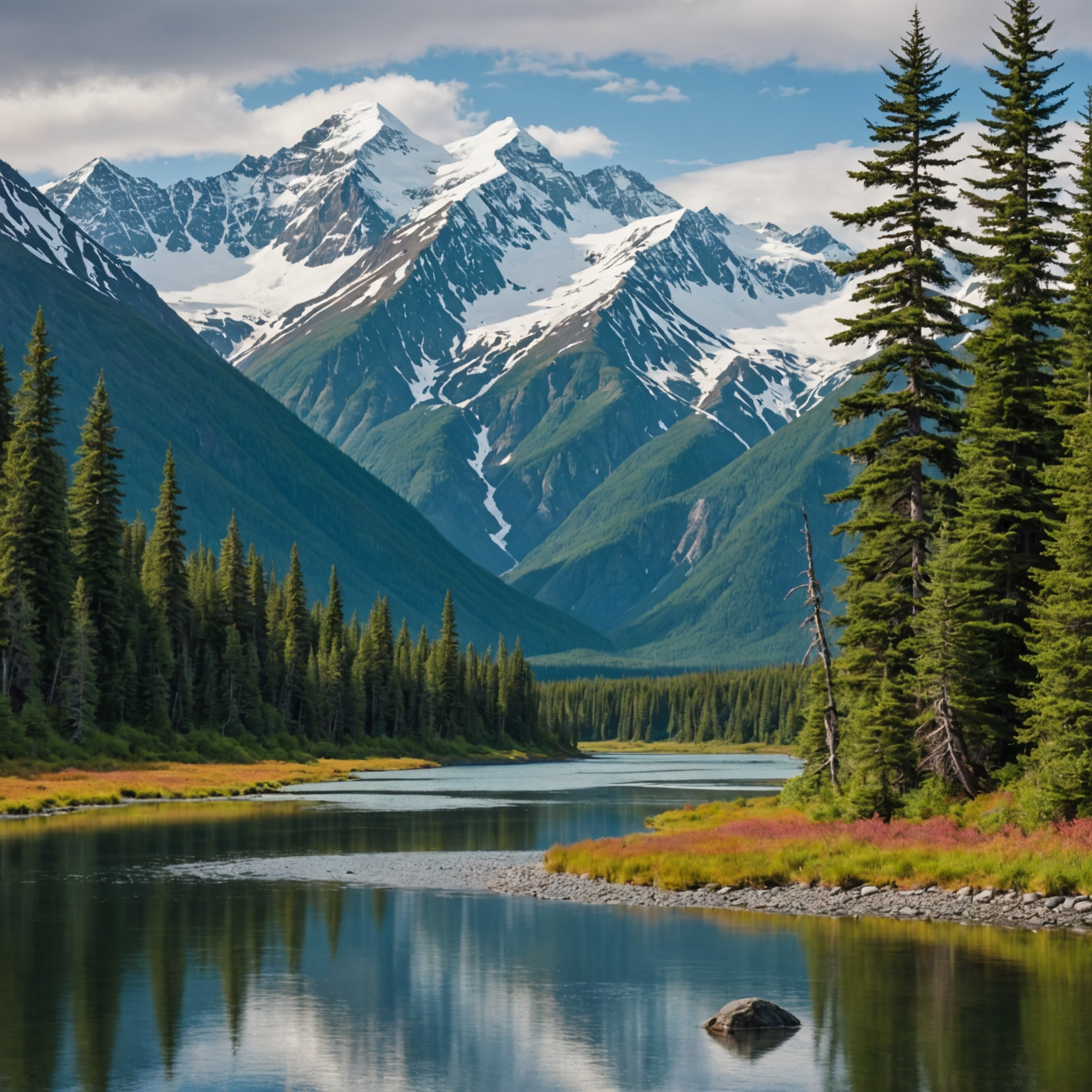
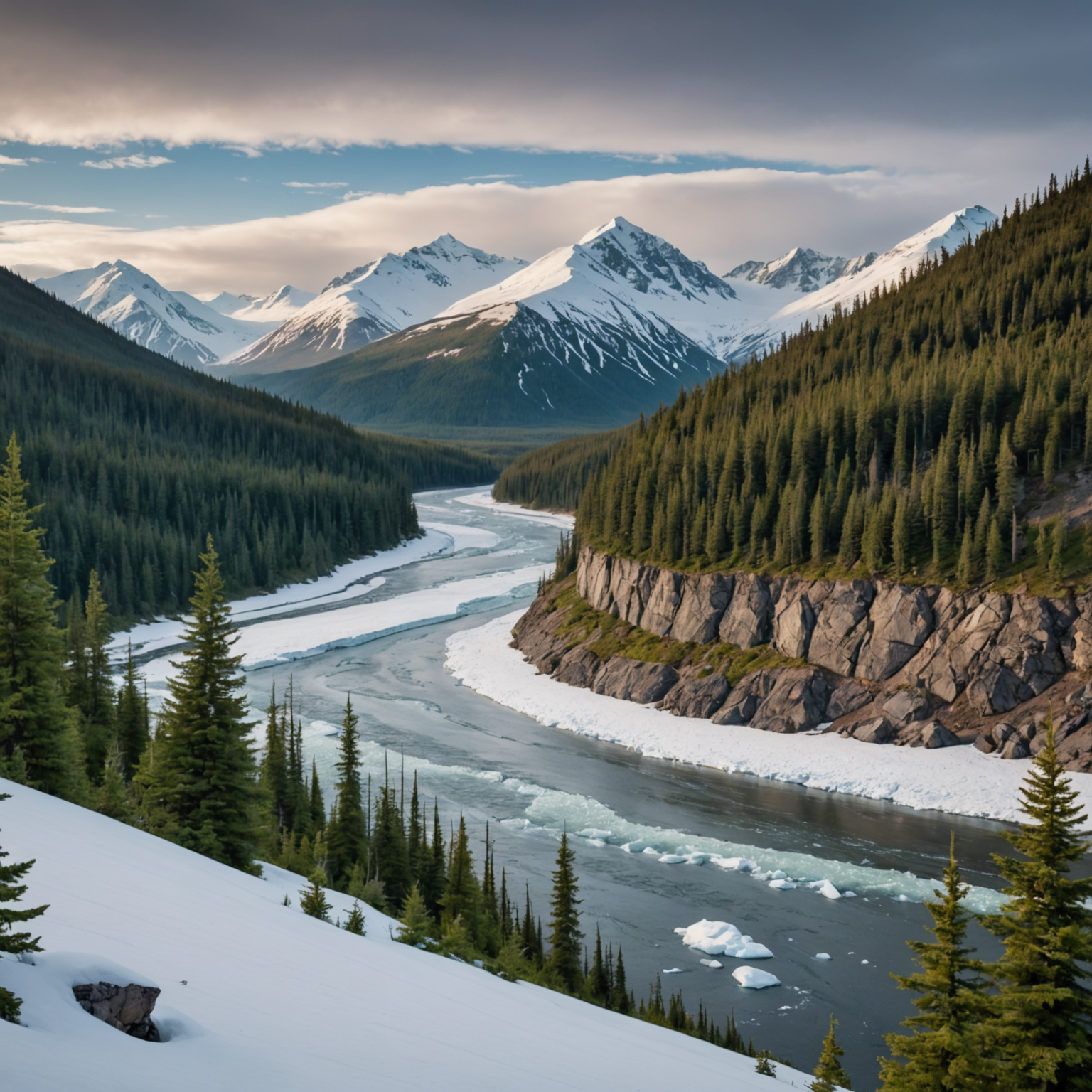
Grizzly bears are typically found in open, mountainous areas and can be seen in regions like Denali National Park and Preserve. They prefer habitats that offer a mix of forests and meadows, which provide ample food sources. Conversely, black bears are more adaptable and can thrive in a variety of environments, including dense forests and coastal areas.
Diet and Foraging
Both grizzly bears and black bears are omnivorous, but their diets differ slightly. Grizzlies rely heavily on salmon and other fish, especially in areas like Katmai National Park, where salmon runs are plentiful. They also consume a variety of roots, berries, and small mammals. Black bears, on the other hand, have a more varied diet and are more likely to forage for insects, nuts, and fruits. They are less dependent on fish than grizzlies.
Safety Precautions
When exploring Alaska’s parks, understanding bear behavior is crucial for safety. Always follow bear safety guidelines provided by the Alaska Department of Fish and Game. These guidelines include making noise to alert bears of your presence, carrying bear spray, and knowing how to react if you encounter a bear.
Bear Encounters
In the event of a bear encounter, it’s essential to remain calm. For grizzly bears, it’s advised to stand your ground and prepare to use bear spray if necessary. For black bears, making yourself appear larger and speaking in a firm voice can help deter an approach. Always back away slowly and avoid direct eye contact.

Best Spots to See Bears in Alaska
Alaska offers numerous opportunities to view these majestic creatures in their natural habitats. Denali National Park is famous for grizzly bear sightings, while black bears are commonly seen in areas like Kenai Fjords National Park. For those seeking guided experiences, consider an Alaska fall tour to combine wildlife viewing with the stunning autumn landscapes.
Conclusion
Understanding the differences between grizzly bears and black bears enhances not only your safety but also your appreciation of Alaska’s wildlife. By recognizing their distinct physical and behavioral characteristics, you can ensure a respectful and awe-inspiring experience in Alaska’s national parks.
[spronix_cta key=”wildlife”]
FAQ
1. How can you tell a grizzly bear from a black bear?
Grizzly bears are generally larger with a prominent shoulder hump and have a concave facial profile. Black bears are smaller and lack the shoulder hump, with a straighter nose profile.
2. Where are you most likely to see grizzly bears in Alaska?
Grizzly bears are often found in open, mountainous regions such as Denali National Park and Katmai National Park.
3. What should I do if I encounter a bear in the wild?
Stay calm, avoid direct eye contact, and back away slowly. For grizzlies, stand your ground, and for black bears, try to appear larger and speak firmly.
4. Are there any tours that focus on bear viewing in Alaska?
Yes, there are numerous tours such as Alaska fall tours that offer guided bear viewing experiences.
5. What do grizzly bears eat compared to black bears?
Grizzlies often eat more fish, especially salmon, while black bears have a varied diet that includes insects, fruits, and nuts.
6. Can black bears and grizzly bears be found in the same areas?
Yes, their ranges can overlap, but they often prefer different habitats; grizzlies favor open areas, while black bears thrive in dense forests.
7. Is it safe to hike alone in bear country?
It’s generally safer to hike in groups and always carry bear spray. Make noise to alert bears of your presence and follow local safety guidelines.
8. How do bears contribute to the ecosystem?
Both species play crucial roles in their ecosystems, such as controlling prey populations and dispersing seeds through their droppings.