Introduction
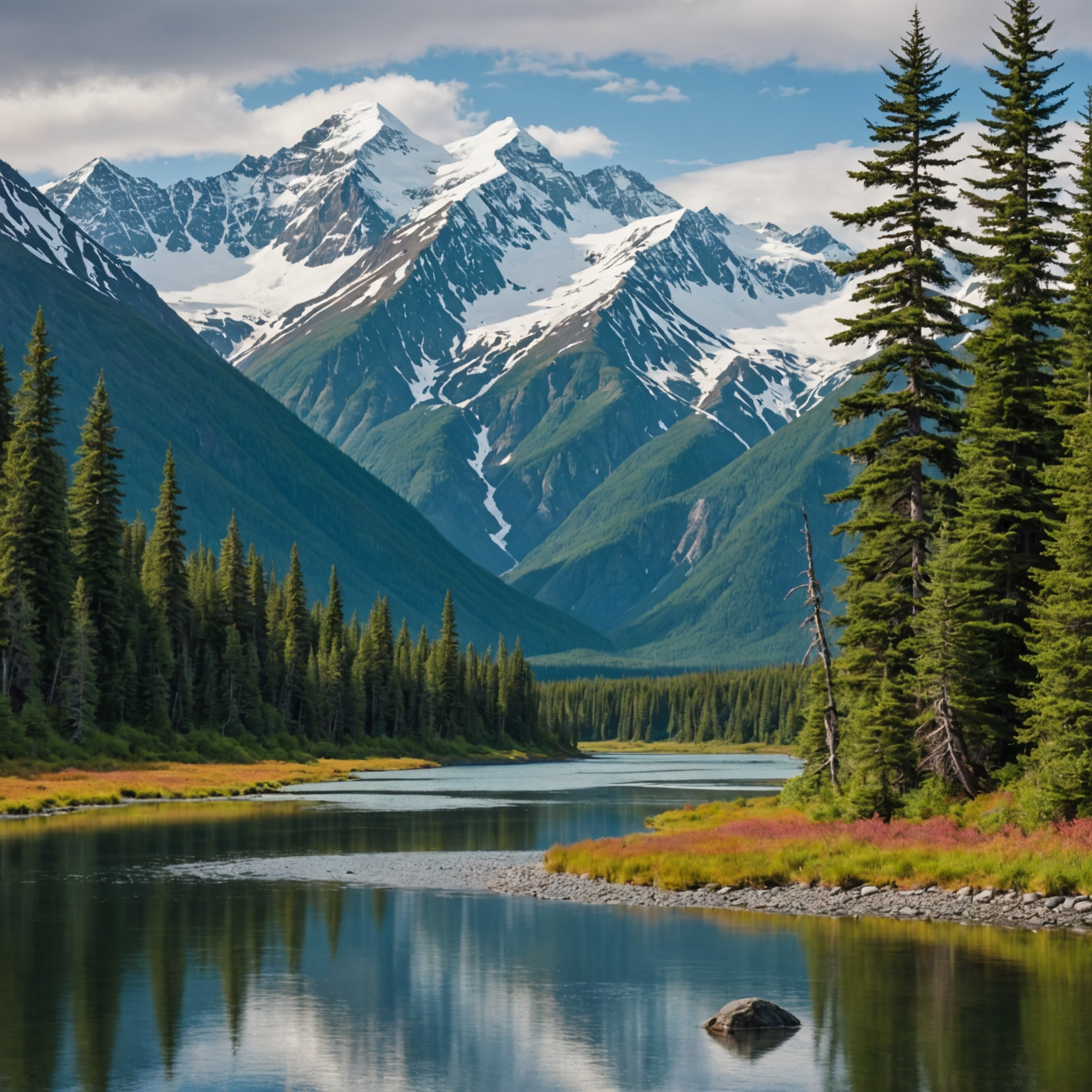
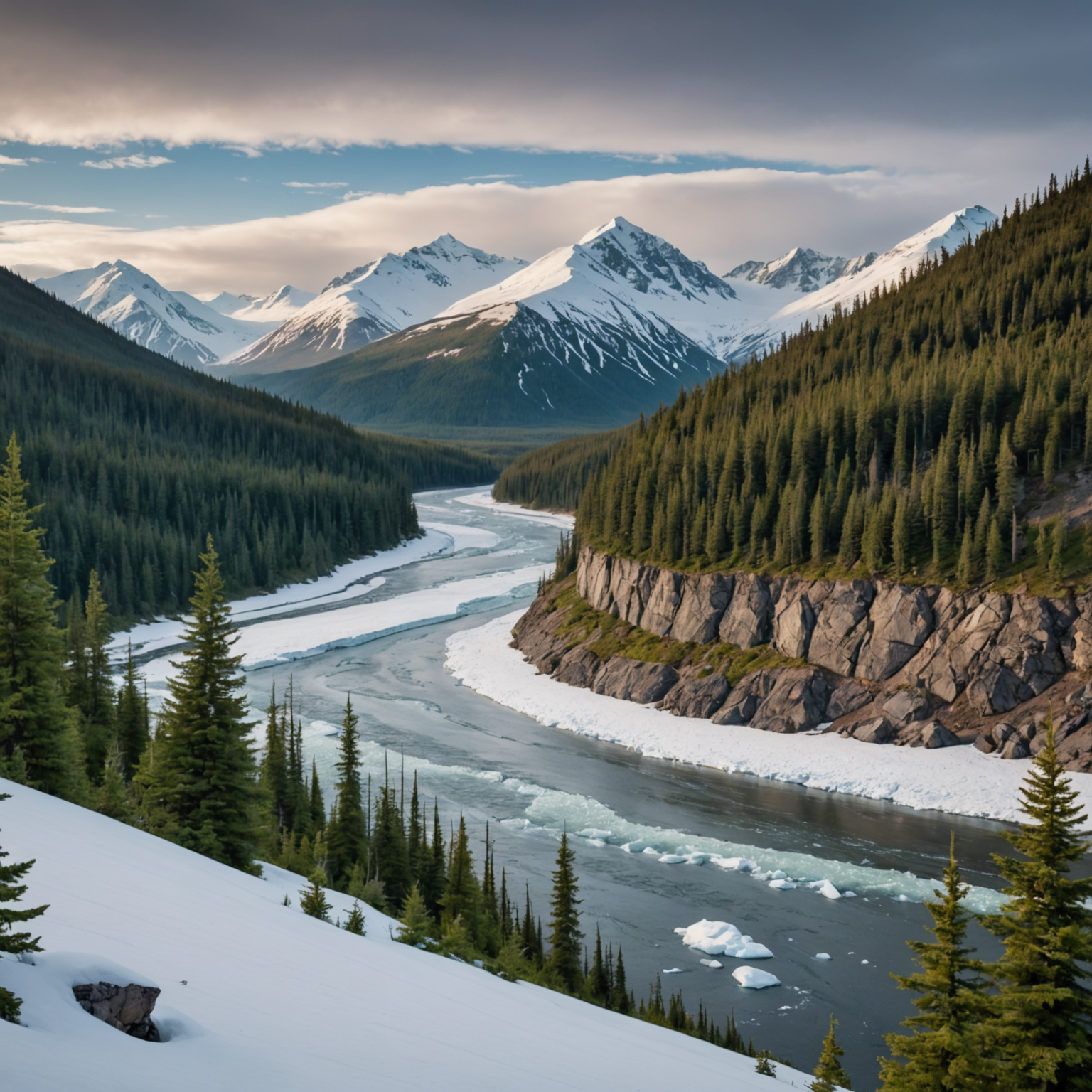
Glacier ice climbing is a thrilling adventure that combines the breathtaking beauty of Alaska’s icy landscapes with the heart-pounding excitement of scaling frozen cliffs. As winter descends on the Last Frontier, adventurers from around the globe are drawn to its pristine glaciers, eager to experience the unique challenge that glacier ice climbing presents. Whether you’re a seasoned climber or a curious novice, guided tours in Alaska provide an unforgettable opportunity to explore these natural wonders safely. In this post, we’ll delve into the essentials of glacier ice climbing tours, what to expect, and how to make the most of your Alaskan adventure.
What is Glacier Ice Climbing?
Glacier ice climbing involves ascending vertical ice formations on glaciers using specialized gear and techniques. Unlike rock climbing, ice climbing requires tools such as ice axes and crampons to grip and ascend the frozen surface. Alaska, with its vast and varied glacial landscapes, offers some of the best ice climbing experiences in the world. From the towering ice walls of the Matanuska Glacier to the serene beauty of the Root Glacier, climbers find no shortage of locations to test their skills.
Choosing the Right Tour
When selecting a glacier ice climbing tour, it’s important to consider your experience level, the type of terrain, and the duration of the tour. Many tour operators in Alaska cater to different skill levels, offering everything from half-day intro climbs to multi-day expeditions. Before booking, consider:
- Experience Level: Ensure the tour matches your skill level. Beginners should opt for introductory tours that focus on safety and basic techniques.
- Guide Expertise: Choose tours led by certified and experienced guides who prioritize safety and education.
- Group Size: Smaller groups often provide a more personalized experience and increased safety.
For an unforgettable experience, explore the best adventure tours in Alaska.
Gear and Preparation
Proper gear is crucial for a successful ice climbing experience. Most tour operators provide essential equipment, including helmets, harnesses, ice axes, and crampons. However, climbers should come prepared with:
- Warm Clothing: Dress in layers to adapt to changing weather conditions. Moisture-wicking base layers, insulating mid-layers, and waterproof outer layers are recommended.
- Gloves and Hats: Protect your extremities from the cold with insulated gloves and a warm hat.
- Footwear: Sturdy, waterproof boots that are compatible with crampons are essential.
Preparing for your adventure also involves understanding the local weather conditions. Check the National Weather Service for up-to-date forecasts.
Safety Considerations
Safety should be the top priority for any glacier ice climbing tour. Climbers must be aware of the potential hazards, such as crevasses, falling ice, and changing weather conditions. Tour operators will conduct safety briefings and provide instructions on how to navigate these challenges. Additionally, understanding avalanche risks is crucial. The Chugach National Forest Avalanche Information Center offers valuable resources on current avalanche conditions in Alaska.
Best Locations for Glacier Ice Climbing in Alaska
Alaska’s diverse terrain offers numerous glacier ice climbing opportunities. Some of the most popular locations include:
- Matanuska Glacier: Known for its accessibility and stunning ice formations, Matanuska Glacier is ideal for both beginners and experienced climbers.
- Root Glacier: Located in Wrangell-St. Elias National Park, Root Glacier offers breathtaking views and challenging ice climbing routes.
- Exit Glacier: Part of Kenai Fjords National Park, Exit Glacier provides a unique climbing experience with its dynamic ice fields.
For those planning a broader Alaskan adventure, consider visiting Talkeetna, a charming town known for its outdoor activities and stunning views.
Environmental Impact and Sustainability
Preserving Alaska’s pristine glaciers is essential for future generations of climbers. Responsible tourism practices, such as minimizing waste and respecting wildlife, help reduce the environmental impact of climbing activities. Organizations like Leave No Trace provide guidelines on sustainable outdoor practices to ensure minimal impact on these fragile ecosystems.
Conclusion
Glacier ice climbing in Alaska is a once-in-a-lifetime experience that combines adventure, skill, and breathtaking natural beauty. By choosing the right tour, preparing adequately, and prioritizing safety, climbers can enjoy the thrill of scaling icy heights while respecting the environment. Whether you’re a seasoned climber or new to the sport, Alaska’s glaciers offer an unparalleled opportunity to connect with nature and test your limits.
FAQ
What is the best time of year for glacier ice climbing in Alaska?
The best time for glacier ice climbing in Alaska is during the winter months, from November to March, when the ice is most stable and accessible.
Do I need prior climbing experience to join a glacier ice climbing tour?
No prior experience is necessary for beginner tours, as guides provide instruction and safety training. However, more advanced tours may require some climbing background.
How physically demanding is glacier ice climbing?
Glacier ice climbing can be physically demanding and requires a moderate level of fitness. It involves using upper and lower body strength to ascend ice walls.
Are there age restrictions for glacier ice climbing tours?
Age restrictions vary by tour operator, but generally, participants should be at least 12 years old. Some tours may have additional requirements for minors.
What should I wear for a glacier ice climbing tour?
Dress in layers for warmth and flexibility. Wear moisture-wicking base layers, insulating mid-layers, waterproof outer layers, and bring insulated gloves and a hat.
Can I rent climbing gear, or do I need to bring my own?
Most tour operators provide climbing gear such as helmets, harnesses, ice axes, and crampons. Check with the operator for specific gear rental information.
How do I choose a reputable glacier ice climbing tour operator?
Look for operators with certified and experienced guides, positive reviews, and a strong emphasis on safety. Research their experience and the variety of tours offered.
What other activities can I enjoy in Alaska during winter?
In addition to glacier ice climbing, Alaska offers activities like dog sledding, snowmobiling, and northern lights viewing. Explore Top Places to Visit in Alaska for Adventure for more ideas.