Introduction
When venturing into Alaska’s breathtaking wilderness, being prepared for the harshest conditions is crucial. One key element in your survival arsenal is a bag designed for extreme cold weather. These sleeping bags are engineered specifically to withstand the frigid temperatures often encountered in Alaska’s remote areas. This guide will help you choose the best bag for extreme cold weather, ensuring you stay warm and safe during your adventures.
[spronix_cta key=”winter-adventures”]
Understanding Extreme Cold Weather Conditions
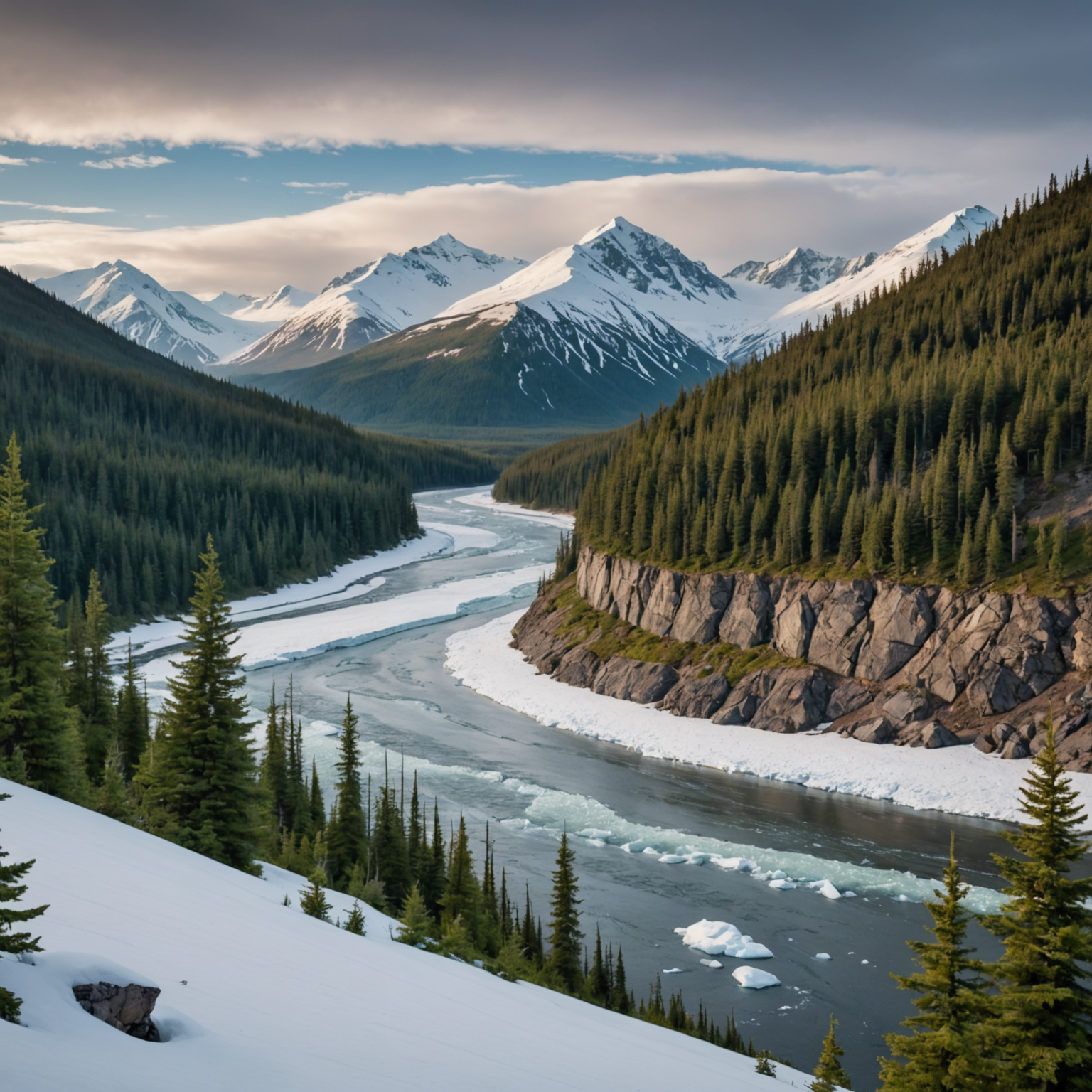
Alaska is known for its unpredictable weather patterns and extreme cold temperatures, especially in winter. Understanding these conditions is essential for anyone planning outdoor activities. According to the National Weather Service, temperatures can plummet to -40°F or lower in some regions. Therefore, selecting a sleeping bag that can handle these temperatures is vital.
Key Features of Extreme Cold Weather Bags
A bag designed for extreme cold weather must have certain features to ensure optimal performance:
Insulation: The most critical factor in a sleeping bag’s ability to keep you warm is its insulation. Down and synthetic are the two main types of insulation. Down offers excellent warmth-to-weight ratio but can lose insulating properties when wet. Synthetic insulation, on the other hand, performs better in damp conditions.
Temperature Rating: Sleeping bags come with temperature ratings indicating the lowest temperature at which the bag will keep the average person warm. For Alaska, a bag rated for -20°F or lower is recommended.
Shape and Design: Mummy-shaped bags are popular for extreme cold weather due to their snug fit, which minimizes heat loss. Look for bags with draft collars and hoods for added warmth.
Material and Durability: A durable outer shell with water-resistant properties is crucial. Ripstop nylon or polyester are commonly used materials that provide strength and protection against the elements.
Choosing the Right Bag for Your Needs
Selecting a sleeping bag for extreme cold weather involves considering several personal factors such as budget, comfort, and specific use cases.
Budget Considerations
While high-quality sleeping bags can be expensive, investing in a reliable one is crucial for your safety. Budget options are available, but they may compromise on insulation quality or durability. Evaluating how often you will use the bag and in what conditions can help you make a more informed decision.
Comfort and Fit
Comfort is subjective and varies from person to person. When choosing a bag, consider the size and shape that best suits your body type. Many manufacturers offer different lengths and widths to ensure a comfortable fit. Additionally, try to find a bag with a soft lining material for added comfort.
Intended Use
Consider the type of activities you will be undertaking. If you’re planning on dog sledding adventures, a compact and lightweight bag might be preferable. For more information on dog sledding in Alaska, check out this guide to dog sledding.
Popular Sleeping Bag Brands for Cold Weather
When it comes to choosing a reliable brand, several manufacturers stand out for their high-quality extreme cold weather sleeping bags:
The North Face: Known for its innovation and durability, The North Face offers a range of sleeping bags specifically designed for cold climates.
Mountain Hardware: This brand delivers robust products with advanced insulation technologies, perfect for harsh winter conditions.
Rab: Known for their high-performance mountain gear, Rab produces sleeping bags that are a favorite among mountaineers and adventurers.
For additional information on gear and equipment for cold weather, visit this resource.
Safety Tips for Camping in Extreme Cold
When camping in extreme cold conditions, safety should always be your top priority. Here are some essential tips to ensure a safe experience:
Layering: Wear multiple layers of clothing to trap heat and maintain body warmth.
Hydration and Nutrition: Staying hydrated and well-fed is crucial. Warm beverages and high-calorie foods can help maintain energy levels and body heat.
Site Selection: Choose a camping site that offers some natural protection from the wind, such as a grove of trees or a rock face.
For more tips on planning your outdoor adventure, you can explore day trip ideas from Anchorage.
Conclusion
Choosing the right bag for extreme cold weather is an essential part of preparing for your Alaskan adventure. By understanding the conditions and knowing what features to look for, you can ensure a warm and safe experience. Remember to consider your personal needs and preferences when selecting a sleeping bag and always prioritize safety.
[spronix_cta key=”winter-adventures”]
FAQ
What is the best sleeping bag for extreme cold weather?
The best sleeping bag for extreme cold weather is one that offers high-quality insulation, a suitable temperature rating, and features that enhance comfort and durability. Brands like The North Face, Mountain Hardware, and Rab are highly recommended.
How do I choose a sleeping bag temperature rating?
Select a temperature rating based on the lowest temperatures you expect to encounter. For extreme cold, a bag rated for -20°F or lower is advisable.
Are down or synthetic sleeping bags better for cold weather?
Both have their pros and cons. Down offers excellent warmth-to-weight ratio but is less effective when wet. Synthetic insulation performs better in wet conditions and is generally more affordable.
Can I use a regular sleeping bag in Alaska?
Regular sleeping bags are not recommended for Alaska’s extreme cold weather. Always choose a bag specifically designed for low temperatures to ensure safety and comfort.
How should I store my sleeping bag?
Store your sleeping bag in a large, breathable storage sack or hang it to maintain its loft and insulation properties. Avoid compressing it for long periods.
What extra gear do I need for camping in extreme cold?
In addition to a high-quality sleeping bag, bring a sleeping pad for insulation from the ground, a reliable tent, and appropriate clothing layers. For more gear recommendations, see this guide to equipment and gear.
Is it safe to camp in extreme cold weather?
Yes, with proper preparation and the right gear, camping in extreme cold weather can be safe. Always check weather forecasts and be aware of potential hazards. The National Weather Service is a reliable resource for weather updates.
By following these guidelines and selecting the right equipment, you can enjoy Alaska’s stunning landscapes while staying warm and safe.