Introduction
The DHC-2 Beaver, fondly known as the “workhorse of the north,” is a legendary aircraft that has etched its place in aviation history. Its robust design and versatility have made it the aircraft of choice for many adventurers exploring the rugged terrains and vast wilderness of Alaska. This blog post will take you on a journey through the skies of Alaska in a DHC-2 Beaver, giving you insights into its history, significance, and why it remains a beloved icon in the Alaskan skies.
[spronix_cta key=”alaska”]
The Rich History of the DHC-2 Beaver
Developed by de Havilland Canada in the post-World War II era, the DHC-2 Beaver was introduced in 1947. It was designed to meet the demanding needs of bush pilots, particularly in remote and challenging environments. Its short takeoff and landing capabilities made it ideal for accessing rugged and isolated locations, which is a common requirement in Alaska’s vast wilderness.
The aircraft quickly gained popularity among bush pilots for its reliability, strength, and ability to operate on both land and water. This versatility was further enhanced by its ability to be fitted with wheels, skis, or floats, allowing it to adapt to Alaska’s diverse terrains and weather conditions.

The DHC-2 Beaver in Modern Alaska
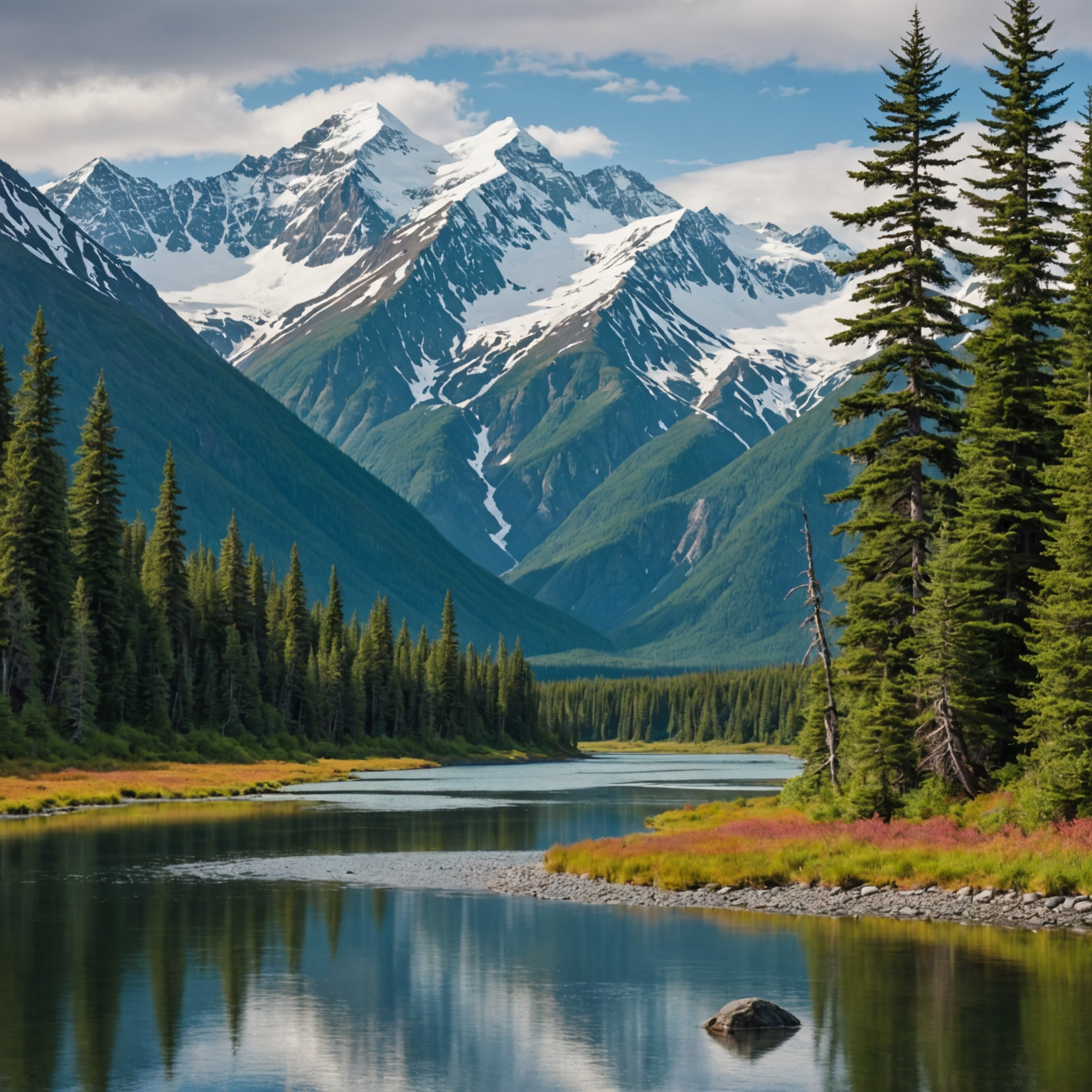
Today, the DHC-2 Beaver is more than just a plane; it’s a symbol of Alaska’s adventurous spirit. Used extensively for tourism, the Beaver offers scenic flights that provide unparalleled views of Alaska’s stunning landscapes, from the towering peaks of Denali to the sprawling glaciers of Kenai Fjords National Park. Its ability to take off and land in remote areas allows visitors to experience the untouched beauty of Alaska’s national parks, such as Glacier Bay and Wrangell-St. Elias.
For those planning an Alaskan adventure, a flight in a DHC-2 Beaver is a must-do experience. It offers a unique perspective on the state’s diverse ecosystems and wildlife. Whether you’re an avid birdwatcher keen on spotting Alaska’s species or a thrill-seeker looking to capture the Northern Lights from above, the Beaver provides an exceptional vantage point.
The Role of the Beaver in Alaskan Tourism
The DHC-2 Beaver plays a crucial role in Alaska’s tourism industry, offering unforgettable experiences that are both thrilling and educational. Many local tour operators use Beavers for excursions, ensuring that visitors witness the grandeur of Alaska from above. These flights often include guided tours that provide insights into the region’s history, geology, and ecology.
For those interested in winter adventures, the DHC-2 Beaver is also utilized in conjunction with other activities such as dog sledding and ice fishing. Combining a scenic flight with a hands-on Alaskan experience creates a comprehensive tour that highlights the state’s cultural and natural treasures. Companies like Snowhook Adventures offer such combos, making it easier for visitors to explore Alaska in all its glory.
Maintaining the Legacy: Restoration and Preservation
The enduring popularity of the DHC-2 Beaver in Alaska is also due to the dedicated efforts of aviation enthusiasts and mechanics who work tirelessly to maintain and restore these iconic planes. Many Beavers have been meticulously restored to their original glory, ensuring they continue to soar in the Alaskan skies for years to come.
Organizations and museums often hold events and exhibitions to celebrate the Beaver’s legacy, providing opportunities for aviation enthusiasts to delve deeper into its history and significance. These efforts not only preserve the aircraft but also keep the spirit of adventure alive for future generations.

Conclusion
The DHC-2 Beaver is more than just an aircraft; it is a testament to human ingenuity and the spirit of exploration. In Alaska, where the landscape demands resilience and adaptability, the Beaver stands out as an irreplaceable tool for both transportation and tourism. Its enduring legacy is a tribute to its exceptional design and the adventurous spirit it embodies. Whether you’re a first-time visitor or a seasoned explorer, flying in a DHC-2 Beaver is an experience that captures the essence of Alaska.
[spronix_cta key=”alaska”]
FAQ
1. What makes the DHC-2 Beaver suitable for Alaskan conditions?
The DHC-2 Beaver’s design allows for short takeoffs and landings, making it ideal for accessing remote areas. Its ability to be equipped with floats, skis, or wheels enables it to operate on various terrains and in diverse weather conditions.
2. Are there any specific tours that include a flight in a DHC-2 Beaver?
Yes, many local tour operators offer scenic flights in the DHC-2 Beaver. These tours often include visits to remote national parks and wildlife viewing opportunities. Anchorage Alaska winter adventures often feature such experiences.
3. Can you combine a DHC-2 Beaver flight with other Alaskan activities?
Absolutely. Many tour companies offer packages that combine a DHC-2 Beaver flight with activities like dog sledding or ice fishing. For instance, Snowhook Adventures provides such combination tours.
4. How can I prepare for a DHC-2 Beaver flight in Alaska?
Dress warmly in layers, as temperatures can vary. Bring a camera to capture stunning views, and familiarize yourself with safety instructions provided by the tour operator.
5. Where can I learn more about the history of the DHC-2 Beaver?
Aviation museums and local exhibitions often feature the DHC-2 Beaver. Additionally, online resources and documentaries can provide detailed insights into its history and significance.
6. How long is a typical DHC-2 Beaver tour?
Tour lengths vary depending on the package. Some are short, scenic flights lasting 30 minutes, while others can extend to several hours, including landings and guided tours in remote areas.
7. What wildlife might I see during a DHC-2 Beaver flight in Alaska?
Depending on the flight path, you may see a variety of wildlife, including moose, bears, and a variety of bird species. Coastal flights might also offer views of marine life such as whales and seals.
8. Are DHC-2 Beaver flights available year-round in Alaska?
Yes, flights are generally available year-round, but availability may vary based on weather conditions and the specific tour operator. It’s best to check with the tour company in advance.