Introduction
The De Havilland DHC-2 Beaver, affectionately known as the “Beaver,” is an iconic aircraft that has left an indelible mark on aviation history. Known for its ruggedness and versatility, the DHC-2 is celebrated as Alaska’s quintessential bush plane. Designed and manufactured by de Havilland Aircraft of Canada, the Beaver has been a stalwart companion for pilots navigating the challenging terrains and weather conditions of the Alaskan wilderness. This article delves into the rich history, design features, and enduring legacy of the de Havilland DHC-2, exploring why it remains a beloved aircraft among aviators and enthusiasts alike.
[spronix_cta key=”helicopter-adventures”]
The Birth of the Beaver
The de Havilland DHC-2 Beaver was first introduced in 1947, a time when the demand for versatile and reliable aircraft was burgeoning. Designed primarily for short takeoff and landing (STOL) capabilities, the Beaver quickly became the go-to aircraft for operations in remote areas. The ability to take off and land on rugged terrains, water, and short runways made it indispensable in regions like Alaska, where traditional airports are scarce.
The Beaver’s design was driven by feedback from pilots who required an aircraft capable of handling difficult conditions. With a robust airframe and a powerful Pratt & Whitney R-985 Wasp Junior radial engine, the Beaver could transport passengers, cargo, and even medical supplies to isolated communities. This adaptability cemented its status as a vital tool for bush pilots.
Design Features and Capabilities
One of the defining features of the DHC-2 is its STOL performance, which allows it to operate in areas with limited infrastructure. The aircraft’s high-lift wing design and large flaps enable it to take off and land on short and improvised airstrips, a crucial capability in the Alaskan wilderness.
The Beaver’s versatility extends beyond its flying capabilities. It can be equipped with wheels, skis, or floats, making it suitable for year-round operations. This adaptability is particularly beneficial in Alaska, where weather conditions and terrain can change rapidly. The aircraft’s spacious cabin can accommodate up to seven passengers or be reconfigured for cargo transport, further enhancing its utility.

The Beaver in Alaska
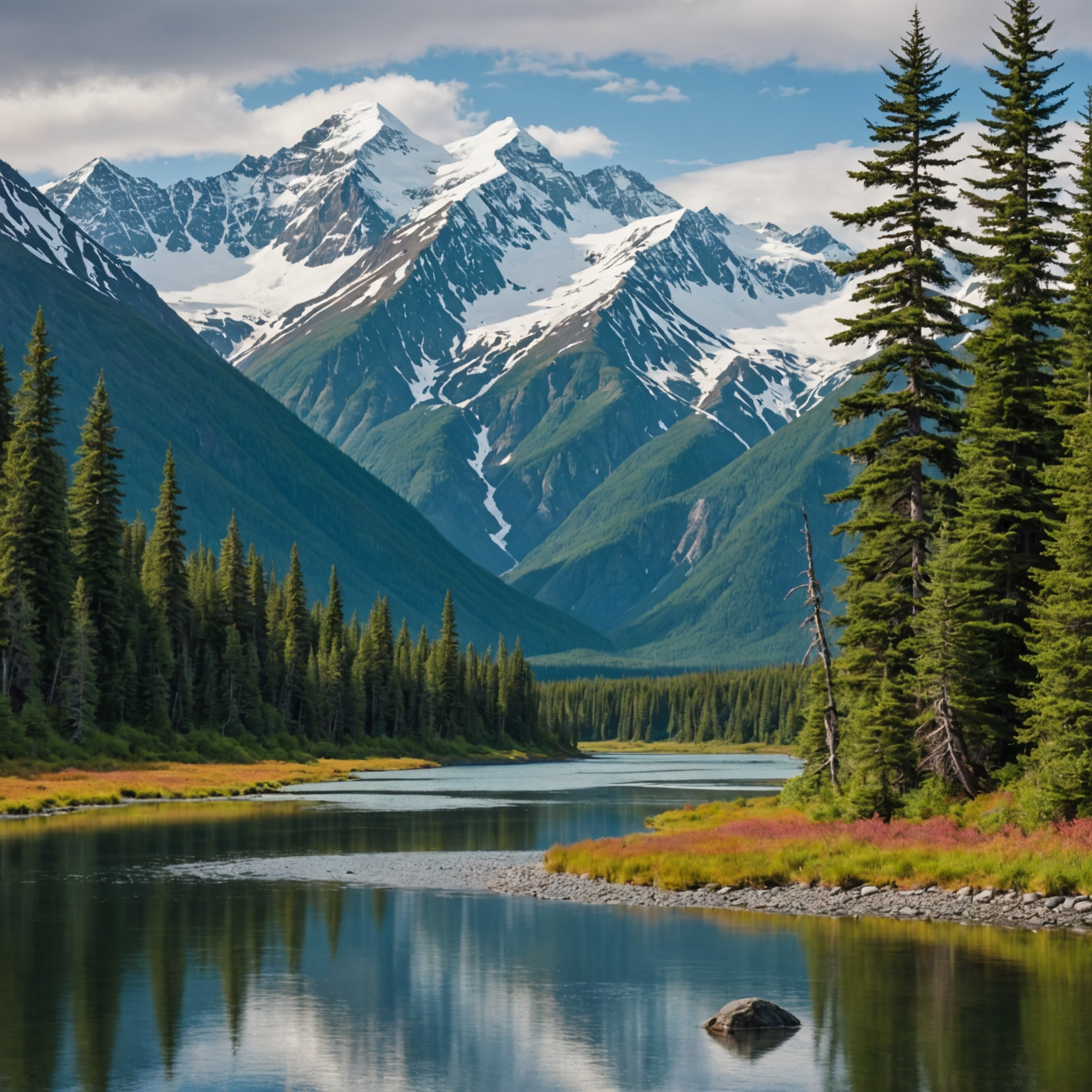
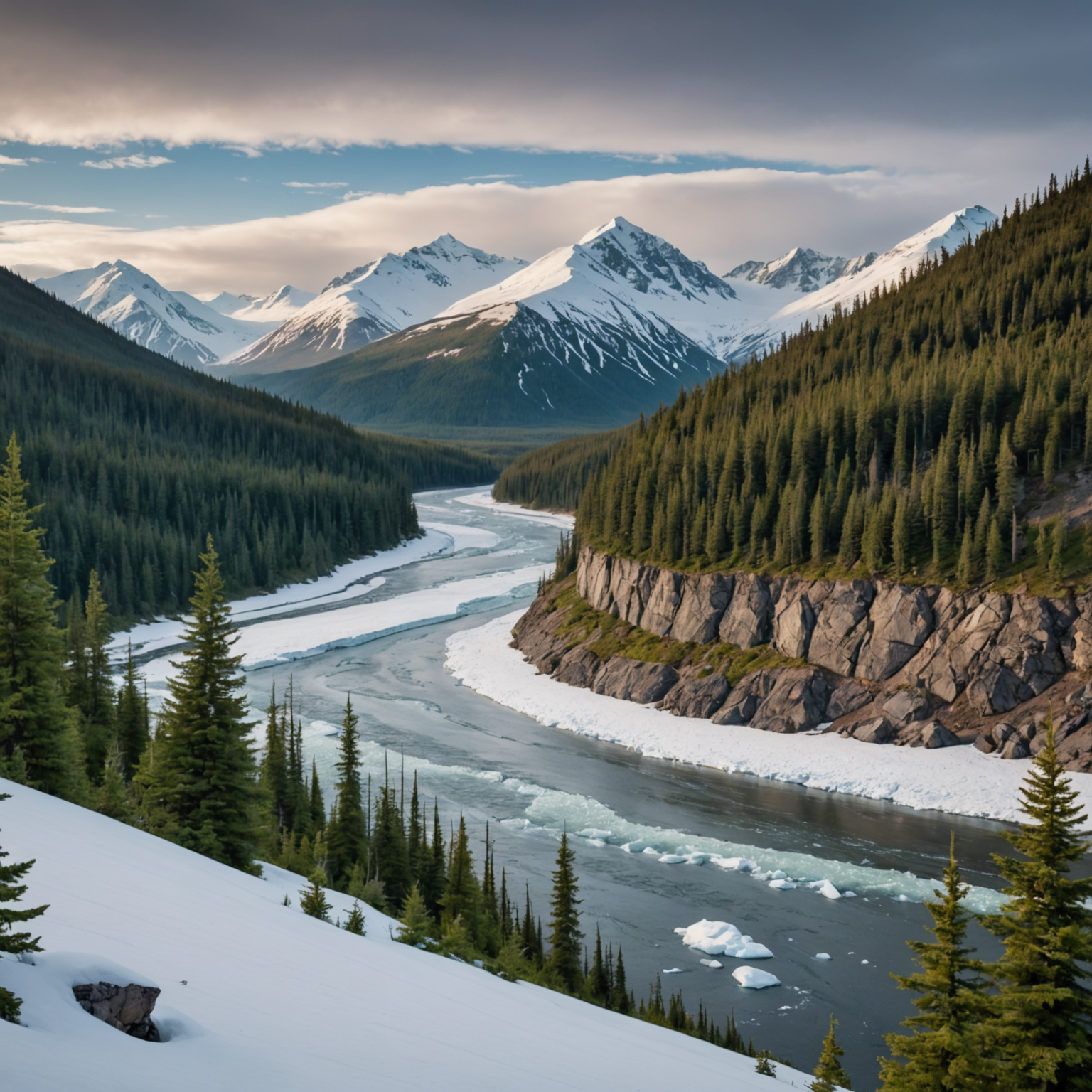
Alaska’s challenging environment is where the De Havilland DHC-2 truly shines. From ferrying tourists to remote lodges to delivering essential supplies to isolated villages, the Beaver is an integral part of Alaskan life. Its ability to navigate the state’s rugged terrain and unpredictable weather conditions makes it an invaluable asset for both commercial and recreational aviation.
For visitors planning a trip to Alaska, experiencing a flight in a Beaver is a unique opportunity to witness the breathtaking landscapes from an exceptional vantage point. Whether you’re exploring the vast expanses of Denali National Park or embarking on a thrilling adventure with one of the best Anchorage day tours, the Beaver offers an unforgettable experience.
The Legacy of the Beaver
The enduring legacy of the De Havilland DHC-2 Beaver is a testament to its exceptional design and capabilities. Over 1,600 Beavers were produced between 1947 and 1967, and many of these aircraft are still in operation today, a testament to their durability and reliability. The Beaver has secured its place in aviation history as one of the most successful bush planes ever built.
In recognition of its significant contributions to aviation, the DHC-2 Beaver was honored with an Engineering Heritage Award by the Institution of Mechanical Engineers. Its legacy continues to inspire new generations of pilots and aviation enthusiasts who admire its rugged charm and dependable performance.

Conclusion
The De Havilland DHC-2 Beaver is more than just an aircraft; it is a symbol of resilience and adaptability. Its ability to conquer the harshest environments and perform under the most challenging conditions has made it a beloved icon in the world of aviation. For those visiting Alaska, experiencing a flight in a Beaver is not only a journey through the skies but also a journey through history. Whether you’re planning to see the Northern Lights or embark on a dog sled adventure, the Beaver is a testament to the spirit of exploration and adventure.
[spronix_cta key=”helicopter-adventures”]
FAQ
What makes the De Havilland DHC-2 Beaver unique?
The DHC-2 Beaver is renowned for its STOL capabilities, allowing it to operate on short and rugged airstrips. Its versatility to be equipped with wheels, skis, or floats enables it to function in diverse environments, making it ideal for regions like Alaska.
How many De Havilland DHC-2 Beavers are still in operation?
Despite being out of production since 1967, many DHC-2 Beavers remain in operation today. Their durability and reliable performance continue to make them a preferred choice for bush pilots.
Can the Beaver be used for passenger flights?
Yes, the Beaver can accommodate up to seven passengers and is frequently used for sightseeing tours and transport to remote locations, offering a unique experience for travelers.
What engine powers the De Havilland DHC-2 Beaver?
The Beaver is powered by a Pratt & Whitney R-985 Wasp Junior radial engine, known for its reliability and power, crucial for the aircraft’s STOL capabilities.
Where can I experience a flight in a De Havilland DHC-2 in Alaska?
Visitors to Alaska can book flights on a Beaver as part of various Anchorage day tours or wilderness adventures, offering a chance to explore the state’s stunning landscapes.
Why is the Beaver considered ideal for Alaskan conditions?
Its robust design, adaptability to various configurations, and ability to handle extreme weather conditions make the Beaver ideal for the challenging environment of Alaska.
How has the DHC-2 Beaver contributed to aviation history?
The Beaver’s success in bush flying operations and its enduring legacy have solidified its place in aviation history, celebrated for its engineering excellence and resilience.
What are some popular destinations accessible by Beaver in Alaska?
The Beaver is often used to access remote areas like Denali National Park and other secluded spots, offering adventures such as snowmobile tours and wildlife viewing.