Introduction
The De Havilland Beaver is more than just a plane; it’s a symbol of adventure in the Alaskan skies. Known for its robust design and versatility, this aircraft has been a staple in the aviation industry since its inception in 1947. Today, it continues to serve as a vital link for remote communities and an awe-inspiring way to experience Alaska’s breathtaking landscapes. In this blog post, we’ll explore the history, features, and enduring legacy of the De Havilland Beaver, while highlighting how you can embark on your own seaplane adventure in Alaska.
[spronix_cta key=”helicopter-adventures”]
A Brief History of the De Havilland Beaver
The De Havilland Beaver was first developed by the Canadian company De Havilland Aircraft Company of Canada Ltd. Its design was primarily influenced by the needs of bush pilots who required an aircraft capable of short takeoffs and landings on rugged terrain and water. The Beaver quickly became the aircraft of choice for Canadian bush pilots and was soon adopted worldwide for its unparalleled performance.
During its production run from 1947 to 1967, over 1,600 units were built, and many are still in operation today. The aircraft’s reliability and adaptability have made it a favorite not only among pilots but also among adventurers seeking to explore the vast wilderness of places like Alaska.
Technical Features and Capabilities
The De Havilland Beaver is renowned for its STOL (Short Takeoff and Landing) capabilities, making it perfect for accessing remote areas with limited infrastructure. Equipped with a Pratt & Whitney R-985 Wasp Junior radial engine, it delivers a remarkable blend of power and efficiency. The Beaver’s rugged construction, which includes a robust airframe and high-lift wings, allows it to carry substantial loads while maintaining stability and control.
Versatility in Design
One of the standout features of the Beaver is its versatility. It can be outfitted with wheels, skis, or floats, allowing it to operate on land, snow, or water. This adaptability makes it an ideal choice for diverse environments, from the snowy expanses of Alaska to the densely forested regions of Canada.
Exploring Alaska with the De Havilland Beaver
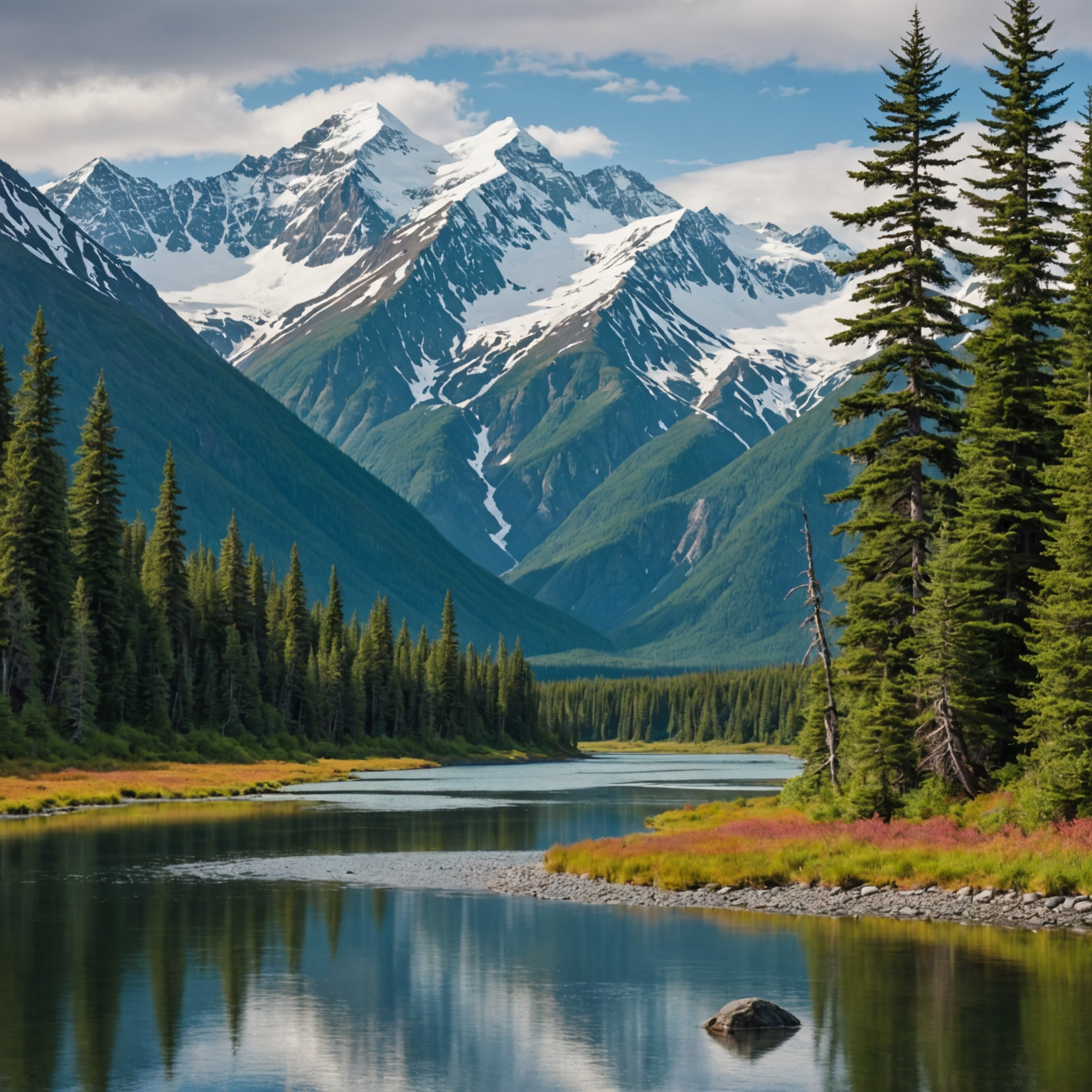
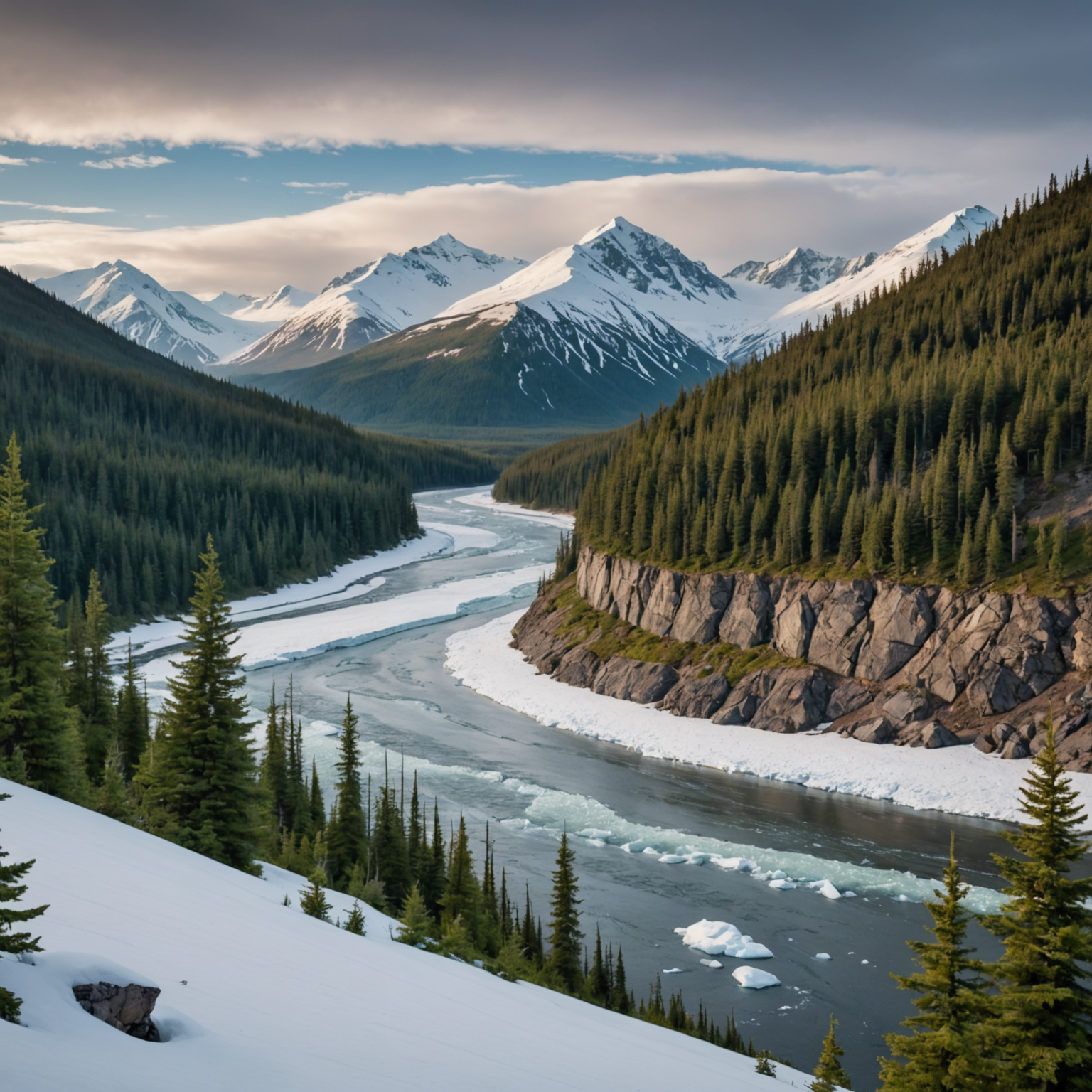
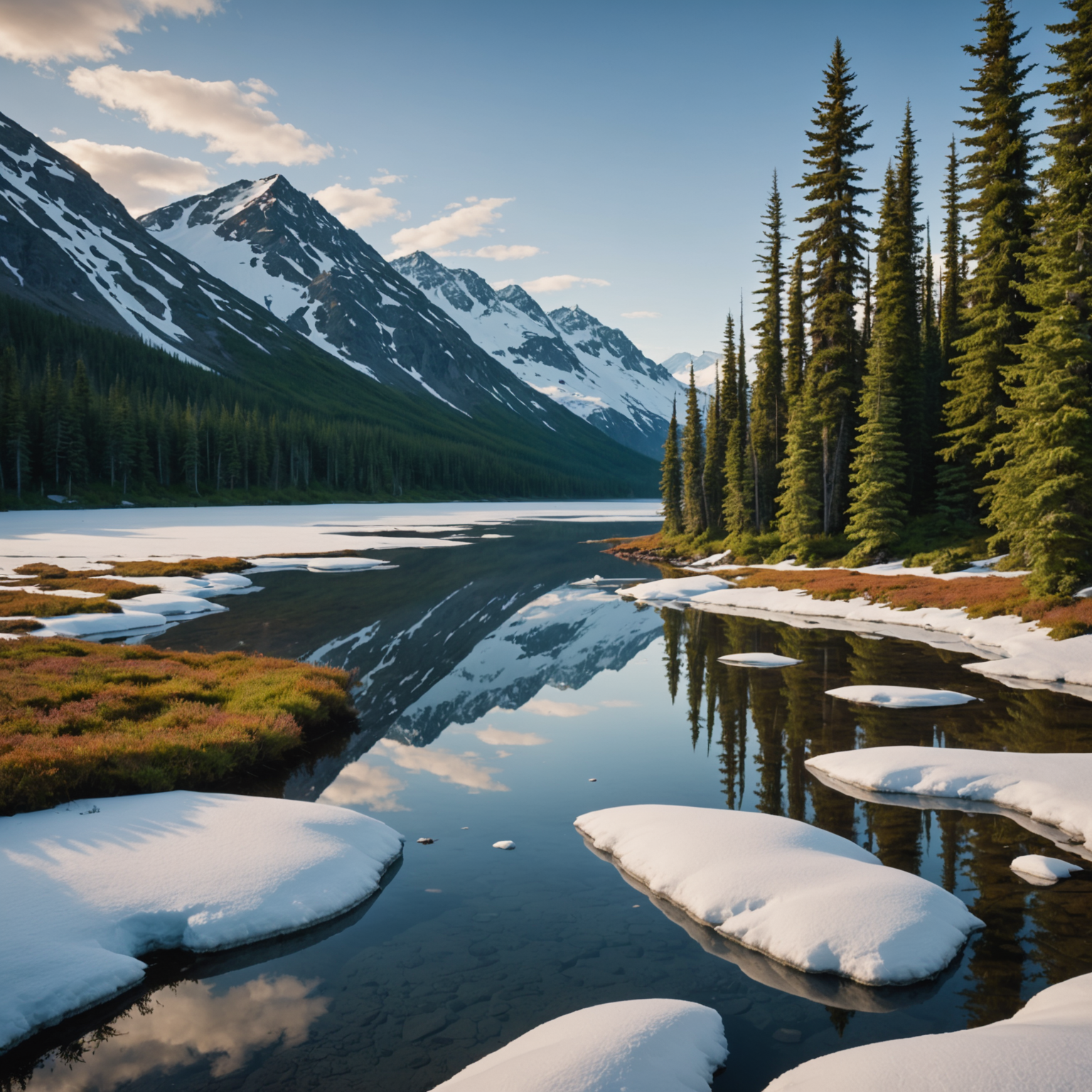
For those seeking to experience Alaska’s magnificent landscapes, a flight aboard a De Havilland Beaver offers an unmatched perspective. These seaplane adventures provide access to remote locations that are otherwise difficult to reach, such as secluded lakes, towering glaciers, and pristine wilderness areas.
Popular Destinations
Some popular destinations accessible by De Havilland Beaver include Denali National Park, with its towering peaks and diverse wildlife, and the Kenai Fjords, where dramatic glaciers meet the sea. These flights often include opportunities to witness Alaska’s rich fauna, including bears, moose, and bald eagles, in their natural habitats. For those interested in learning more about these regions, websites such as Travel Alaska and NPS Denali provide valuable information.
Timing Your Adventure
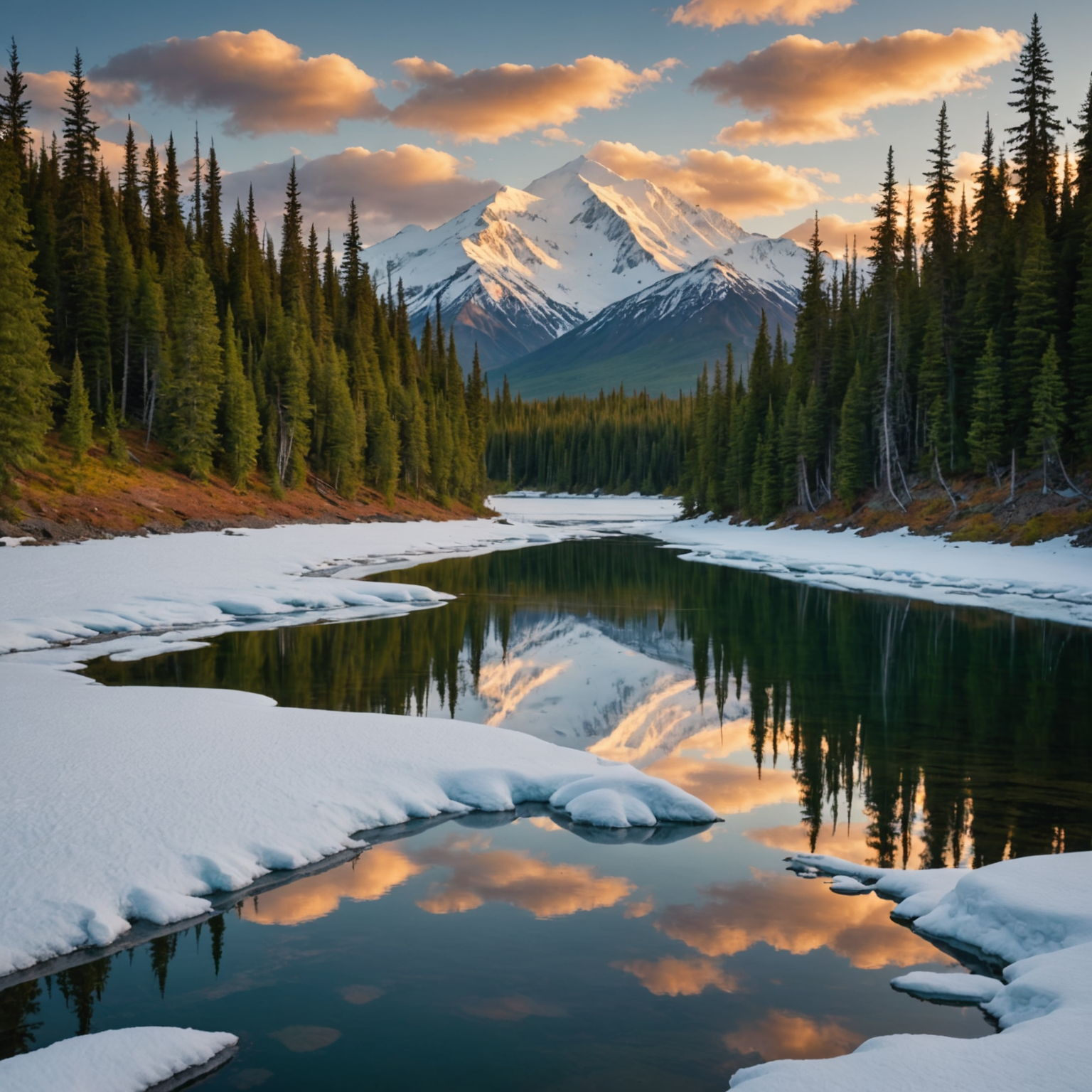
The best time to embark on a De Havilland Beaver adventure in Alaska often coincides with optimal viewing periods for natural phenomena like the Northern Lights. To maximize your experience, consider aligning your trip with advice from resources like Best Time of Year to See Northern Lights in Alaska. This ensures that your journey is enriched by both scenic beauty and celestial wonders.
The Legacy of the De Havilland Beaver
The De Havilland Beaver’s enduring legacy is a testament to its design and functionality. Even decades after its production ceased, the aircraft remains in service, cherished by pilots and adventurers alike for its reliability and performance. Its continued use in Alaska and other remote areas highlights its importance as a tool for exploration and connectivity.
For those interested in the broader context of Alaskan adventures, including dog sledding and other unique experiences, you can explore options like Dog Sledding Ice Fishing Combo and Guide to Dog Sledding in Willow, Alaska.
Conclusion
The De Havilland Beaver is more than just a plane; it’s a gateway to adventure and discovery. Its storied history and exceptional capabilities make it an integral part of Alaska’s aviation landscape. Whether you’re a seasoned explorer or a curious traveler, a journey aboard a Beaver offers a unique opportunity to experience the rugged beauty of Alaska from above. As you plan your next adventure, consider how this iconic aircraft can enhance your exploration of the Last Frontier.
[spronix_cta key=”helicopter-adventures”]
FAQ
What makes the De Havilland Beaver ideal for Alaskan adventures?
The Beaver’s STOL capabilities, versatility in design, and robust construction make it perfect for accessing remote and rugged areas in Alaska.
Can the De Havilland Beaver land on water?
Yes, the Beaver can be equipped with floats, allowing it to land on water, making it a popular choice for seaplane adventures in Alaska.
How many De Havilland Beavers are still in use today?
Despite production ending in 1967, many Beavers are still operational, particularly in regions like Alaska where their capabilities are in high demand.
What are some popular destinations accessible by De Havilland Beaver in Alaska?
Denali National Park and Kenai Fjords are among the popular destinations, offering stunning natural beauty and unique wildlife viewing opportunities.
When is the best time to fly in a De Havilland Beaver in Alaska?
The best time often coincides with the optimal periods for viewing the Northern Lights, enhancing the adventure with celestial wonders.
Where can I learn more about Alaskan adventures and the De Havilland Beaver?
Websites like Travel Alaska and Snowhook Adventures offer extensive information on planning your adventure.
Is it safe to fly in a De Havilland Beaver?
Yes, the Beaver is known for its sturdy design and reliability, making it a safe choice for exploring remote areas.
What should I bring on a De Havilland Beaver adventure?
It’s recommended to bring weather-appropriate clothing, a camera for capturing stunning views, and any necessary travel documents or permits as advised by Travel Alaska.