Introduction
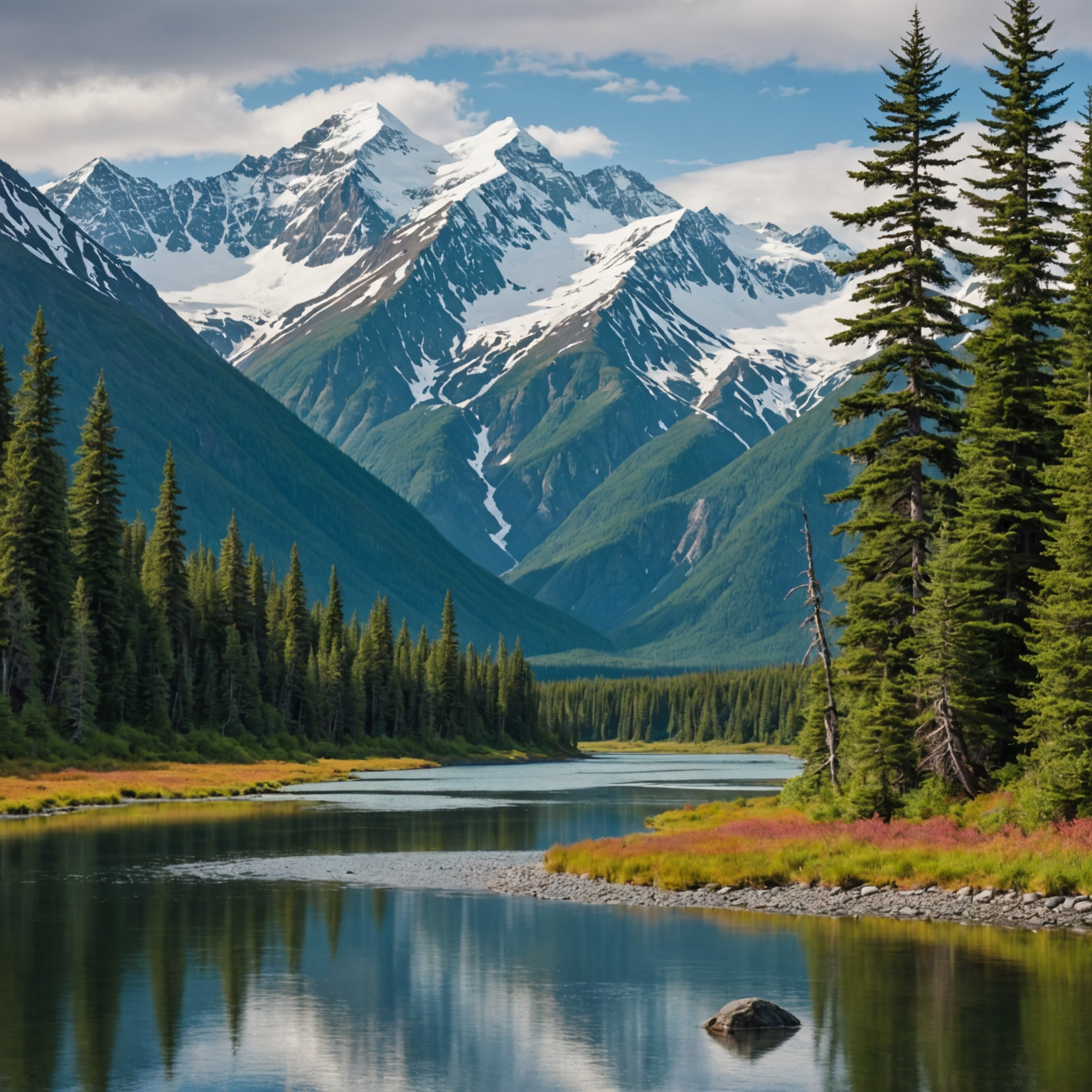
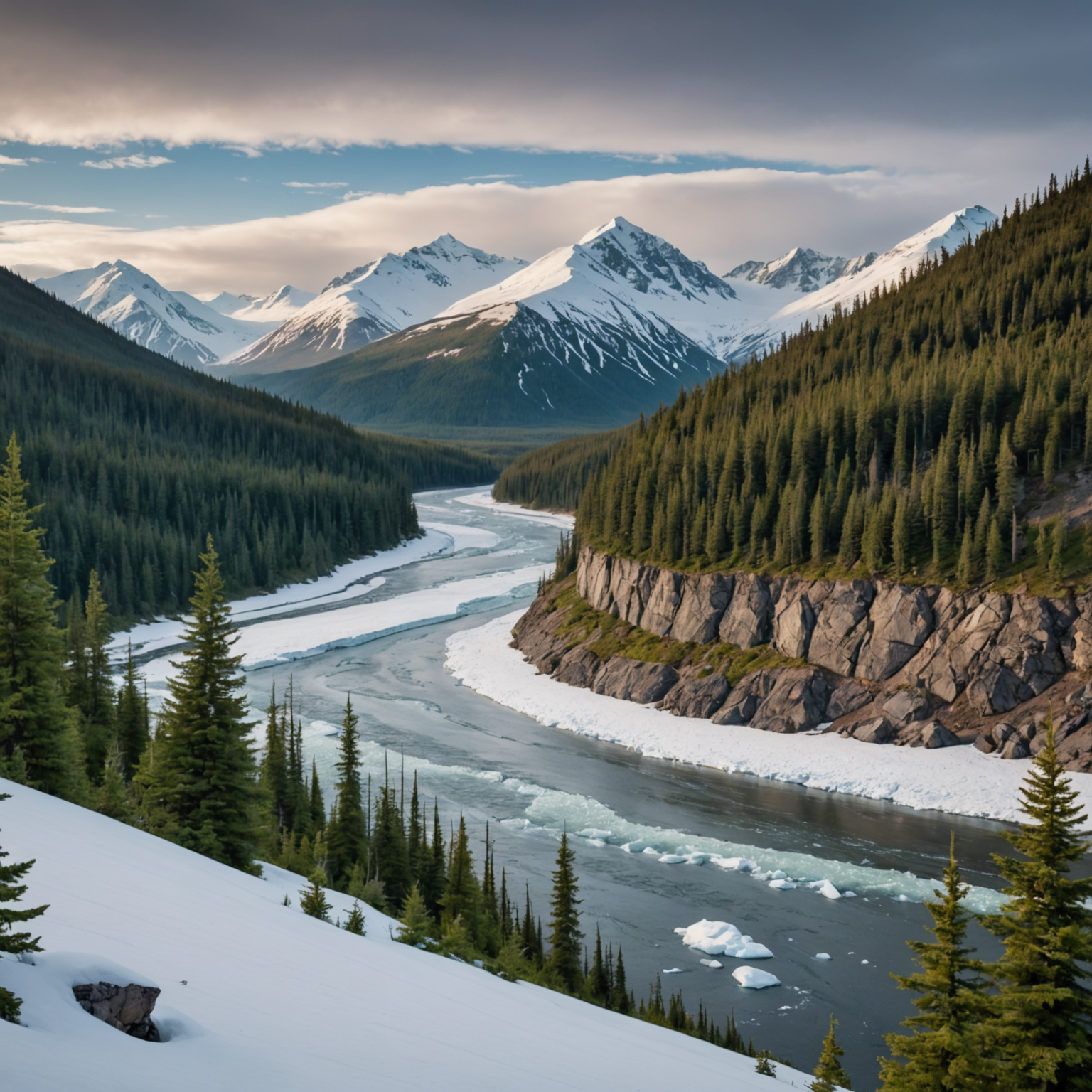
Alaska, the largest state in the United States, is a land of superlatives: vast wilderness, towering mountains, and an intricate tapestry of cultures that are as diverse and dynamic as the landscape itself. Understanding what the culture is like in Alaska requires delving into its rich indigenous history, the influence of Russian colonization, and the modern-day blend of outdoor adventure and community spirit that defines local life. This blog post explores these elements to provide a comprehensive look at Alaskan culture and how it shapes the lives of those who call this majestic place home.
[spronix_cta key=”winter-adventures”]
Indigenous Heritage
Alaska’s cultural roots are deeply embedded in the traditions of its indigenous peoples, who have called this region home for thousands of years. The state is home to 11 distinct Native groups, each with its own unique traditions, languages, and lifestyles. The Inupiat and Yupik in the north, the Aleut along the Aleutian Islands, and the Tlingit, Haida, and Tsimshian in the southeast are just a few examples of the rich tapestry of cultures that make up Alaska’s indigenous heritage.
These communities have maintained a deep connection to the land and sea, relying on subsistence activities such as fishing, hunting, and gathering to sustain their way of life. Traditional practices, like the potlatch—a communal gathering involving feasting and dancing—remain integral to cultural identity and community bonding. Visitors interested in learning more about these traditions can explore the Alaska Native Heritage Center in Anchorage, which offers immersive experiences and educational programs.
Russian Influence
The Russian colonization of Alaska in the 18th century left a lasting mark on the state’s cultural landscape. Russian Orthodox Christianity spread throughout the region, influencing the architecture and religious practices of many communities. The onion-domed churches found in towns like Sitka are a testament to this era. Today, Russian cultural influences are celebrated in events such as the Sitka Summer Music Festival, which highlights the shared heritage through music and dance.
Outdoor Adventures and Modern Alaskan Life
Modern Alaskan culture is heavily influenced by its environment, with outdoor adventure being a key component of local life. The state’s vast wilderness areas provide endless opportunities for activities like hiking, fishing, and snowmobiling. For example, the Denali Glacier Snowmobile Adventure offers an exhilarating way to explore the stunning glacial landscapes of Denali National Park.
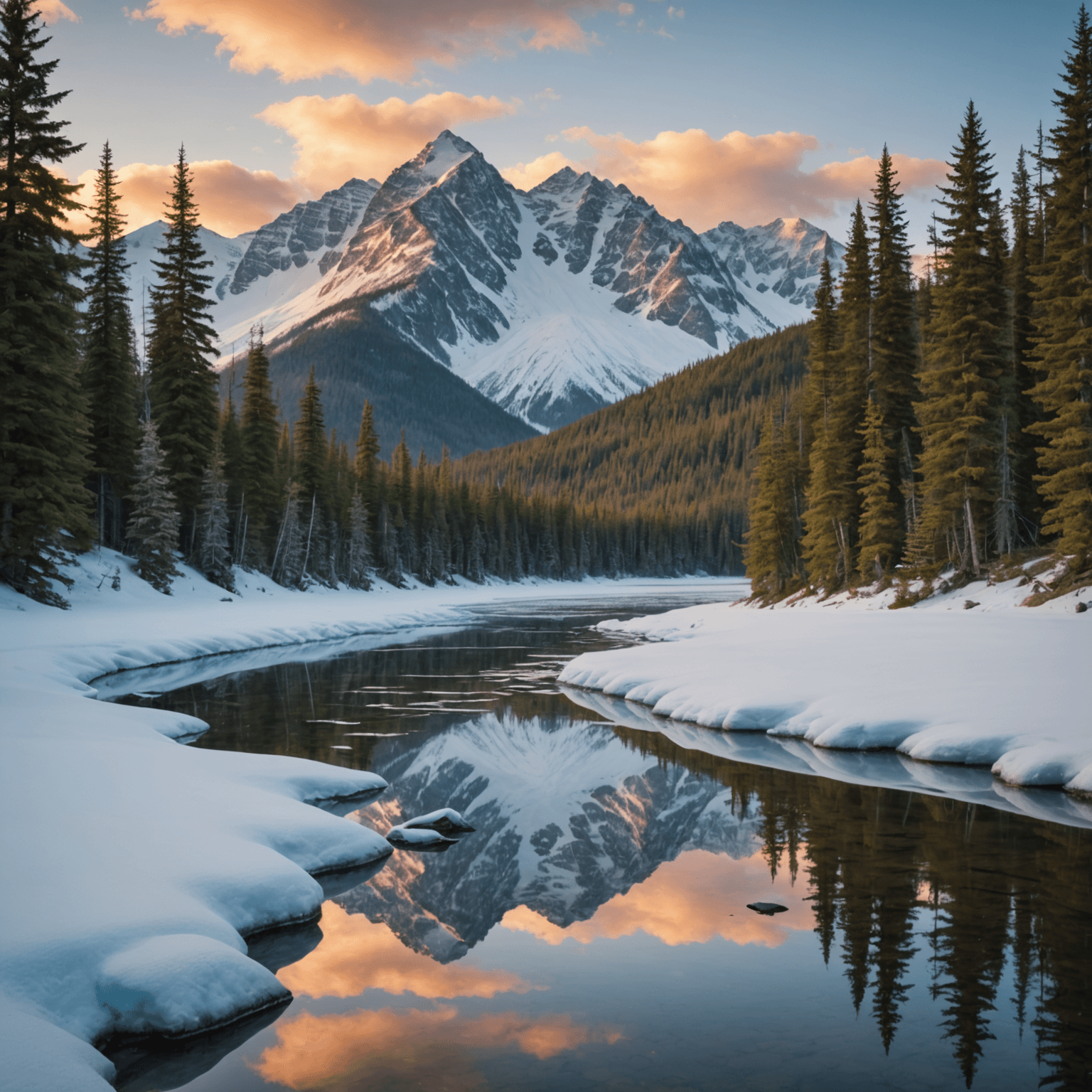
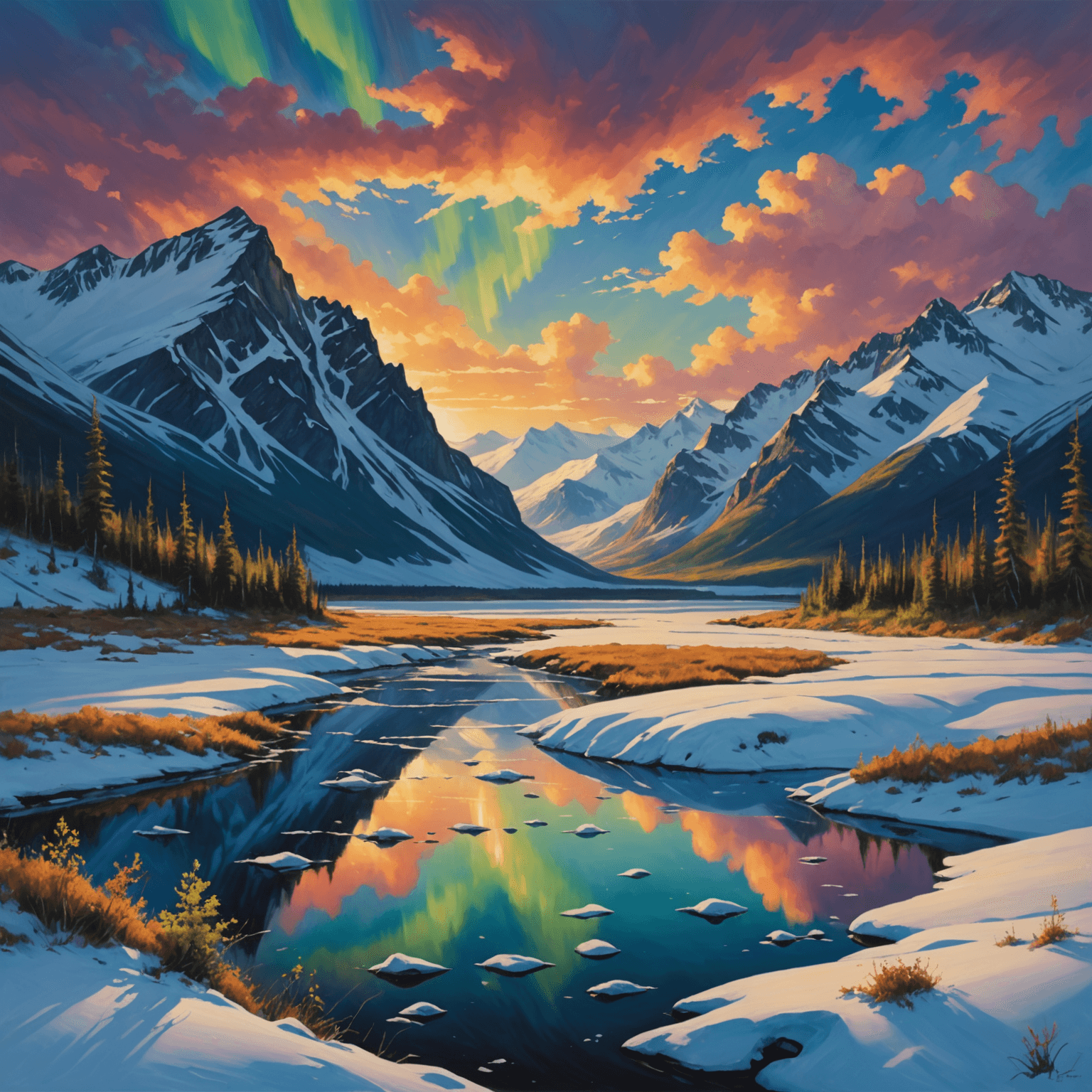
The midnight sun and northern lights add a touch of magic to the Alaskan experience. The long summer days offer unique opportunities for late-night hikes and wildlife viewing, while winter brings the chance to witness the aurora borealis in all its glory. To plan an adventure around these natural phenomena, check out the aurora forecast provided by the Geophysical Institute.
Community and Festivals
Alaskans are known for their strong sense of community and resilience. The state’s remote and rugged nature fosters a spirit of self-reliance and cooperation among its residents. This communal spirit is often celebrated through festivals and events that bring people together to share in their unique cultural expressions.
The Iditarod Trail Sled Dog Race, for example, is a quintessential Alaskan event that showcases the state’s dog mushing heritage. Visitors can experience this firsthand through dog sled rides that offer a glimpse into this exhilarating sport. Other popular events include the Alaska State Fair and the World Ice Art Championships, which highlight the creativity and talent of local artists.
Conclusion
Alaska’s culture is a captivating blend of indigenous traditions, historical influences, and modern-day adventures, all set against the backdrop of one of the world’s most stunning natural landscapes. Whether you’re exploring the state’s rich indigenous heritage, experiencing the thrill of outdoor activities, or immersing yourself in the vibrant community events, Alaska offers a cultural experience unlike any other. To fully appreciate what the culture is like in Alaska, one must embrace the state’s unique blend of past and present, wilderness and community.
[spronix_cta key=”winter-adventures”]
FAQ
What is the most popular cultural event in Alaska?
The Iditarod Trail Sled Dog Race is one of the most popular and culturally significant events in Alaska, drawing participants and spectators from around the world.
How has Russian colonization influenced Alaskan culture?
Russian colonization introduced Orthodox Christianity and architecture, evident in the onion-domed churches and cultural celebrations, such as the Sitka Summer Music Festival.
What outdoor activities are popular in Alaska?
Popular outdoor activities include hiking, fishing, snowmobiling, and dog sledding. For a unique experience, consider a Dog Sled and ATV Adventure Tour that combines these exciting activities.
Are there opportunities to learn about indigenous cultures in Alaska?
Yes, the Alaska Native Heritage Center in Anchorage offers educational programs and exhibits about the state’s indigenous cultures.
When is the best time to see the northern lights in Alaska?
The best time to see the northern lights is during the winter months, from September to April, when the nights are longest and darkest. Check the aurora forecast for optimal viewing times.
What is the significance of the potlatch in indigenous Alaskan culture?
The potlatch is a traditional gathering that involves feasting, dancing, and gift-giving, serving as a way to celebrate life events and maintain community ties.
How can I experience Alaskan festivals and events?
Research local events and plan your visit around them. The Travel Alaska website provides a comprehensive calendar of events and festivals throughout the state.