Introduction
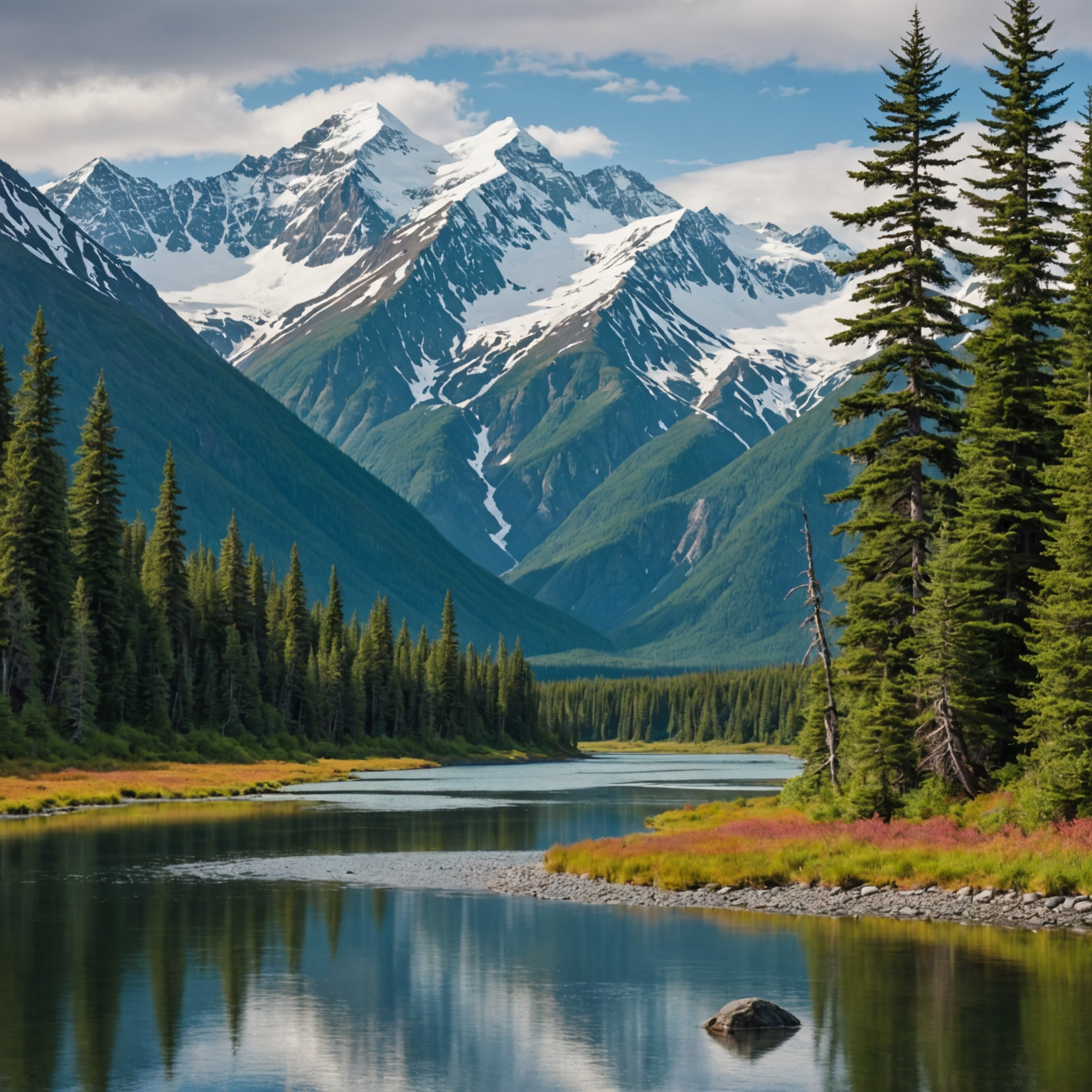
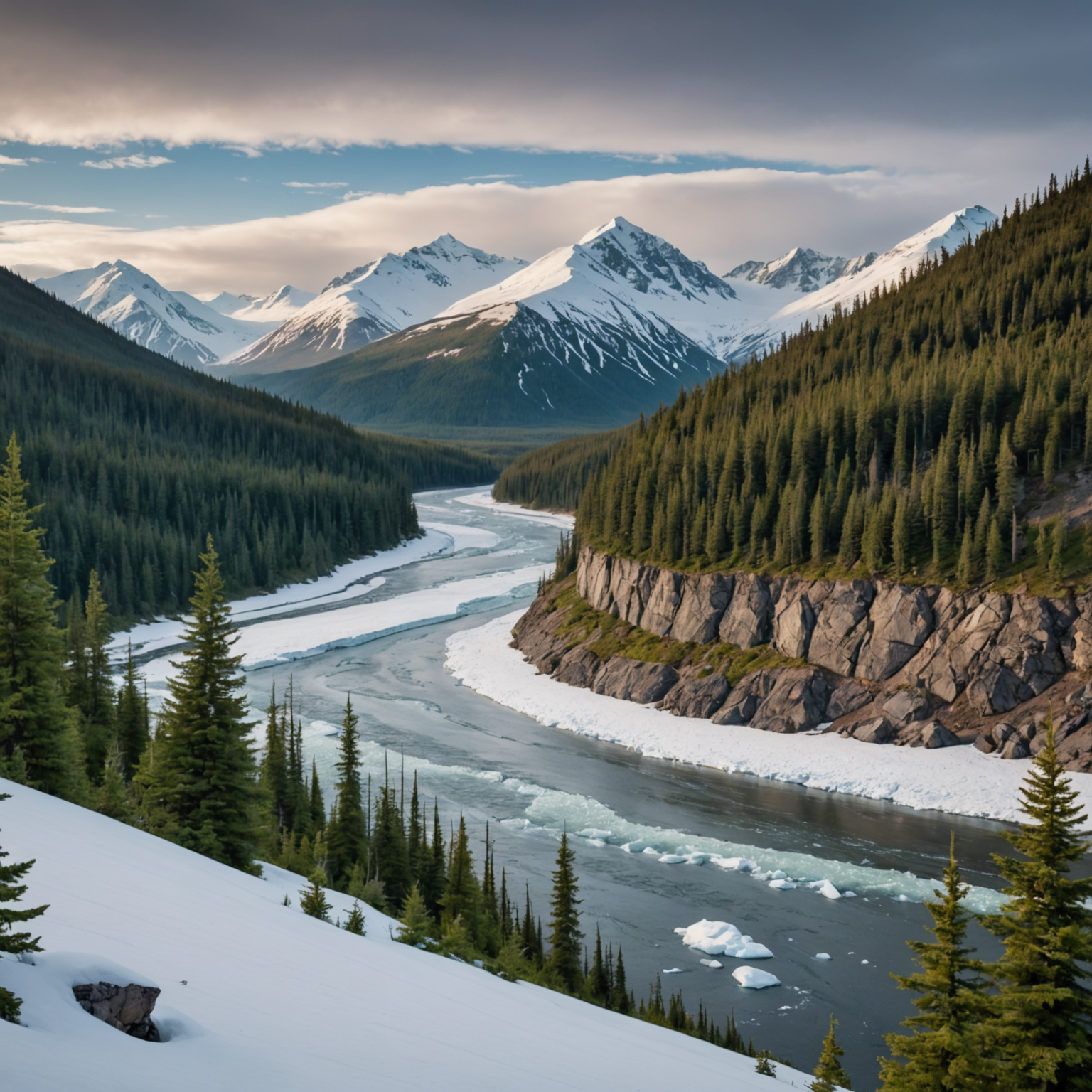
The wilds of Alaska present a unique and intriguing habitat for a variety of wildlife, including two of its most formidable predators—the cougar and the grizzly bear. Both species are iconic representations of the wilderness, yet they differ significantly in terms of habitat, behavior, and physical characteristics. This blog post will delve into a detailed comparison of the cougar vs grizzly bear, exploring their respective adaptations and roles in Alaska’s rugged ecosystem.
[spronix_cta key=”wildlife”]
Physical Characteristics
Cougar
The cougar, also known as the mountain lion or puma, is a large feline that is renowned for its agility and stealth. Adult cougars typically weigh between 64 to 220 pounds, with males usually being larger than females. They have a lean, muscular build that enables them to leap distances of up to 20 feet. Their fur ranges from tawny to grayish, providing excellent camouflage in their natural habitat.
Grizzly Bear
Grizzly bears are one of the largest bear species, with adult males weighing between 400 to 790 pounds, and females typically ranging from 290 to 400 pounds. They are distinguished by their prominent shoulder hump, a mass of muscles used for digging and strength. The color of their fur can vary widely, from dark brown to blond, which can sometimes create confusion with other bear species.
Habitat and Range
Cougar
In Alaska, cougars are less commonly seen than grizzly bears and are usually found in the southeastern regions of the state. Their habitat ranges from dense forests to mountainous areas, where they can find ample cover and prey. Cougars are solitary and territorial animals, often covering large territories to hunt and roam.
Grizzly Bear
Grizzly bears are more widely distributed across Alaska, inhabiting a range of environments from coastal regions to the interior mountains. They are often found in national parks like Katmai National Park, where they can be observed fishing for salmon in rivers. Grizzlies are not strictly territorial but have large home ranges that overlap with those of other bears.
Diet and Hunting Behavior
Cougar
Cougars are carnivorous predators that primarily hunt deer, but they are also known to prey on smaller animals such as rabbits and birds. They are ambush hunters, relying on stealth and the element of surprise to capture their prey. Cougars are mostly nocturnal, which helps them avoid competition with other predators.
Grizzly Bear
Grizzly bears are omnivores with a highly varied diet. They consume everything from berries and nuts to fish and small mammals. During the salmon spawning season, grizzlies can often be seen fishing in rivers and streams. Unlike cougars, grizzlies are more opportunistic feeders and will scavenge when the opportunity arises.
Behavior and Social Structure
Cougar
Cougars are solitary creatures except during mating season or when a mother is raising her cubs. They communicate with a range of vocalizations, body language, and scent markings. Highly territorial, cougars mark their range with scrapes and scratches on trees.
Grizzly Bear
Grizzly bears are generally solitary but can be seen congregating in areas with abundant food, such as salmon streams or berry patches. Social interactions are mostly limited to mothers with cubs or during the mating season. Grizzlies communicate through vocalizations, body postures, and scent marking.
Interaction with Humans
Cougar
Human encounters with cougars in Alaska are rare, primarily due to their elusive nature. However, as human populations expand into wild areas, the potential for interactions increases. It is important for those living in cougar habitats to be aware of safety guidelines.
Grizzly Bear
Grizzly bears are more frequently encountered by humans, especially in popular tourist areas like Denali National Park. Visitors are advised to follow safety protocols, such as carrying bear spray and making noise to avoid surprising a bear.
Conclusion
The comparison between cougars and grizzly bears highlights the diverse adaptations and behaviors that allow these apex predators to thrive in Alaska’s wilderness. While both species play crucial roles in their ecosystems, their differences in physical characteristics, habitat preferences, and social behavior offer fascinating insights into the complexities of Alaskan wildlife. For those interested in exploring Alaska’s wild side, understanding these creatures is essential to appreciating the natural beauty and complexity of this remarkable land.
[spronix_cta key=”wildlife”]
FAQ
What is the main difference between a cougar and a grizzly bear?
The primary difference lies in their size, habitat, and diet. Grizzly bears are much larger and have a more varied diet, while cougars are smaller and primarily hunt deer.
Where in Alaska can you see grizzly bears?
Grizzly bears can be seen in several locations, including Katmai National Park and Denali National Park, where they are often visible during salmon runs.
Are cougars dangerous to humans?
While attacks are rare, cougars are potentially dangerous. It’s important to be cautious and aware of your surroundings in cougar habitats.
How can you stay safe in grizzly bear country?
Visitors should carry bear spray, make noise to avoid surprise encounters, and follow park guidelines when in grizzly bear habitats.
Do grizzly bears and cougars compete for food?
While both are apex predators, they have different primary food sources. Grizzlies are omnivores, whereas cougars focus on hunting deer, reducing direct competition.
What should you do if you see a cougar or grizzly bear in the wild?
Stay calm, do not run, and slowly back away. If the animal approaches, make yourself appear larger and speak firmly.
How do cougars impact their ecosystem?
As apex predators, cougars help control the population of prey species, maintaining a balanced ecosystem.
Are there tours available to see these animals safely?
Yes, guided tours are available in places like Denali National Park and can provide safe opportunities to observe these magnificent creatures.