[spronix_cta key=”northern-lights-adventures”]
Can You See Northern Lights in Summer in Alaska?
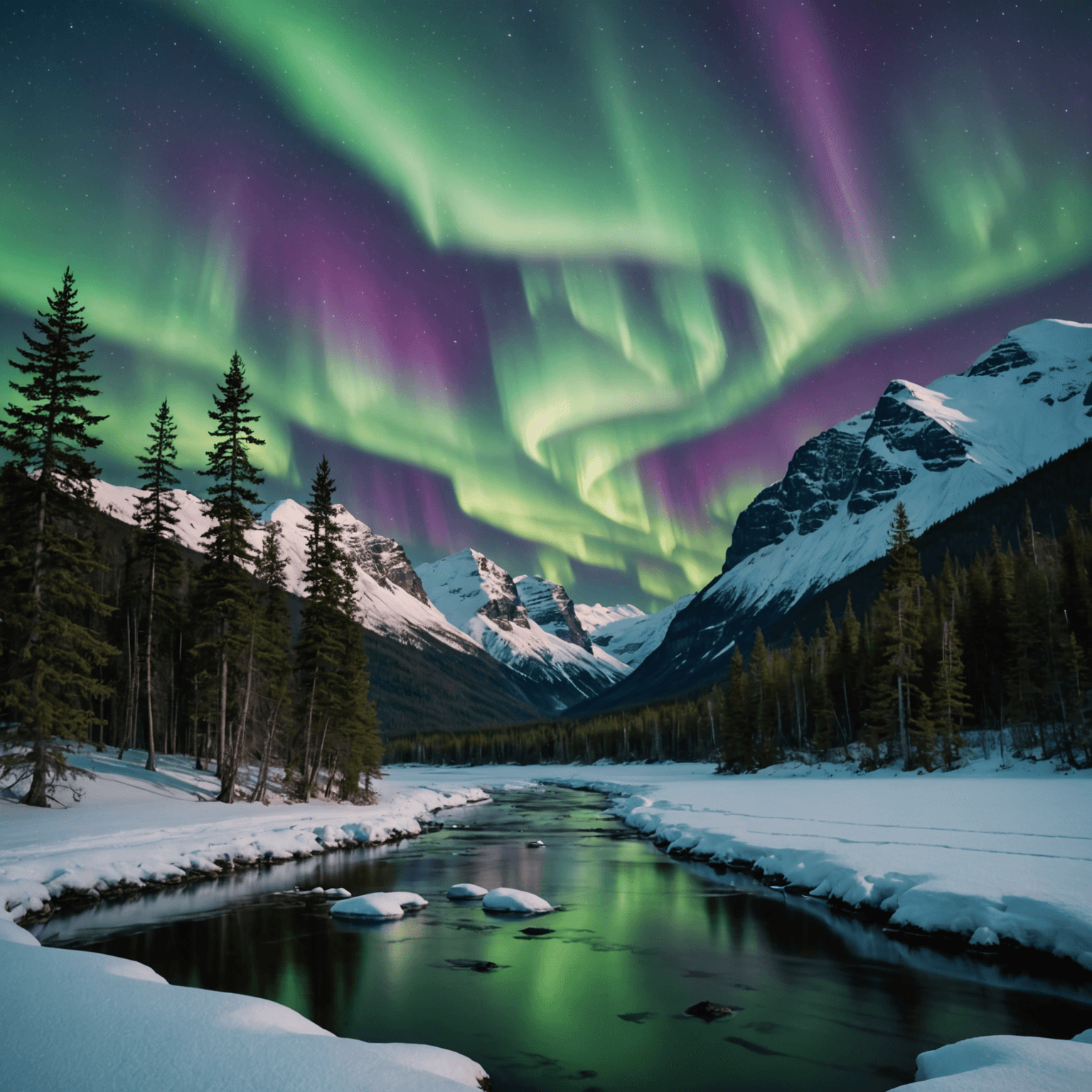
The Northern Lights, or aurora borealis, are a captivating natural phenomenon that attracts travelers from all over the world to the vast landscapes of Alaska. Known for their vibrant colors and ethereal glow, the Northern Lights are often associated with the cold, dark nights of winter. However, many wonder: can you see northern lights in summer in Alaska? This guide explores the chances of witnessing this breathtaking display during the summer months and why the fall and winter seasons are generally preferred for aurora viewing.
Understanding the Northern Lights
Before diving into the seasonal specifics, it’s essential to understand what causes the Northern Lights. The aurora borealis occurs when charged particles from the sun collide with gases in Earth’s atmosphere. This interaction creates the stunning light displays that can be seen near the polar regions.
The intensity and frequency of the Northern Lights depend on solar activity, which is why scientists use tools like the aurora forecast to help predict when and where the lights might be visible. Knowing the science behind the auroras can enhance your viewing experience, whether you’re in Alaska in the summer or another season.
Can You See Northern Lights in Summer?
In short, seeing the Northern Lights in Alaska during summer is possible, but it’s rare. The primary reason is not the lack of aurora activity but the extended daylight hours that summer brings. As Alaska experiences the Midnight Sun phenomenon, darkness is limited, making it difficult to see the auroras, which require a dark sky for visibility.
Summer in Alaska: Midnight Sun
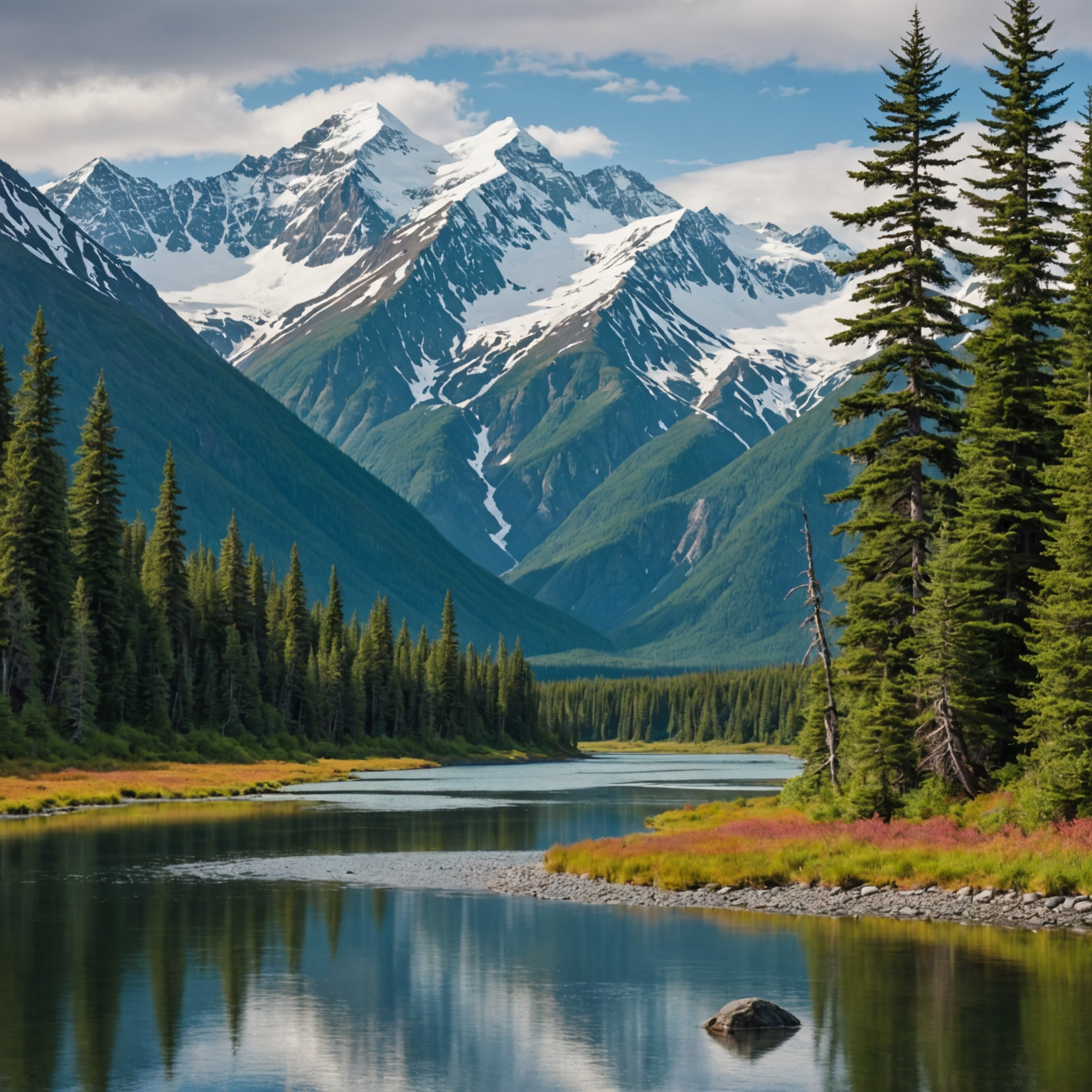
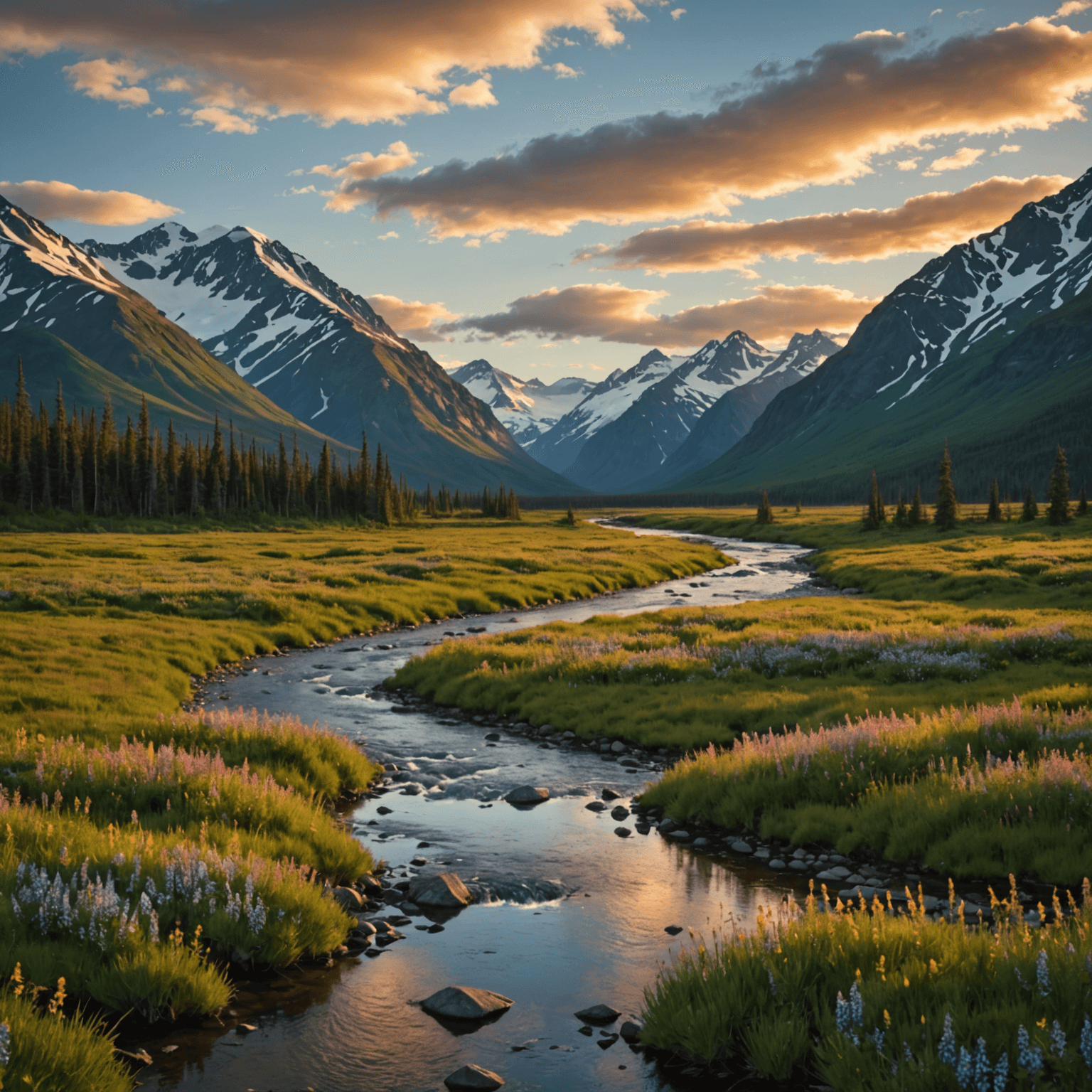
During summer months, Alaska experiences long days, with some areas having up to 24 hours of daylight. This period, known as the Midnight Sun, peaks around the summer solstice in June. The abundance of sunlight during this time significantly reduces the chances of seeing the Northern Lights.
Rare Viewing Opportunities
Although the chances are slim, it is not entirely impossible to witness the auroras in summer. To increase your odds, you would need to be in areas where twilight is longer, such as Fairbanks or the northern regions of Alaska. These regions might experience brief periods of darkness in late August, offering a slight chance of seeing the lights.
For those set on a summer adventure in Alaska, consider exploring daytime activities like ATV adventure tours or an Eklutna e-bike tour. These experiences offer a unique way to enjoy Alaska’s stunning landscapes under the Midnight Sun.
Best Times to See the Northern Lights
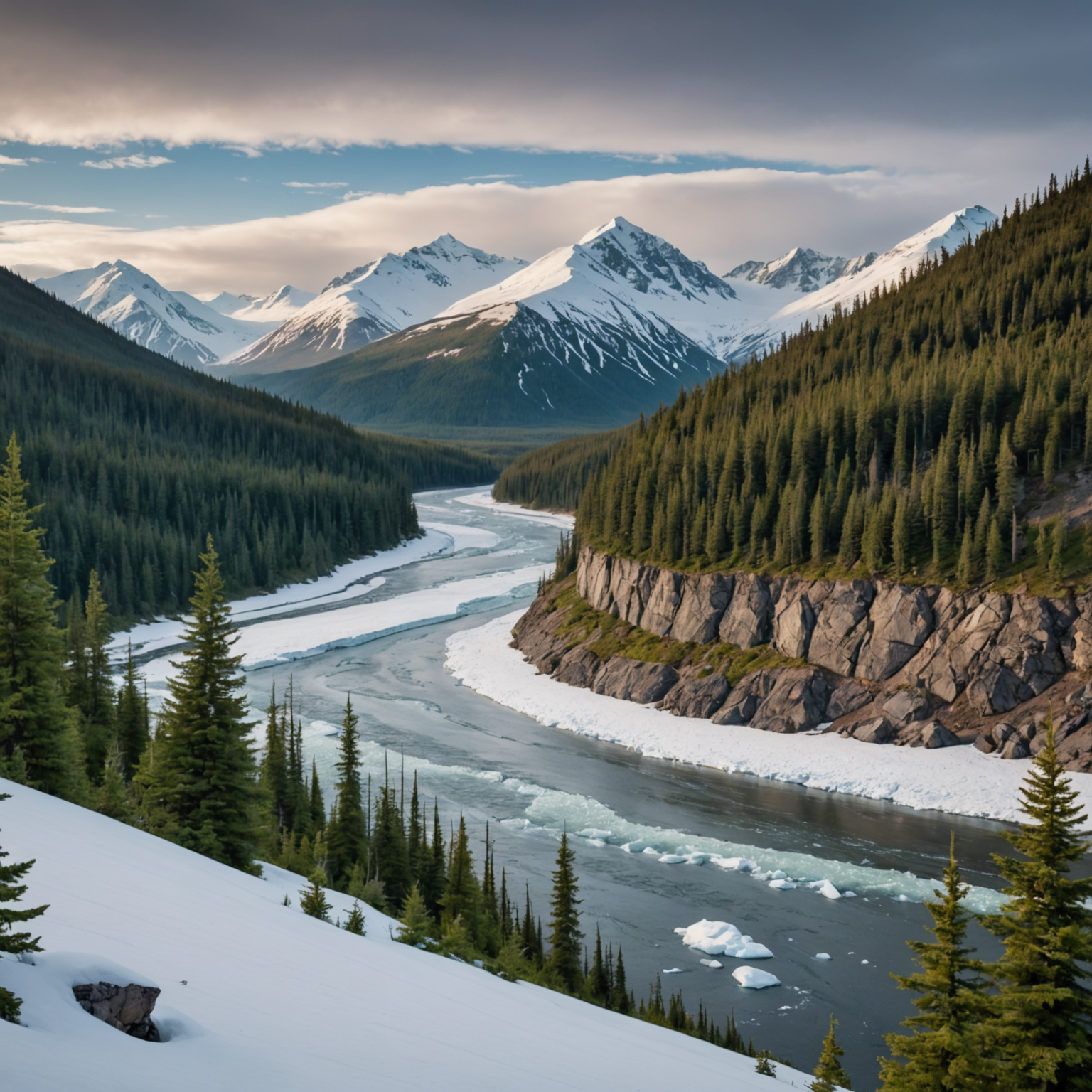
For guaranteed aurora sightings, the fall and winter months are your best bet. The period from late September to early April provides the most optimal conditions for viewing the Northern Lights in Alaska. During these months, the nights are longer, and the skies are darker, allowing the auroras to shine brightly.
Fall and Winter Advantages
Dark Skies: The extended nighttime hours during fall and winter provide the darkness necessary to see the auroras clearly.
Clear Weather: Winter often brings clear skies, especially in interior Alaska, increasing the chances of seeing the Northern Lights.
Aurora Viewing Tours: Many local guides offer specialized glacier and Northern Lights adventures to maximize your viewing experience.
Planning Your Trip
When planning a trip to see the Northern Lights, consider the weather and aurora forecast. Reliable resources like the NOAA Space Weather Prediction Center and local weather services can provide forecasts and tips on the best times to view the auroras.
Conclusion
While seeing the Northern Lights in summer in Alaska is challenging due to the Midnight Sun, the experience of visiting during this season offers other unique opportunities. For those specifically seeking the auroras, planning a trip during the fall or winter months will increase your chances of witnessing this mesmerizing spectacle. Regardless of when you visit, Alaska’s natural beauty and diverse adventures make it a destination worth exploring.
[spronix_cta key=”northern-lights-adventures”]
FAQ
1. Can you see the Northern Lights in Alaska in July?
No, July is typically not a good time to see the Northern Lights in Alaska due to the extended daylight hours of the Midnight Sun.
2. What is the best month to see the Northern Lights in Alaska?
The best months are from late September to early April, when the nights are longest and darkest, providing ideal conditions for aurora viewing.
3. Are there any guided tours for Northern Lights viewing in Alaska?
Yes, there are numerous guided tours available, such as the glacier and Northern Lights adventure, which offer expert insights and optimal viewing locations.
4. Is Fairbanks a good location to see the Northern Lights?
Absolutely, Fairbanks is one of the best places in Alaska to see the Northern Lights, especially during the fall and winter months.
5. Can you see the Northern Lights during the Midnight Sun?
The Midnight Sun significantly reduces the chances of seeing the Northern Lights due to the lack of darkness, making it challenging to view the auroras.
6. What other activities can I do in Alaska if I visit in summer?
In addition to potential aurora sightings, you can enjoy activities like ATV adventure tours and Eklutna e-bike tours.
7. Do I need special equipment to see the Northern Lights?
No special equipment is needed to see the Northern Lights, although a good camera with long exposure capabilities can help capture the experience.
8. How can I check the aurora forecast for Alaska?
You can check the aurora forecast using the NOAA Space Weather Prediction Center or local weather services for the most up-to-date information.