Introduction
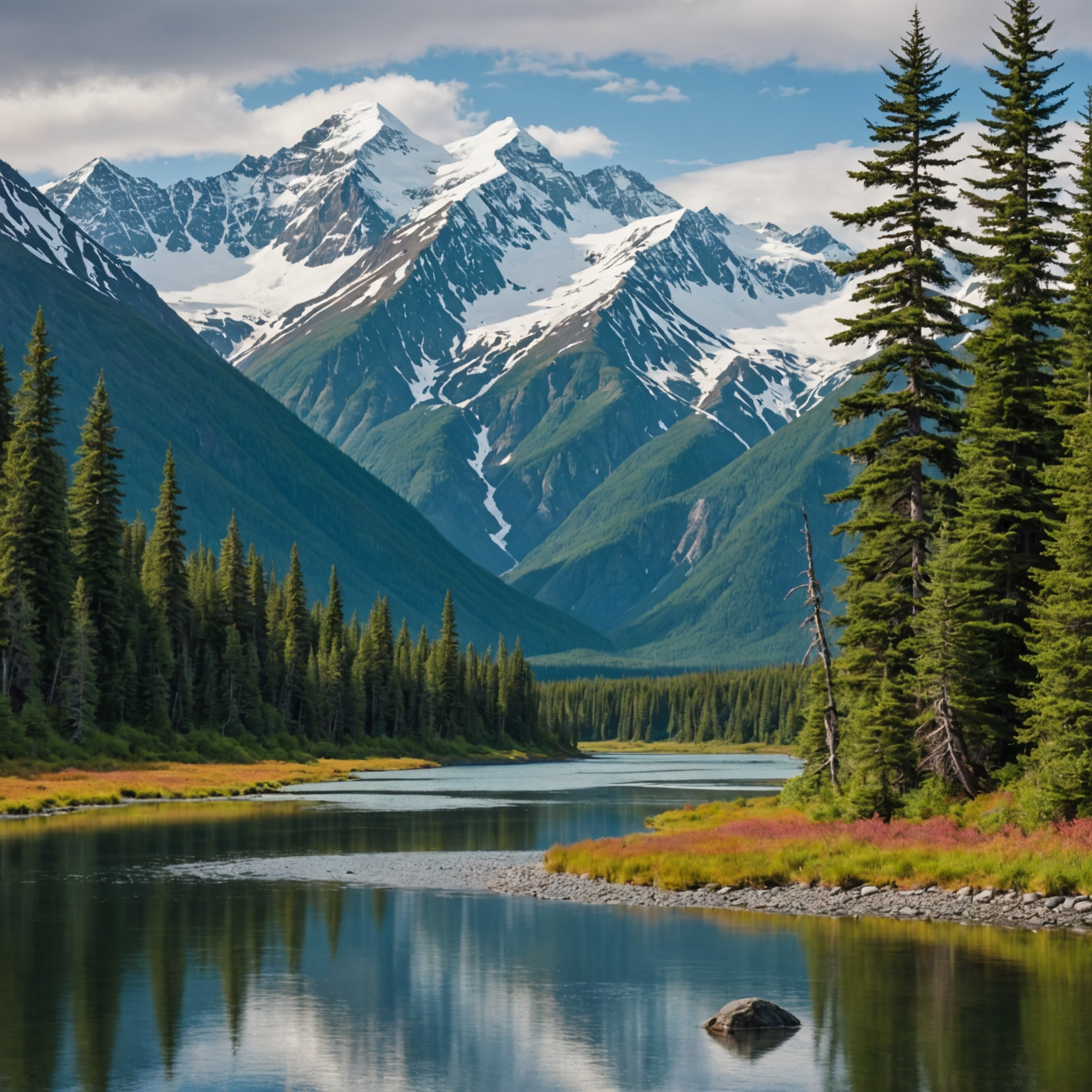
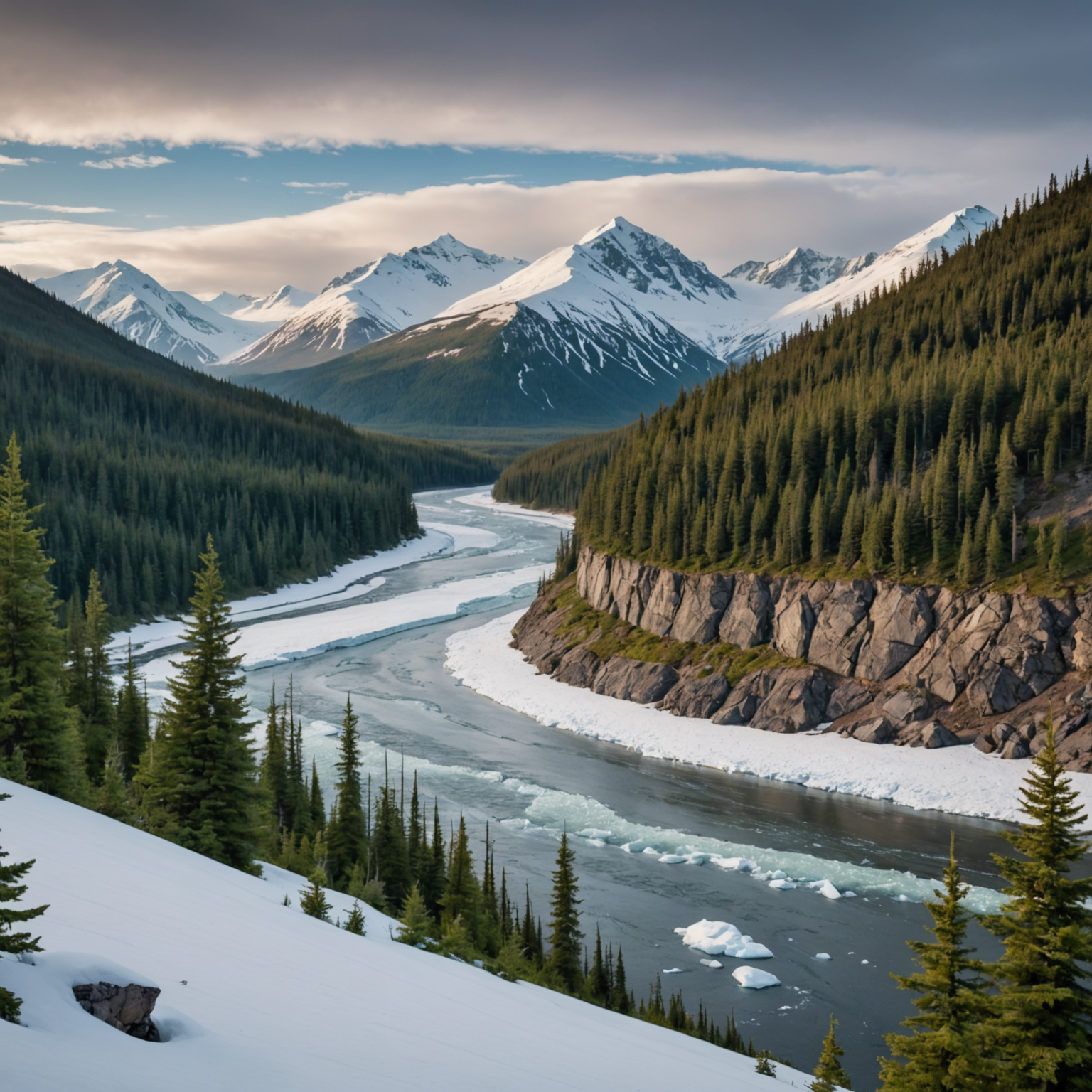
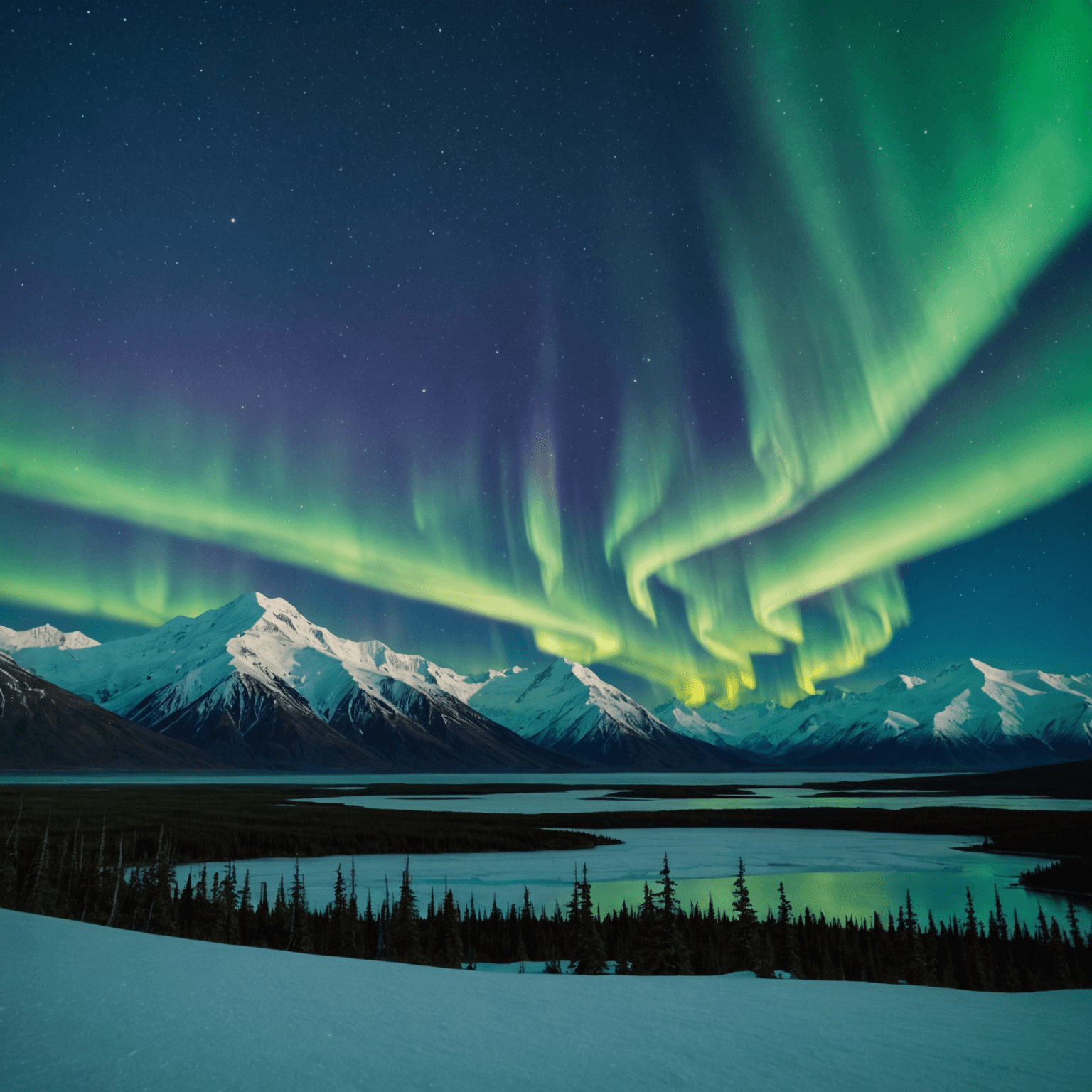
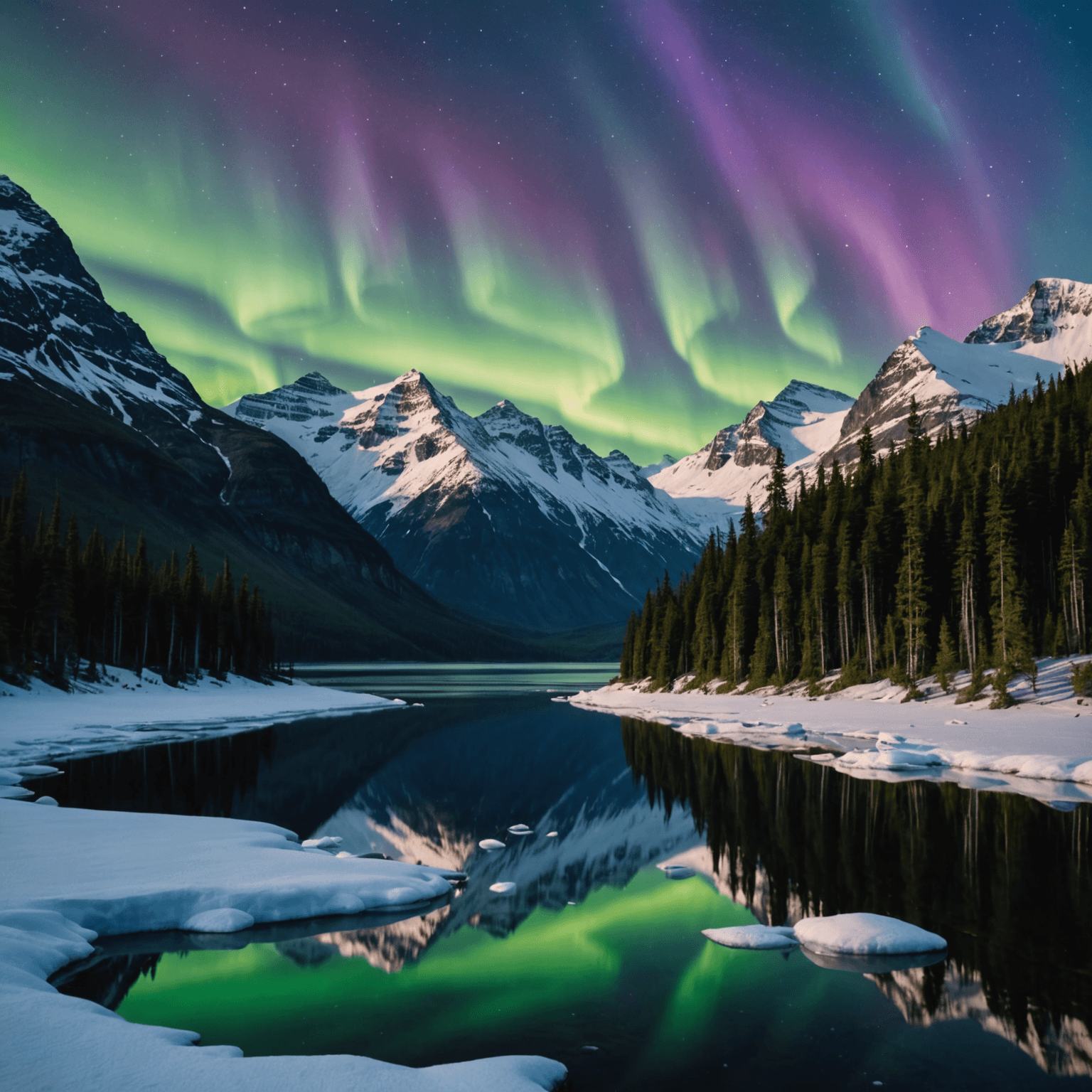
The Northern Lights, or Aurora Borealis, are one of nature’s most dazzling spectacles, and witnessing them in the vast wilderness of Alaska is an unforgettable experience. The best tours to see the Northern Lights in Alaska offer unique adventures that go beyond mere sightseeing, providing a deep immersion into the natural beauty and cultural richness of the region. In this guide, we’ll explore some of the top tours available, detailing what makes each one special and how they can enhance your Alaskan aurora adventure.
[spronix_cta key=”northern-lights-adventures”]
Northern Lights Tours in Fairbanks
1. Fairbanks Aurora Tours
Fairbanks is often regarded as one of the best places in the world to view the Northern Lights. Its location under the auroral oval and its clear skies make it a prime destination for aurora enthusiasts. Several tour operators in Fairbanks offer guided excursions that maximize your chances of seeing the lights. Options range from simple viewing tours to more elaborate experiences that include dog sledding or snowmobiling. For those interested in a comprehensive Alaskan adventure, combining a Northern Lights tour with other activities, such as the dog sled-snowmobile combo, can be an exhilarating choice.
2. Chena Hot Springs Resort
Located about 60 miles from Fairbanks, Chena Hot Springs Resort provides a perfect mix of relaxation and adventure. Visitors can enjoy a soak in the hot springs while waiting for the auroras to appear. The resort offers guided tours that take guests to the best viewing spots away from light pollution. This experience is ideal for those who want to combine aurora viewing with a bit of pampering.
Denali National Park and Preserve
3. Denali Aurora Quest
Denali National Park and Preserve, famous for its towering peaks and abundant wildlife, is also a fantastic location for Northern Lights viewing. Several local operators offer guided aurora tours that include transportation to prime viewing areas within or near the park. These tours often feature insights into the natural history of the region and may include other outdoor activities like hiking or snowshoeing.
For those interested in exploring Denali beyond the Northern Lights, the Glacier Northern Lights Adventure combines glacier viewing and aurora sightings for an unforgettable experience.
Anchorage and Beyond
4. Anchorage Aurora Tours
While Anchorage is not as far north as Fairbanks, it still offers excellent opportunities for viewing the Northern Lights, particularly in the surrounding areas away from city lights. Tour operators in Anchorage provide guided trips to nearby locations such as the Knik River Valley and Hatcher Pass, where the conditions are ideal for aurora sightings. The Hatcher Pass Helicopter Tour offers a bird’s-eye view of the landscape, providing a unique vantage point for observing the lights.
5. Talkeetna and the Alaska Range
Talkeetna, a charming town located at the base of the Alaska Range, serves as a gateway to some of the state’s most stunning scenery. Northern Lights tours in this area often include overnight stays in remote lodges or cabins, providing a cozy and intimate setting for viewing the auroras. The Snowhook Lodge offers an excellent base for such excursions, combining rustic charm with modern amenities.
Tips for Viewing the Northern Lights
- Timing and Weather: The best time to see the Northern Lights in Alaska is from late September to early April. Checking the aurora forecast and weather conditions can help plan your outing.
- Dress Warmly: Alaska’s winter temperatures can be extremely cold, so dressing in layers and wearing insulated clothing is essential.
- Photography Tips: To capture the auroras, use a camera with manual settings, a tripod, and a wide-angle lens. Experiment with long exposure times to get the best shots.
Conclusion
Alaska’s Northern Lights tours offer a gateway to one of the world’s most awe-inspiring natural phenomena. Whether you choose to explore the vibrant skies of Fairbanks, the rugged beauty of Denali, or the scenic landscapes around Anchorage, these tours promise an experience that combines adventure, relaxation, and unparalleled natural beauty. Each tour provides a unique perspective on the auroras, ensuring that your Alaskan adventure is as memorable as the lights themselves.
[spronix_cta key=”northern-lights-adventures”]
FAQ
1. What is the best time of year to see the Northern Lights in Alaska?
The optimal time to view the Northern Lights in Alaska is during the winter months, from late September to early April, when the nights are longest and skies are darkest.
2. Can you see the Northern Lights from Anchorage?
Yes, you can see the Northern Lights from Anchorage, especially in areas away from city lights. Nearby locations like Hatcher Pass offer excellent viewing opportunities.
3. Are there any safety concerns when viewing the Northern Lights in Alaska?
While viewing the auroras is generally safe, it’s important to dress warmly and be prepared for cold weather conditions. Always check local weather forecasts and travel advisories before heading out.
4. Is it possible to combine other activities with a Northern Lights tour?
Absolutely! Many tours offer combinations with activities such as dog sledding, snowmobiling, and hot springs visits, allowing you to make the most of your Alaskan adventure.
5. How can I improve my chances of seeing the Northern Lights?
To increase your chances, plan your trip during the peak aurora season, monitor the aurora forecast, and choose tours that take you to locations with minimal light pollution.
6. What should I bring on a Northern Lights tour?
Bring warm clothing, a camera with a tripod for photography, snacks, and a thermos with a hot beverage to stay comfortable during your viewing experience.
7. Are there family-friendly Northern Lights tours in Alaska?
Yes, many tours are family-friendly, offering activities suitable for all ages. Check with your tour operator for specific family-oriented options.
8. Do I need special equipment to photograph the Northern Lights?
While not essential, a DSLR or mirrorless camera with manual settings, a tripod, and a wide-angle lens will help you capture stunning images of the auroras.