Introduction
The Northern Lights, also known as the aurora borealis, are one of the most mesmerizing natural phenomena. These dancing lights in the night sky have captivated travelers and locals alike for centuries. One of the best places in the world to witness this spectacular display is Alaska. However, timing your visit is crucial to maximize your chances of seeing the Northern Lights. This guide will help you discover the best time to see the Northern Lights in Alaska, ensuring your trip is both rewarding and unforgettable.
[spronix_cta key=”northern-lights-adventures”]
Understanding the Northern Lights
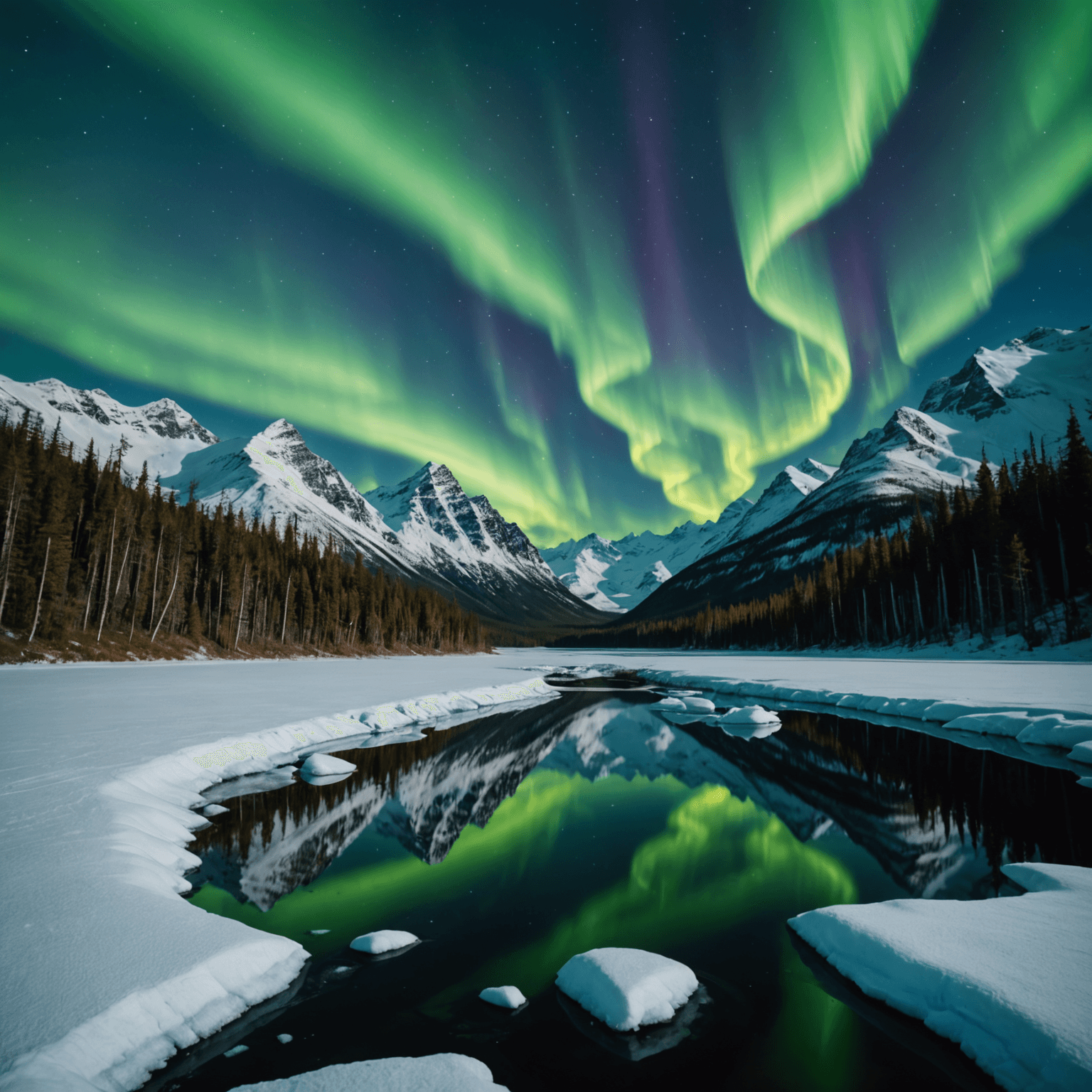
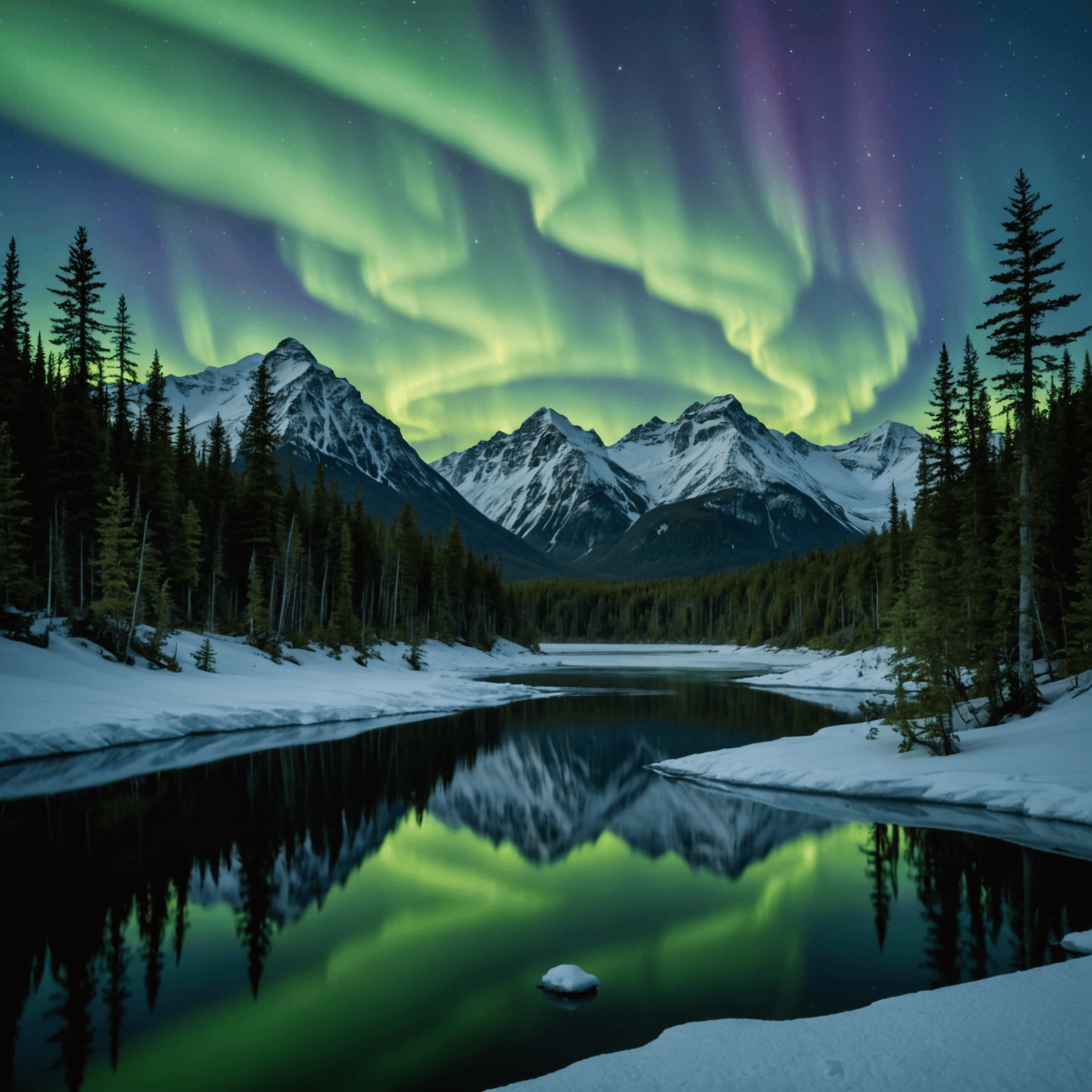
The Northern Lights are caused by solar particles colliding with the Earth’s atmosphere, resulting in vibrant displays of light that can vary in color from green to pink, red, yellow, blue, and violet. The intensity and frequency of these displays are influenced by solar activity, which follows an 11-year cycle. Understanding this cycle can help you plan your visit for optimal viewing.
Best Time to See Northern Lights in Alaska
Optimal Seasons
The best time to see the Northern Lights in Alaska is during the fall, winter, and early spring. Specifically, from late August to April, the skies are dark enough for the aurora borealis to be visible. The longer nights and clear skies during these months make it the prime time for aurora viewing.
Fall (Late August to October)
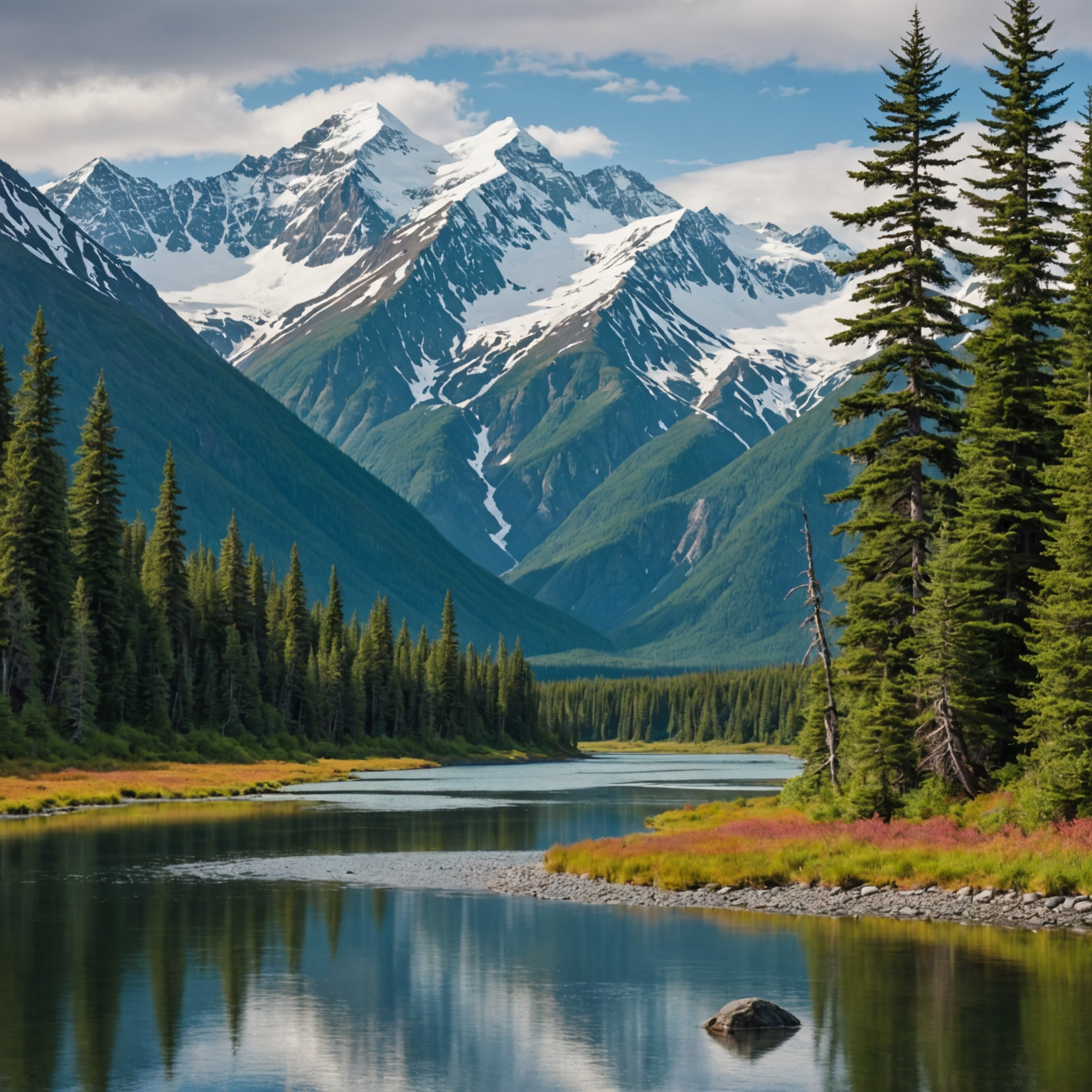
Fall is an excellent time to witness the Northern Lights as the nights begin to lengthen, and the skies are often clear. This period also offers the advantage of milder temperatures compared to the harsh winter months. Fall visitors can enjoy the beautiful autumn landscapes during the day and the Northern Lights at night.
Winter (November to February)
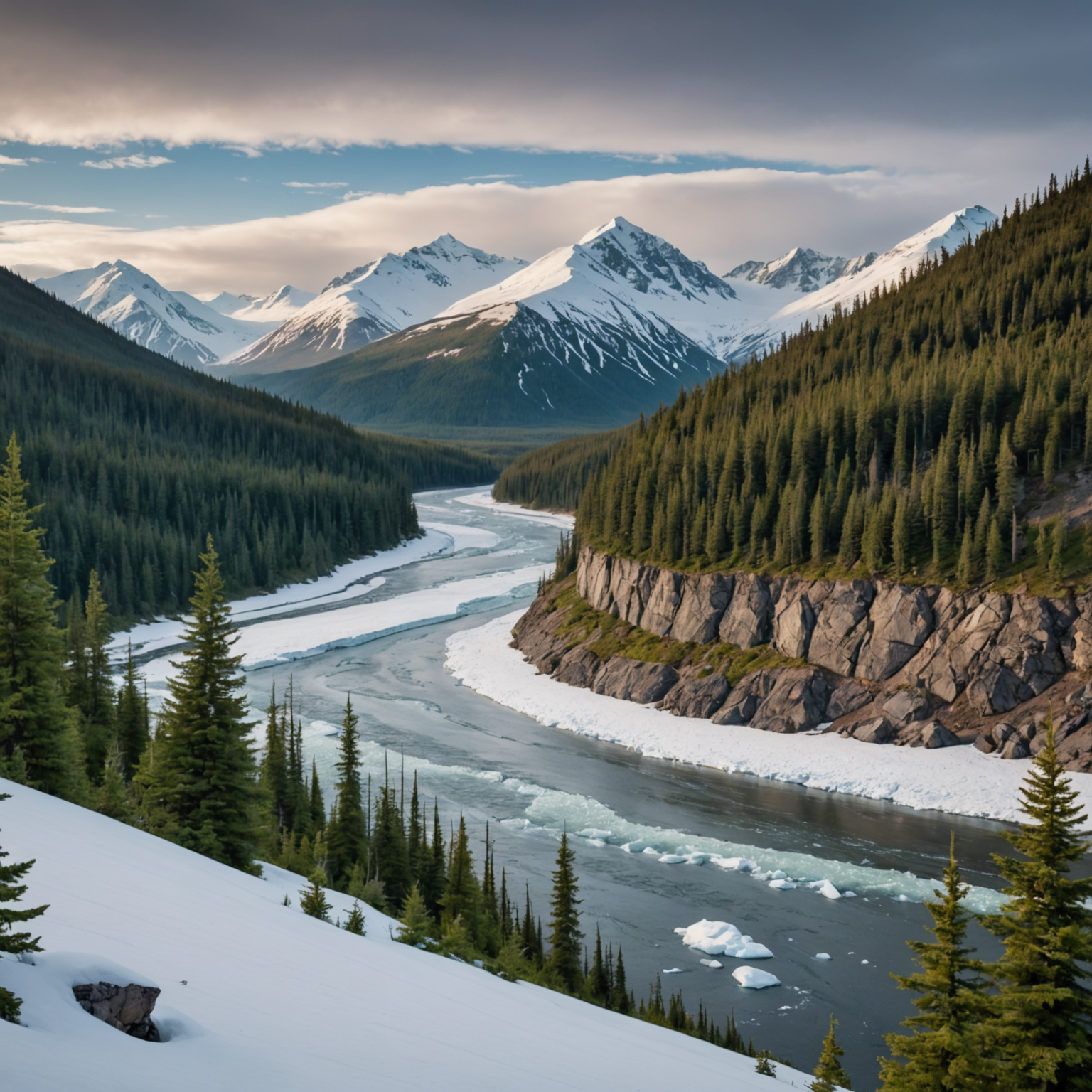
Winter is the peak season for aurora viewing. The long, cold nights provide ideal conditions for seeing the Northern Lights. However, be prepared for sub-zero temperatures and consider dressing in layers to stay warm while you wait for the auroras to appear. Winter also offers opportunities for other activities like snowmobiling. Consider exploring an Alaska snowmobile tour to make the most of your winter adventure.
Spring (March to April)
Early spring is another great time to visit Alaska for aurora viewing. The nights are still long, and the weather begins to warm slightly, making it more comfortable for outdoor activities. March tends to be a popular month because of the increased solar activity and clearer skies.
Best Locations in Alaska
Fairbanks
Fairbanks is often considered one of the best places in the world to see the Northern Lights. Located under the “auroral oval,” Fairbanks offers consistent aurora activity and a variety of tours and accommodations designed for aurora chasers. For more information on planning your trip to Fairbanks, visit Travel Alaska.
Denali National Park
Denali National Park offers a remote and stunning location for Northern Lights viewing. The park’s vast wilderness provides an unobstructed view of the sky, free from light pollution. While visiting, you might explore the Denali Glacier Snowmobile Adventure for an unforgettable experience.
Anchorage
As the largest city in Alaska, Anchorage offers urban conveniences with opportunities to see the Northern Lights. Nearby parks and wilderness areas provide excellent vantage points for aurora viewing. For travel tips and more about Anchorage, check out Anchorage.net.
Weather Considerations
Clear skies are essential for viewing the Northern Lights. It is important to check the weather forecast before heading out. The National Weather Service provides reliable weather information to help you plan your aurora viewing. Keep an eye on aurora forecasts as well, such as those provided by the Geophysical Institute.
Conclusion
Alaska offers some of the best opportunities in the world to witness the breathtaking Northern Lights. By visiting during the optimal seasons—fall, winter, and early spring—and choosing locations like Fairbanks, Denali, or Anchorage, you can maximize your chances of experiencing this natural wonder. Remember to check weather and aurora forecasts before your trip, and consider incorporating other Alaskan adventures to make your journey truly unforgettable.
[spronix_cta key=”northern-lights-adventures”]
FAQ
What is the best month to see the Northern Lights in Alaska?
The best months are generally between November and March when the nights are longest and the skies are darkest.
How long do the Northern Lights last each night?
The Northern Lights can last from just a few minutes to several hours, depending on solar activity and weather conditions.
Where is the best place in Alaska to see the Northern Lights?
Fairbanks is one of the best places, but Denali National Park and Anchorage also offer great viewing opportunities.
Can you see the Northern Lights every night in Alaska?
No, the Northern Lights are not visible every night. Their visibility depends on solar activity and weather conditions.
Do I need special equipment to photograph the Northern Lights?
A camera with manual settings and a tripod is recommended to capture high-quality images of the Northern Lights.
What should I wear when viewing the Northern Lights?
Dress in warm layers, including insulated jackets, hats, gloves, and boots, especially if viewing during the winter months.
Are there guided tours for Northern Lights viewing in Alaska?
Yes, there are many guided tours available in Alaska that offer transportation, expert guidance, and sometimes even photography tips. Check out Northern Lights Adventures for more details.
Can I see the Northern Lights during a short trip to Alaska?
Yes, even on a short trip, you have a good chance of seeing the Northern Lights if you visit during the right season and plan your activities accordingly. Consider a custom tour to enhance your experience.