Introduction
Alaska, with its rugged landscapes and abundant wildlife, is a dream destination for nature enthusiasts. One of the most exhilarating experiences the state offers is the chance to observe bears in their natural habitat. Whether it’s the majestic grizzly bears, the elusive black bears, or the awe-inspiring polar bears, Alaska provides unparalleled opportunities to witness these magnificent creatures. However, timing is crucial to ensure the best bear-watching experience. In this guide, we will explore the best time to see bears in Alaska, providing you with all the information needed for a successful wildlife adventure.
[spronix_cta key=”wildlife”]
Best Time to See Bears in Alaska
Understanding Bear Seasons
Alaska’s bear-viewing seasons are closely tied to the bears’ natural behaviors and feeding cycles. The primary seasons are:
- Spring (April to June): This is when bears emerge from hibernation, and although they are hungry and active, viewing opportunities can be less predictable due to lingering snow and limited food sources.
- Summer (July to August): As salmon runs peak, bears gather near streams and rivers, making this the optimal time for bear watching. The abundance of food means bears are more active and visible.
- Fall (September to October): Bears are in hyperphagia, a phase of intense eating to prepare for hibernation, offering excellent viewing opportunities as they forage for berries and remaining salmon.
Prime Locations for Bear Viewing
Alaska offers several prime locations renowned for bear viewing:
Katmai National Park and Preserve: Famous for the iconic Brooks Falls, where bears gather to catch salmon mid-jump.

Lake Clark National Park and Preserve: Known for its coastal brown bear populations, providing excellent opportunities for photography and close encounters.
Denali National Park: While primarily known for its stunning landscapes, Denali also offers opportunities to see grizzly bears in the wild.
Kodiak Island: Home to the largest subspecies of brown bears, Kodiak is a must-visit for those looking to observe these giants.
Kenai Fjords National Park: Offers a chance to see both black and brown bears along its scenic coastlines.
Weather Considerations
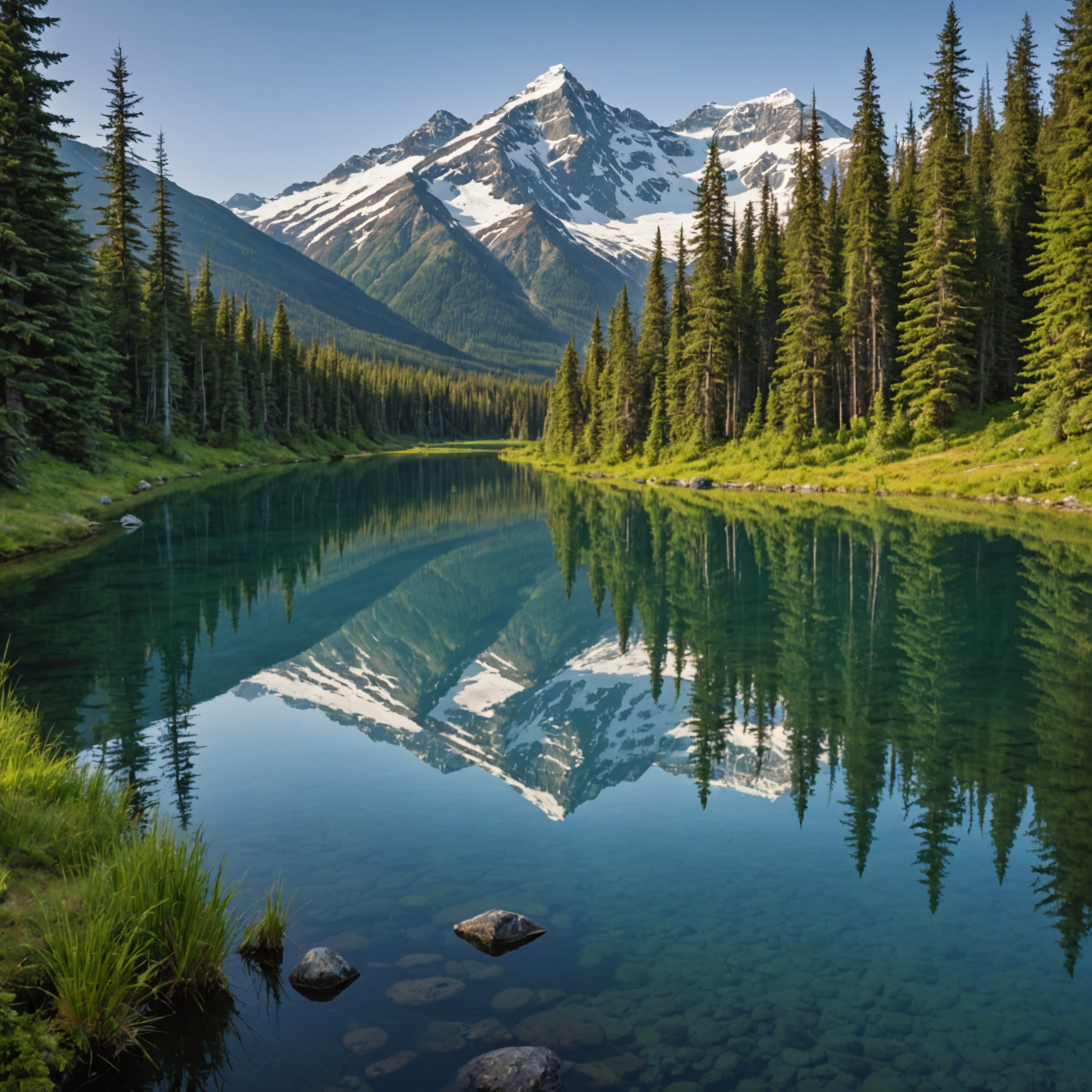
The weather in Alaska can greatly influence bear activity and accessibility to viewing areas. Summer months generally offer the most stable weather, with longer daylight hours enhancing visibility. However, always be prepared for sudden changes. For detailed weather forecasts, check resources like the National Weather Service and NOAA.
Guided Tours and Safety
Opting for guided tours can significantly enhance your bear-viewing experience by providing expert insights and ensuring safety. Local guides are knowledgeable about bear behavior and the best spots for viewing. It’s crucial to understand bear safety protocols, such as maintaining a safe distance and avoiding sudden movements. For more safety tips, visit the Alaska Department of Fish and Game.
Preparing for Your Trip
Planning your bear-viewing trip involves more than just timing. Considerations include:
- Travel Itinerary: Combine your bear-watching adventure with other exciting activities. Explore summer activities in Alaska for a well-rounded experience.
- Gear and Clothing: Dress in layers and prepare for varying weather conditions. Waterproof gear is essential, especially for coastal viewing areas.
- Photography Equipment: A good camera with a zoom lens is recommended to capture the best moments from a safe distance.
Alternative Wildlife Experiences
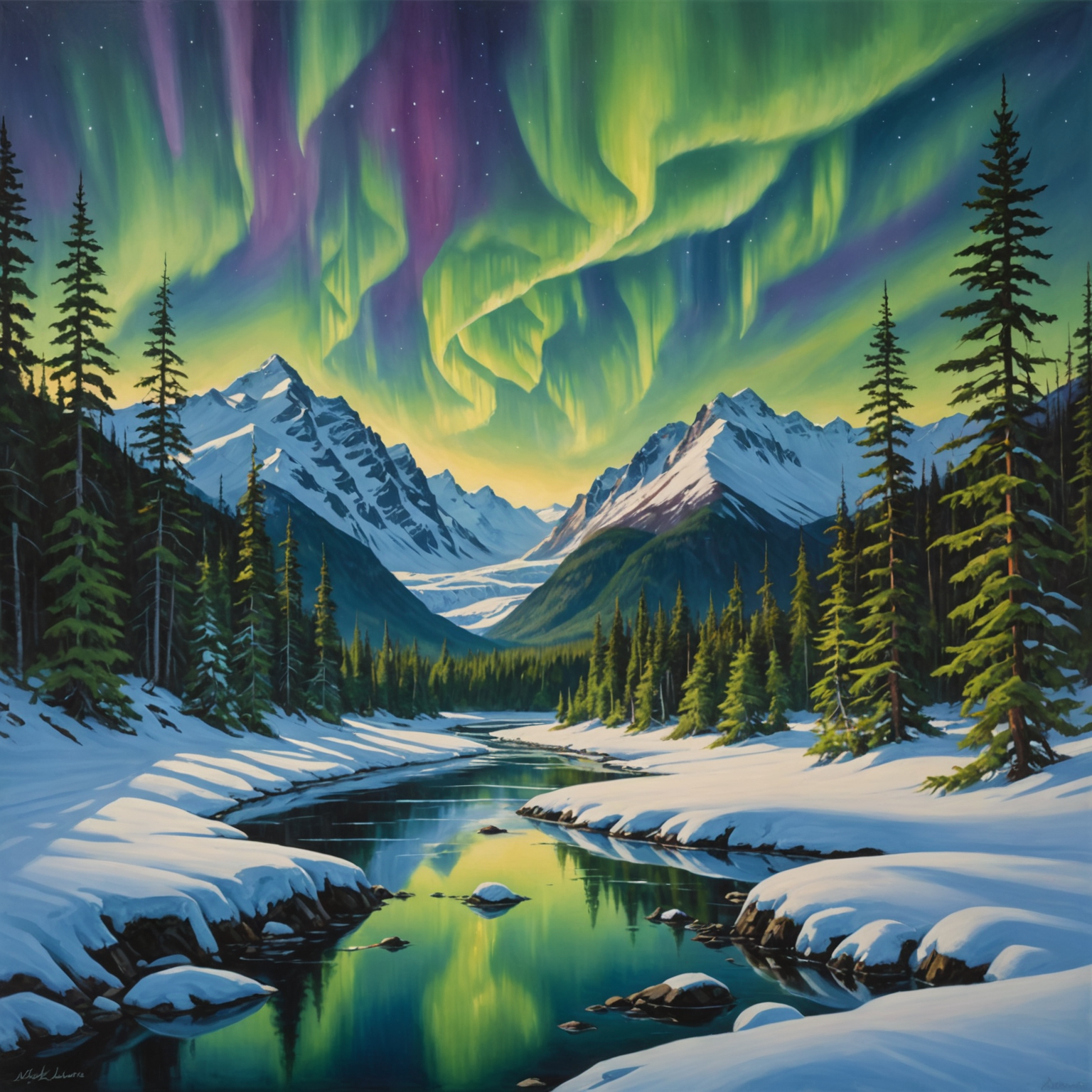
While bears are a major draw, Alaska offers diverse wildlife experiences. Consider dog sledding adventures or exploring the state’s rich cultural heritage. For those interested in winter activities, visiting during the colder months offers unique opportunities like northern lights tours.
Conclusion
Observing bears in Alaska is a unique and unforgettable experience, with the best time being during the summer months of July and August. The state’s diverse landscapes and abundant wildlife offer numerous opportunities for adventure and discovery. By understanding the bear seasons, selecting the right locations, and preparing adequately, you can ensure a successful and safe bear-watching trip.
[spronix_cta key=”wildlife”]
FAQ
What is the best month to see bears in Alaska?
July and August are the best months for bear viewing in Alaska, coinciding with salmon runs that attract large numbers of bears.
Can you see polar bears in Alaska?
Yes, polar bears can be seen in northern Alaska, particularly around the town of Kaktovik on Barter Island.
Are guided bear tours safe?
Guided tours are generally safe as they are led by experienced professionals who understand bear behavior and safety protocols.
Where can I find the largest population of bears in Alaska?
Katmai National Park and Kodiak Island are known for having large populations of brown bears.
What should I pack for a bear-viewing trip in Alaska?
Pack layered clothing, waterproof gear, sturdy boots, and a good camera with a zoom lens for capturing distant wildlife.
Can I combine bear watching with other activities?
Yes, you can combine bear watching with activities like dog sledding and cultural tours for a diverse Alaskan experience.
Is bear viewing possible in winter?
Bear viewing is not possible in winter as bears hibernate. However, winter offers other activities like northern lights viewing.
What precautions should I take when bear viewing?
Maintain a safe distance, stay calm, and follow the instructions of your guide. Familiarize yourself with bear safety guidelines before your trip.