Introduction
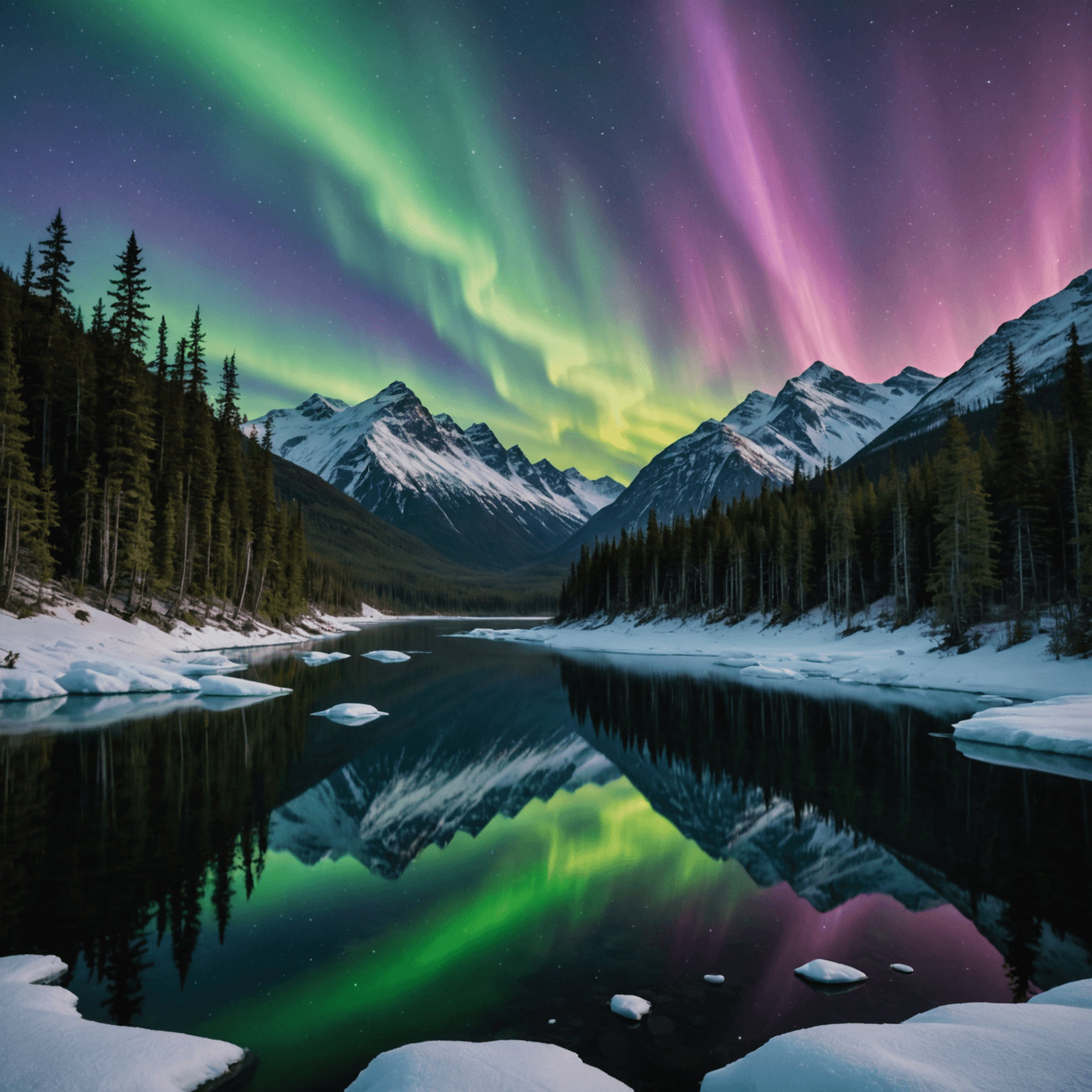
The aurora borealis, or northern lights, is one of nature’s most awe-inspiring spectacles. Alaska, with its vast wilderness and clear, dark skies, offers some of the best opportunities to witness this phenomenon. However, timing your visit correctly is crucial to maximizing your chances of seeing the auroras. In this detailed guide, we’ll explore the best time of year to see the aurora borealis in Alaska, along with tips to enhance your experience.
[spronix_cta key=”northern-lights-adventures”]
The Science Behind the Aurora Borealis
Before delving into the best viewing times, it’s important to understand what causes the aurora borealis. The northern lights are a result of charged particles from the sun colliding with Earth’s atmosphere. These interactions primarily occur near the magnetic poles, making regions like Alaska prime spots for viewing. The intensity and frequency of these displays depend on solar activity, which fluctuates over an 11-year solar cycle. For real-time aurora forecasts, the Geophysical Institute provides valuable insights into the likelihood of auroral activity.
Best Time of Year to See Aurora Borealis in Alaska
Optimal Viewing Months
The best time of year to see the aurora borealis in Alaska is between late August and late April. During these months, the skies are dark enough for the auroras to be visible. The peak season typically spans from September to March, when the nights are longest, and the chances of clear skies are higher.
- September to October: These months mark the beginning of the aurora season. The fall equinox in September is particularly favorable due to increased geomagnetic activity, resulting in more frequent and vivid displays.
- November to March: This period offers the longest, darkest nights, maximizing aurora viewing potential. While winter weather can be unpredictable, the cold, clear nights provide excellent conditions for aurora spotting.

Considerations for Optimal Viewing
- Location: For the best views, head north away from city lights. Popular spots include Fairbanks, Coldfoot, and the Brooks Range. These areas are far enough north to experience high auroral activity levels but still accessible.
- Weather Conditions: Clear skies are essential for viewing the aurora borealis. Check the National Weather Service for current weather conditions and forecasts.
- Moon Phase: A new moon provides the darkest skies, making auroras more visible. Plan your trip around the lunar calendar to avoid bright moonlight interfering with your experience.
Enhancing Your Aurora Borealis Viewing Experience
Planning Your Adventure
To truly immerse yourself in the Alaskan wilderness and increase your chances of seeing the auroras, consider guided tours or multi-day adventures. Companies like Snowhook Adventures offer specialized tours that combine outdoor activities with aurora viewing, ensuring a memorable experience.
What to Bring
- Warm Clothing: Temperatures in Alaska can plummet during aurora season. Dress in layers and ensure you have thermal gear, hats, gloves, and insulated boots.
- Photography Equipment: Capture the beauty of the auroras with a camera capable of long exposures. A tripod and remote shutter release will help you take steady, clear photos.
Additional Activities
Alaska is a haven for outdoor enthusiasts. While waiting for the auroras, explore activities such as dog sledding, ice fishing, or even a snowmobile adventure. These experiences not only enrich your trip but also provide opportunities to witness the auroras from unique vantage points.
Conclusion
Timing is everything when it comes to experiencing the aurora borealis in Alaska. By planning your visit between late August and late April, and considering factors such as location, weather, and moon phase, you’ll increase your chances of witnessing this magical display. Enhance your adventure with guided tours and outdoor activities to create unforgettable memories in the Last Frontier.
[spronix_cta key=”northern-lights-adventures”]
FAQ
What is the best time of year to see the aurora borealis in Alaska?
The best time of year to see the aurora borealis in Alaska is from late August to late April, with peak viewing from September to March.
Where is the best place to see the aurora borealis in Alaska?
Fairbanks, Coldfoot, and the Brooks Range are popular destinations for aurora viewing due to their northern location and dark skies.
How can I increase my chances of seeing the aurora borealis?
To increase your chances, visit during peak months, choose a location with minimal light pollution, check weather forecasts, and plan around the lunar calendar for dark skies.
What should I wear to see the aurora borealis in Alaska?
Dress in warm, layered clothing designed for extreme cold, including thermal gear, hats, gloves, and insulated boots.
Are there any guided tours for aurora viewing in Alaska?
Yes, companies like Snowhook Adventures offer guided tours that combine aurora viewing with other outdoor activities.
Can I see the aurora borealis during the summer in Alaska?
No, the aurora borealis is not visible during Alaska’s summer months due to the extended daylight hours.
How can I photograph the aurora borealis?
Use a camera capable of long exposures, a tripod, and a remote shutter release to capture clear images of the auroras.
What other activities can I enjoy while waiting for the auroras?
Consider activities like dog sledding, ice fishing, or snowmobiling to enrich your Alaskan adventure.