Introduction
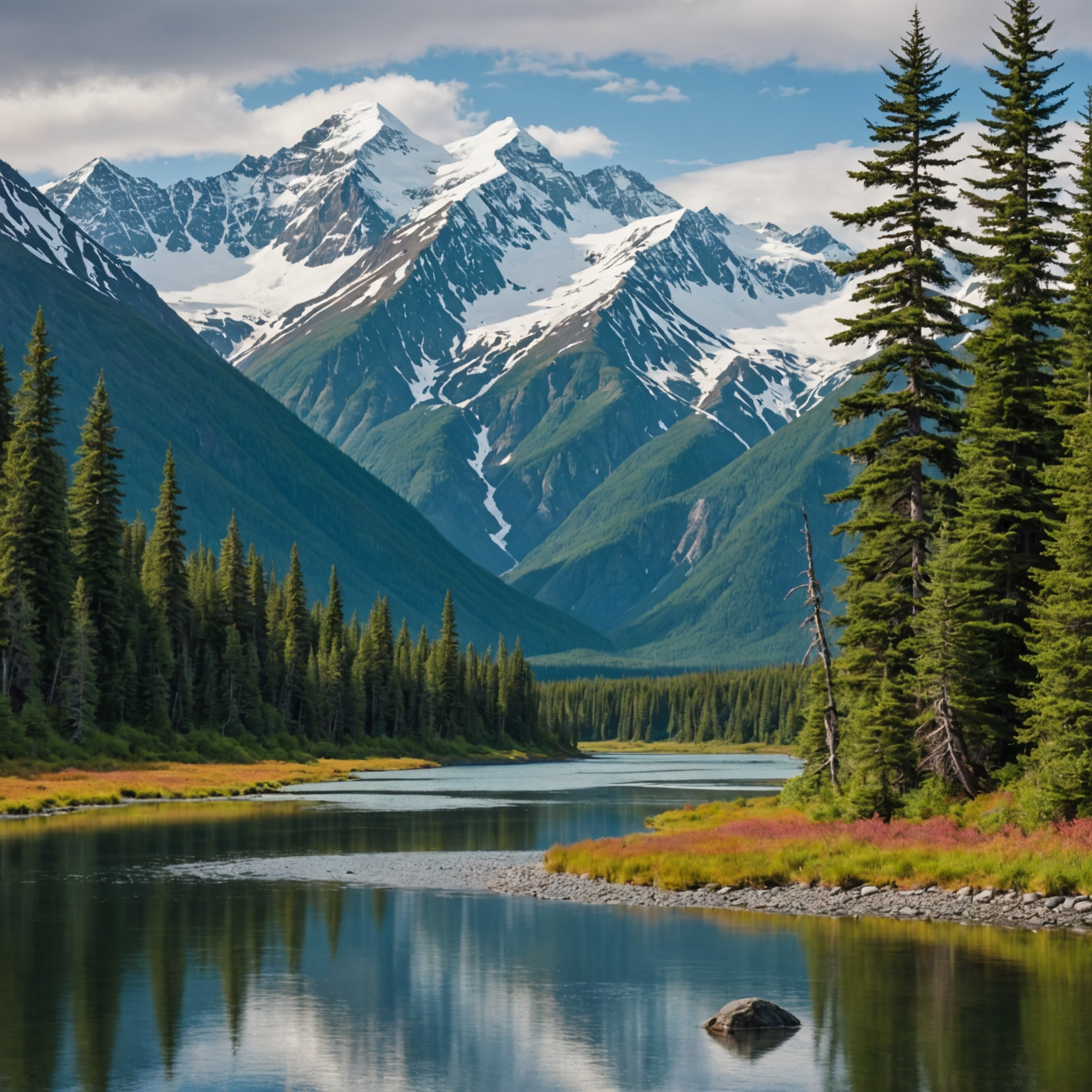
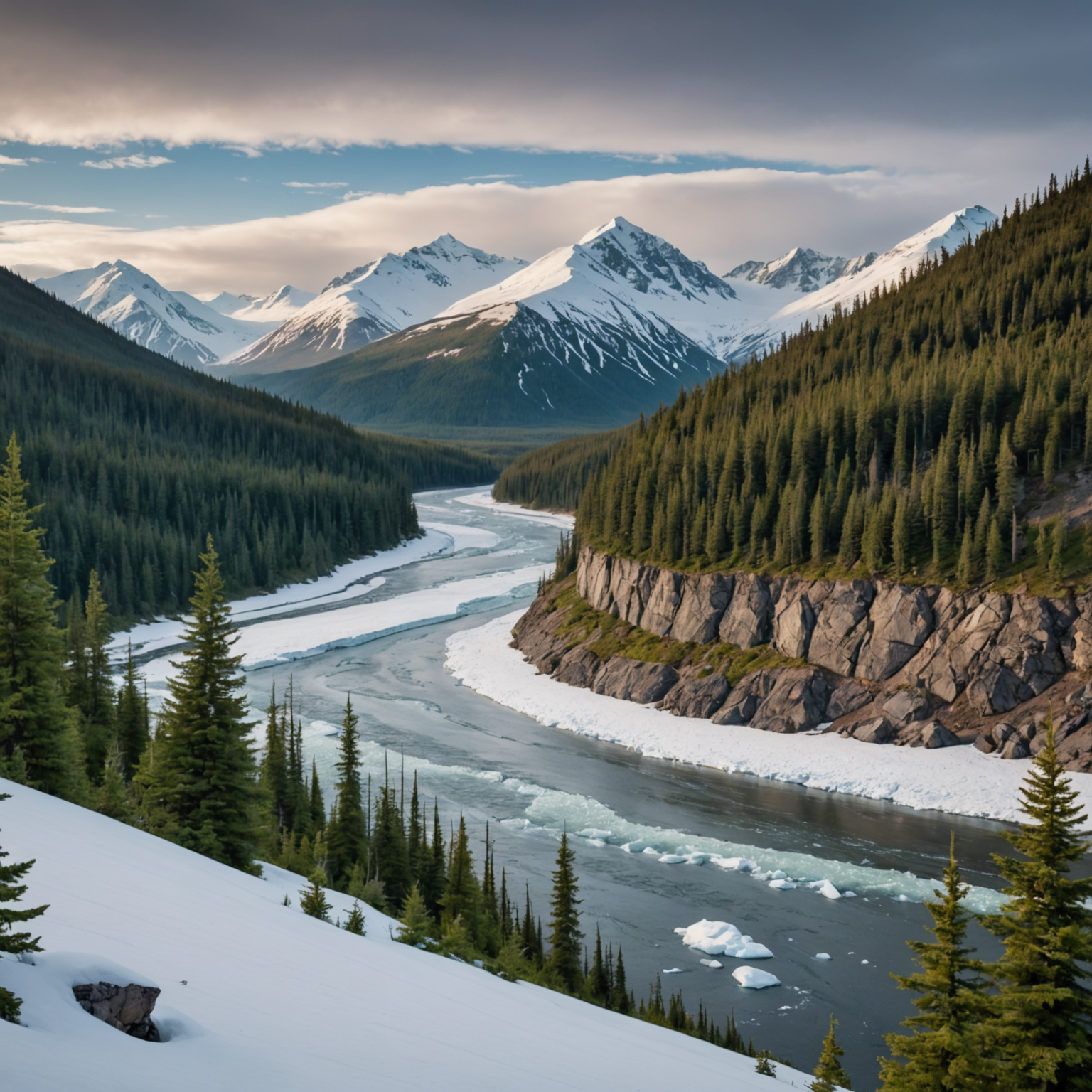
Alaska, renowned for its stunning landscapes and wild, untamed beauty, is a paradise for adventure enthusiasts. Among the myriad of outdoor activities that the state offers, rafting stands out as an exhilarating way to experience the raw magnificence of its rivers. Whether you’re navigating calm waters surrounded by breathtaking scenery or tackling challenging rapids, rafting in Alaska promises unforgettable experiences. This guide will explore the best rafting in Alaska, highlighting popular rivers and offering essential tips for both beginners and seasoned rafters.
[spronix_cta key=”summer-adventures”]
The Best Rivers for Rafting in Alaska
Six Mile Creek
Located on the Kenai Peninsula, Six Mile Creek offers one of the most thrilling whitewater rafting experiences in Alaska. Known for its three canyons, each increasing in difficulty, this river is a test of skill and endurance. The rapids range from Class III to Class V, making it suitable for experienced rafters seeking an adrenaline rush. The dramatic cliffs and clear glacier-fed waters add to the allure, making it a must-visit for adventure seekers.
Nenana River
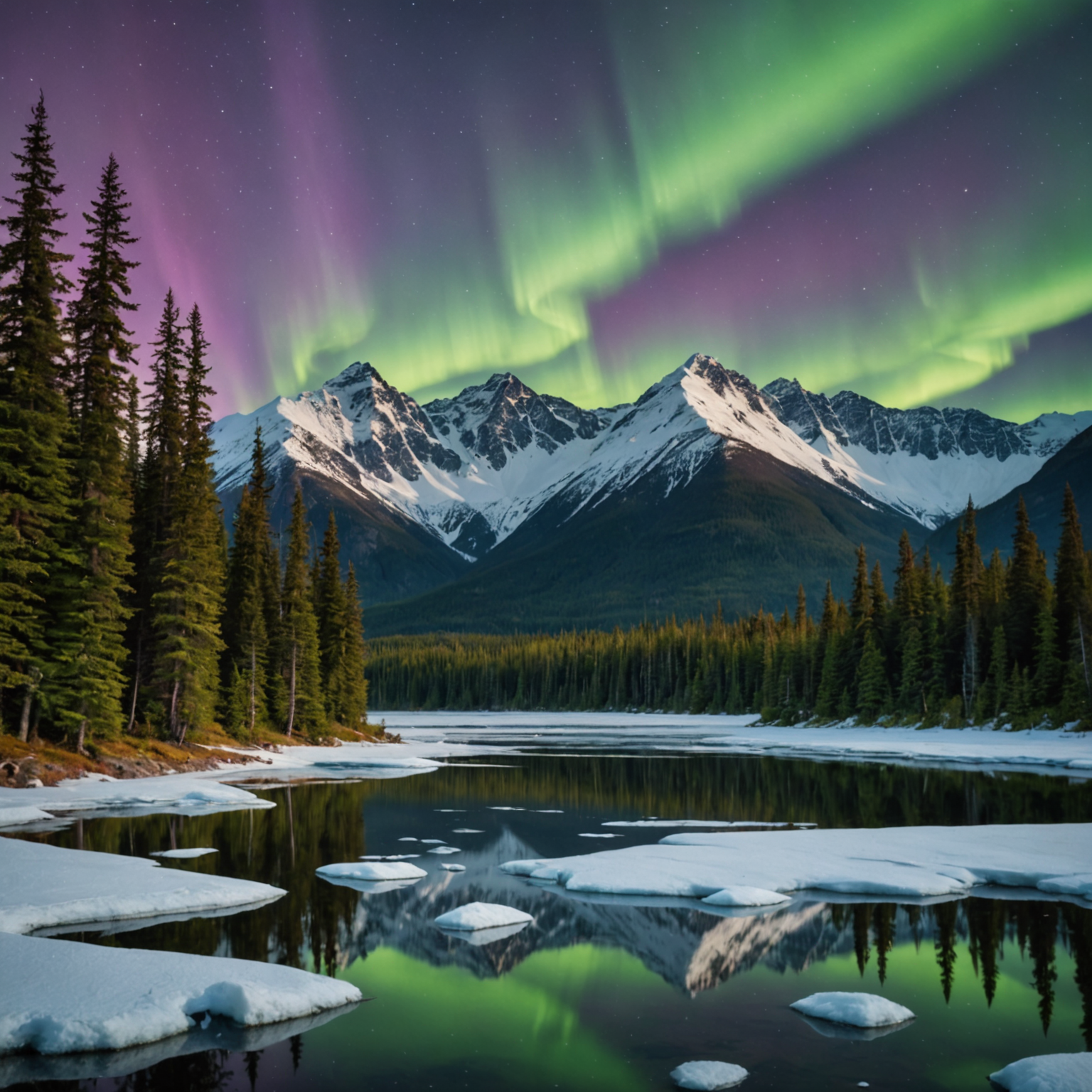
Flowing through the heart of Denali National Park, the Nenana River is perfect for those who want to combine rafting with wildlife viewing. The river offers a range of rafting experiences, from gentle floats to Class IV rapids. The stunning backdrop of the Alaska Range and the possibility of spotting moose, bears, and eagles make this an ideal choice for nature lovers. For more insights on the best times to visit the park, check out Travel Alaska’s guide.
Matanuska River
The Matanuska River is famed for its striking glacial scenery and thrilling rapids. Located near Anchorage, it provides a convenient yet exhilarating rafting experience. The river’s Class II to IV rapids cater to a wide range of skill levels. Rafters can also enjoy views of the Matanuska Glacier, one of the largest in Alaska. To prepare for the weather conditions, consulting the National Weather Service is recommended.
Tatshenshini River
For those seeking a multi-day rafting adventure, the Tatshenshini River offers an unparalleled wilderness experience. Known for its remote location and spectacular scenery, the river flows through glacier-capped mountains and lush rainforests. This journey often includes sightings of grizzly bears, wolves, and bald eagles. For planning such an extensive trip, Discover Denali provides valuable resources and insights.
Rafting Tips and Safety Guidelines
Choosing the Right Gear
Selecting the appropriate gear is crucial for a safe and enjoyable rafting experience. Wetsuits, helmets, and life jackets are essential, especially in Alaska’s cold waters. For comprehensive advice on gear, you might find the best snowmobile gear for Alaska to be surprisingly applicable to rafting as well.
Understanding River Ratings
Rivers are rated based on the difficulty of their rapids, ranging from Class I (easy) to Class V (extremely difficult). It’s vital to choose a river that matches your skill level and comfort. Beginners should start with Class I or II, while more experienced rafters can tackle Class III and above.
Weather Considerations
The weather in Alaska can be unpredictable, so it’s important to check forecasts regularly. The Anchorage Forecast provides up-to-date weather conditions, which can help ensure a safe trip.
Wildlife Awareness
Alaska’s wilderness is home to diverse wildlife, including bears and moose. Understanding how to safely coexist with these animals is crucial. The Alaska Department of Fish and Game offers guidelines on bear safety that are essential for any outdoor activity in the state.
Conclusion
Rafting in Alaska presents a unique opportunity to connect with nature and experience the state’s awe-inspiring landscapes. From the adrenaline-pumping rapids of Six Mile Creek to the serene beauty of the Tatshenshini River, there’s something for every adventurer. By choosing the right river, preparing adequately, and respecting the natural environment, you can create memories that will last a lifetime.
[spronix_cta key=”summer-adventures”]
FAQ
What is the best time of year for rafting in Alaska?
The best time for rafting in Alaska is typically from late May to early September. During this period, the weather is milder, and the rivers are in optimal condition.
Do I need prior experience to go rafting in Alaska?
While prior experience is beneficial, many rivers in Alaska offer sections suitable for beginners. It’s important to choose a river that matches your skill level.
What should I wear for rafting in Alaska?
Wear a wetsuit, helmet, and life jacket. Layered clothing is recommended to adapt to changing weather conditions.
Can I see wildlife while rafting in Alaska?
Yes, rafting in Alaska offers the chance to see wildlife such as moose, bears, and eagles, especially in areas like Denali National Park.
Are guided rafting tours available?
Yes, guided tours are available and recommended, especially for those unfamiliar with the area or lacking rafting experience.
Is it safe to raft during the rainy season?
While rafting can be done in rainy conditions, it’s essential to check weather forecasts and river conditions. Safety should always be the priority.
How do I prepare for the cold water in Alaska’s rivers?
Wearing a wetsuit and other protective gear can help insulate against the cold. It’s also important to be prepared mentally for the temperature.
Where can I find more information on planning a rafting trip in Alaska?
For detailed trip planning, resources such as Alaska.org and Travel Alaska offer comprehensive guides and insights.