Introduction
The Northern Lights, or Aurora Borealis, are a mesmerizing natural phenomenon that has captivated people for centuries. Witnessing this stunning display is a bucket-list experience for many travelers, and Alaska provides some of the best opportunities to see the auroras in all their glory. However, timing your visit is crucial to maximize your chances of witnessing a spectacular show. This guide will explore the best month to see the aurora borealis in Alaska, providing insights into optimal viewing conditions and tips for an unforgettable experience.
[spronix_cta key=”northern-lights-adventures”]
Understanding the Aurora Borealis
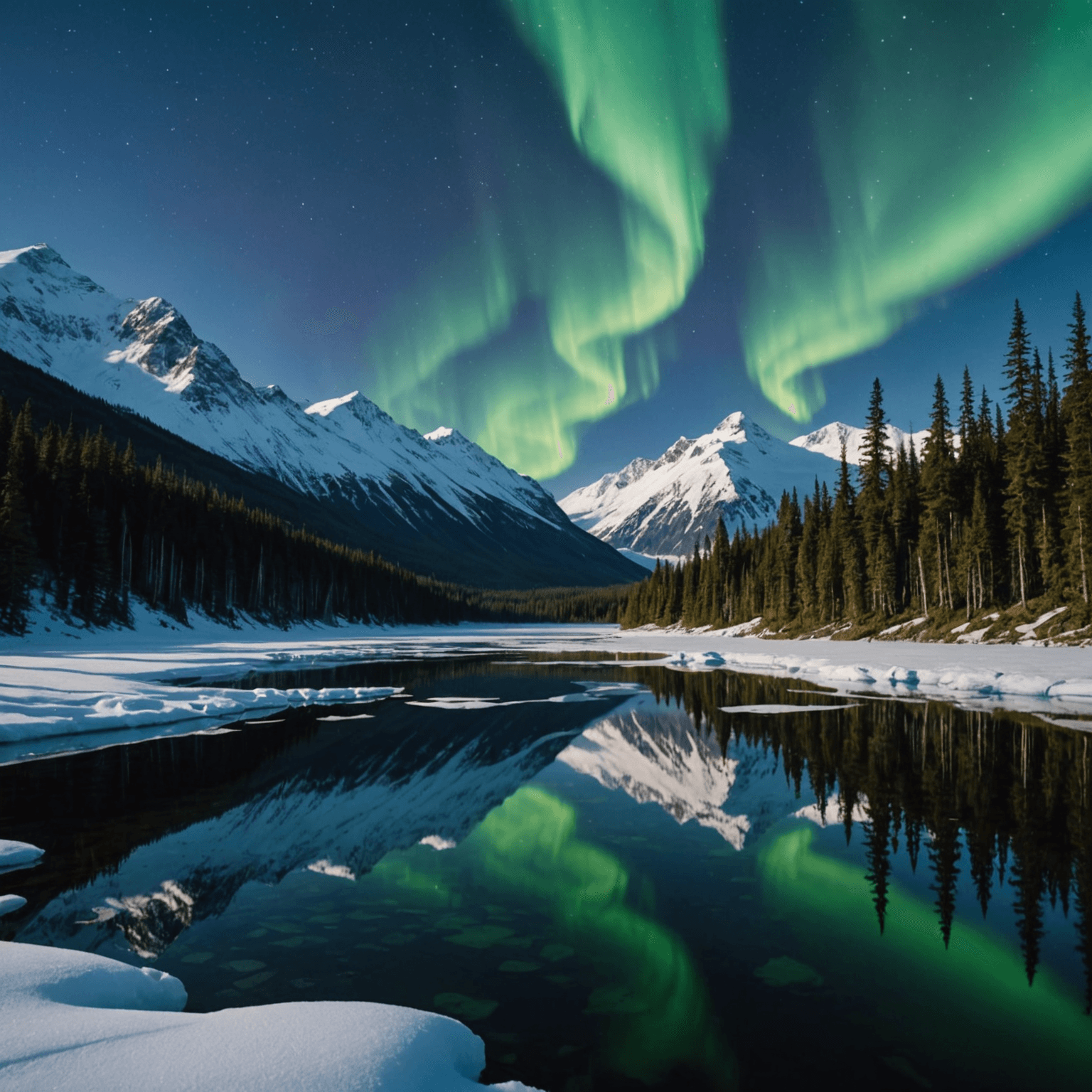
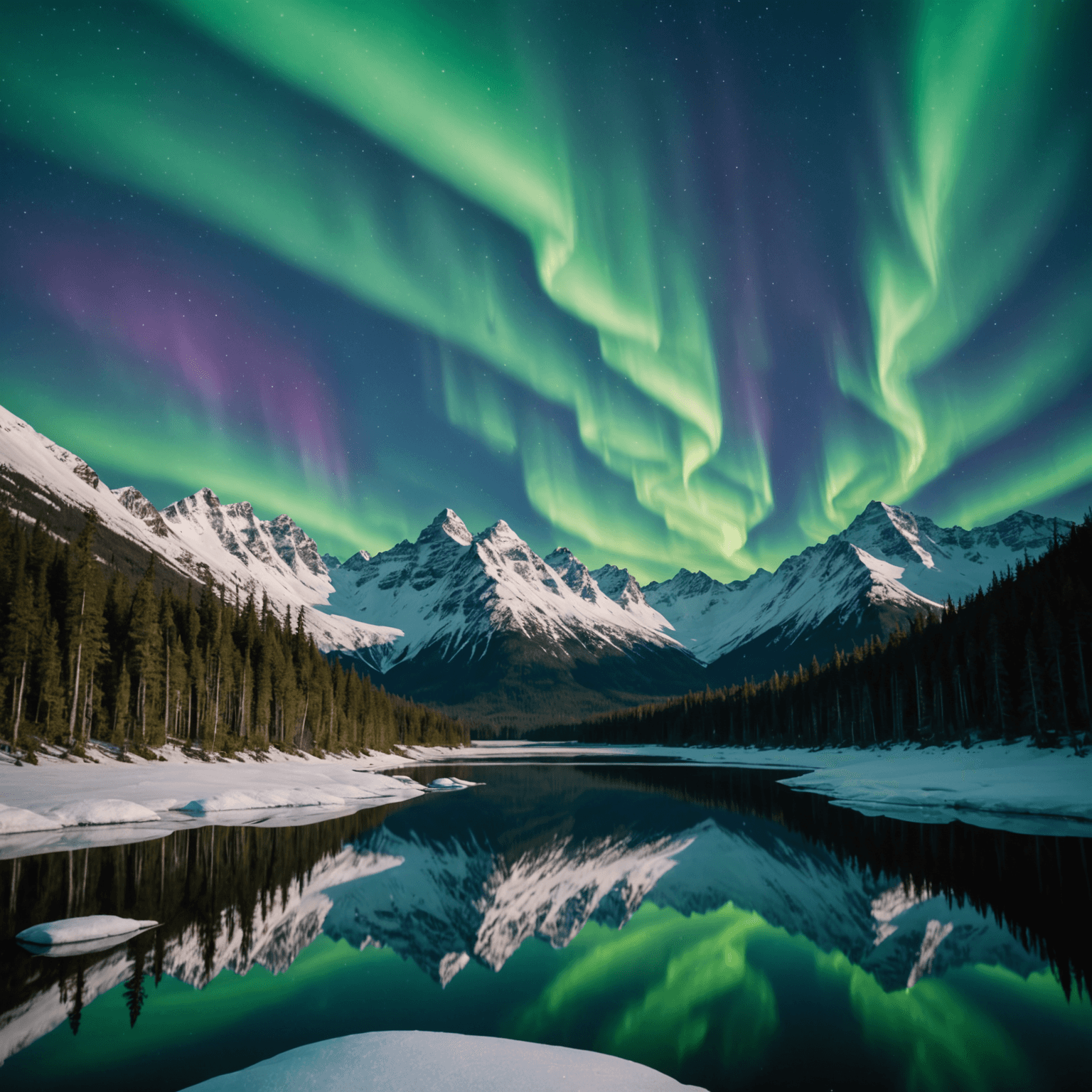
Before diving into the best times to see the aurora, it’s important to understand what causes these dazzling lights. The aurora borealis occurs when charged particles from the sun collide with gases in Earth’s atmosphere, resulting in vibrant displays of color across the sky. Alaska, with its high latitude and clear, dark skies, offers a prime location for viewing these lights.
Best Time of Year for Aurora Viewing
March and September Equinoxes
The best month to see aurora borealis in Alaska is often around the equinoxes in March and September. During these times, the Earth’s magnetic field is more favorably aligned with solar winds, leading to more frequent and intense auroral displays. The balance of day and night also makes it easier to experience both daylight activities and nighttime aurora viewing.
Winter Months
While March and September are ideal, the winter months from October to April also offer excellent opportunities. During this period, Alaska experiences long nights, providing ample darkness for the auroras to stand out. The cold, crisp air often results in clear skies, perfect for aurora viewing.
Best Locations in Alaska
Fairbanks
Fairbanks is one of the most popular destinations for aurora viewing in Alaska. Located under the “auroral oval,” Fairbanks has clear skies and minimal light pollution, making it a hot spot for aurora seekers. The city offers various tours and accommodations focused on Northern Lights experiences.
Denali National Park
Denali National Park provides a breathtaking backdrop for the aurora borealis. The park’s vast wilderness and limited artificial light enhance the visibility of the auroras. Visitors can explore the park’s stunning landscapes during the day and settle in for an evening of aurora watching.
Other Prime Spots
Other notable locations include Anchorage, Talkeetna, and the remote Brooks Range. Each offers unique landscapes and opportunities for additional adventures, such as snowmobiling and dog sledding. For those interested in a customizable experience, consider exploring custom tours tailored to your interests.
Planning Your Aurora Adventure
Weather Considerations
Weather plays a significant role in aurora viewing. Clear skies are essential, so it’s crucial to monitor the weather forecast. Tools like the Aurora Forecast and Space Weather Prediction Center provide real-time updates on auroral activity and weather conditions.
Choosing the Right Tour
To maximize your chances of seeing the aurora, consider booking a guided Northern Lights adventure. Experienced guides offer local knowledge and expertise, ensuring you find the best vantage points and stay safe during your trip.
Additional Activities
While the aurora borealis is the main attraction, Alaska offers a plethora of other winter activities. Dog sledding and snowmobiling are popular options that allow you to explore the Alaskan wilderness. These activities not only add to your adventure but also provide insight into Alaskan culture and history.
Conclusion
Alaska is a premier destination for witnessing the captivating aurora borealis. While the best month to see the aurora borealis in Alaska is often March or September, the entire winter season offers ample opportunities for an unforgettable experience. By choosing the right time and location, and considering additional activities, your trip to see the Northern Lights will be a memorable adventure.
[spronix_cta key=”northern-lights-adventures”]
FAQ
1. What causes the aurora borealis?
The aurora borealis is caused by charged particles from the sun colliding with gases in the Earth’s atmosphere, resulting in colorful lights.
2. Can I see the aurora borealis in Alaska all year round?
No, the aurora borealis is best seen from late September to early April when the nights are long and dark.
3. What is the best month to see aurora borealis in Alaska?
The best months are typically March and September, aligning with the equinoxes for optimal auroral activity.
4. Where is the best place to see the Northern Lights in Alaska?
Fairbanks and Denali National Park are among the best places due to their location under the auroral oval and clear skies.
5. How can I increase my chances of seeing the aurora?
Check aurora forecasts, choose locations with minimal light pollution, and consider booking a guided tour.
6. What should I wear for aurora viewing in Alaska?
Dress in layers to stay warm, as temperatures can be extremely cold during the winter months. Warm boots, hats, and gloves are essential.
7. Are there any guided tours for Northern Lights viewing?
Yes, there are many guided Northern Lights tours available, offering expertise and transportation to the best viewing spots.
8. What other activities can I do while in Alaska for aurora viewing?
Consider engaging in activities like dog sledding and snowmobiling to enrich your Alaskan adventure.