Introduction
Fishing in Alaska’s rivers is an experience like no other, offering anglers the chance to catch a variety of fish, including salmon and trout, while surrounded by stunning natural beauty. However, to make the most of your river fishing adventure, it is crucial to have the right equipment, and that includes choosing the best anchor for river fishing. Having a reliable anchor ensures your boat remains stable in the fast-moving waters typical of Alaskan rivers, allowing you to focus on the catch rather than constantly adjusting your position. In this guide, we’ll explore the best options available for river fishing anchors, considering the unique conditions of Alaska.
[spronix_cta key=”winter-adventures”]
Understanding River Conditions in Alaska
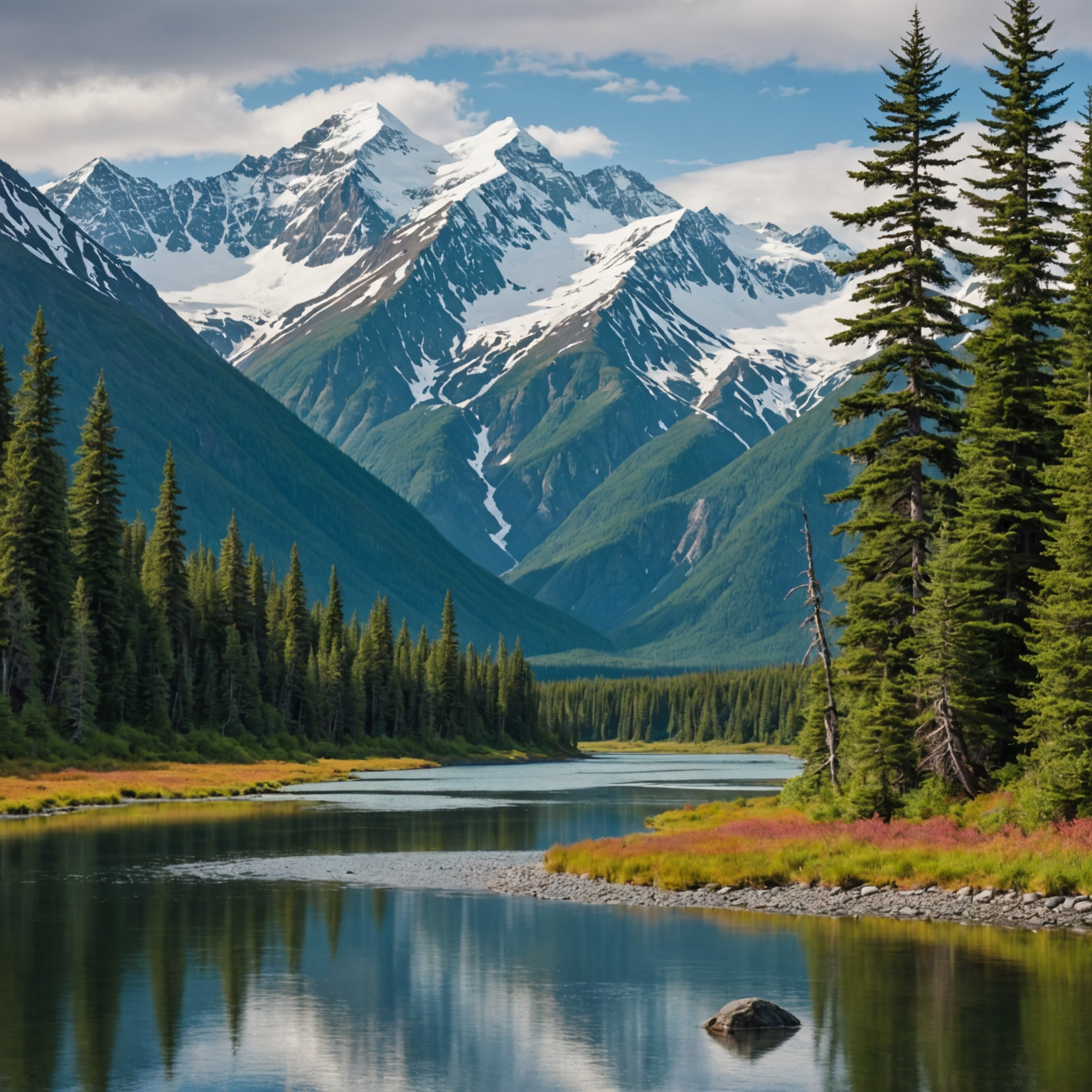
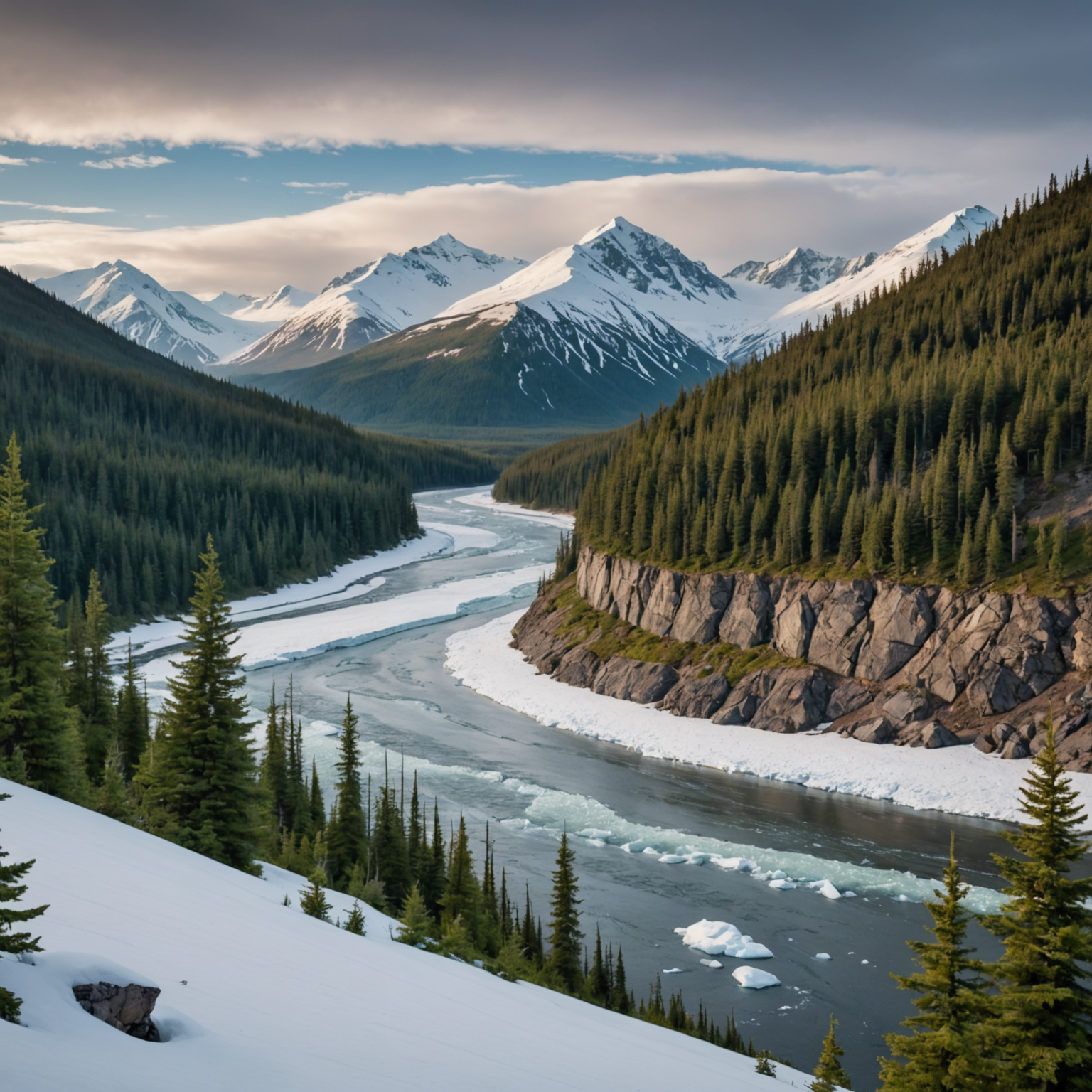
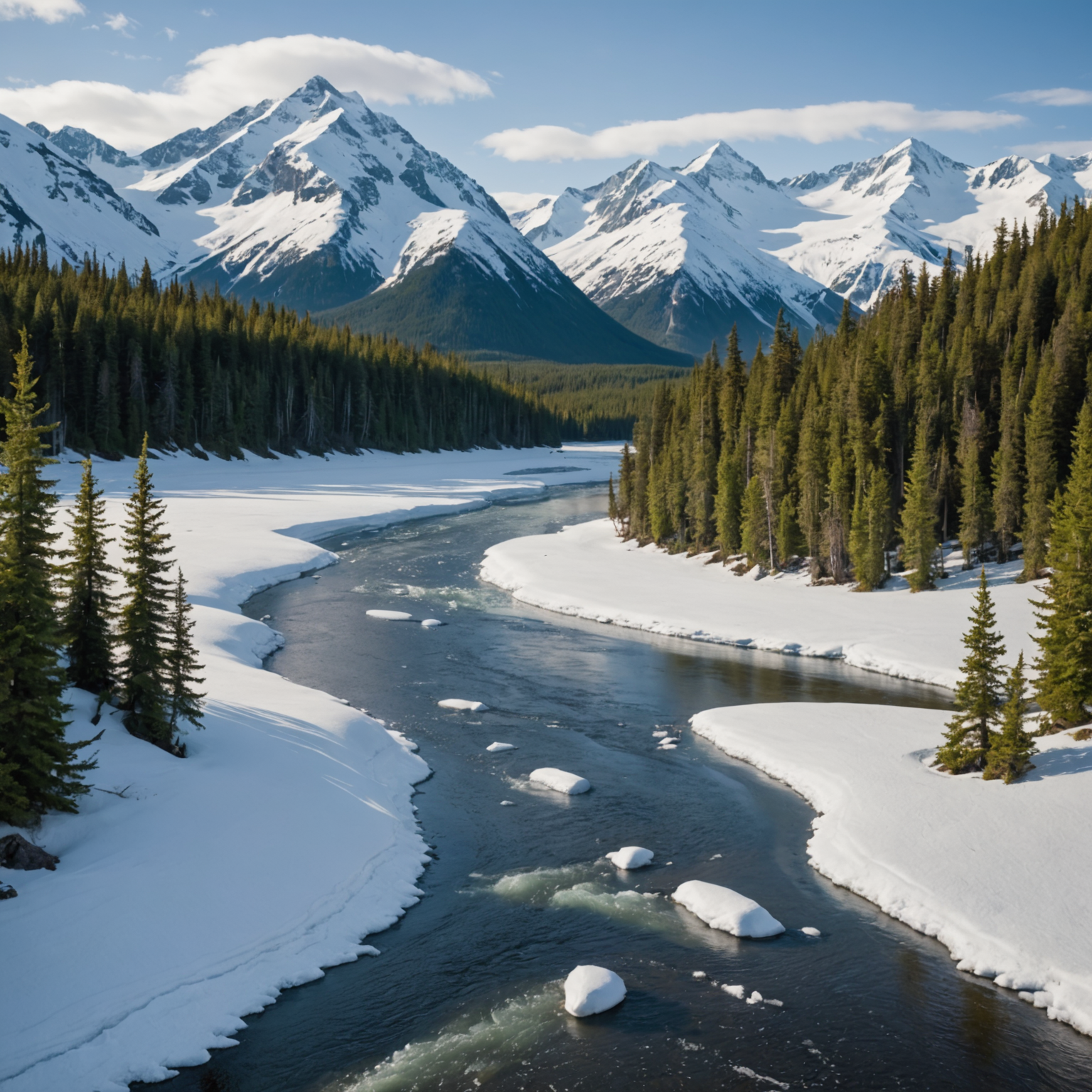
Alaska’s rivers are known for their powerful currents and often unpredictable weather conditions. Understanding these elements is essential for selecting the appropriate anchor. The riverbed can vary from rocky to sandy, and the water flow can range from gentle to swift, influenced by glacial runoffs and seasonal changes. The National Park Service offers valuable insights into river conditions and safety measures that should be considered when planning your fishing trip.
Types of Anchors for River Fishing
Mushroom Anchors
Mushroom anchors are named for their shape and are best suited for soft, muddy bottoms. They work by sinking into the riverbed, providing a firm hold. However, in the fast-moving rivers of Alaska, they may not always provide the necessary grip on rocky or sandy bottoms.
Fluke Anchors
Fluke anchors, or Danforth anchors, are a popular choice for river fishing due to their lightweight design and strong hold on sandy or muddy bottoms. Their sharp flukes dig into the riverbed, providing excellent stability. This type of anchor is ideal for most Alaskan rivers, where the bottom is often a mix of sand and mud.
Grapnel Anchors
Grapnel anchors are versatile and are designed to catch on rocky or weedy riverbeds. They feature multiple prongs that can grip onto various surfaces, making them suitable for the diverse conditions found in Alaskan rivers. Their folding design also makes them easy to store.
River Anchors
Specifically designed for river use, these anchors combine the features of mushroom and grapnel anchors. They have a rounded shape with multiple flukes, making them effective on rocky and muddy bottoms. River anchors are particularly useful in the strong currents typical of Alaskan rivers.
Factors to Consider When Choosing an Anchor
Weight
The weight of the anchor is crucial for ensuring it holds your boat in place. Generally, the stronger the current, the heavier the anchor required. For Alaskan rivers, a 15 to 30-pound anchor is often recommended, but the specific weight needed depends on the size of your boat and the river conditions.
Material
Anchors are typically made from galvanized steel, stainless steel, or composite materials. Galvanized steel anchors are durable and resistant to corrosion, making them ideal for Alaskan waters. Stainless steel offers similar benefits but at a higher cost. Composite materials are lightweight but may not provide the same durability.
Rope and Chain
The anchor line is as important as the anchor itself. A combination of rope and chain is often used to improve holding power. The chain provides weight and abrasion resistance, while the rope offers flexibility. A common rule is to use a length of rope that is seven to ten times the depth of the water.
Boat Size and Type
The size and type of your boat also influence the choice of anchor. Larger boats require heavier anchors, while smaller vessels can get by with lighter options.
Best Practices for Anchoring in Alaskan Rivers
Safety First
Before anchoring, always check the weather conditions. The National Weather Service provides up-to-date forecasts and alerts. Be aware of sudden weather changes that could affect river conditions.
Proper Deployment
To ensure effective anchoring, deploy the anchor from the bow of the boat. Let out enough line to achieve a good scope ratio, which is the length of the anchor line divided by the vertical distance from the bow to the riverbed.
Monitor and Adjust
Regularly check the anchor’s hold, especially if there are changes in river flow or wind conditions. Be prepared to adjust the anchor as needed to maintain your position.

Conclusion
Selecting the best anchor for river fishing in Alaska requires careful consideration of river conditions, anchor type, and boat specifications. By understanding these factors and choosing the right equipment, you can ensure a safe and successful fishing experience. Remember, preparation is key, and with the right anchor, you’ll be ready to tackle the exciting challenges of Alaska’s rivers.
[spronix_cta key=”winter-adventures”]
FAQ
What is the best type of anchor for Alaskan rivers?
Fluke and river anchors are generally the best choices for Alaskan rivers due to their ability to hold in sandy and rocky bottoms. Their design allows them to dig into the riverbed, providing the necessary stability in strong currents.
How heavy should my anchor be for river fishing in Alaska?
The weight of the anchor should be between 15 to 30 pounds, depending on the size of your boat and the specific conditions of the river. Heavier anchors are recommended for larger boats and stronger currents.
What materials are best for river fishing anchors?
Galvanized steel is preferred for its durability and corrosion resistance in Alaskan waters. Stainless steel is also a good option but tends to be more expensive.
How do I ensure my anchor holds in strong currents?
Ensure you have the proper scope by letting out enough anchor line, typically seven to ten times the depth of the water. Using a combination of rope and chain can also improve holding power.
Can I use a mushroom anchor in Alaska?
While mushroom anchors are effective in muddy bottoms, they may not hold well in the rocky and sandy conditions often found in Alaskan rivers. A river or fluke anchor may be a better choice.
How do I deploy an anchor correctly?
Deploy the anchor from the bow of the boat, and let out enough line to achieve the proper scope. Always monitor the anchor’s hold and adjust as necessary.
Are there any legal requirements for anchoring in Alaskan rivers?
Check local regulations and guidelines provided by Alaska.org and the Alaska Department of Fish and Game to ensure compliance with any restrictions on anchoring locations and practices.
For more insights into Alaskan adventures, explore our Hatcher Pass Dog Sled Expedition or learn about essential dog sled gear.