Introduction
Alaska is a land of untamed wilderness and awe-inspiring landscapes, a place where nature reigns supreme. Among its rich tapestry of wildlife, the grizzly bear stands out as a symbol of raw power and beauty. For those seeking an unforgettable encounter with these majestic creatures, joining Alaska bear trackers offers a unique opportunity to observe grizzlies in their natural habitat. Guided by experts, these tours provide not only thrilling wildlife viewing but also an educational experience about the importance of conservation and safety.
[spronix_cta key=”summer-adventures”]
The Allure of Bear Tracking
What Makes Alaska Ideal for Bear Tracking?
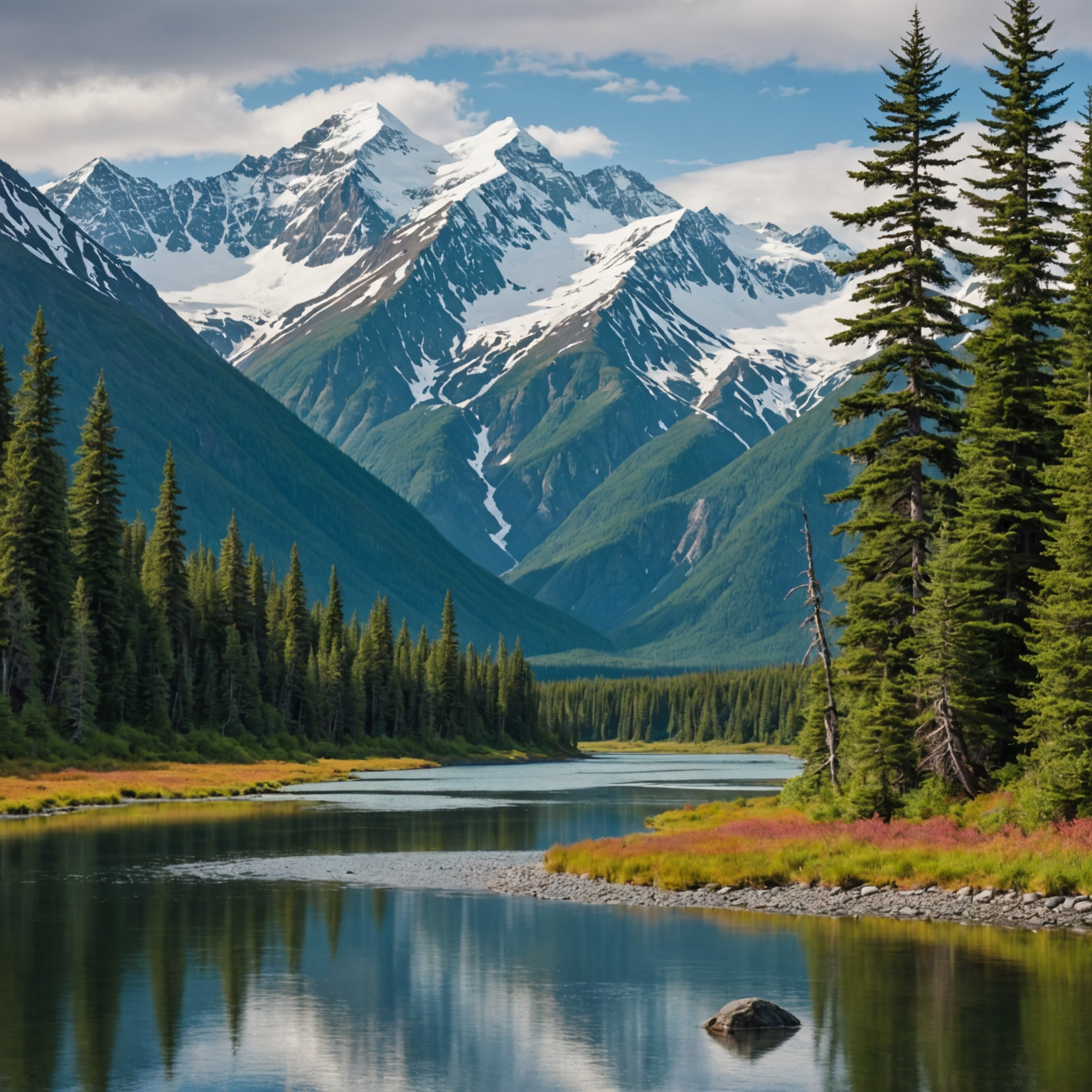
Alaska’s vast and varied ecosystems make it an ideal location for bear tracking. The state is home to an estimated 30,000 brown bears, a population that thrives in Alaska’s diverse landscapes, from coastal areas to dense forests and alpine tundra. The abundance of salmon-rich rivers and pristine wilderness offers the perfect backdrop for grizzly bear sightings.
The Alaska Department of Fish and Game provides extensive resources on living with and understanding bears, highlighting the need for responsible and sustainable tourism practices.
The Role of Professional Bear Trackers
Professional bear trackers in Alaska are trained to ensure both the safety of visitors and the bears themselves. They possess in-depth knowledge of bear behavior and ecology, allowing them to guide tourists to prime viewing spots without disturbing the animals. These experts prioritize ethical wildlife interactions, teaching participants how to observe bears safely and respectfully.
A Day in the Life of a Bear Tracker
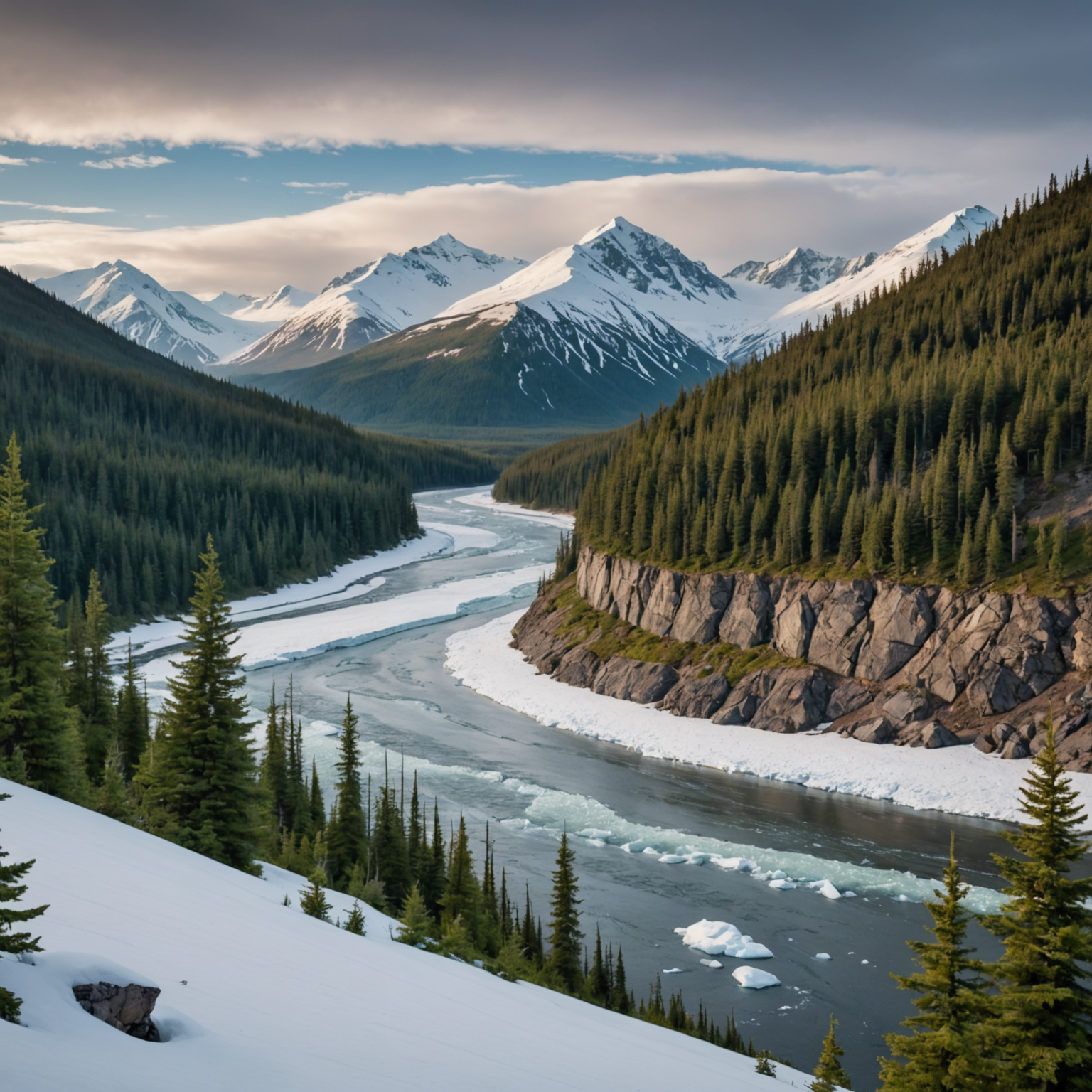
A typical bear tracking excursion involves navigating through breathtaking landscapes, often by boat or on foot. The journey might take you to places like Katmai National Park or the Kenai Fjords, renowned for their thriving bear populations. As you explore these stunning environments, bear trackers provide insights into the ecological significance of the bears and the surrounding habitats.
Planning Your Bear Tracking Adventure
Best Time to Go Bear Tracking
The best time for bear tracking in Alaska generally spans from late spring to early fall. During this period, bears emerge from hibernation and congregate near rivers and streams to feed on spawning salmon. The National Park Service offers detailed information on seasonal bear behavior and park access, assisting in planning your visit.
Choosing the Right Tour
When selecting a bear tracking tour, it’s essential to choose operators who emphasize sustainability and safety. Look for tours that limit group sizes to minimize environmental impact and enhance the quality of the wildlife experience. Small group tours, like those recommended for Alaska adventures, often provide more personalized and in-depth experiences.
Essential Gear and Preparation
Preparation is key to a successful bear tracking adventure. Essential gear includes sturdy hiking boots, weather-appropriate clothing, binoculars, and a camera with a zoom lens for capturing distant wildlife. Understanding the local weather forecasts, available from the National Weather Service Alaska Region, can help you pack accordingly.
Safety and Conservation
Bear Safety Tips
While observing grizzlies in the wild is exhilarating, it is crucial to prioritize safety. Bear trackers teach visitors how to remain calm and composed during encounters, maintain a safe distance, and avoid actions that could provoke the bears. The Center for Northern Forests and Arctic Information offers additional insights on wildlife safety and behavior.
The Importance of Conservation
Bear tracking tours play a vital role in conservation efforts by raising awareness about the challenges facing grizzly populations. Issues such as habitat loss and climate change underscore the need for continued conservation initiatives. Supporting responsible tourism not only enhances visitor experiences but also contributes to the protection of Alaska’s wildlife and natural habitats.
Conclusion
Joining a bear tracking tour in Alaska offers an unparalleled opportunity to connect with nature and witness the majestic beauty of grizzly bears in their natural environment. These adventures, guided by skilled trackers, blend excitement with education, fostering a deeper appreciation for wildlife conservation. Whether you’re a seasoned adventurer or a curious traveler, bear tracking in Alaska promises to be an unforgettable experience.
[spronix_cta key=”summer-adventures”]
FAQ
What is the best time of year to go bear tracking in Alaska?
The best time for bear tracking in Alaska is from late spring to early fall when bears are most active due to salmon spawning.
How close can I get to the bears during a tour?
Professional bear trackers ensure a safe distance is maintained between visitors and bears, typically using binoculars and cameras for close-up views.
What should I wear on a bear tracking tour?
Dress in layers with weather-resistant clothing and sturdy hiking boots. Bringing binoculars and a camera is also recommended.
Are bear tracking tours safe?
Yes, bear tracking tours are safe when led by experienced guides who prioritize safety protocols and educate visitors on proper behavior.
Can I bring my children on a bear tracking tour?
Many tours welcome families, but it’s important to check with the tour operator regarding age restrictions and safety guidelines.
How do bear tracking tours contribute to conservation?
Tours raise awareness about wildlife conservation and contribute financially to local conservation efforts, ensuring the protection of bear habitats.
Are there other wildlife viewing opportunities in Alaska?
Yes, Alaska offers diverse wildlife viewing, including whale watching, birding, and more. Consider exploring other adventure tours available in the state.
How should I prepare for varying weather conditions in Alaska?
Check local weather forecasts from the National Weather Service Alaska Region and pack accordingly, ensuring preparedness for changing conditions.