Introduction
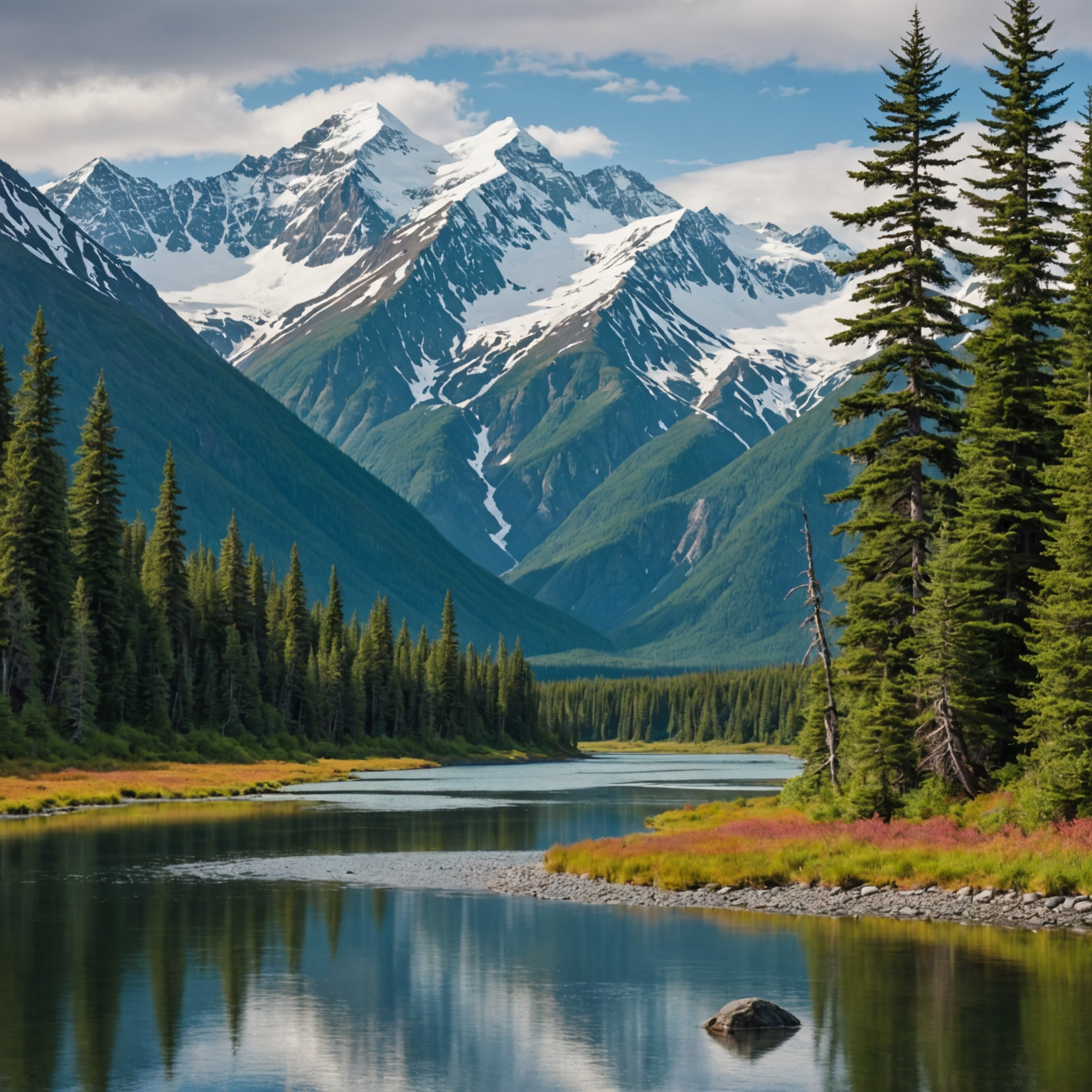
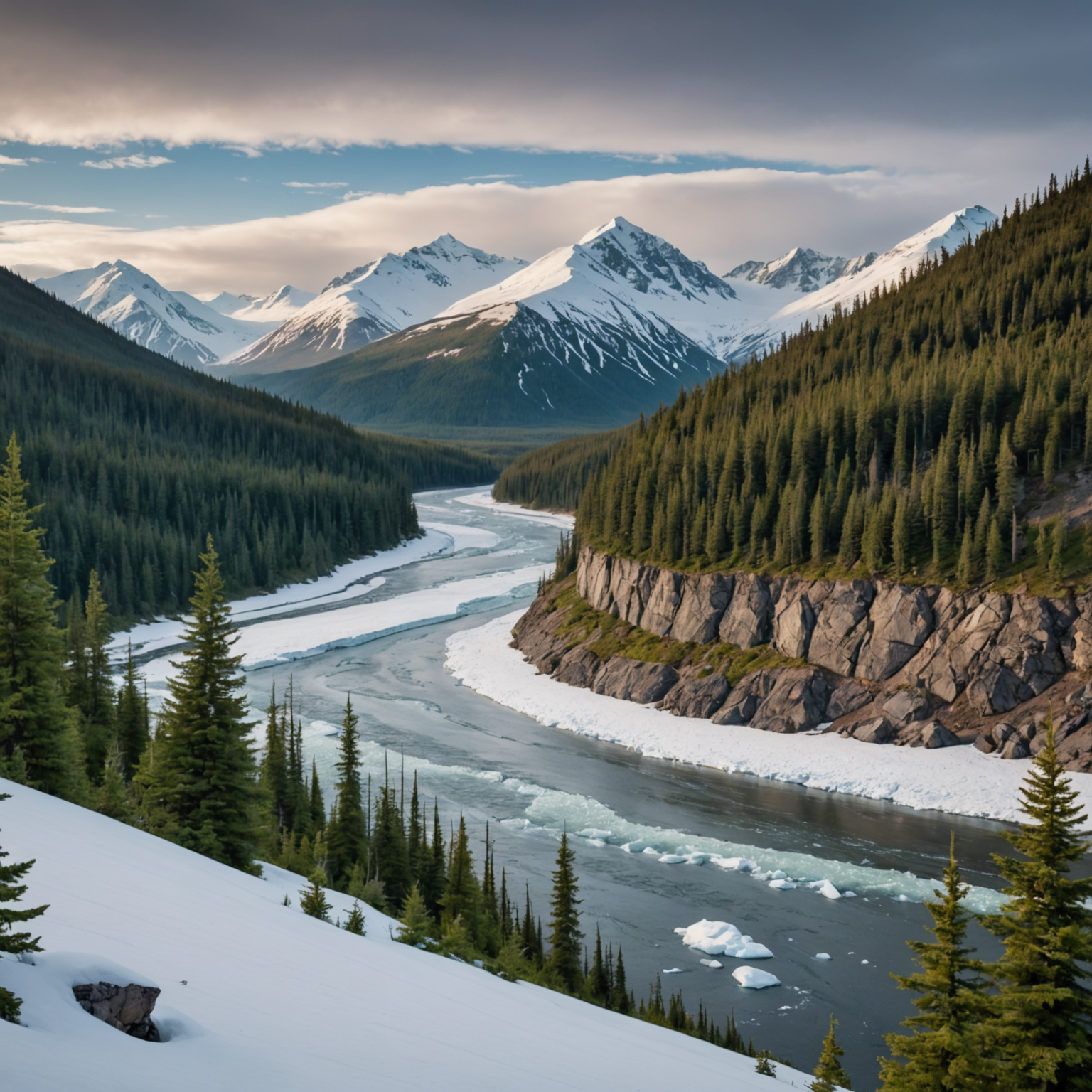
Skiing in Alaska is an exhilarating experience, offering some of the most breathtaking landscapes and challenging terrains in the world. Whether you’re gliding down the pristine slopes of Alyeska Resort or exploring the backcountry trails, staying warm and protected from the harsh elements is crucial. One essential piece of gear for your ski trip is the balaclava, a versatile and effective way to keep your face and head shielded from the cold and wind. In this comprehensive guide, we’ll dive into why a balaclava is indispensable for ski trips, explore its benefits, and offer tips on choosing the best one for your adventure in the Last Frontier.
Why a Balaclava is Essential for Skiing
Protection from the Elements
A balaclava serves as a full-face covering that provides warmth and protection against the wind, snow, and freezing temperatures. In Alaska’s extreme climate, where temperatures can plummet, having an effective barrier against the cold is vital. The balaclava’s design helps to retain heat while allowing moisture to escape, ensuring that you stay comfortable throughout your skiing adventure.
Versatility and Comfort
Balaclavas are made from various materials, including fleece, merino wool, and synthetic fibers, each offering different levels of warmth and breathability. This versatility makes it easy to find a balaclava that suits your specific needs. Additionally, the snug fit of a balaclava ensures that it stays in place, providing consistent coverage without the need for constant adjustment. Its lightweight nature means you can easily carry it in your backpack or pocket when not in use.
Enhancing Ski Safety
Visibility is crucial when skiing, and many balaclavas are designed to be worn under helmets without obstructing your view. The right balaclava can enhance your safety by reducing fogging on your goggles, a common issue in cold weather. It also helps to prevent frostbite on exposed skin, a serious risk when skiing in frigid conditions.
Choosing the Right Balaclava for Your Ski Trip
Material Matters
Selecting the right material is key to finding the perfect balaclava. Merino wool is an excellent choice for its natural warmth and moisture-wicking properties. Fleece is another popular option, offering a soft feel and excellent insulation. For those who prefer synthetic materials, balaclavas made from polyester blends provide durability and quick-drying capabilities.
Design Features
When choosing a balaclava, consider designs with adjustable fits and ventilation options. Some balaclavas come with mesh panels that enhance breathability, reducing the buildup of moisture and heat. Look for models with a seamless design to prevent uncomfortable pressure points when worn under a helmet.
Finding the Perfect Fit
A well-fitting balaclava is essential for comfort and effectiveness. Ensure that it covers your face, neck, and head snugly without being too tight. Many brands offer balaclavas in multiple sizes, so take the time to measure your head and choose a size that offers a secure yet comfortable fit.
Balaclava Maintenance and Care
Cleaning and Storage
To maintain your balaclava’s performance, follow the manufacturer’s care instructions. Most balaclavas can be machine washed on a gentle cycle with mild detergent. Avoid using fabric softeners, as they can impact the material’s breathability. After washing, lay the balaclava flat to dry, avoiding direct sunlight or heat sources.
Long-Term Storage
When not in use, store your balaclava in a cool, dry place. If you’re planning an extended break from skiing, consider storing it in an airtight bag to protect it from dust and pests.
Conclusion
A balaclava is an indispensable part of your ski gear, especially when tackling the Alaskan slopes. Its ability to provide warmth, comfort, and protection makes it a valuable asset for any skier. By choosing the right material and design, you can ensure that your balaclava meets your needs and enhances your skiing experience. As you prepare for your next ski trip, consider exploring multi-day tours in Alaska that offer a unique adventure across stunning terrains.
For more tips on planning affordable Alaska trips, visit this guide, and learn about the best lodges for Northern Lights viewing here.
FAQ
What is a balaclava?
A balaclava is a type of headwear that covers the entire head, face, and neck, leaving only the eyes, mouth, or nose exposed, depending on the design. It is often used for warmth and protection in cold weather.
Why should I wear a balaclava when skiing in Alaska?
Wearing a balaclava while skiing in Alaska helps protect against extreme cold, wind, and snow, reducing the risk of frostbite and enhancing your comfort and safety.
How do I choose the right balaclava?
Consider factors such as material, breathability, fit, and design features like adjustable ventilation. Choose a balaclava that suits your specific needs and preferences for warmth and comfort.
Can I wear a balaclava under a ski helmet?
Yes, most balaclavas are designed to be worn comfortably under a ski helmet. Look for seamless designs and snug fits to ensure they do not interfere with your helmet’s fit or function.
How do I clean my balaclava?
Follow the manufacturer’s care instructions. Generally, machine wash on a gentle cycle with mild detergent and lay flat to dry. Avoid fabric softeners and direct heat.
Can balaclavas be used for activities other than skiing?
Absolutely! Balaclavas are versatile and can be used for other outdoor activities such as snowboarding, hiking, or even dog sledding. Learn more about dog sledding with huskies here.
Are there any alternatives to balaclavas for face protection?
Alternatives include neck gaiters, scarves, and face masks, though they may not offer the same comprehensive coverage and warmth as a balaclava.