Introduction
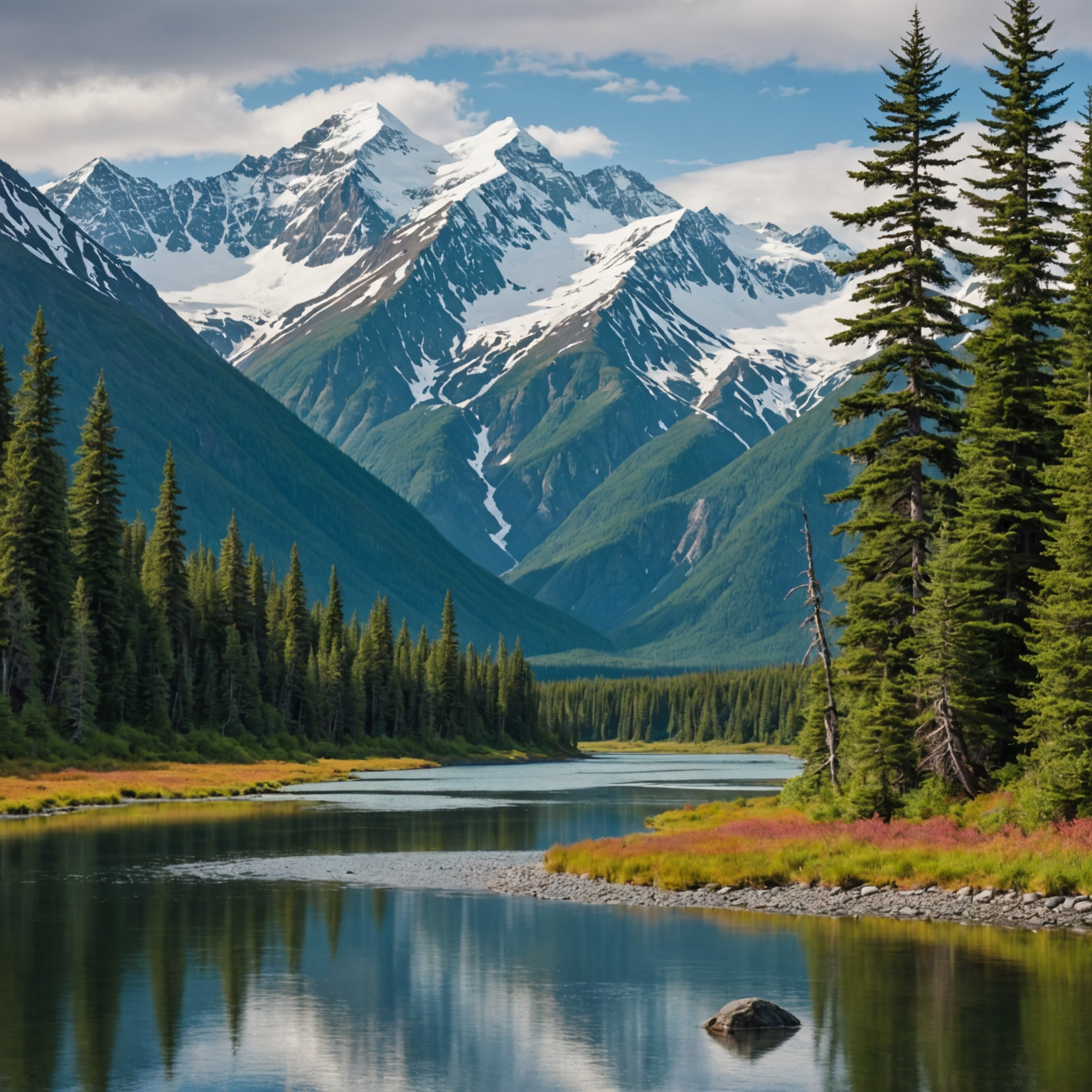
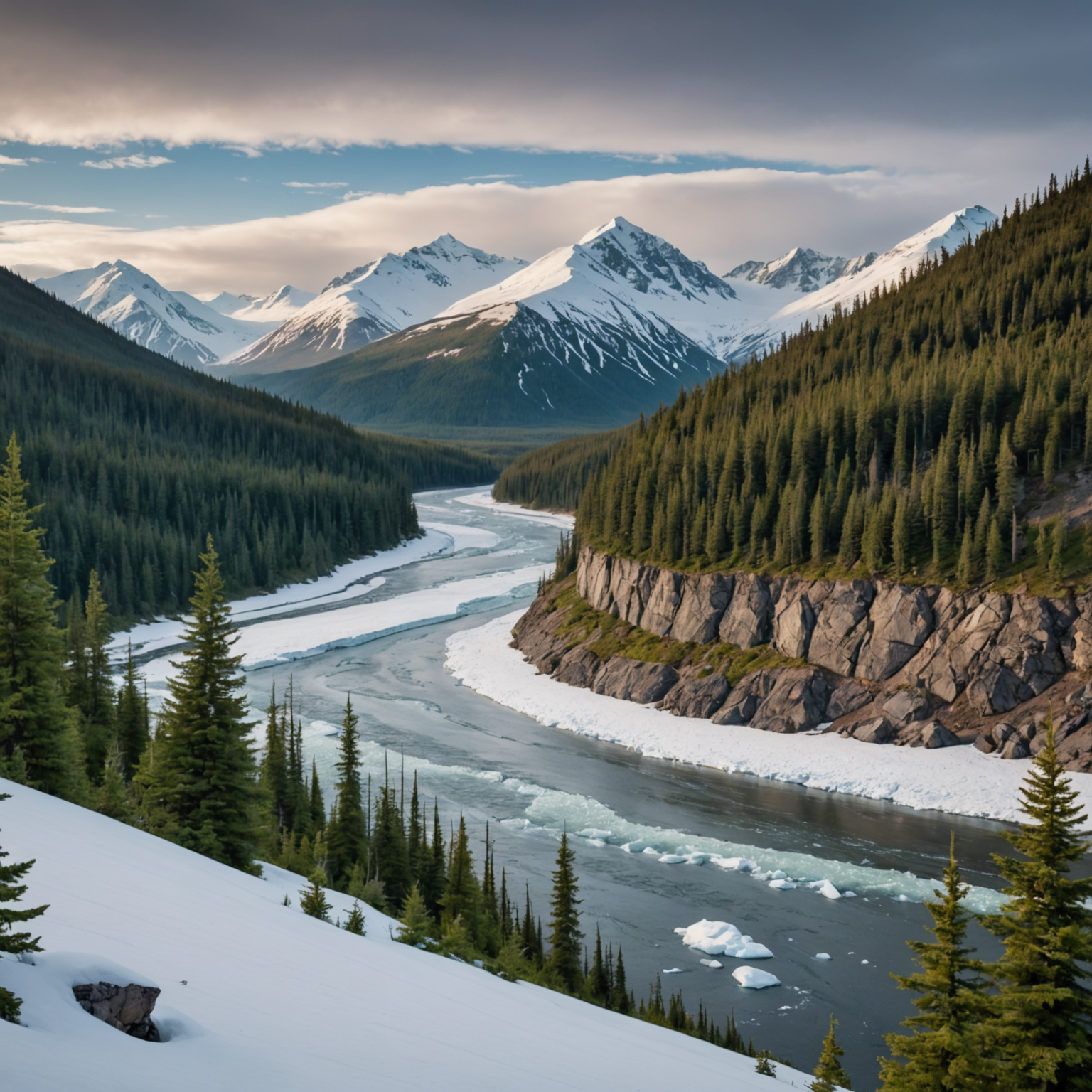
Alaska, the Last Frontier, offers some of the most pristine and untouched backcountry wilderness in the world. For the avid camper and nature enthusiast, there’s no better way to experience this vast wilderness than by setting up a backcountry campsite in the heart of Alaska’s wild parks. From towering mountains and sprawling glaciers to dense forests and vibrant wildlife, Alaska’s backcountry provides a unique opportunity to disconnect from the modern world and immerse oneself in nature. This guide will help you discover the best backcountry campsites across Alaska, ensuring a memorable and safe adventure.
[spronix_cta key=”winter-adventures”]
Why Choose a Backcountry Campsite in Alaska?
Camping in Alaska’s backcountry is not just about pitching a tent; it’s about embracing an adventure that offers unparalleled solitude and natural beauty. The vastness of Alaska’s parks means you can often find a campsite with no one else around for miles. Whether you’re a seasoned backpacker or a novice camper, the backcountry offers something for everyone. Here are a few reasons why choosing a backcountry campsite in Alaska can be the adventure of a lifetime:
Unmatched Scenery: From the Northern Lights to majestic mountains, Alaska’s landscapes are breathtaking. For those interested in viewing the Northern Lights, consider checking out the best times and places to see them in Alaska.
Diverse Wildlife: Encounter animals such as moose, bears, and eagles in their natural habitats. It’s important to be aware of wildlife safety practices, particularly when it comes to living with bears.
Adventure Opportunities: In addition to camping, Alaska offers a variety of outdoor activities like hiking, fishing, and dog sledding. For a truly unique experience, try a dog sledding adventure in Denali.
Top Backcountry Campsites in Alaska
Denali National Park
Denali National Park is a crown jewel of Alaska, home to North America’s tallest peak, Denali. The park offers a vast wilderness with limited marked trails, allowing for a true backcountry experience. Camping here requires a permit, and it’s essential to practice Leave No Trace principles to preserve the park’s natural beauty.
Wonder Lake: A popular destination for backpackers, offering stunning views of Denali and opportunities for wildlife sightings.
Kantishna Hills: For those seeking solitude, the Kantishna Hills provide a more remote camping experience with breathtaking vistas of the surrounding mountains.
For more on planning your trip to Denali, visit the official park page.
Wrangell-St. Elias National Park
Wrangell-St. Elias is the largest national park in the United States, larger than Switzerland, and offers endless backcountry camping opportunities. Its remote location means fewer visitors, providing a true wilderness experience.
Root Glacier: Camp near this stunning glacier for an unforgettable experience. The hike to the glacier is challenging but rewarding.
Nabesna Road: Offers multiple campsites with access to hiking trails and breathtaking views of the Wrangell Mountains.
Explore more about this park at the Wrangell-St. Elias National Park page.
Kenai Fjords National Park
For those who prefer their wilderness with a side of ocean views, Kenai Fjords National Park offers a unique camping experience. The park is famous for its stunning fjords and abundant marine wildlife.
Aialik Bay: Accessible by boat, this remote site offers dramatic views of tidewater glaciers and opportunities for kayaking.
Exit Glacier: While more accessible, camping here allows you to explore the Harding Icefield Trail, offering panoramic views of the icefield and surrounding mountains.
Check out more details about Kenai Fjords at the park’s official site.
Preparing for Your Backcountry Adventure
Safety First
When camping in the backcountry, safety should always be a priority. Weather conditions in Alaska can change rapidly, so it’s crucial to be prepared. Check the local weather forecast before your trip and carry appropriate gear.
Bear Safety: Understanding bear behavior and carrying bear spray is essential. Visit Alaska Department of Fish and Game for more tips.
Navigation: Always carry a map and compass. GPS devices are useful, but they shouldn’t be relied upon solely.
Leave No Trace
Preserving Alaska’s pristine beauty is the responsibility of every camper. Follow Leave No Trace principles to minimize your impact:
- Pack out all trash and food waste.
- Camp on durable surfaces to avoid damaging vegetation.
- Respect wildlife by observing from a distance.
For more on Leave No Trace, visit Leave No Trace Center for Outdoor Ethics.
Conclusion
Alaska’s backcountry campsites offer an unparalleled opportunity to experience nature in its most raw and untouched form. Whether you’re drawn to the towering peaks of Denali, the vastness of Wrangell-St. Elias, or the coastal beauty of Kenai Fjords, Alaska’s wilderness promises an adventure of a lifetime. Prepare well, stay safe, and leave no trace to ensure these beautiful landscapes remain pristine for future generations.
For those interested in combining their camping trip with other adventures, consider exploring sled dog tours in Alaska or planning a Denali backcountry snowmobile adventure.
[spronix_cta key=”winter-adventures”]
FAQ
What permits do I need for backcountry camping in Alaska?
Permits are required for backcountry camping in most national parks, including Denali and Wrangell-St. Elias. It’s essential to check each park’s website for specific permit requirements and regulations.
How do I protect myself from bears while camping?
Always store food and scented items in bear-proof containers and away from your sleeping area. Carry bear spray and know how to use it effectively. More tips can be found on the Alaska Department of Fish and Game website.
When is the best time to camp in Alaska?
The best time for backcountry camping in Alaska is typically from late May to early September, when the weather is milder, and trails are more accessible.
What should I pack for a backcountry camping trip in Alaska?
Pack essentials like a tent, sleeping bag, cooking gear, food, water purification system, clothing suitable for varying weather conditions, a map, compass, and a first-aid kit.
Can I see the Northern Lights while camping in Alaska?
Yes, the Northern Lights are visible from many parts of Alaska. For more information on where and when to see them, visit Northern Lights viewing in Alaska.
Are there guided backcountry camping tours available?
Yes, there are guided tours available that provide a safe and informative way to experience Alaska’s backcountry. Check with local tour operators for more information.
What wildlife can I expect to see in Alaska’s backcountry?
Common wildlife includes moose, bears, wolves, caribou, and various bird species. Always maintain a safe distance and respect wildlife in their natural habitat.
How do I prepare for the weather while camping in Alaska?
Alaska’s weather can be unpredictable. Check the National Weather Service for up-to-date forecasts and pack layers to adjust to changing conditions.