Introduction
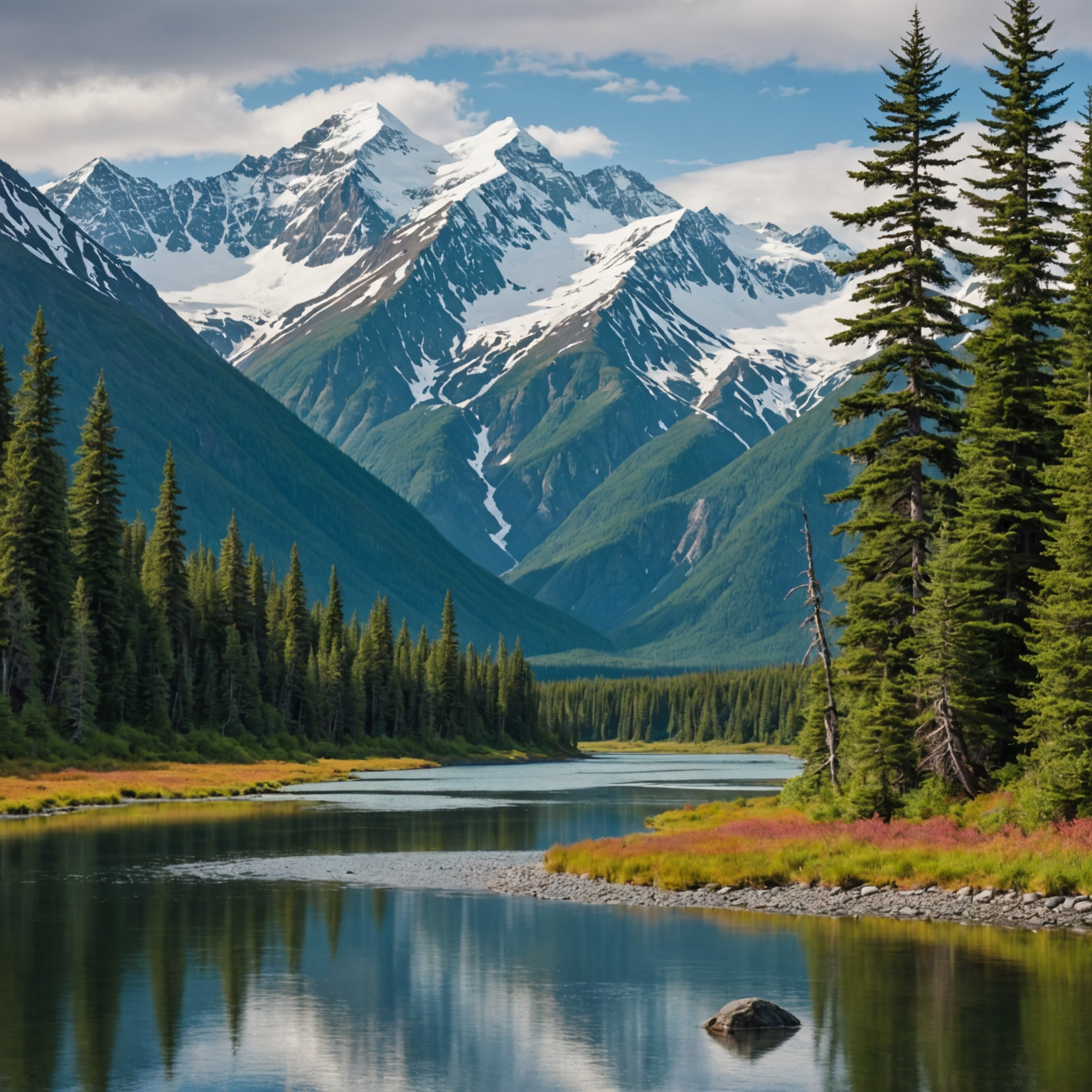
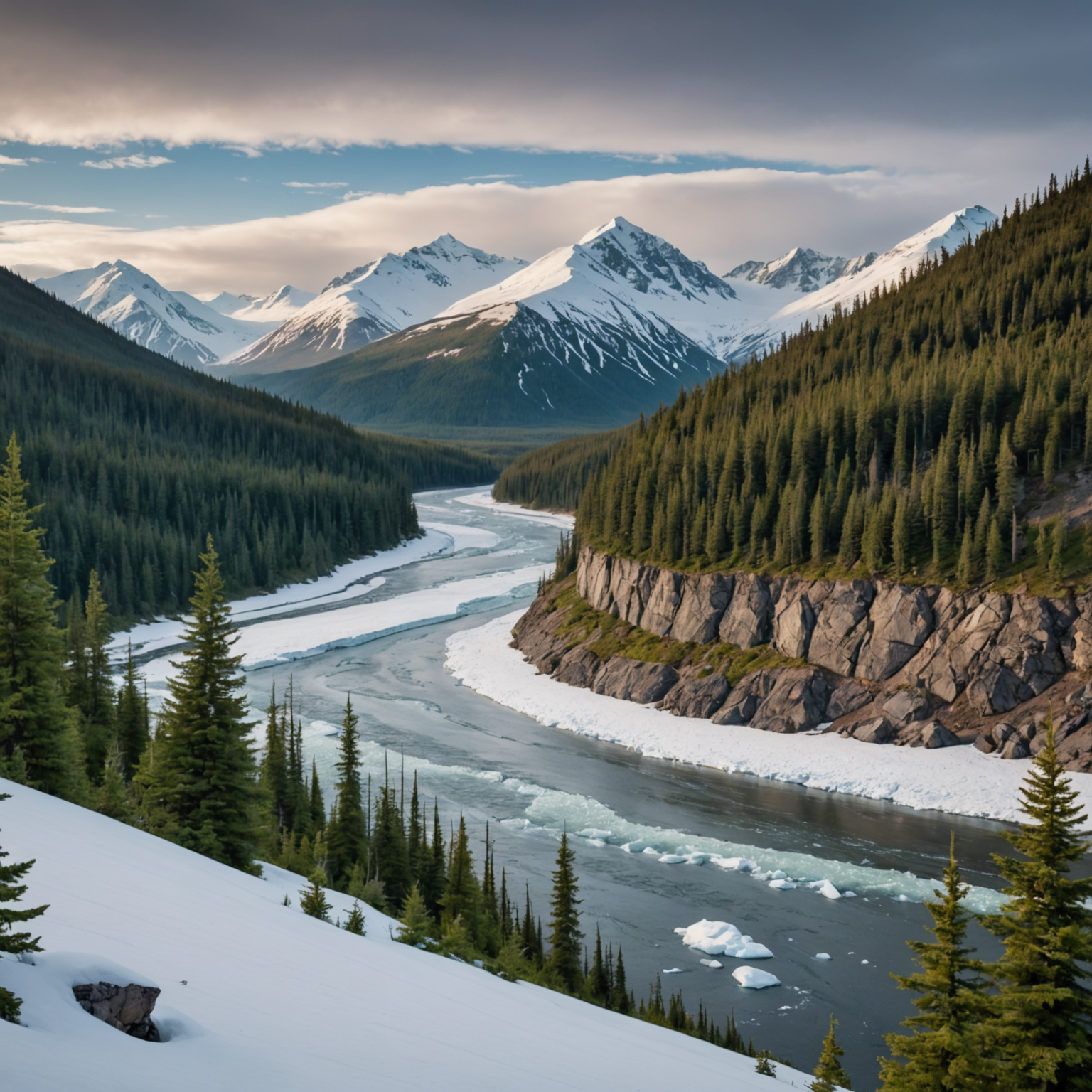
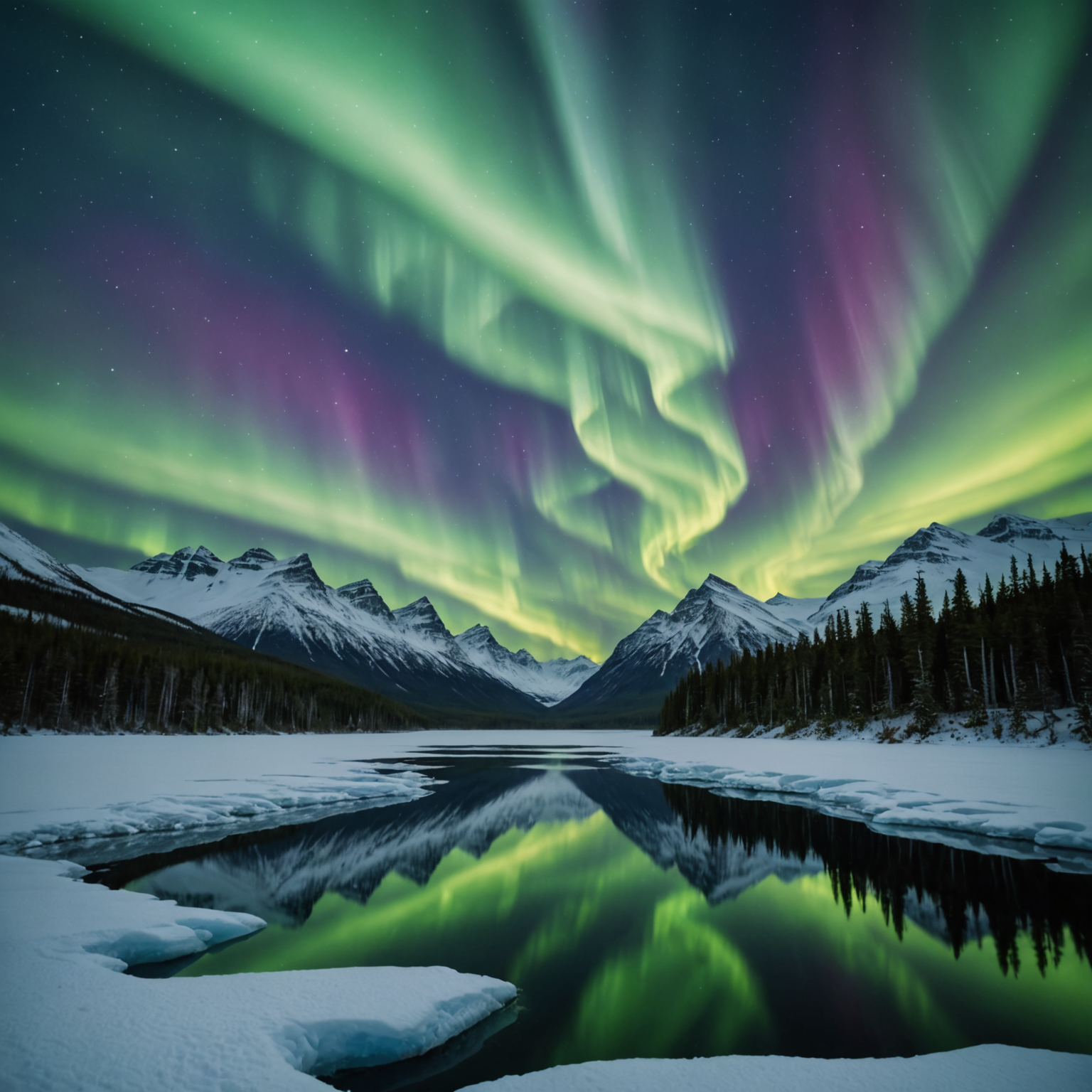
Alaska, with its vast wilderness and breathtaking landscapes, offers an unparalleled experience for those seeking an Aurora winter adventure. The northern lights, or Aurora Borealis, are a natural phenomenon that lights up the night sky with vibrant colors of green, purple, and red. This magical display is a must-see for any traveler visiting Alaska during the winter months. With its remote locations and clear skies, Alaska provides one of the best opportunities to witness this stunning spectacle. In this blog post, we will explore the best ways to experience the aurora winter in Alaska, from guided tours to self-planned adventures, ensuring that your trip is both memorable and fulfilling.
[spronix_cta key=”northern-lights-adventures”]
Planning Your Aurora Winter Trip
Timing is Everything
The best time to witness the northern lights in Alaska is between September and April, with peak viewing months being February and March. During these months, the nights are longer, providing more time to catch the auroras dancing across the sky. For those looking to plan their trip, it is essential to check the aurora forecast to maximize your chances of seeing this natural wonder. The forecast provides valuable information on auroral activity and visibility.
Choosing the Right Location
Alaska boasts several prime locations for viewing the northern lights, each offering its unique charm. Fairbanks, often referred to as the “Aurora Capital of North America,” is one of the most popular destinations. The city offers various northern lights tour options and accommodations designed to enhance your viewing experience.
For those seeking a more rugged adventure, the small town of Talkeetna offers a rustic charm and excellent viewing opportunities. Learn more about what Talkeetna has to offer here. Meanwhile, Denali National Park provides a backdrop of stunning landscapes to complement the northern lights.
Guided Tours vs. Self-Guided Adventures
Deciding between a guided tour and a self-guided adventure is a personal choice that depends on your comfort level and experience. Guided tours provide the convenience of transportation, expert knowledge, and often include additional activities like dog sledding or snowmobiling. For those interested in snowmobiling, consider exploring the Hatcher Pass Snowmobile Adventure.
Self-guided adventures offer more flexibility and the thrill of exploring on your own. However, it is crucial to be well-prepared by checking weather conditions through resources like the National Weather Service.
What to Expect on Your Trip
Staying Warm and Safe
Alaskan winters can be harsh, with temperatures often dipping below zero. Dressing appropriately is essential to keep warm and enjoy your aurora winter adventure. Layering is key, and it’s important to wear thermal clothing, a good quality winter jacket, and insulated boots. For more detailed advice, check out our guide on how to dress for a dog sledding trip, which provides valuable tips that apply to any winter activity in Alaska.
Safety should always be a priority. Make sure to stay informed about current weather conditions through reliable sources like the NOAA and be aware of your surroundings, especially in remote areas.
Additional Activities
An aurora winter trip to Alaska isn’t just about the northern lights. The state offers a wide range of winter activities that can make your trip even more memorable. Dog sledding is a quintessential Alaskan experience that allows you to explore the snowy wilderness with a team of huskies. Learn more about the role of huskies in Alaska’s dog sled culture and why it’s a beloved tradition.
For those who enjoy more adrenaline-pumping activities, consider trying a snow jet ski tour. These tours offer a unique way to explore Alaska’s snowy landscapes and are sure to provide an unforgettable experience.
Conclusion
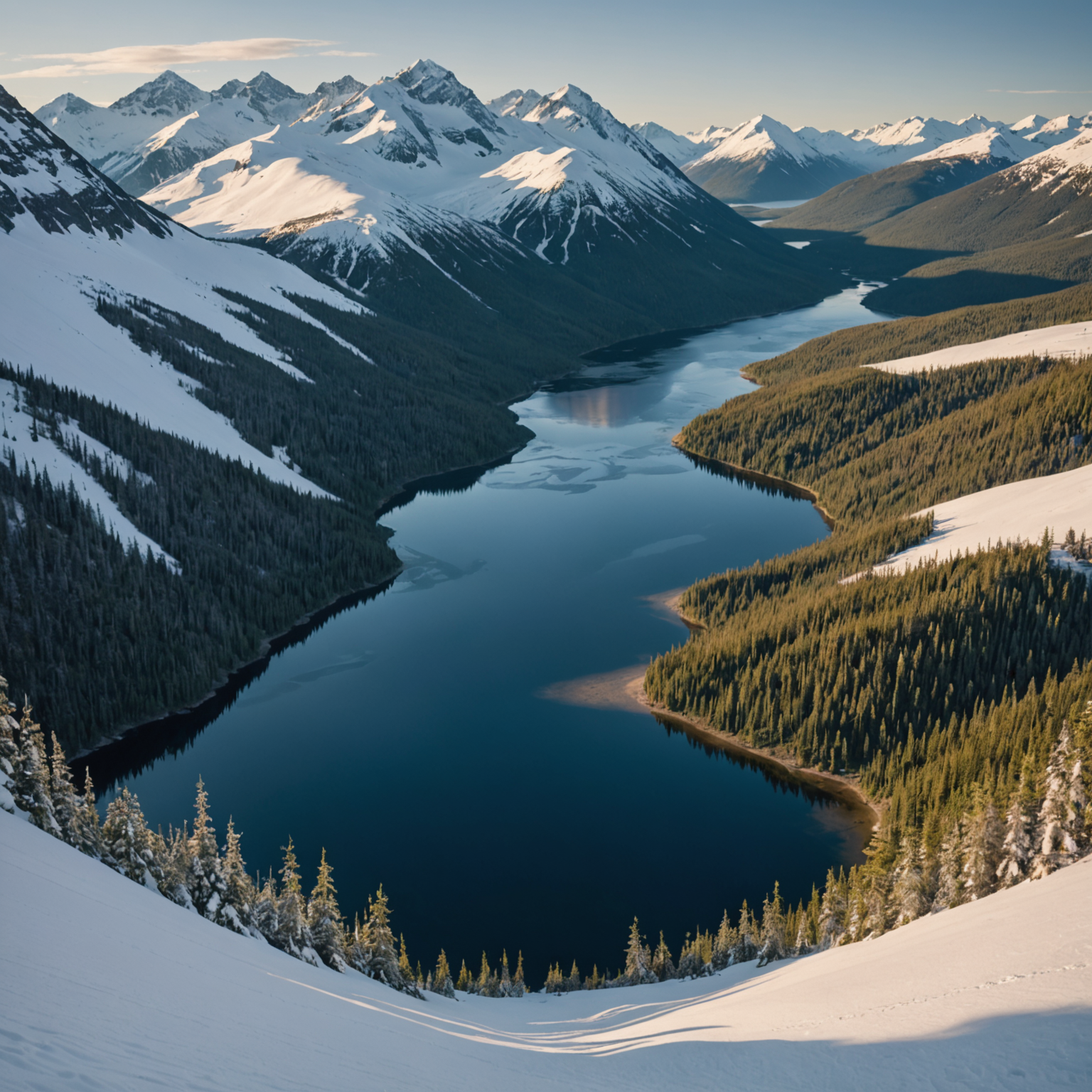
An aurora winter adventure in Alaska is an experience like no other. From the mesmerizing northern lights to the thrilling winter activities, Alaska offers a perfect blend of natural beauty and outdoor excitement. Whether you choose a guided tour or venture out on your own, proper planning and preparation are key to making the most of your trip. Remember to dress appropriately, stay informed about weather conditions, and most importantly, enjoy the breathtaking beauty that Alaska has to offer.
[spronix_cta key=”northern-lights-adventures”]
FAQ
1. What is the best time to see the northern lights in Alaska?
The best time to see the northern lights in Alaska is between September and April, with peak viewing months being February and March.
2. Where are the best places to view the northern lights in Alaska?
Fairbanks, Talkeetna, and Denali National Park are some of the best places to view the northern lights in Alaska.
3. Should I join a guided tour to see the northern lights?
A guided tour offers convenience and expert knowledge, making it a great option for first-time visitors. However, experienced travelers may enjoy the flexibility of a self-guided adventure.
4. What should I wear during my aurora winter trip?
It’s important to wear layers, including thermal clothing, a high-quality winter jacket, and insulated boots. For more details, visit our dressing guide.
5. Are there other activities to do in Alaska during the winter?
Yes, activities such as dog sledding, snowmobiling, and snow jet ski tours are popular winter activities in Alaska.
6. How can I check the weather conditions before my trip?
Use reliable sources such as the National Weather Service to check current weather conditions in Alaska.
7. Is it safe to travel to remote areas in Alaska during winter?
Traveling to remote areas can be safe if you are well-prepared and informed about current weather conditions and potential hazards.