Introduction
All-terrain vehicle (ATV) night riding offers an exhilarating experience that combines adventure with the beauty of nature under a starlit sky. Alaska, with its expansive wilderness and stunning landscapes, is one of the best places to embark on this unique journey. Whether you’re an adrenaline junkie or a nature enthusiast, ATV night riding in Alaska provides a thrilling opportunity to explore trails that are often overlooked during the day. In this article, we’ll delve into what makes ATV night riding so special, how to prepare for it, and what you can expect from your nocturnal adventure.
The Unique Thrill of ATV Night Riding
ATV night riding is not just about the rush of driving through rugged terrains; it’s about immersing yourself in a different world. As the sun sets, Alaska transforms into a tranquil yet mysterious landscape where shadows dance and the sounds of wildlife become more pronounced. Night riding allows you to see familiar trails in a new light—or rather, the lack of it. The moonlight reflecting off the snow or the silhouette of trees against a starlit sky adds a magical element to the ride.
Why Alaska?
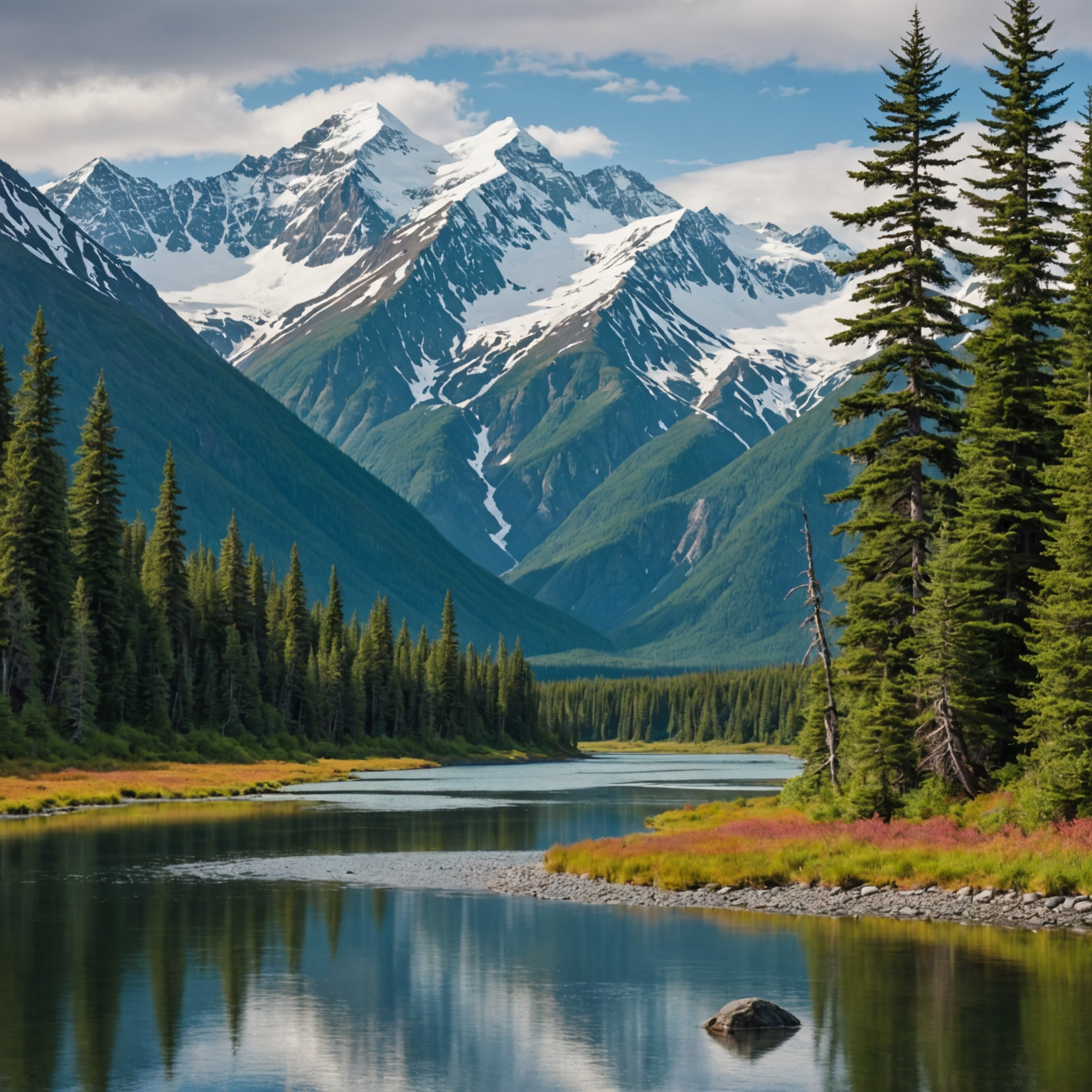
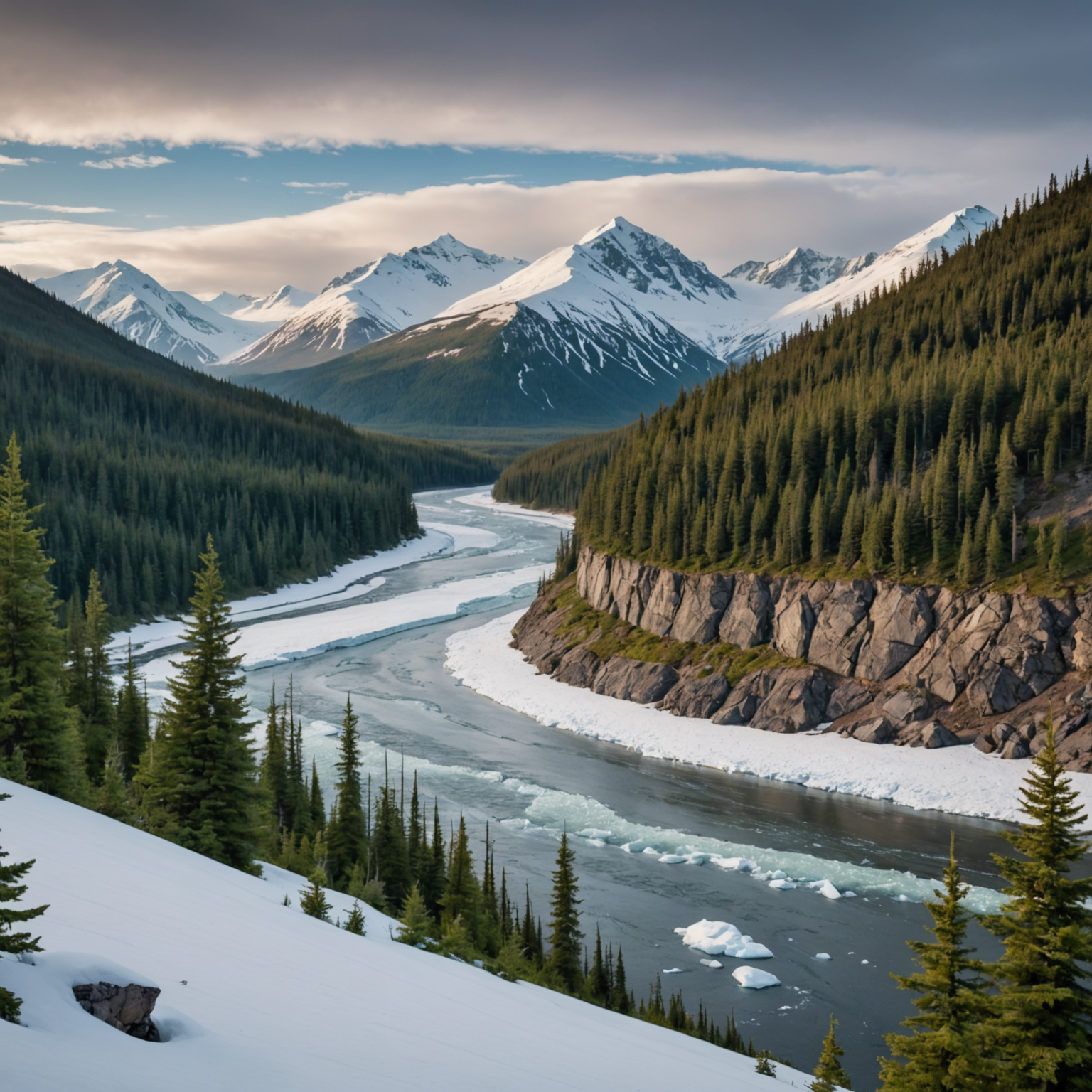
Alaska’s vast wilderness, combined with its relatively low levels of light pollution, makes it an ideal location for night riding. The state’s well-maintained trails offer diverse landscapes to explore, from dense forests to open tundra. Moreover, the possibility of witnessing the Northern Lights during your ride adds a breathtaking visual spectacle. For those looking to explore more of Alaska’s natural wonders, this guide on Alaska winter tours offers additional options.
Preparing for Your Night Adventure
Preparation is key to a successful and safe ATV night riding experience. Here are some tips to ensure you’re ready for the adventure:
Gear Up Properly: Ensure you have the right gear, including a helmet with a visor, gloves, and full-body protective clothing. These not only provide safety but also shield you from the cold night air.
Equip Your ATV: Your ATV should have powerful headlights and taillights. Consider adding auxiliary lights for better visibility. Regular maintenance checks are essential to ensure your vehicle is in top condition.
Safety First: Always ride with a partner or group, and carry a first-aid kit, GPS, and communication devices. Familiarize yourself with Alaska’s travel guidelines for safe and easy trips.
Weather Awareness: Check the weather forecast before heading out. The National Weather Service provides reliable updates for the Alaskan region, which are crucial for planning your ride.
Navigating Alaska’s Wilderness at Night
Riding through Alaska’s wilderness at night requires a different set of skills compared to daytime riding. Here are some aspects to consider:
Trail Selection
Choose trails that you are familiar with, as navigating new paths in the dark can be challenging. The Hatcher Pass area offers some excellent trails for night riding, with varying levels of difficulty.
Wildlife Encounters
Alaska’s wilderness is home to a diverse range of wildlife. While night riding, keep an eye out for nocturnal animals. It’s important to respect their habitat and maintain a safe distance. For more information on coexisting with wildlife, the Alaska Department of Fish and Game provides useful resources.
The Northern Lights
One of the most captivating aspects of ATV night riding in Alaska is the chance to see the Aurora Borealis. The Geophysical Institute’s Aurora Forecast can help you plan your ride for optimal viewing conditions.
Conclusion
ATV night riding in Alaska offers an unparalleled adventure, combining the thrill of off-road driving with the serenity of a starlit wilderness. By preparing adequately and respecting the natural environment, you can enjoy a safe and memorable experience. Whether you’re captivated by the chance to see the Northern Lights or eager to explore Alaska’s trails under the moonlight, this adventure promises lasting memories.
FAQ
What should I wear for ATV night riding in Alaska?
For ATV night riding in Alaska, wear a helmet with a visor, insulated gloves, and full-body protective clothing to stay warm and safe. Layering is key, as temperatures can drop significantly at night.
Is it safe to ride ATVs at night in Alaska?
Yes, it is safe if you take proper precautions. Always ride with a partner or group, ensure your ATV is well-equipped with lights, and familiarize yourself with the trail beforehand. Carrying a GPS and communication devices is also recommended.
Can I see the Northern Lights while ATV night riding?
Yes, Alaska is one of the best places to witness the Northern Lights. Check the Aurora Forecast for optimal viewing times and plan your ride accordingly.
What are some popular trails for ATV night riding in Alaska?
Hatcher Pass is a popular area with trails suitable for night riding. It’s advisable to ride on trails you are familiar with to avoid getting lost.
How do I prepare my ATV for night riding?
Ensure your ATV has powerful headlights and taillights. Consider adding auxiliary lights for better visibility. Perform regular maintenance checks to ensure the vehicle is in good condition.
Are there guided ATV night tours available in Alaska?
Yes, several operators offer guided ATV night tours. These tours provide expertise and safety for those unfamiliar with the area. You can learn more about combination tours here.
What should I do in case of an emergency while night riding?
Carry a first-aid kit, GPS, and a communication device. Familiarize yourself with the area and ensure someone knows your itinerary. In case of an emergency, contact local authorities for assistance.
How can I minimize my environmental impact while night riding?
Stick to established trails, avoid disturbing wildlife, and follow the principles of Leave No Trace. This helps preserve the natural beauty of the Alaskan wilderness for future generations.