Introduction
The all natural aurora, a mesmerizing phenomenon that paints the night skies with vibrant hues of green, purple, and occasionally red, is a sight to behold. This breathtaking display, commonly known as the Northern Lights in the Northern Hemisphere and the Southern Lights in the Southern Hemisphere, is a result of solar storms interacting with our planet’s magnetic field. In this post, we’ll explore how these solar storms create such an awe-inspiring spectacle, the best times and places to witness this natural wonder, and tips for planning your own aurora-viewing adventure.
[spronix_cta key=”northern-lights-adventures”]
How Solar Storms Create the All Natural Aurora
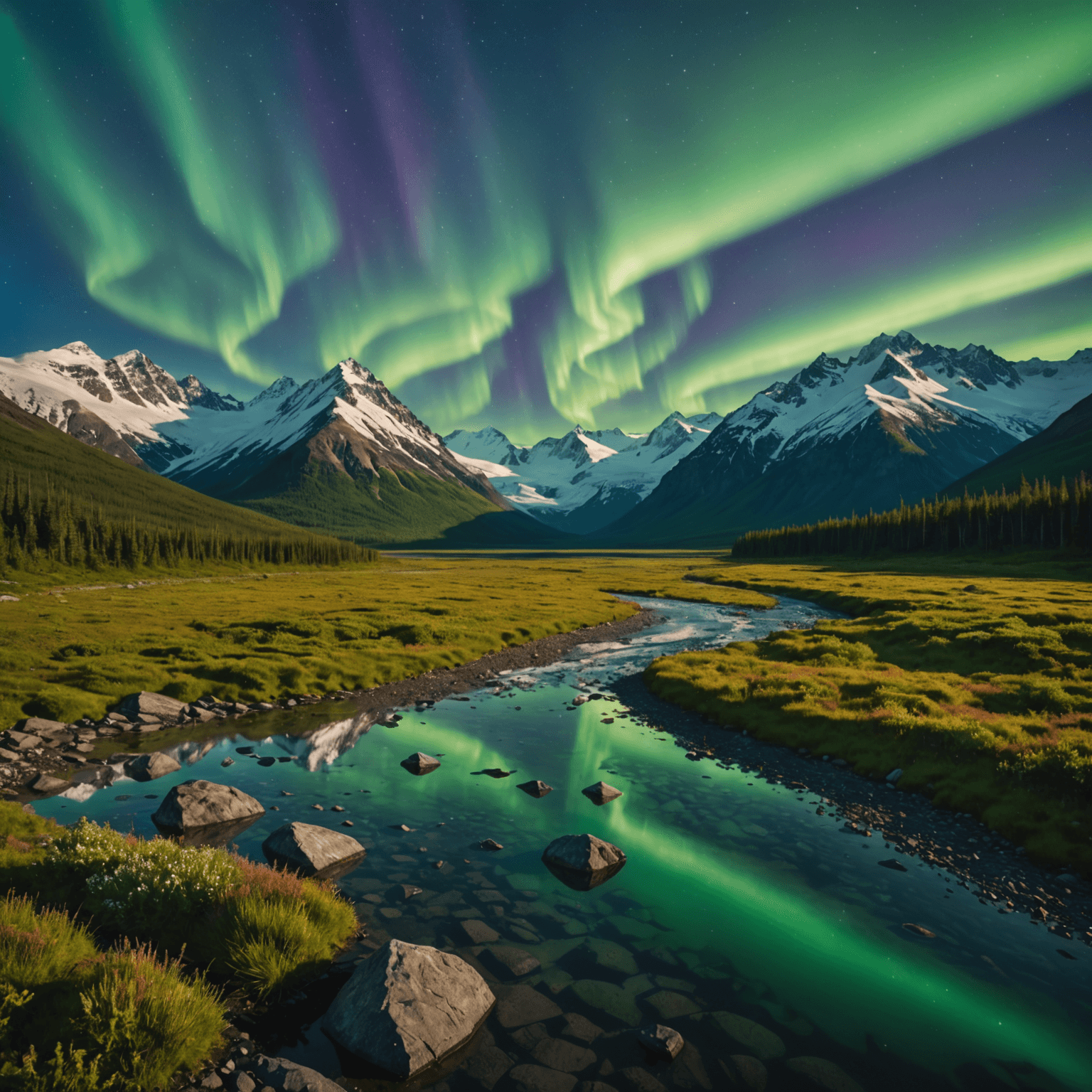
At the core of this phenomenon are solar storms, which originate from the sun’s surface. These storms are composed of charged particles that travel through space and reach Earth, where they collide with the gases in our atmosphere. This collision excites the gases, causing them to emit light. The specific colors of the aurora depend on which gases are involved and at what altitude the collisions occur. For example, oxygen at higher altitudes produces red auroras, while at lower altitudes, it emits a greenish hue. Nitrogen, on the other hand, can produce purple or blue lights.
The Role of Earth’s Magnetic Field
The Earth’s magnetic field plays a crucial role in guiding these charged particles toward the polar regions. This is why auroras are predominantly seen near the poles. The magnetic field lines converge at the poles, creating a funnel effect that directs the solar particles into the atmosphere, thus enhancing the intensity of the aurora displays.
Best Times and Places to See the Aurora
Optimal Viewing Times
The best time to witness the all natural aurora is during the winter months, from late September to early April in the Northern Hemisphere. During these months, the nights are longest and the skies are darkest, providing optimal conditions for viewing. However, the activity of the aurora is also dependent on the sun’s solar cycle, which peaks approximately every 11 years. During these peak periods, auroras are more frequent and vibrant.
Prime Locations
Some of the best places to see the aurora include Alaska, Norway, Iceland, Canada, and Finland. In Alaska, locations like Fairbanks and the surrounding areas offer excellent viewing opportunities. For those considering a trip to Alaska, Travel Alaska and Alaska.org provide valuable resources on planning your adventure, including weather conditions and travel tips.
For a unique experience, consider exploring the Glacier Northern Lights Adventure where you can combine your aurora viewing with other thrilling activities such as dog sledding.
Planning Your Aurora Adventure
Preparing for the Trip
When planning your aurora adventure, it’s essential to consider factors such as weather conditions, moon phases, and local amenities. The National Oceanic and Atmospheric Administration (NOAA) provides detailed aurora forecasts that can help you plan your trip around periods of high auroral activity. Additionally, checking resources like the Aurora Forecast from the Geophysical Institute can provide up-to-date information on auroral activity in your chosen location.
What to Bring
To make the most of your aurora viewing experience, pack warm clothing, a reliable camera with a tripod, and a good pair of binoculars. It’s also wise to bring along snacks and hot beverages to stay comfortable during long waits in the cold.
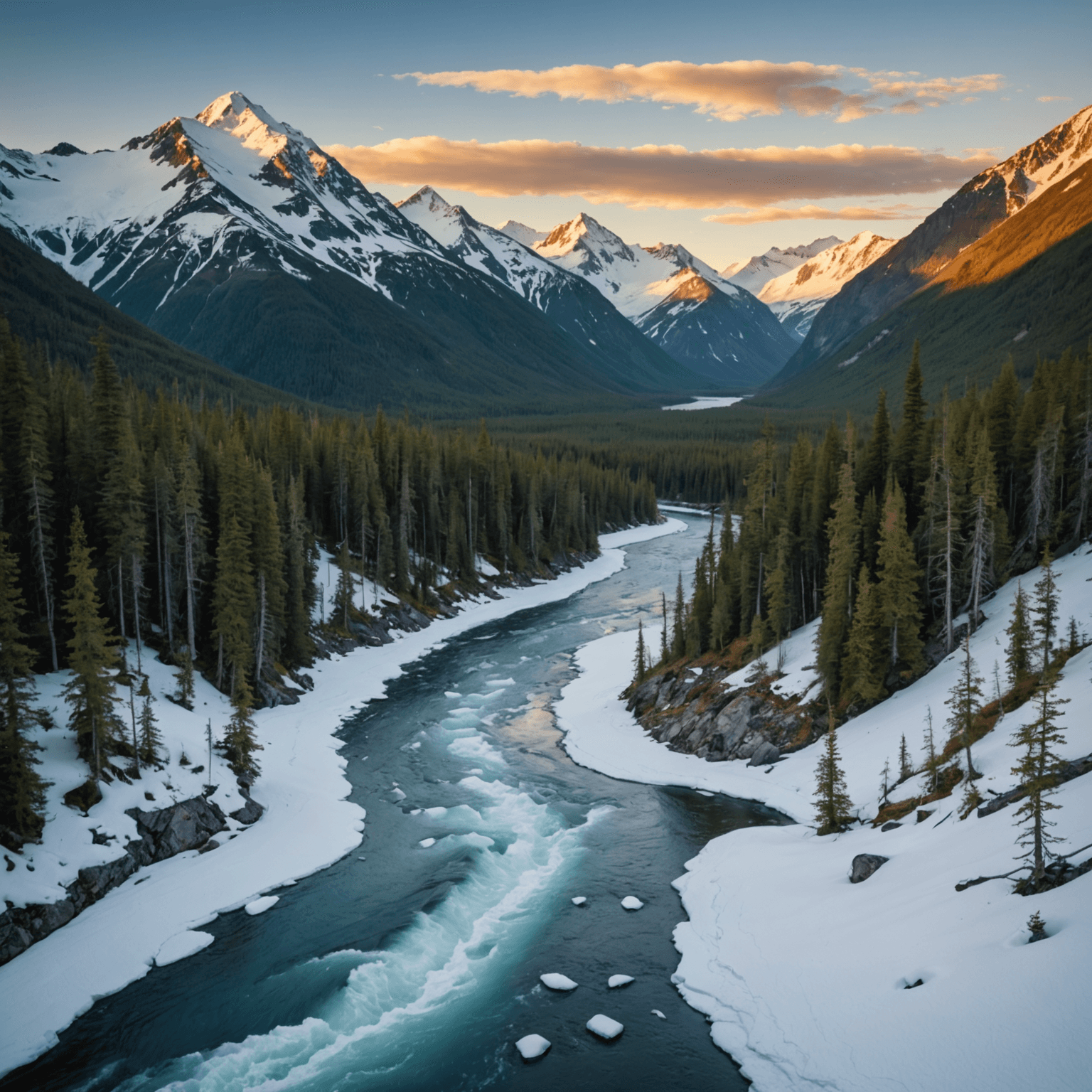
For those who want to combine their aurora experience with other winter activities, the Winter Experience Adventure Tour offers an excellent way to explore the stunning Alaskan landscape while waiting for the lights to dance.
Conclusion
The all natural aurora, with its dazzling colors and ethereal presence, continues to captivate those lucky enough to witness it. By understanding the science behind solar storms and Earth’s magnetic field, and by carefully planning your viewing adventure, you can increase your chances of experiencing this celestial spectacle. Whether you’re an avid adventurer or a curious traveler, the aurora offers an unforgettable experience that connects us with the wonders of the natural world.
[spronix_cta key=”northern-lights-adventures”]
FAQ
1. What causes an aurora to occur?
Auroras occur when charged particles from solar storms collide with gases in Earth’s atmosphere, exciting the gases and causing them to emit light.
2. Where are the best places to see an all natural aurora?
Some of the best locations for viewing auroras include Alaska, Norway, Iceland, Canada, and Finland, particularly in areas with clear, dark skies.
3. What time of year is best for viewing auroras?
The best time to view auroras is during the winter months, from late September to early April, when nights are longest and darkest.
4. How can I forecast aurora activity?
Resources such as the NOAA and the Geophysical Institute’s Aurora Forecast provide up-to-date forecasts on auroral activity.
5. What should I bring on an aurora viewing trip?
It’s essential to pack warm clothing, a camera and tripod, binoculars, snacks, and hot beverages for a comfortable and successful aurora viewing experience.
6. Can I combine aurora viewing with other activities?
Yes, many tours offer combinations of aurora viewing with activities like dog sledding or snowmobiling. Consider the Dog Sled Snowmobile Combo for an adventurous outing.
7. How does the solar cycle affect aurora sightings?
The sun’s solar cycle, which peaks approximately every 11 years, influences auroral activity. During peak periods, auroras are more frequent and vibrant.