Introduction
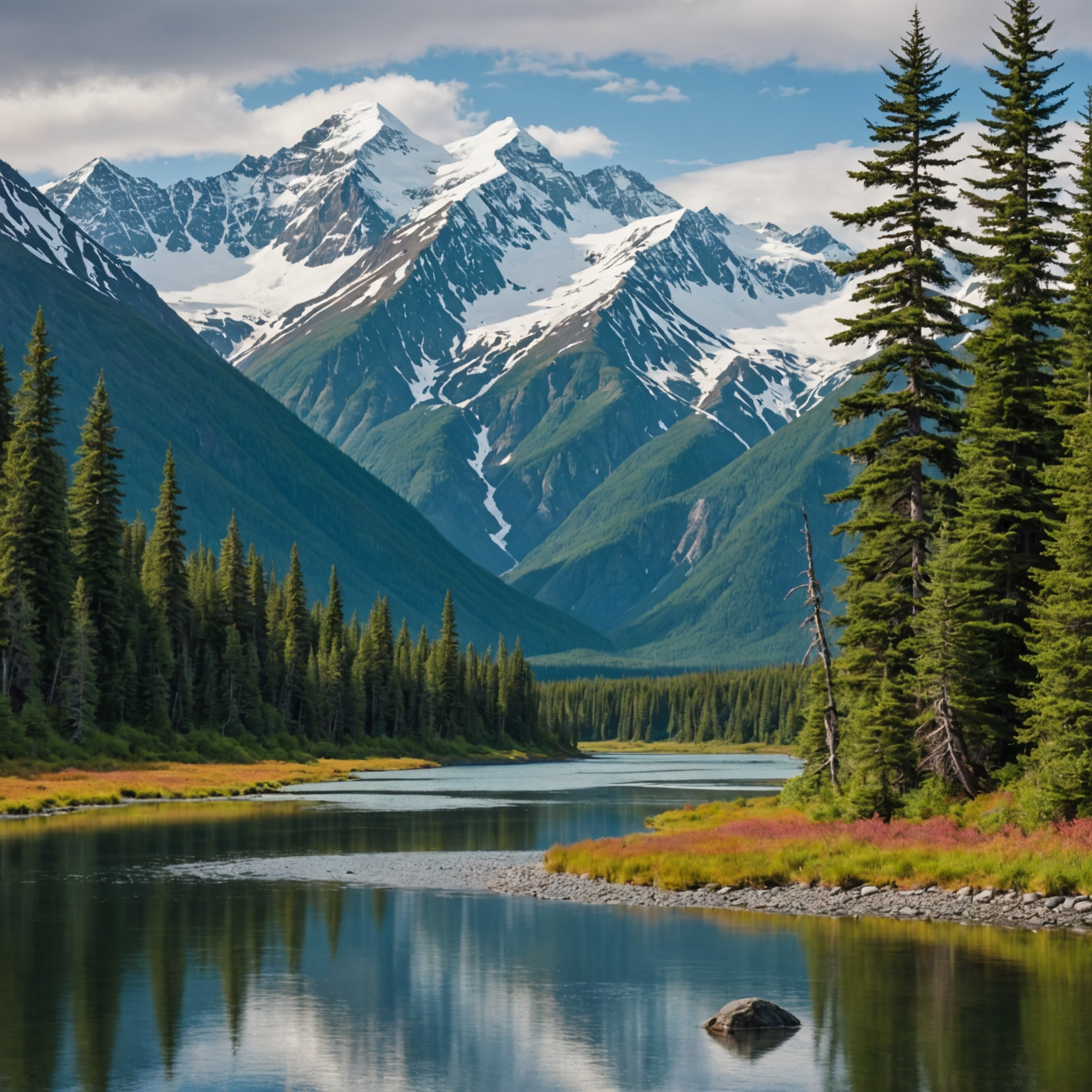
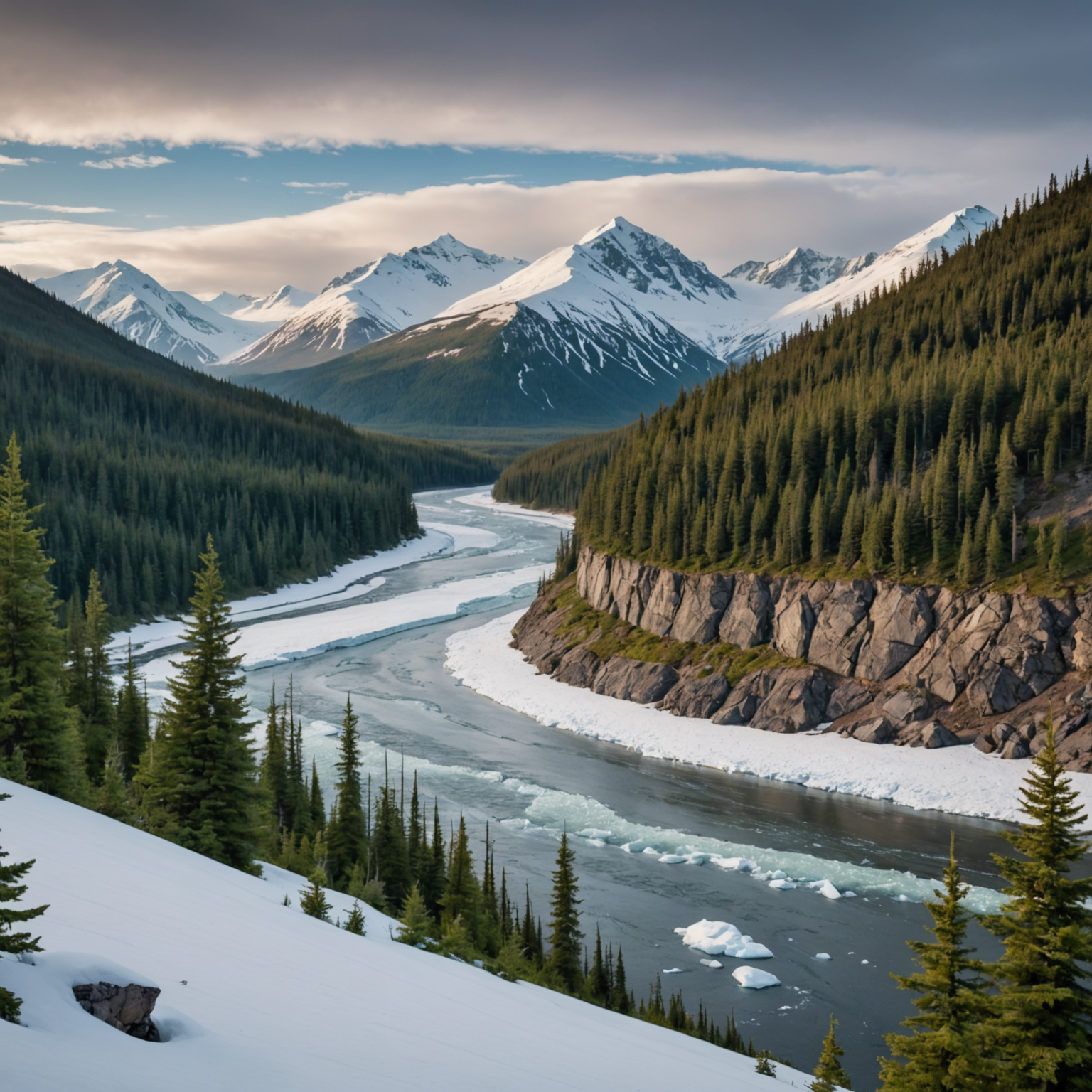
Alaska, a land of stunning natural beauty and untamed wilderness, offers an unparalleled opportunity to witness wildlife in their natural habitats. From the majestic grizzly bears to the iconic bald eagles soaring through the skies, Alaska wildlife trips promise an unforgettable adventure for nature enthusiasts and photographers alike. This guide will take you through the essential elements of planning a wildlife trip in Alaska, ensuring you get the most out of your journey through the Last Frontier.
[spronix_cta key=”wildlife”]
Best Time for Alaska Wildlife Trips
Timing is crucial when planning your Alaska wildlife trips. The summer months, from May to September, are ideal for wildlife viewing. During this period, the weather is relatively mild, and the wildlife is more active. Bears emerge from hibernation, salmon run in the streams, and migratory birds return to nest. For those interested in witnessing the northern lights, winter months offer the best chance. You can check the northern lights forecast to plan your trip around this natural phenomenon.
Popular Wildlife Destinations in Alaska
Denali National Park
Denali National Park is one of the most accessible places to see diverse wildlife, including moose, caribou, and wolves. The park spans over six million acres, offering a vast expanse of wilderness perfect for spotting animals in their natural environment. For a comprehensive guide on planning your day trips from Anchorage to Denali, check out this resource.
Kenai Fjords National Park
Kenai Fjords National Park is renowned for its marine wildlife, including orcas, humpback whales, and sea otters. A boat tour through the fjords provides breathtaking views of glaciers and the opportunity to see wildlife both in the water and along the shores. More information on this park can be found at the National Park Service.
Katmai National Park
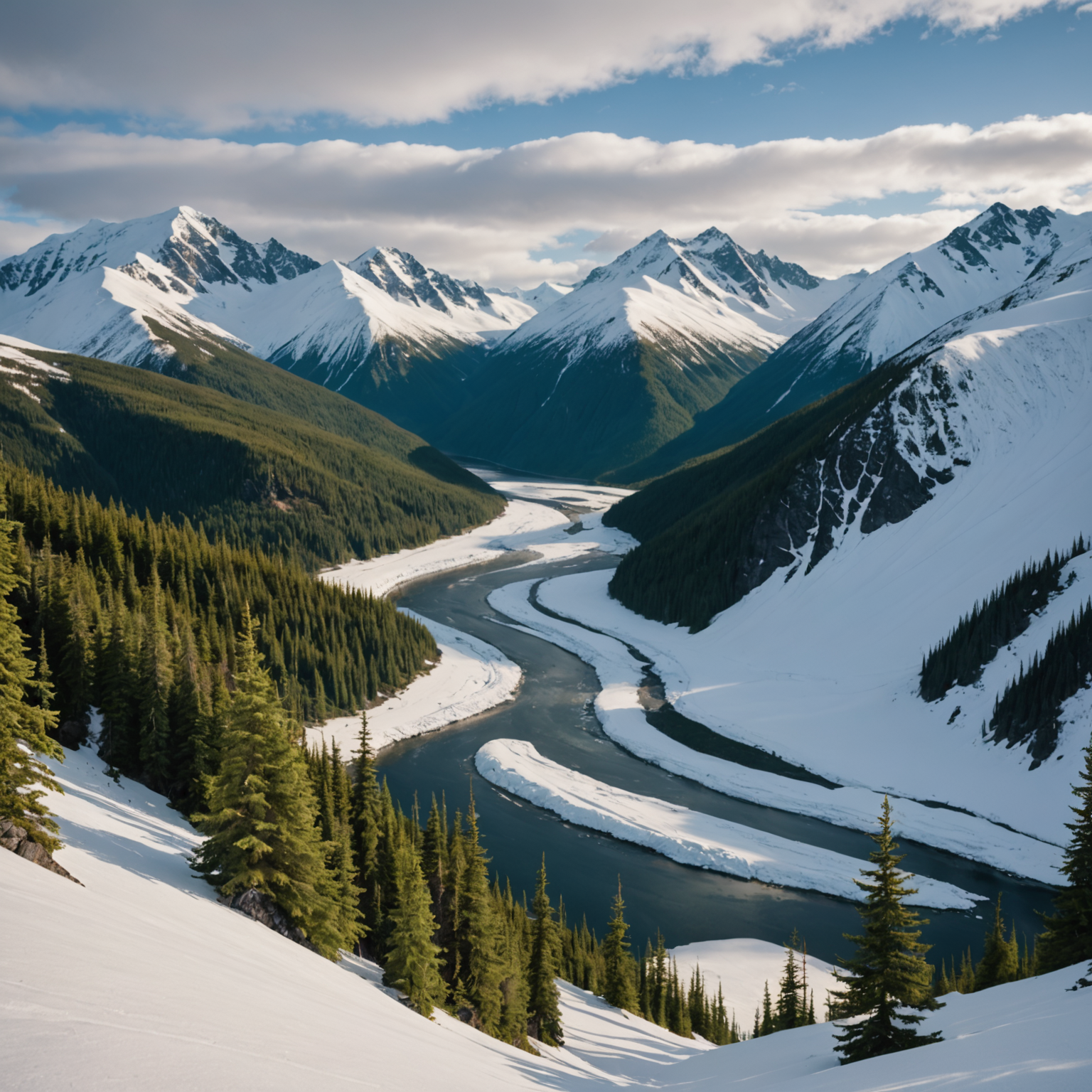
Famous for its brown bears, Katmai National Park is a must-visit for bear enthusiasts. The park’s Brooks Falls is a prime location to witness bears catching salmon in mid-air. Visiting during July and September offers the best bear-viewing experiences. Learn more about bear safety during your visit through the Alaska Department of Fish and Game.
Wildlife Viewing Tips
- Stay Safe: Always maintain a safe distance from wildlife. Use binoculars or a telephoto lens for a closer view.
- Hire a Guide: Consider hiring a local guide who knows the best spots and can ensure a safe and informative experience.
- Respect the Environment: Follow Leave No Trace principles to minimize your impact on the environment. Detailed guidelines can be found at Leave No Trace.
Planning Your Trip
Accommodations
Accommodations in Alaska range from rustic cabins to luxury lodges. Booking in advance is crucial, especially during peak season. For a unique experience, consider staying in parks or remote locations where wildlife is abundant.
Getting Around
Renting a car is the most convenient way to explore Alaska, giving you the freedom to access remote areas. For those interested in mushing, learn more about this traditional form of transport here.
Weather Considerations
Alaska’s weather can be unpredictable. It’s essential to pack layers and be prepared for sudden changes. Check current weather conditions and forecasts at the National Weather Service before your trip.
Conclusion
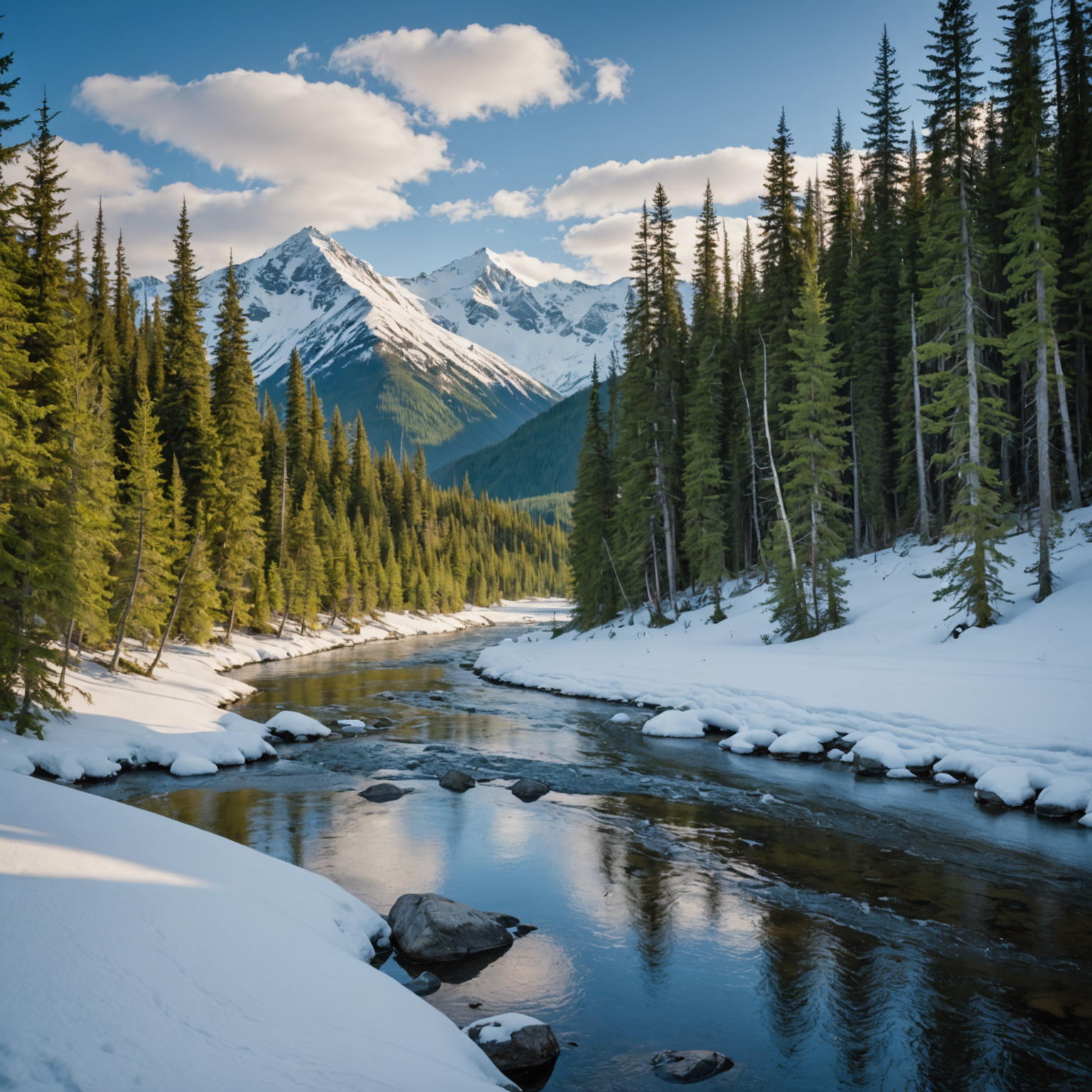
Alaska wildlife trips offer a unique opportunity to connect with nature and experience the raw beauty of the wilderness. By planning your trip around the best times and locations and preparing for the unpredictable Alaskan weather, you can create memories that will last a lifetime. Whether you’re watching a grizzly bear fish for salmon or spotting a moose in the distance, Alaska’s wildlife will captivate and inspire you.
[spronix_cta key=”wildlife”]
FAQ
What is the best time of year for wildlife viewing in Alaska?
The best time for wildlife viewing in Alaska is from May to September, when animals are most active and the weather is favorable.
Can I see the northern lights during a wildlife trip?
Yes, the northern lights can be seen during the winter months. Check out this northern lights forecast planner for more details.
Are guided tours recommended for wildlife trips?
Guided tours are highly recommended as local guides offer expertise and safety, ensuring a more informative and secure wildlife viewing experience.
How should I prepare for the weather in Alaska?
Dress in layers and be prepared for sudden weather changes. Check the National Weather Service for current forecasts before your trip.
What safety precautions should I take when viewing wildlife?
Maintain a safe distance from all wildlife, carry bear spray in bear country, and follow guidelines from the Alaska Department of Fish and Game.
Are there accommodations within national parks?
Yes, several national parks offer accommodations ranging from campsites to lodges. Booking in advance is essential during peak seasons.
How can I learn more about mushing in Alaska?
Mushing is a traditional Alaskan transport method. To learn more, check out this guide.
What wildlife can I see in Kenai Fjords National Park?
In Kenai Fjords National Park, you can see orcas, humpback whales, sea otters, and a variety of bird species, among other marine wildlife.