Introduction
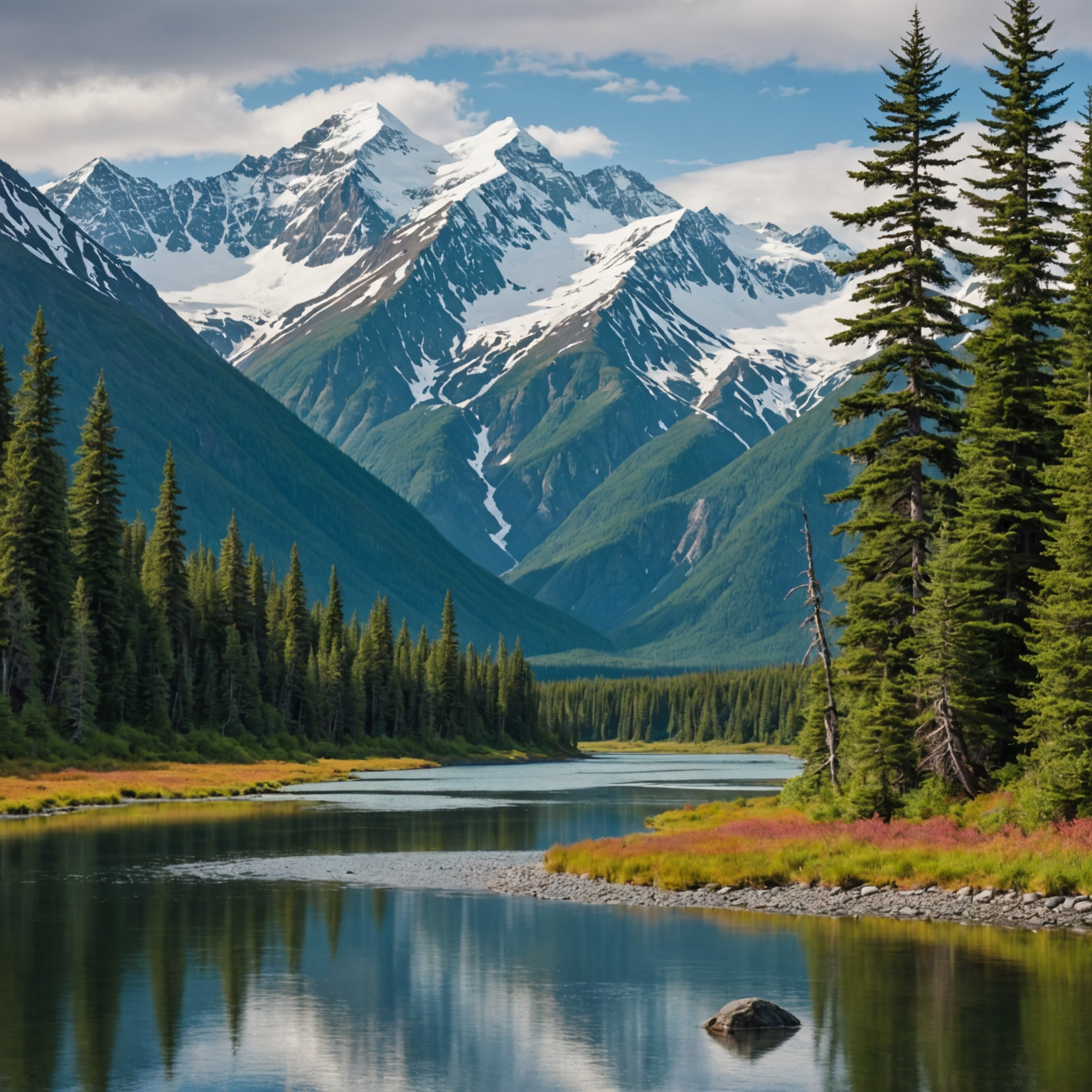
Alaska, with its majestic mountains, expansive wilderness, and diverse wildlife, is a dream destination for many travelers. However, its remote location and unique climate mean that planning is essential for a safe and enjoyable trip. This guide provides comprehensive Alaska travel guidelines, offering tips on packing, transportation, and understanding seasonal weather, ensuring your journey is both safe and memorable. Whether you’re embarking on a summer adventure or a winter escapade, these insights will help you navigate the Last Frontier with ease.
[spronix_cta key=”northern-lights-adventures”]
Packing for Alaska
When packing for Alaska, it’s crucial to consider the state’s variable climate and diverse activities. Here are some key items to include:
- Clothing: Layering is essential. Opt for moisture-wicking base layers, insulating mid-layers, and waterproof outer layers. Don’t forget a warm hat, gloves, and sturdy, waterproof boots.
- Gear: Depending on your activities, consider packing hiking boots, a backpack, binoculars, and a camera with a good zoom lens for wildlife viewing.
- Safety Equipment: Always carry bear spray when hiking in bear country. A first-aid kit, a map, and a GPS or compass are also recommended.
For a more tailored experience, consider joining a custom tour to ensure you have the appropriate gear and guidance for your specific adventure.
Understanding Alaska’s Weather
Alaska’s weather can be unpredictable. It’s essential to monitor forecasts from reliable sources like the National Weather Service Alaska or NOAA before and during your trip.
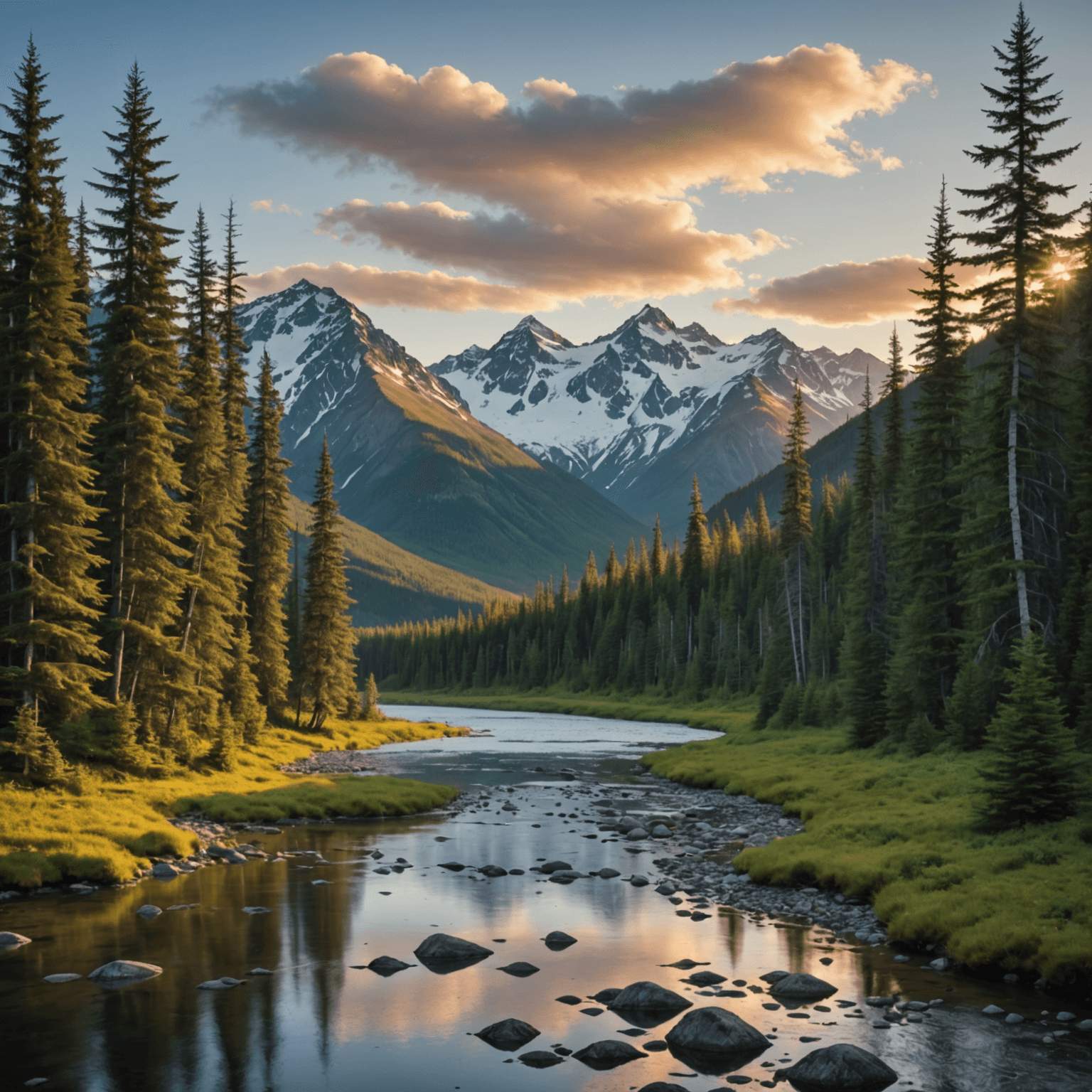
- Summer (June to August): Temperatures can range from 60°F to 80°F. Rain is common, so pack a waterproof jacket.
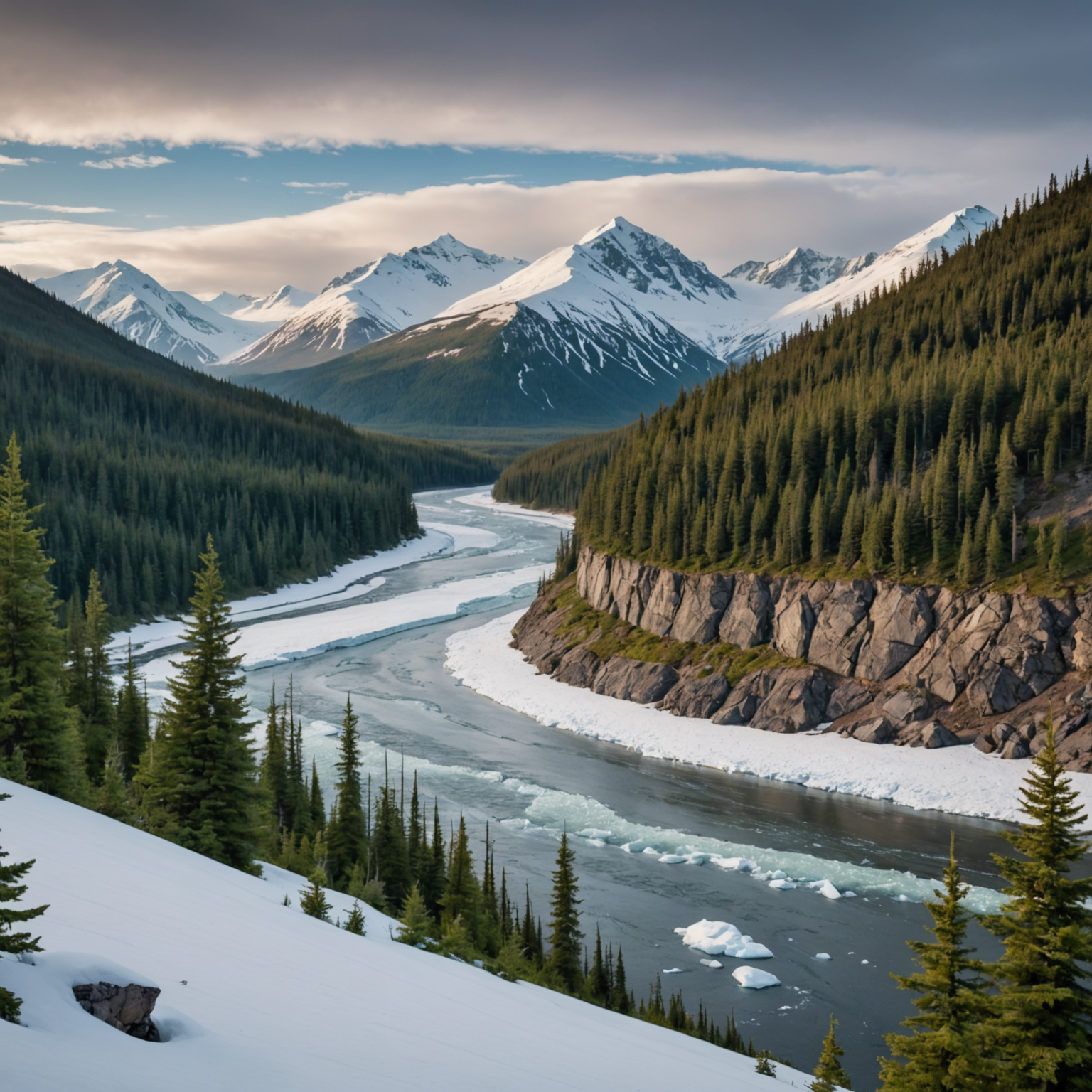
- Winter (December to February): Expect temperatures well below freezing, especially in the interior. Dressing in layers is vital to stay warm.
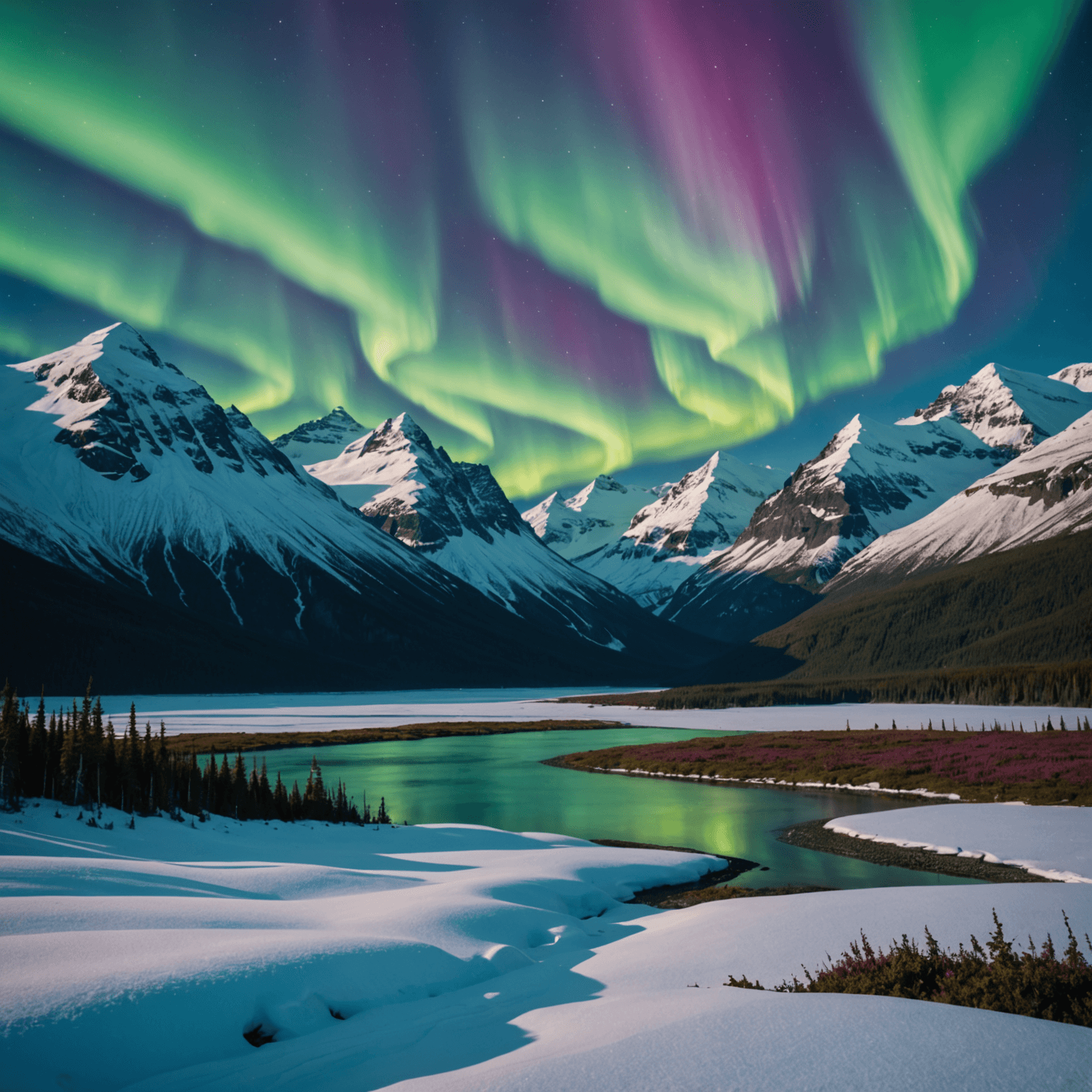
Keep an eye on the aurora forecast if you’re hoping to catch the northern lights during your visit.
Transportation in Alaska
Alaska’s vastness requires careful planning of transportation. Here are some tips:
- Rental Cars: Ideal for exploring areas like the Kenai Peninsula or Denali National Park. Ensure you have a vehicle suitable for the terrain.
- Public Transit: Limited options are available in larger cities like Anchorage. Check local resources like Anchorage.net for details.
- Rail Travel: The Alaska Railroad offers scenic routes and is a unique way to see the state.
- Air Travel: Small planes or helicopters are often necessary for reaching remote areas. Consider a heli-tour for a memorable aerial view of Alaska’s landscapes.
Seasonal Activities and Tours
Alaska offers a plethora of seasonal activities. Here are some highlights:
- Summer: Hiking, fishing, and wildlife viewing are popular. For a unique experience, try a dog sled and ATV adventure.
- Winter: Embrace the snow with snowmobile tours or join the Iditarod Trail Snowmobile Expedition.
- Fall: Consider a fall dog sledding tour to experience the beautiful fall foliage and prepare for the upcoming winter.
Wildlife Safety
Alaska is home to a diverse range of wildlife, including bears, moose, and wolves. Safety should always be a priority:
- Bears: Familiarize yourself with bear safety tips from the Alaska Department of Fish and Game.
- Moose: Give moose plenty of space, especially during calving season.
- Wolves and Other Wildlife: While rare, encounters can happen. Keep a safe distance and follow local guidelines.
Conclusion
Traveling to Alaska is an adventure like no other, filled with breathtaking scenery and unparalleled experiences. By following these Alaska travel guidelines, you can ensure your journey is safe, enjoyable, and unforgettable. Remember to plan ahead, pack appropriately, and be aware of the weather and wildlife. Whether you’re exploring the vast wilderness or witnessing the aurora borealis, Alaska promises a trip of a lifetime.
[spronix_cta key=”northern-lights-adventures”]
FAQ
1. What is the best time of year to visit Alaska?
The best time to visit Alaska depends on your interests. Summer (June to August) offers mild weather and long daylight hours, ideal for hiking and wildlife viewing. Winter (December to February) is perfect for snow sports and viewing the northern lights.
2. Do I need a visa to travel to Alaska?
If you are a U.S. citizen, you do not need a visa to travel to Alaska. International travelers should check Travel Alaska for the latest entry requirements.
3. Are there any health precautions I should take when visiting Alaska?
Ensure you have travel insurance and are up to date on vaccinations. Consider altitude sickness if traveling to high elevations and carry necessary medications.
4. Can I see the northern lights year-round in Alaska?
The northern lights are best viewed from late September to April. Check the aurora forecast for optimal viewing times.
5. How do I prepare for wildlife encounters in Alaska?
Educate yourself on wildlife safety, especially bear safety, by visiting the Alaska Department of Fish and Game. Always carry bear spray and know how to use it.
6. What are some must-see national parks in Alaska?
Denali National Park, Kenai Fjords National Park, and Glacier Bay National Park are some of the must-see parks. Visit the National Park Service for more information.
7. Is it safe to travel alone in Alaska?
Traveling alone in Alaska can be safe if you take precautions. Inform someone of your itinerary, stay on marked trails, and be prepared for changing weather conditions.
8. What should I do if I encounter extreme weather during my trip?
Stay informed with updates from the National Weather Service Alaska and follow safety guidelines. If necessary, seek shelter and avoid risky travel during extreme weather conditions.