Introduction
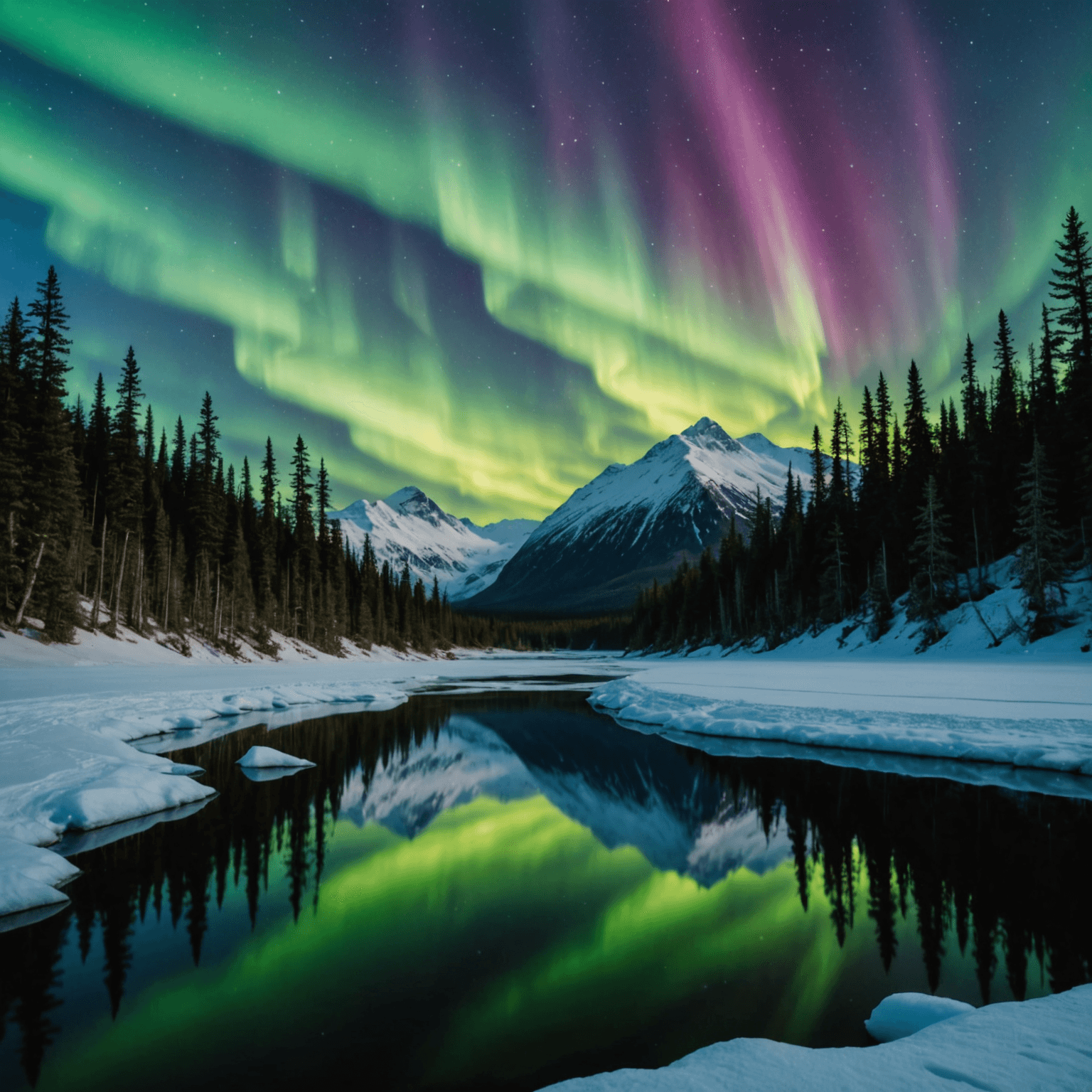
The allure of the Northern Lights, also known as the Aurora Borealis, draws countless travelers to Alaska each year. This natural light display, with its vivid greens, purples, and reds, is a must-see for anyone looking to experience the magic of the polar skies. But with so many Alaska tours focusing on the Northern Lights, how do you choose the best one? This guide will help you navigate the options by covering essential aspects such as timing, routes, group sizes, necessary gear, and setting realistic expectations.
[spronix_cta key=”northern-lights-adventures”]
Timing Your Trip
Timing is crucial when planning a trip to see the Northern Lights. The best time to witness this spectacular phenomenon in Alaska is from late August to April. During these months, the nights are longer, and the skies are darker, providing optimal conditions for viewing. According to the Geophysical Institute at the University of Alaska Fairbanks, the equinox months of September and March are particularly favorable due to increased solar activity.
Choosing the Right Route
Different tours offer various routes, each with its own unique perspective on the Northern Lights. Popular locations include Fairbanks, Anchorage, and the remote wilderness areas of Denali and the Arctic Circle. Fairbanks is often touted as the best place to see the Northern Lights due to its clear skies and regular auroral activity. Anchorage, the largest city in Alaska, also offers excellent viewing opportunities with the convenience of urban amenities. For those seeking a more adventurous experience, Denali offers a pristine backdrop, while tours to the Arctic Circle provide a chance to combine aurora viewing with cultural insights into Alaska’s indigenous communities.
For those interested in combining aurora viewing with other activities, consider exploring the Denali Glacier Snowmobile Adventure or the Dog Sled and ATV Adventure Tour.
Group Size and Tour Type
When selecting a tour, consider the size and type of the group. Smaller groups often provide a more personalized experience, allowing for better interaction with the guide and a more flexible itinerary. Larger groups may be more budget-friendly but can be less intimate. Some tours focus solely on aurora viewing, while others pair it with activities such as snowmobiling, dog sledding, or cultural visits. For a customized experience, you might want to explore custom tours tailored to your preferences.
Essential Gear and Preparation
Proper preparation and gear are key to a successful Northern Lights tour in Alaska. The weather can be extremely cold, especially in the winter months, so dressing in layers is essential. Thermal underwear, insulated jackets, hats, gloves, and boots are recommended to keep warm. Some tours provide specialized gear, but it’s crucial to confirm this with your tour operator beforehand.
Additionally, bringing a good camera with manual settings can enhance your experience, allowing you to capture the beauty of the lights. Ensure your camera can handle low light conditions and practice night photography techniques before your trip. For more information on what to pack, check out the equipment kit guide.
Setting Realistic Expectations
While the Northern Lights are a natural wonder, they are also unpredictable. Understanding the science behind them can help manage expectations. The aurora is caused by solar particles colliding with Earth’s atmosphere, and its visibility can be affected by weather, geomagnetic activity, and light pollution. Monitoring the NOAA Aurora Forecast can provide insights into potential visibility during your trip.
It’s important to remember that no tour can guarantee an aurora sighting. However, many tour operators offer multiple-night packages to increase your chances. Engaging in other activities, such as exploring local culture or enjoying winter sports, can make your trip rewarding regardless of the aurora’s appearance.
Conclusion
Choosing the right Alaska tour for viewing the Northern Lights involves careful consideration of timing, route, group size, and preparation. By understanding these elements and setting realistic expectations, you can optimize your chances of witnessing this breathtaking natural display. Remember, the journey itself, filled with Alaskan adventures and memorable experiences, is just as valuable as the destination.
[spronix_cta key=”northern-lights-adventures”]
FAQ
What is the best time to see the Northern Lights in Alaska?
The best time to view the Northern Lights in Alaska is from late August to April, with peak activity around the equinox months of September and March.
Where are the best places to view the Northern Lights in Alaska?
Fairbanks, Anchorage, and Denali are popular locations for aurora viewing. Fairbanks is known for its clear skies, while Denali offers a pristine, natural backdrop.
How should I dress for a Northern Lights tour in Alaska?
Dress in warm layers, including thermal underwear, insulated jackets, hats, gloves, and boots. Some tours provide specialized gear, but it’s best to confirm with the operator.
Can I combine Northern Lights viewing with other activities?
Yes, many tours offer combinations such as snowmobiling or dog sledding. Explore options like the Snowmobile Northern Lights Tour for a multifaceted adventure.
What if I don’t see the Northern Lights on my tour?
While sightings can’t be guaranteed, many tours offer multiple-night packages. Engaging in other activities ensures a rewarding trip even if the lights are elusive.
How can I capture the Northern Lights with my camera?
Bring a camera with manual settings capable of low-light photography. Practice night photography techniques and consider using a tripod for stability.
Are Northern Lights tours suitable for children?
Yes, many tours are family-friendly. Check with the tour operator for any age restrictions or recommendations for young children.
Do I need any special permits for a Northern Lights tour?
Generally, no special permits are required for aurora tours, but it’s advisable to confirm with your tour provider, especially for tours in national parks or protected areas.