Introduction
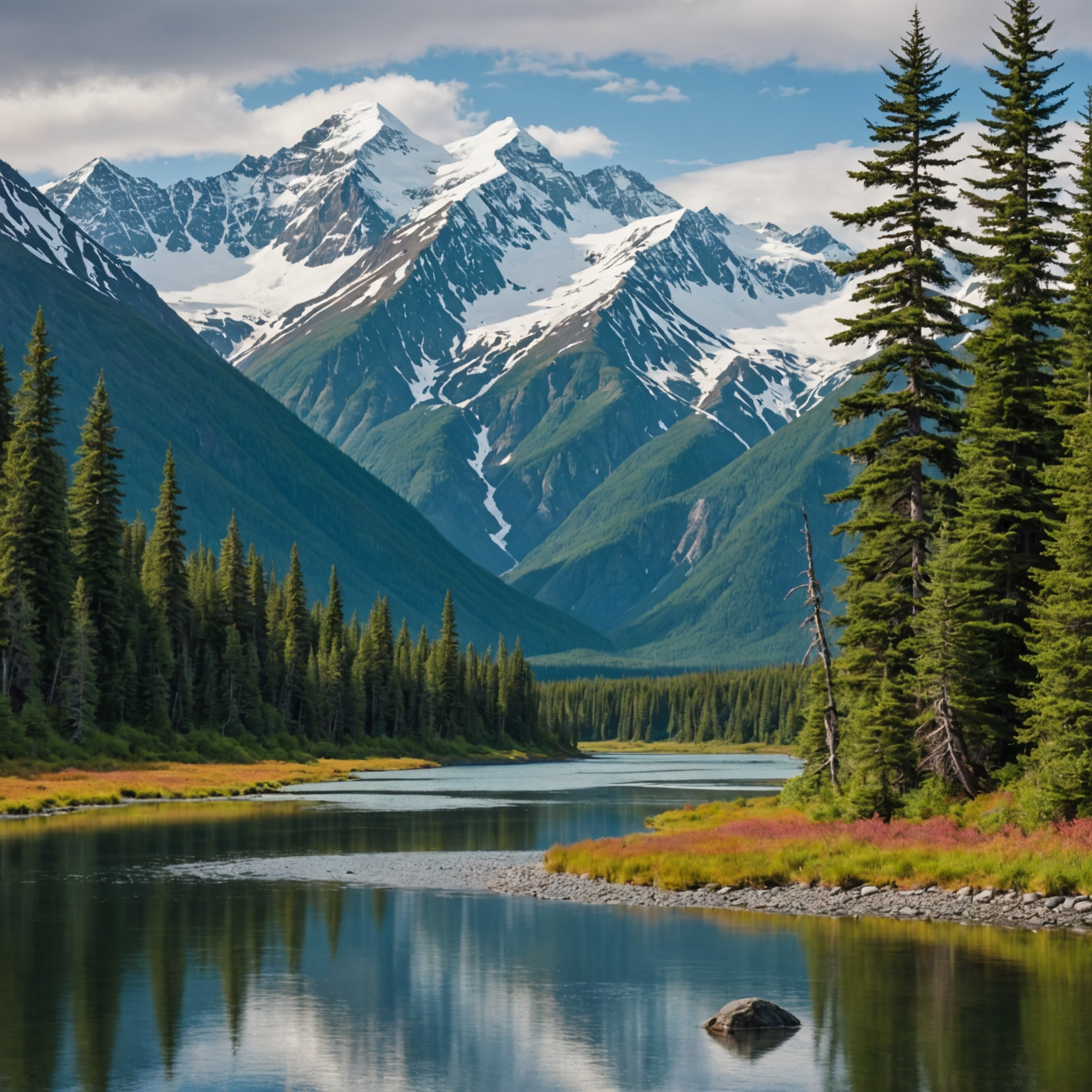
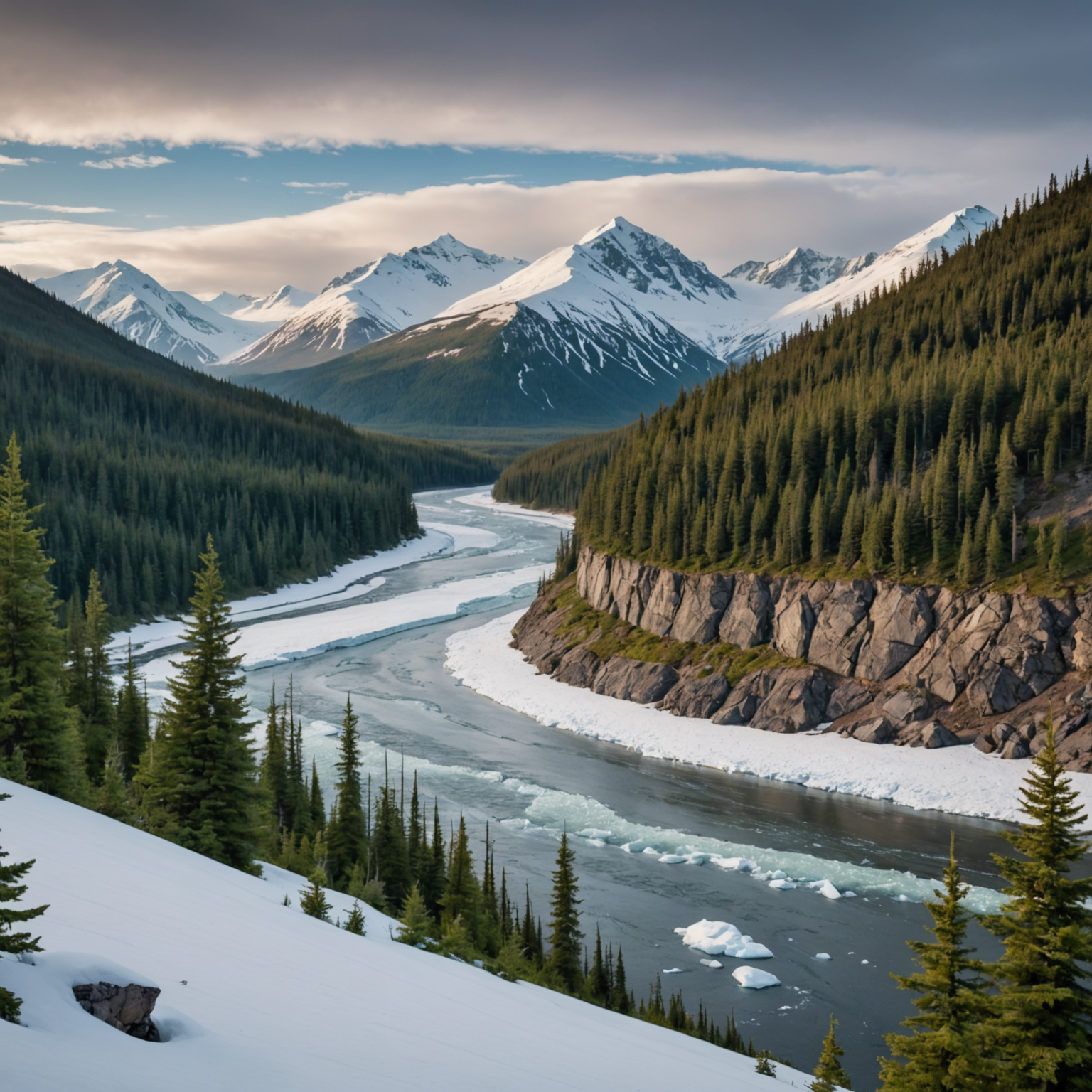
The Alaska Range is a majestic mountain range in North America, stretching over 600 miles across the state of Alaska. Known for its rugged beauty and breathtaking landscapes, the Alaska Range is home to some of the tallest peaks in North America, including Denali, the continent’s highest mountain. This guide will explore the rich tapestry of the Alaska Range mountains, offering insights into their geological significance, the breathtaking glaciers that adorn them, the unique wildlife that inhabits the area, and tips for travelers seeking to explore this awe-inspiring region.
[spronix_cta key=”alaska”]
Geological Significance of the Alaska Range
The Alaska Range is a result of complex geological processes that began millions of years ago. It forms part of the Pacific Ring of Fire, known for its seismic activity. The tectonic forces at play have pushed these mountains skyward, creating dramatic peaks and deep valleys. Denali, formerly known as Mount McKinley, towers at 20,310 feet, dominating the skyline and inviting climbers from around the world to conquer its challenging heights.
The range’s geology is characterized by a mix of sedimentary, metamorphic, and igneous rocks, with glacial activity shaping much of its current landscape. The glaciers, remnants of the last Ice Age, continue to carve the mountains, creating stunning vistas and contributing to the region’s hydrology.
Exploring the Glaciers of the Alaska Range
The Alaska Range is adorned with numerous glaciers, each with its own unique beauty and significance. Kahiltna Glacier, the longest glacier in the range, offers a surreal landscape of ice that stretches over 44 miles. These glaciers are not only stunning to behold but also provide crucial insights into climate change as they recede and transform.
Travelers can explore these glaciers through guided tours, such as those offered by Whittier Glacier Tours, which provide a safe and informative experience. Whether you are traversing the ice fields or observing them from a distance, the glaciers of the Alaska Range are a testament to the power and beauty of nature.
Wildlife and Ecosystems
The Alaska Range is home to a diverse array of wildlife, supported by its varied ecosystems. From the lush lowland forests to the alpine tundra, the range provides habitats for species such as grizzly bears, moose, caribou, and the elusive Dall sheep. Birdwatchers can delight in spotting golden eagles and ptarmigans, among others.
The range’s ecosystems are fragile and require careful management to ensure their preservation. Visitors are encouraged to follow guidelines from Leave No Trace to minimize their impact and protect these pristine environments.
Best Time to Visit
The best time to visit the Alaska Range depends on the activities you wish to pursue. Summer months, from June to August, offer milder temperatures and longer daylight hours, ideal for hiking and wildlife viewing. For those interested in winter sports or witnessing the northern lights, the colder months provide a different but equally captivating experience. For more detailed planning tips, check out this comprehensive guide.
Safety and Preparedness
Exploring the Alaska Range requires careful planning and awareness of safety protocols. The weather can be unpredictable, with sudden changes that can impact travel plans. It is essential to monitor weather forecasts through reliable sources such as the National Weather Service and to be prepared for emergencies.
Avalanche safety is another critical consideration, especially for those venturing into backcountry areas. Resources such as the Chugach National Forest Avalanche Information Center provide valuable information on current conditions and safety tips.
Conclusion
The Alaska Range mountains offer a stunning and diverse landscape that captivates adventurers and nature lovers alike. With its towering peaks, expansive glaciers, and rich biodiversity, the range presents endless opportunities for exploration and discovery. Whether you are a seasoned mountaineer or a casual traveler, the Alaska Range promises an unforgettable experience that highlights the raw beauty and power of nature.
[spronix_cta key=”alaska”]
FAQ
What is the highest peak in the Alaska Range?
Denali, standing at 20,310 feet, is the highest peak in the Alaska Range and North America.
How can I safely explore the glaciers in the Alaska Range?
Guided tours, such as those offered by Whittier Glacier Tours, provide a safe way to explore the glaciers with knowledgeable guides.
When is the best time to visit the Alaska Range?
The best time to visit is during the summer months for mild weather or winter for northern lights and winter sports. Detailed planning tips can be found here.
What wildlife can I expect to see in the Alaska Range?
You can expect to see grizzly bears, moose, caribou, Dall sheep, and various bird species.
Are there any safety considerations I should be aware of?
Yes, it’s important to monitor weather conditions and be aware of avalanche risks by checking resources like the Chugach National Forest Avalanche Information Center.
Can I see the northern lights in the Alaska Range?
Yes, the northern lights are visible in the Alaska Range, especially during the winter months. For more information, visit this guide.
What unique activities are available in the Alaska Range?
Apart from hiking and climbing, you can enjoy glacier tours and wildlife viewing. For winter enthusiasts, snowmobiling and northern lights tours are highly recommended. Explore more here.
How do I get to the Alaska Range?
Access points to the Alaska Range vary, but many visitors fly into Anchorage and drive or take a train to Denali National Park and other key locations. More travel information is available on Alaska.org.