Introduction
Alaska, known for its rugged wilderness and stunning landscapes, offers a unique adventure for thrill-seekers: Alaska white water rafting trips. From the icy waters of glacial streams to the powerful rapids of roaring rivers, Alaska provides a diverse array of rafting experiences suitable for all levels of rafters. Whether you’re a seasoned veteran or a first-timer looking for an adrenaline rush, Alaska’s rivers promise an unforgettable journey through some of the most breathtaking scenery in the world.
Discovering Alaska’s White Water Rafting
The Best Rivers for Rafting in Alaska
Alaska boasts an impressive array of rivers, each offering a different level of challenge and excitement for white water enthusiasts. The Nenana River, located near Denali National Park, is one of the most popular spots for rafting. It offers a mix of Class II to Class IV rapids, making it ideal for both beginners and advanced rafters. The river’s proximity to Denali National Park provides an excellent opportunity to combine rafting with wildlife viewing and hiking.
Another must-visit river is the Six Mile Creek, which is known for its thrilling Class IV and V rapids. Set against the stunning backdrop of the Kenai Peninsula, this river is for experienced rafters seeking a more challenging adventure. The Kenai River, on the other hand, is perfect for those looking to enjoy a more relaxed float while still experiencing the wild beauty of Alaska.
Choosing the Right Trip for Your Skill Level
Selecting the right rafting trip is crucial to ensure an enjoyable and safe experience. Most rafting companies in Alaska offer trips that cater to different skill levels, from calm scenic floats to high-intensity rapid runs. Beginners might prefer the mellow stretches of the Talkeetna River, where the waters are gentler, allowing for a scenic and relaxing experience.
For those interested in a more intense adventure, the Talkeetna Canyon offers a thrilling ride with Class III and IV rapids. Exploring the various options available ensures that every rafter, regardless of experience, can find a suitable trip. Before embarking, it’s vital to check the latest weather conditions and river forecasts to ensure safety and preparedness.
Essential Gear and Safety Tips
Safety is paramount when embarking on Alaska white water rafting trips. Rafters should wear protective gear, including a helmet and a life jacket, and dress in layers to accommodate the cold Alaskan waters. Neoprene or dry suits are recommended for added warmth and protection.
It’s also essential to familiarize yourself with basic rafting commands and techniques before setting out. Listening to your guide’s instructions and understanding the river’s characteristics can significantly enhance your safety. For comprehensive preparation, consider learning about local wildlife and how to handle potential encounters.
The Unique Beauty of Alaskan Rivers
Exploring the Scenic Wonders
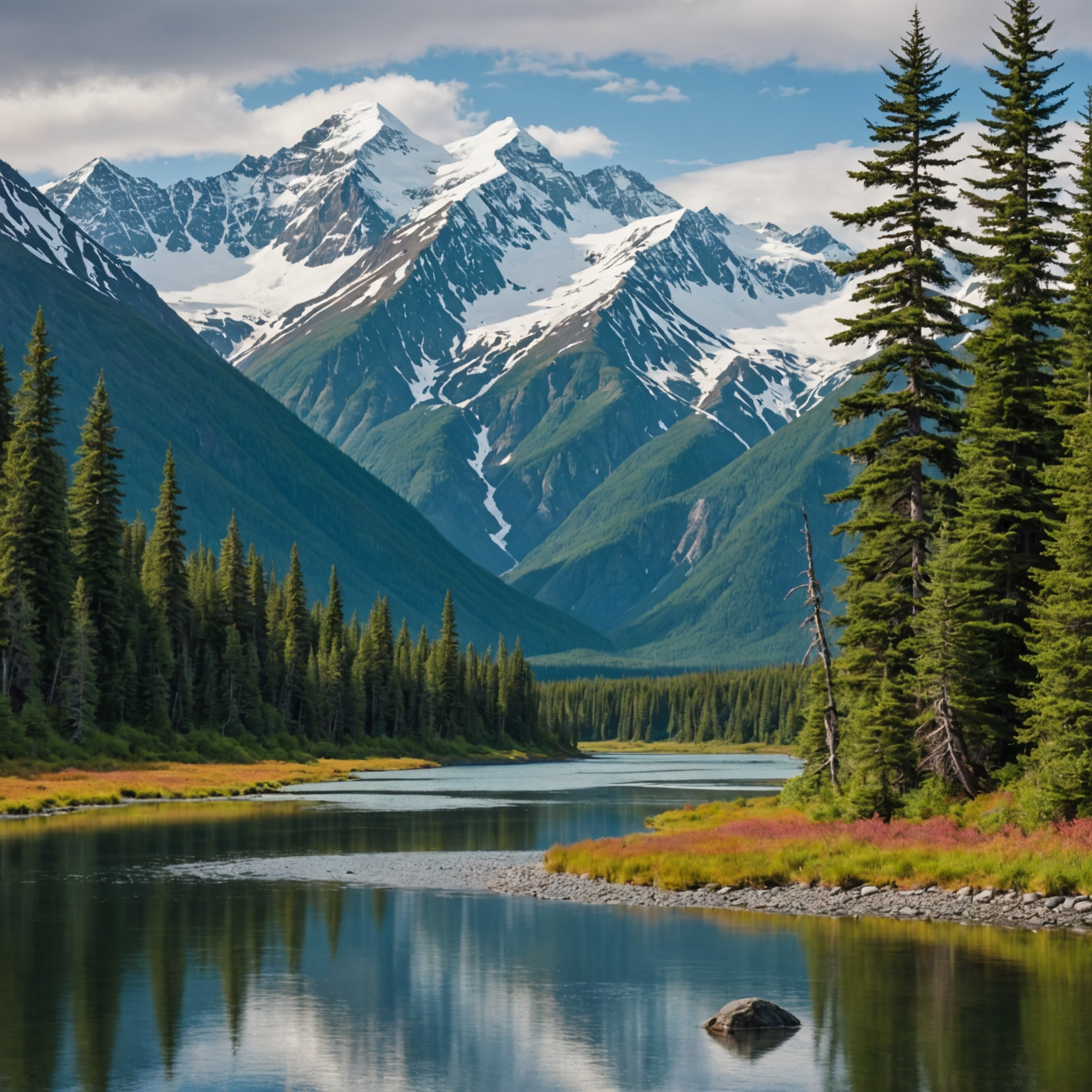
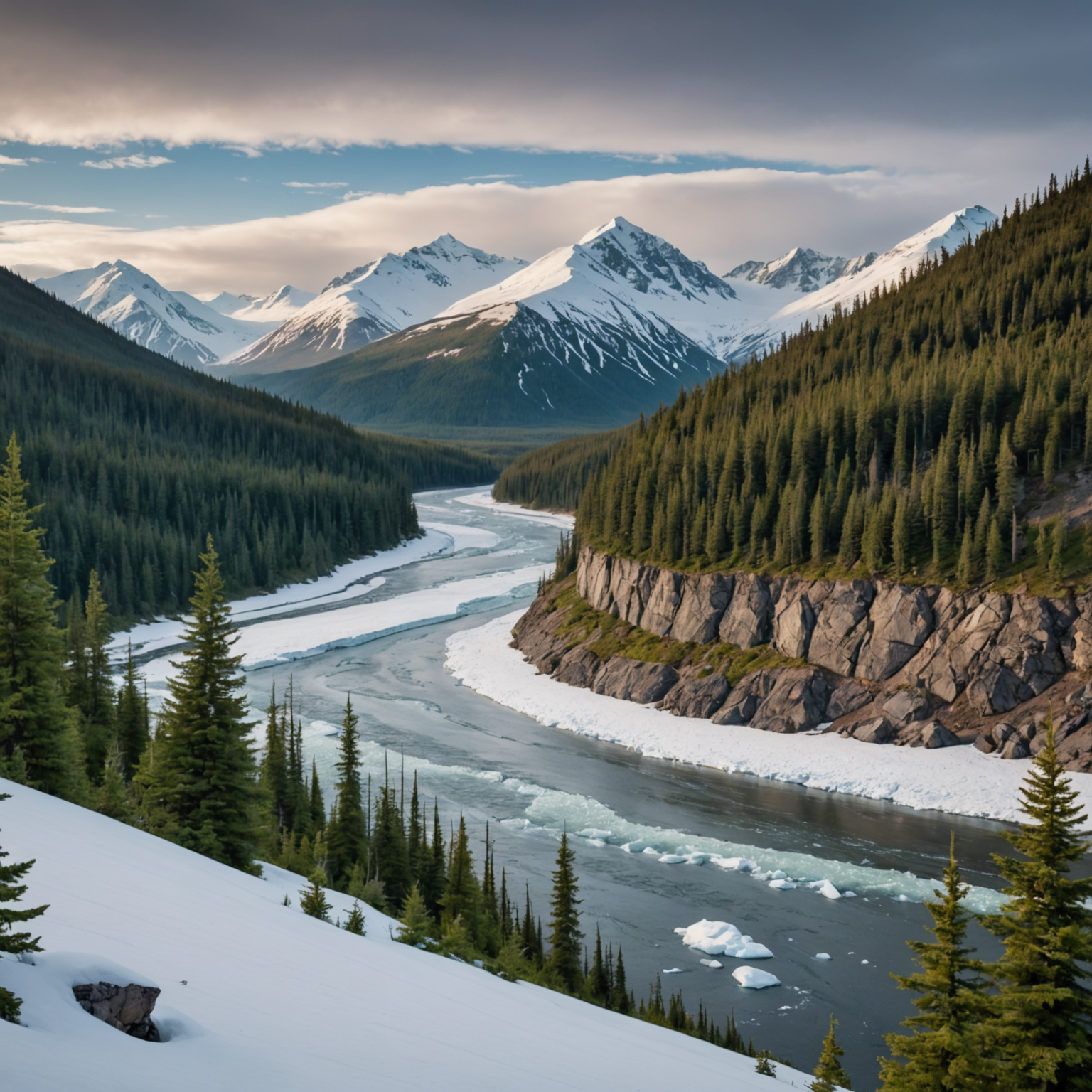
Rafting in Alaska is not just about the thrill of navigating rapids; it’s also a journey through some of the most breathtaking landscapes on Earth. The rivers carve through deep canyons and lush forests, offering rafters unparalleled views of towering mountains and glacial formations. The Matanuska River, for instance, flows past the Matanuska Glacier, providing a stunning backdrop for any rafting adventure.
Wildlife is abundant along these rivers, with opportunities to spot bears, moose, eagles, and other native species. The pristine waters also allow for a chance to witness salmon swimming upstream during their spawning season, adding to the natural allure of the experience.
Combining Rafting with Other Adventures
Alaska is a playground for adventurers, and many rafting trips can be combined with other outdoor activities for a truly immersive experience. After a day on the river, consider exploring the top Alaska sled dog tours or venturing on a glacier tour to appreciate the icy beauty up close.
For those interested in learning more about the local wildlife, birdwatching is another popular activity, offering a chance to observe Alaska’s diverse bird species in their natural habitats.
Conclusion
Alaska white water rafting trips offer an exhilarating way to experience the state’s wild beauty and diverse ecosystems. With rivers suitable for all skill levels, from gentle floats to adrenaline-pumping rapids, there’s something for everyone. Beyond rafting, the opportunity to explore the surrounding landscapes, observe wildlife, and partake in other adventurous activities makes Alaska a top destination for thrill-seekers and nature lovers alike. As you plan your next adventure, consider embracing the challenge and wonder of Alaska’s majestic rivers.
FAQ
What is the best time of year for white water rafting in Alaska?
The best time for rafting in Alaska is during the summer months, from May to September, when the weather is milder, and the rivers are at their fullest due to glacial melt.
Are there age restrictions for rafting trips?
Yes, age restrictions vary depending on the difficulty of the trip. Milder trips may accommodate children as young as five, while more challenging rapids often require participants to be at least 12 years old.
What should I wear on a rafting trip?
It’s essential to wear layers, including a thermal base layer, a waterproof outer layer, and a life jacket. Neoprene or dry suits may be provided by the tour operator for colder waters.
Do I need previous rafting experience?
Not necessarily. Many tours are designed for beginners, and guides provide thorough instructions and safety briefings before setting out.
How do I prepare for unexpected wildlife encounters?
Educate yourself about local wildlife and follow safety guidelines provided by your guide. For more information, the Alaska Department of Fish and Game offers resources on coexisting with wildlife.
Can I combine rafting with other tours in Alaska?
Absolutely! Many operators offer packages that include rafting along with activities like glacier tours, dog sledding, and wildlife viewing for a comprehensive adventure.
What is the level of difficulty for the rivers in Alaska?
The difficulty varies widely. Rivers like the Nenana offer a range of rapids from Class II to IV, suitable for beginners to advanced rafters. More challenging rivers like Six Mile Creek provide Class V rapids for experienced thrill-seekers.
Are there any safety concerns I should be aware of?
While rafting is generally safe with proper precautions, always listen to your guide, wear appropriate safety gear, and be aware of weather conditions by checking resources like NWS Alaska.