Introduction
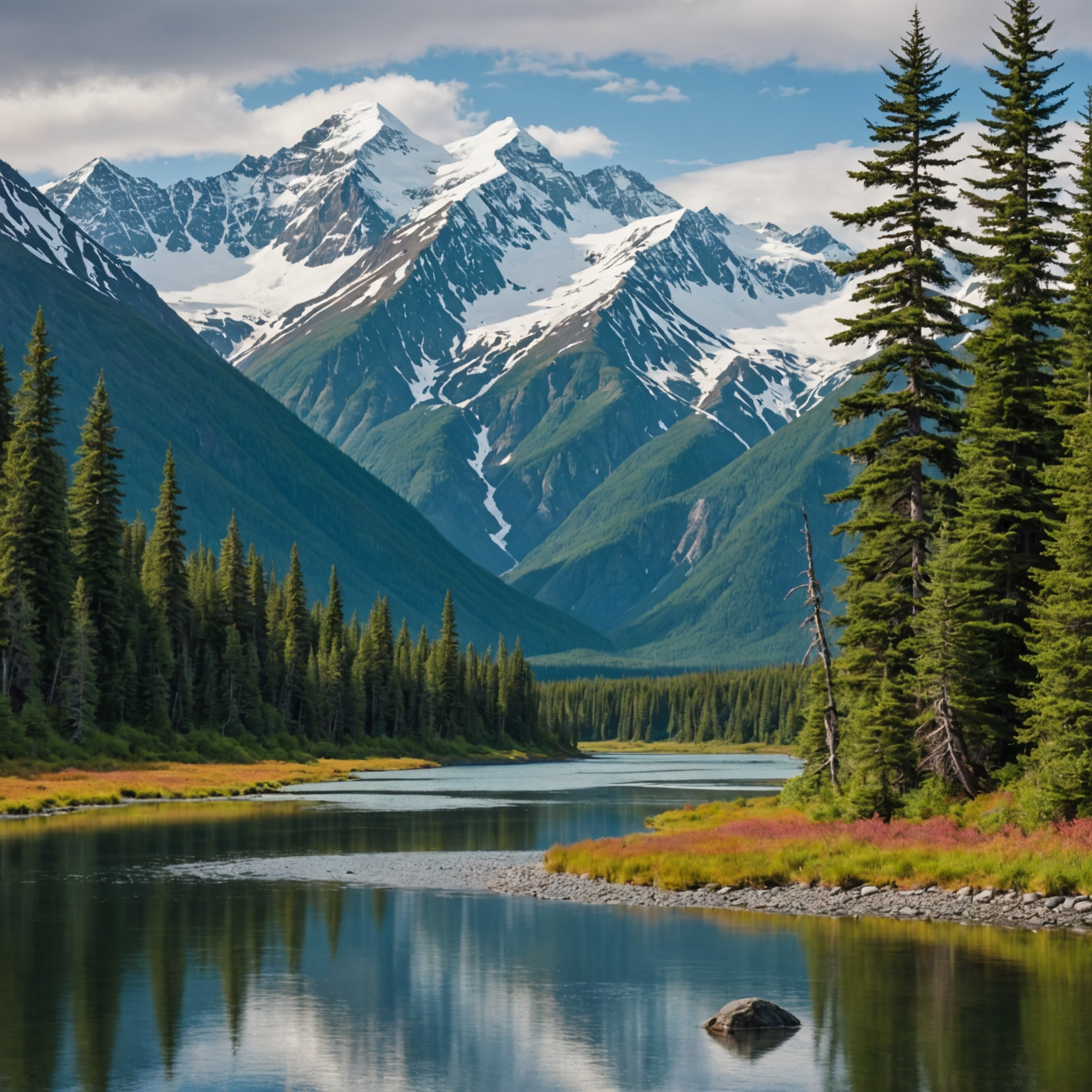
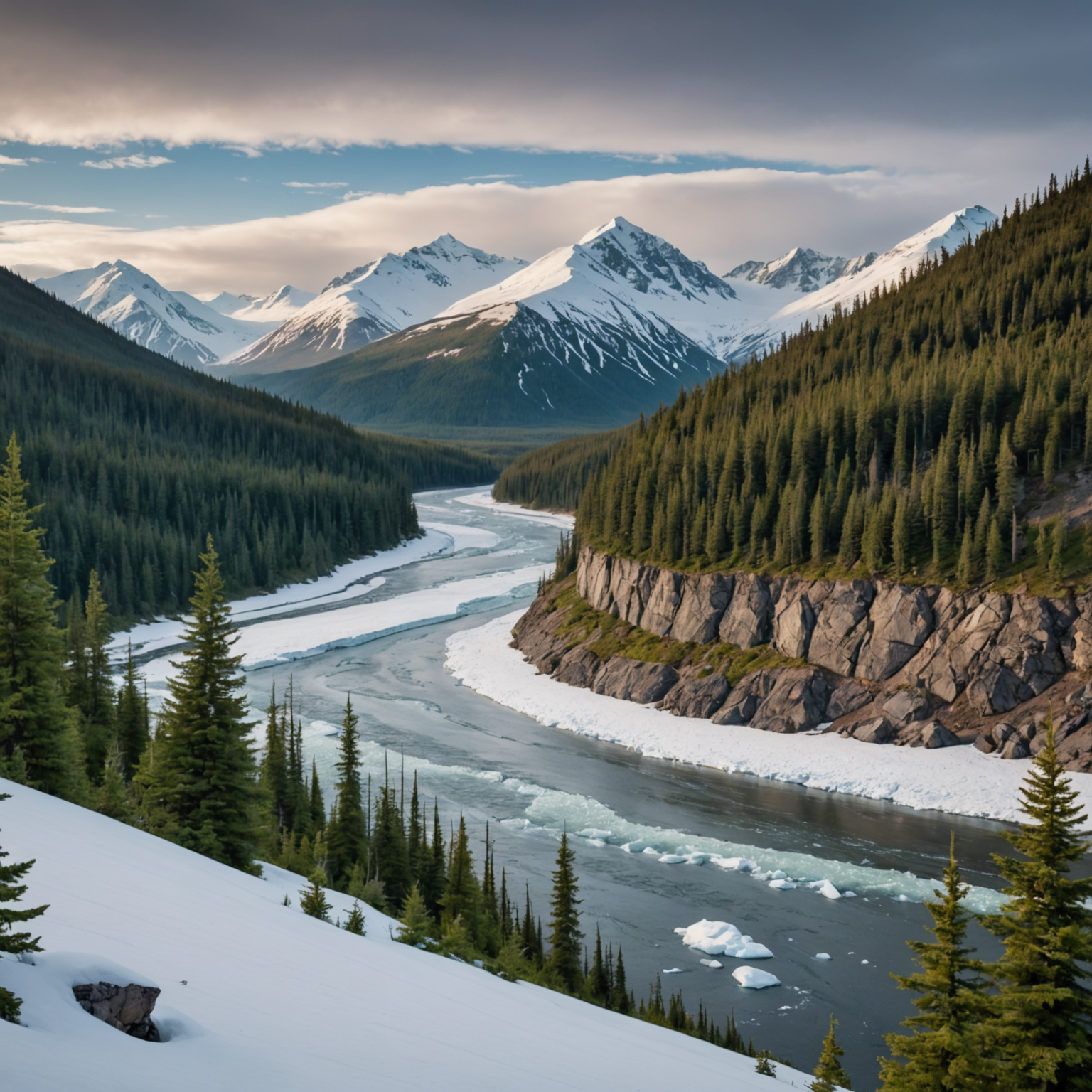
Alaska, known for its vast wilderness and stunning landscapes, offers an adventure like no other: packrafting. This unique activity involves navigating the state’s glacier-fed rivers and pristine lakes using a lightweight, inflatable raft. Whether you’re a seasoned adventurer or a curious beginner, Alaska packrafting trips provide an unparalleled opportunity to experience the raw beauty of the Last Frontier. This blog post will guide you through the essentials of planning your packrafting adventure, from choosing the best routes to ensuring your safety on the water.
Why Choose Alaska for Packrafting?
Alaska’s diverse environments make it an ideal destination for packrafting. The state’s expansive river systems and remote locations allow for both short excursions and multi-day journeys. Packrafting in Alaska combines the thrill of white-water rafting with the serenity of backcountry hiking, offering a truly immersive experience.
The pristine waters of Alaska are fed by glaciers, ensuring a breathtaking backdrop that changes with the seasons. Whether you are navigating the calm waters of a secluded lake or tackling the rapids of a rushing river, the landscape will leave you in awe. For those interested in more than just the water, Alaska’s trails offer access to hiking, wildlife viewing, and even glimpses of the mesmerizing Northern Lights. To learn more about when to see the Northern Lights, check out this guide to the best viewing times.
Best Packrafting Routes in Alaska
Kenai Peninsula
The Kenai Peninsula is a popular starting point for many packrafting enthusiasts. Known for its diverse landscapes, the area offers routes suitable for all skill levels. The Kenai River provides a mix of calm stretches and challenging rapids, making it perfect for both beginners and experienced rafters. For those looking to explore the region further, the Kenai Fjords National Park is a must-visit.
Wrangell-St. Elias National Park
As the largest national park in the United States, Wrangell-St. Elias offers endless opportunities for packrafting. The park’s vast river systems, such as the Copper River, provide long stretches of water ideal for multi-day adventures. The park’s remote locations also make it a perfect choice for those seeking solitude and the chance to connect with nature. For more information on planning your visit, explore the official park website.
Denali National Park
Denali National Park offers unique packrafting experiences with its stunning mountain views and diverse wildlife. The Nenana River is a popular choice, offering thrilling Class III to IV rapids. Be sure to also explore the park’s extensive trail system, which provides excellent hiking opportunities. Visit Discover Denali for more details on park activities and permits.
Essential Gear for Packrafting in Alaska
When planning your packrafting trip, having the right gear is crucial for both safety and comfort. Here are some essentials to consider:
- Packraft: Choose a lightweight, durable packraft suitable for the types of waters you plan to navigate.
- Paddle: A collapsible paddle is ideal for easy transport and storage.
- Personal Flotation Device (PFD): Safety is paramount, so ensure you have a reliable PFD.
- Dry Bags: Keep your gear dry and secure by using waterproof dry bags.
- Camping Equipment: For multi-day trips, bring a lightweight tent, sleeping bag, and cooking gear.
- Clothing: Dress in layers and include waterproof outerwear to protect against Alaska’s unpredictable weather. For current conditions, check the National Weather Service forecasts.
Safety Tips and Considerations
Safety should always be your top priority when packrafting in Alaska. Here are some key tips to keep in mind:
- Check Weather Conditions: Alaska’s weather can change rapidly. Always check the forecast before heading out. The National Oceanic and Atmospheric Administration provides up-to-date weather information.
- Bear Safety: Alaska is home to a diverse range of wildlife, including bears. Learn about living with bears and carry bear spray for protection.
- Permits and Regulations: Some areas may require permits for packrafting or camping. Check with local authorities or the Alaska Department of Natural Resources for specific requirements.
- Leave No Trace: Practice Leave No Trace principles to preserve Alaska’s natural beauty for future generations. Visit Leave No Trace for guidelines.
Conclusion
Packrafting in Alaska is an unforgettable adventure that combines the thrill of exploration with the tranquility of nature. Whether you’re paddling through the calm waters of a glacial lake or navigating the rushing rapids of a wild river, Alaska’s diverse landscapes offer something for every adventurer. With careful planning and respect for the environment, your packrafting trip in Alaska will be a journey to remember.
FAQ
What is packrafting?
Packrafting is an outdoor activity that involves using a lightweight, inflatable raft to navigate rivers, lakes, and other bodies of water. It combines elements of hiking and rafting, allowing adventurers to explore remote areas.
Do I need a permit for packrafting in Alaska?
Permits may be required for certain areas, especially in national parks. It’s important to check with local authorities or park services, such as Denali National Park, for specific permit requirements.
What is the best time of year for packrafting in Alaska?
The best time for packrafting in Alaska is typically from late spring to early fall, when the weather is milder, and river conditions are more favorable. For up-to-date weather forecasts, visit the National Weather Service.
Are there guided packrafting tours available in Alaska?
Yes, several companies offer guided packrafting tours in Alaska. These tours can provide valuable local knowledge, safety equipment, and logistical support. For more adventurous options, consider exploring the Whittier Glacier Tours.
What wildlife might I encounter while packrafting in Alaska?
Alaska is home to a wide variety of wildlife, including bears, moose, and eagles. It’s important to be prepared and knowledgeable about wildlife safety when adventuring in these areas.
How can I prepare for the cold weather while packrafting?
Dress in layers and bring waterproof clothing to protect against cold and wet conditions. It’s also important to monitor weather forecasts from reliable sources like the National Weather Service to stay informed about changing conditions.