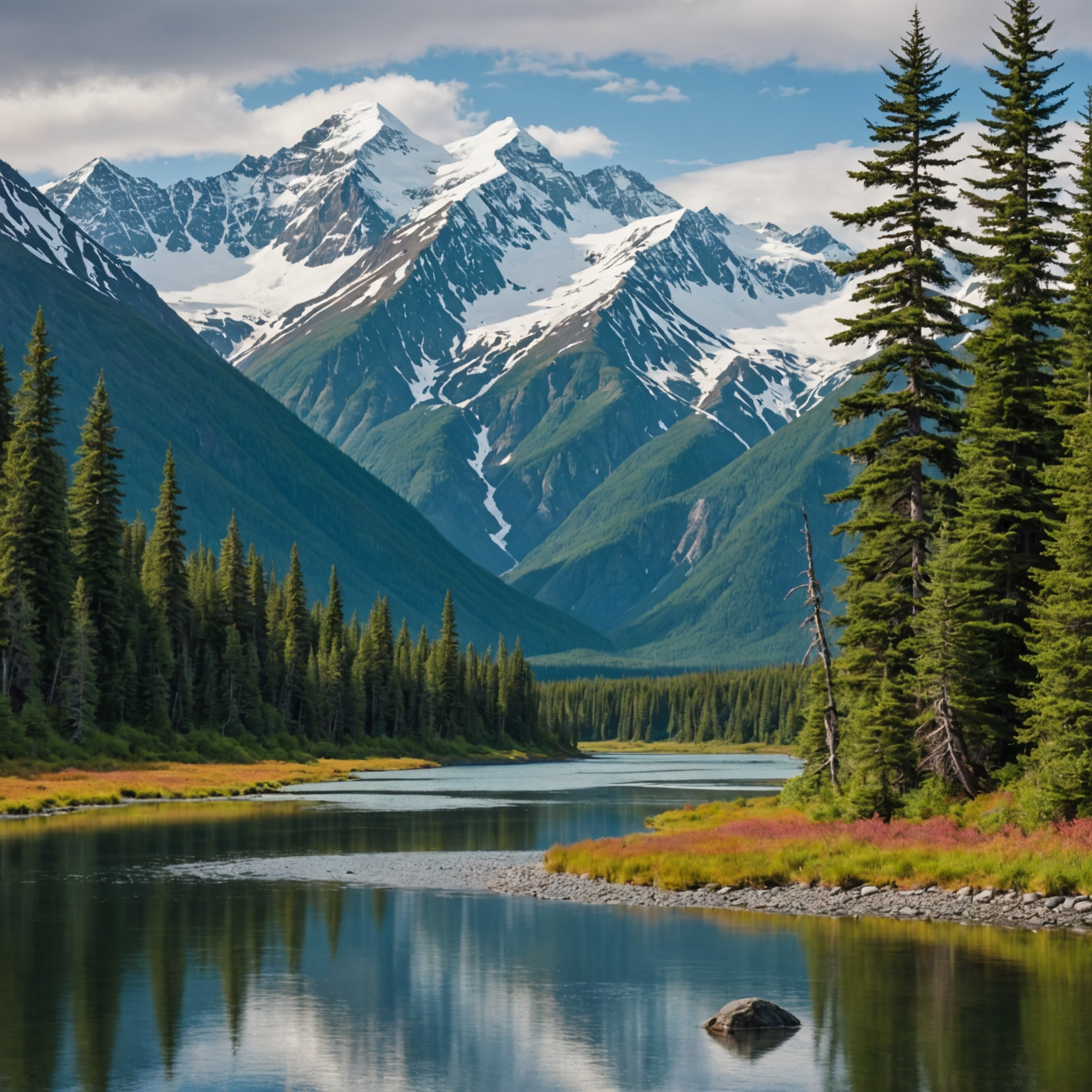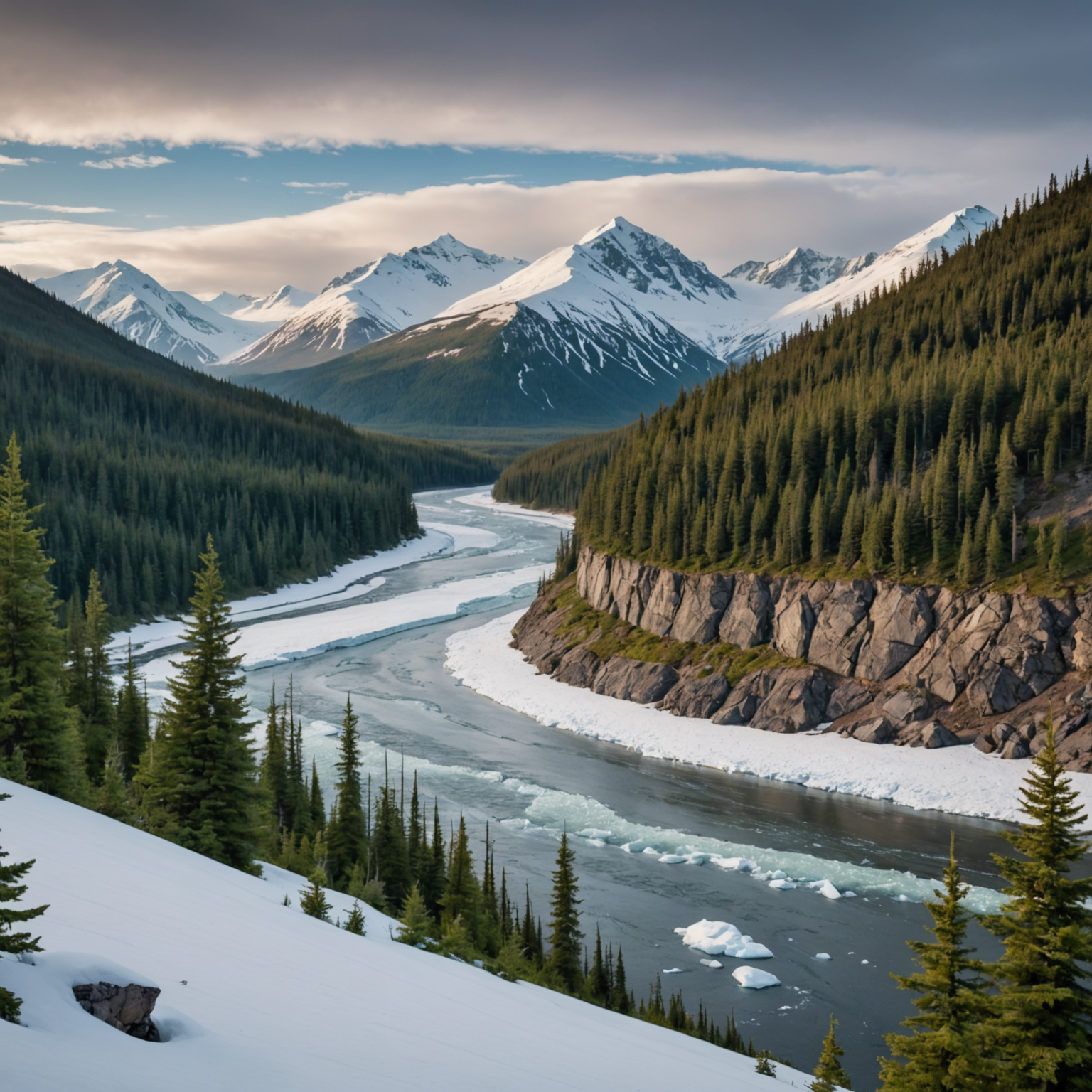
Introduction
Camping in Alaska is an unparalleled adventure, offering breathtaking landscapes, diverse wildlife, and the opportunity to experience nature in its rawest form. However, the state’s rugged terrain and unpredictable weather require careful preparation and the right equipment. Whether you’re planning a summer hike through Denali National Park or a winter camping trip, having the appropriate Alaska camping gear is critical for a safe and enjoyable experience. This guide will provide insights into the essential gear needed to tackle the Alaskan wilds, ensuring you’re well-equipped for whatever nature throws your way.
Essential Alaska Camping Gear
Clothing and Layering
Alaska’s weather can change rapidly, making layered clothing a necessity. The key is to stay warm and dry, so focus on moisture-wicking base layers, insulating mid-layers, and waterproof outer layers. Merino wool or synthetic fabrics are ideal for base layers due to their moisture management properties. A good quality down or synthetic insulated jacket will provide warmth, while a waterproof and windproof shell will protect against rain and wind.
Sleeping Gear
A restful night’s sleep is crucial when camping in Alaska. Invest in a high-quality sleeping bag rated for temperatures at least 10 degrees colder than what you expect to encounter. A sleeping pad is also essential, providing both insulation and cushioning from the cold ground. Consider options like self-inflating or closed-cell foam pads for optimal comfort and warmth.
Tents and Shelters
Choosing the right tent is vital for protection from Alaska’s elements. Look for a four-season tent that can withstand strong winds and heavy snowfall. Ensure your tent has a robust rainfly and a footprint to prevent moisture from seeping in. For added security, a tent with a vestibule is beneficial for storing gear and keeping it dry.
Cooking Equipment
Cooking in the wilderness requires reliable equipment. A lightweight, portable stove with fuel suited for cold temperatures is a must. Consider models that work well with isobutane-propane canisters or liquid fuel for versatility. Durable cookware, utensils, and a bear-proof food container are also essential to prevent attracting wildlife.
Navigation and Safety Gear
Alaska’s vast wilderness requires solid navigation skills and tools. A topographic map and a reliable compass are non-negotiable. Additionally, consider a GPS device for backup. Due to the presence of bears and other wildlife, carry bear spray and learn proper bear safety measures. For more information on bear safety, visit the Alaska Department of Fish and Game.
Weather Considerations
Understanding Alaska’s weather patterns is crucial for a successful trip. The National Weather Service provides up-to-date forecasts and alerts. Always check the weather before your trip and be prepared for sudden changes. Layering and waterproof gear are your best defenses against the state’s unpredictable climate.
Unique Challenges of Alaskan Terrain
Alaska’s diverse landscapes range from coastal rainforests to arctic tundras. Each environment presents unique challenges. For instance, traversing glaciers requires specialized gear like crampons and ice axes, which are often used in guided excursions such as the Whittier Glacier Tours. Additionally, understanding the risks of avalanches is crucial when camping in mountainous regions. The Chugach National Forest Avalanche Information Center offers valuable resources on avalanche safety.
Wildlife and Conservation
Alaska’s wildlife is both a highlight and a challenge for campers. Encountering animals such as bears, moose, and wolves requires knowledge and respect. Always store food securely and maintain a safe distance from wildlife. Participating in conservation efforts by practicing Leave No Trace principles, such as those outlined by the Leave No Trace Center for Outdoor Ethics, helps preserve Alaska’s natural beauty for future generations.
Conclusion
Camping in Alaska is an adventure like no other, offering stunning vistas and a chance to connect with nature. However, the state’s demanding environment requires thorough preparation and the right gear. By investing in quality Alaska camping gear and adhering to safety guidelines, you can ensure a memorable and safe camping experience. Whether you’re exploring the vast landscapes of Denali or witnessing the Northern Lights, Alaska promises an unforgettable journey for the well-prepared adventurer.
FAQ
What kind of clothing should I pack for camping in Alaska?
For camping in Alaska, pack moisture-wicking base layers, insulating mid-layers, and waterproof outer layers. Merino wool and synthetic fabrics are ideal for keeping warm and dry.
How cold does it get when camping in Alaska?
Temperatures can vary significantly, with summer nights dropping to the 30s or 40s (Fahrenheit) and winter temperatures plummeting well below freezing. Always check the weather forecast before your trip.
Is it necessary to carry bear spray in Alaska?
Yes, carrying bear spray is highly recommended due to the presence of bears. Learn proper bear safety techniques and store food securely to avoid attracting wildlife.
What type of tent is best for Alaska?
A four-season tent with a robust rainfly and a footprint is best for Alaska’s weather conditions. Look for a tent that can withstand strong winds and heavy snowfall.
Can I see the Northern Lights while camping in Alaska?
Yes, Alaska is a prime location for viewing the Northern Lights, especially during the winter months. For tips on the best times and places to see the aurora, visit the Best Northern Lights Viewing Guide.
Are there any specific permits required for camping in Alaska?
Permits may be required depending on where you camp. Check with local authorities or the National Park Service for specific requirements in national parks and other protected areas.
What precautions should I take for cooking in bear country?
Use a portable stove and bear-proof food containers. Cook away from sleeping areas and store all food and scented items securely to prevent attracting bears.
How do I navigate the vast Alaskan wilderness safely?
Carry a topographic map, compass, and GPS device. Familiarize yourself with the terrain and always inform someone of your plans. For detailed navigation tips, visit Alaska.org.