Introduction
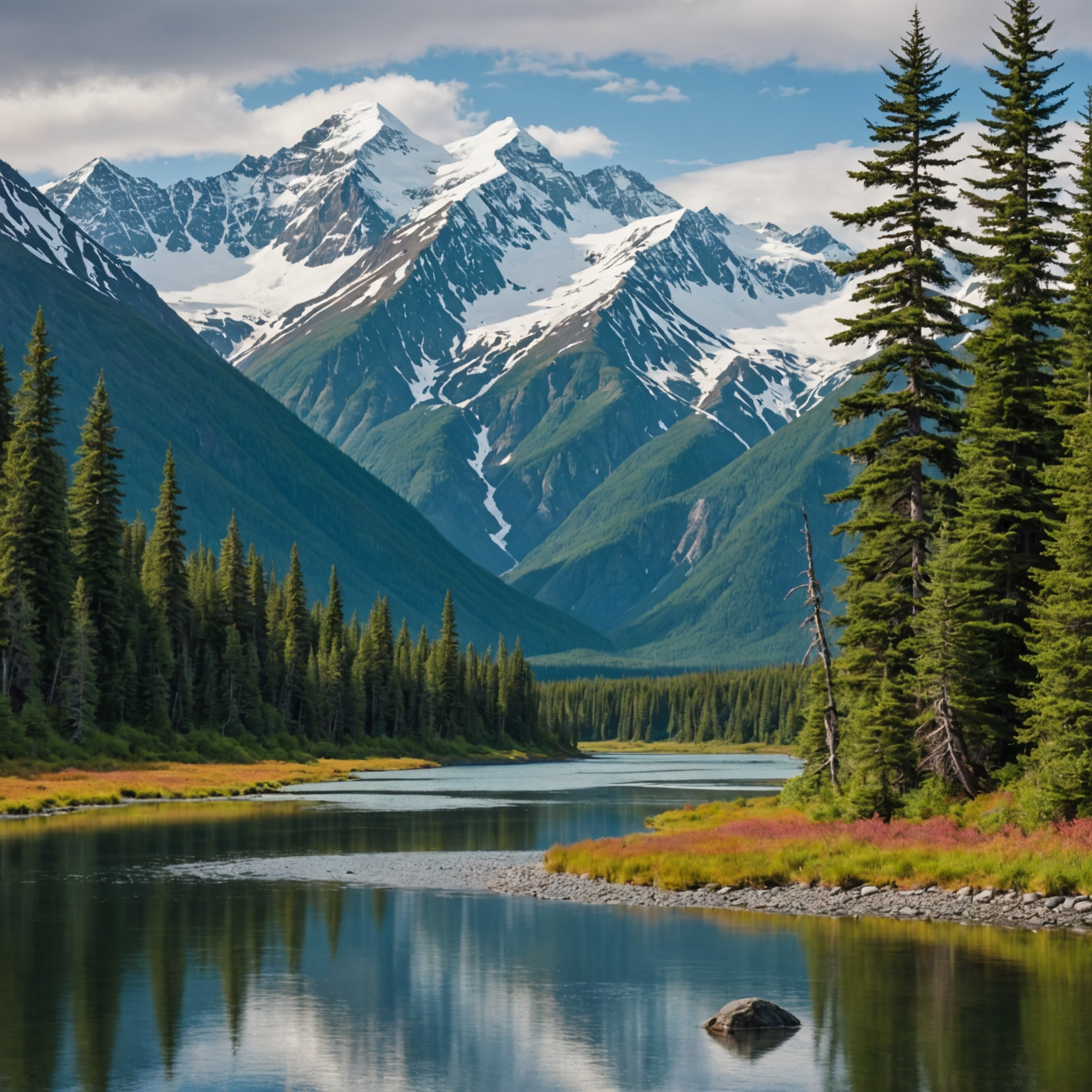
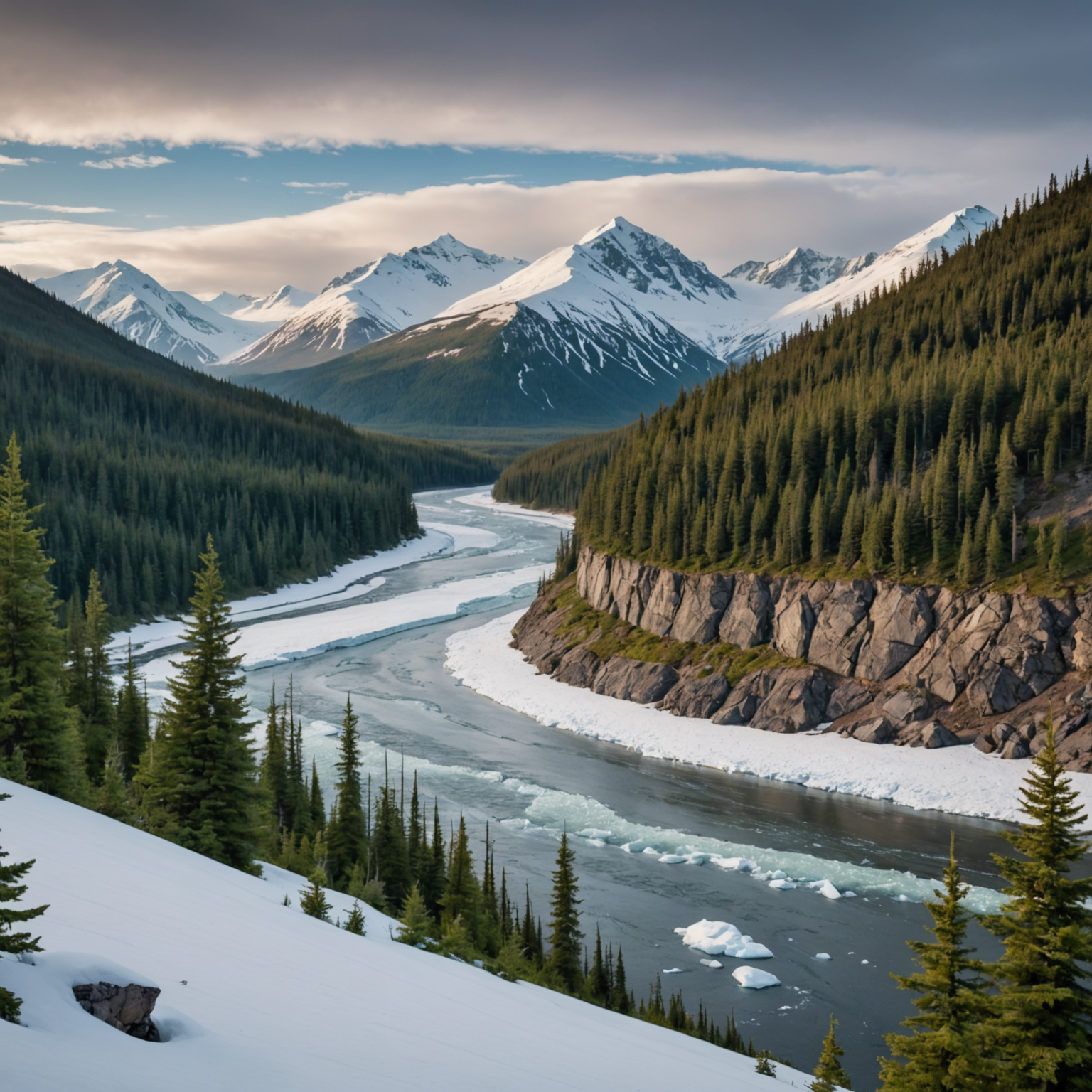
Camping in Alaska is an adventure like no other, offering breathtaking landscapes, diverse wildlife, and a chance to experience the last frontier’s untamed beauty. Whether you’re a seasoned camper or new to the outdoors, Alaska offers a multitude of camping experiences that cater to all levels of skill and interest. This guide will walk you through some of the best camping spots, provide tips for a successful trip, and highlight essential things to know before you embark on your Alaska camp adventure.
[spronix_cta key=”winter-adventures”]
Exploring Alaska’s Top Camping Spots
Denali National Park
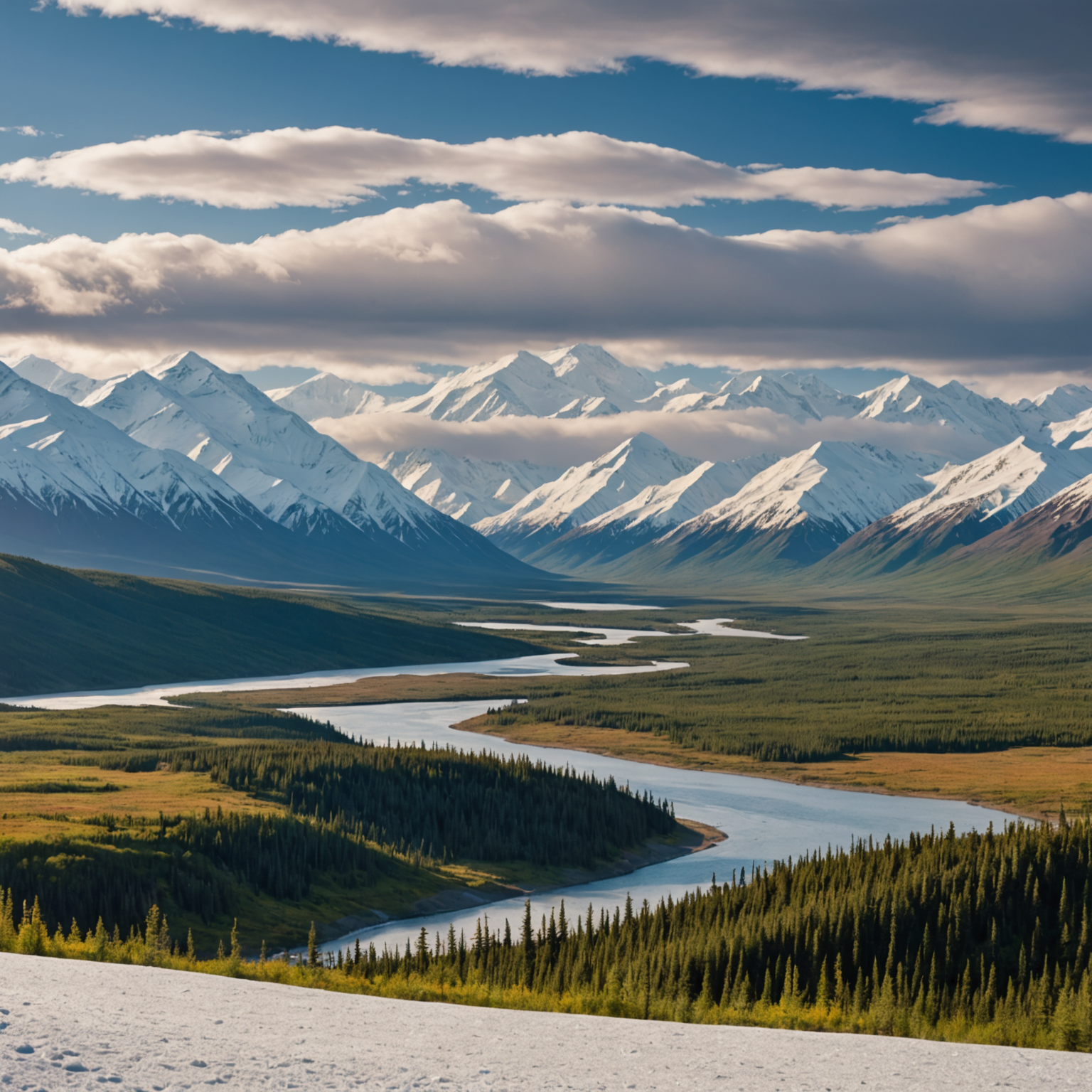
Denali National Park is a must-visit for any camper in Alaska. Known for its towering peaks and abundant wildlife, the park offers a range of camping options from established campgrounds to backcountry camping. The park’s six campgrounds, such as the popular Teklanika River Campground, offer stunning views and easy access to hiking trails. For those seeking solitude, Denali’s backcountry provides a chance to truly immerse yourself in nature. Be sure to secure a backcountry permit before setting out.
Kenai Fjords National Park
For those interested in coastal camping, Kenai Fjords National Park is an ideal destination. With its dramatic fjords and glaciers, the park provides a unique backdrop for camping. The popular Exit Glacier Campground offers easy access to the glacier and various hiking trails. Make sure to check the weather conditions before your trip, as the coastal weather can be unpredictable.
Wrangell-St. Elias National Park
As the largest national park in the United States, Wrangell-St. Elias offers vast wilderness and diverse landscapes. From glaciers to volcanoes, the park’s natural wonders are perfect for exploration. Set up camp at one of the designated campgrounds or venture into the backcountry with a permit. Always practice Leave No Trace principles to preserve the park’s pristine environment.
Chugach State Park
Located near Anchorage, Chugach State Park offers a convenient yet immersive camping experience. With over 495,000 acres of forest, lakes, and mountains, the park is a haven for outdoor enthusiasts. The Eagle River Nature Center is a popular starting point for hikes and camping trips. Whether you’re interested in a short overnight trip or an extended backcountry adventure, Chugach has something to offer.
Tips for a Successful Alaska Camp
Prepare for the Weather
Alaska’s weather can be unpredictable, so it’s crucial to be prepared. Check the National Weather Service for accurate forecasts and pack accordingly. Layered clothing, waterproof gear, and a good quality sleeping bag are essential for staying warm and dry.
Wildlife Safety
Camping in Alaska means sharing the environment with wildlife, including bears and moose. Familiarize yourself with wildlife safety tips to minimize risks. Store food securely and maintain a safe distance from animals.
Choosing the Right Gear
Selecting the right camping gear is crucial for comfort and safety in Alaska’s diverse environments. Consider renting or purchasing high-quality equipment from local providers. For expert advice on necessary gear, check out this equipment kit guide.
Navigating the Backcountry
Exploring Alaska’s backcountry can be rewarding but requires careful planning. Obtain necessary permits from Recreation.gov and inform someone of your itinerary. Using a GPS device or map is essential for navigation.
Conclusion
Camping in Alaska is a transformative experience, offering a rare opportunity to connect with nature in its most pristine form. From the towering peaks of Denali to the serene fjords of Kenai, each camping spot offers unique adventures. By preparing adequately and respecting the natural environment, your Alaska camp experience will be both safe and unforgettable. Plan your trip today and discover the wild beauty of the last frontier.
[spronix_cta key=”winter-adventures”]
FAQ
1. What is the best time of year to camp in Alaska?
The best time for camping in Alaska is during the summer months, from mid-June to early September. During this period, the weather is milder, and most campgrounds and trails are accessible.
2. Do I need a permit for camping in Alaska’s national parks?
Permits are required for backcountry camping in most Alaskan national parks. It’s advisable to check the specific requirements for each park on the National Park Service website.
3. How can I see the Northern Lights while camping in Alaska?
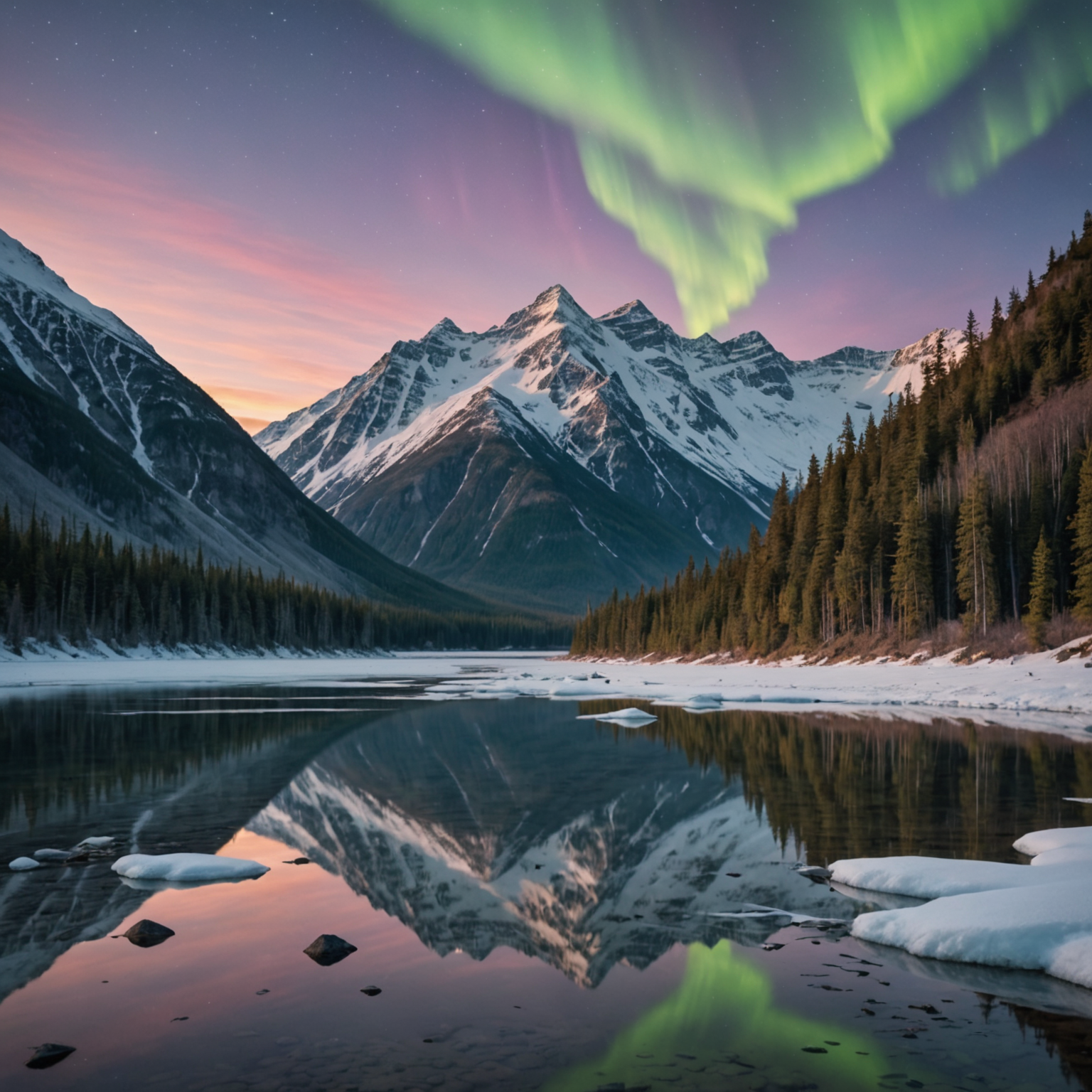
To maximize your chances of seeing the Northern Lights, consider camping in areas with minimal light pollution. Our guide on the best places to see Northern Lights in Alaska provides valuable insights.
4. Are there guided camping tours available in Alaska?
Yes, guided camping tours are available and can enhance your experience, especially if you’re unfamiliar with the terrain. These tours often include transportation, equipment, and knowledgeable guides.
5. What wildlife might I encounter while camping in Alaska?
Common wildlife sightings include bears, moose, caribou, and various bird species. Always practice safe wildlife viewing and keep a respectful distance.
6. Can I rent camping gear in Alaska?
Yes, many local outfitters offer gear rentals, making it convenient for travelers who do not wish to bring their own equipment. Research rental options in advance to ensure availability.
7. What are some essential items to pack for an Alaska camping trip?
Essential items include a high-quality tent, sleeping bag, layered clothing, waterproof gear, cooking supplies, and a first-aid kit. For a complete list, refer to our equipment kit guide.
8. Is it safe to drink water from streams and rivers while camping in Alaska?
It’s recommended to treat or filter water from natural sources before drinking to avoid waterborne illnesses. Carry a portable water filter or purification tablets as a precaution.