Introduction
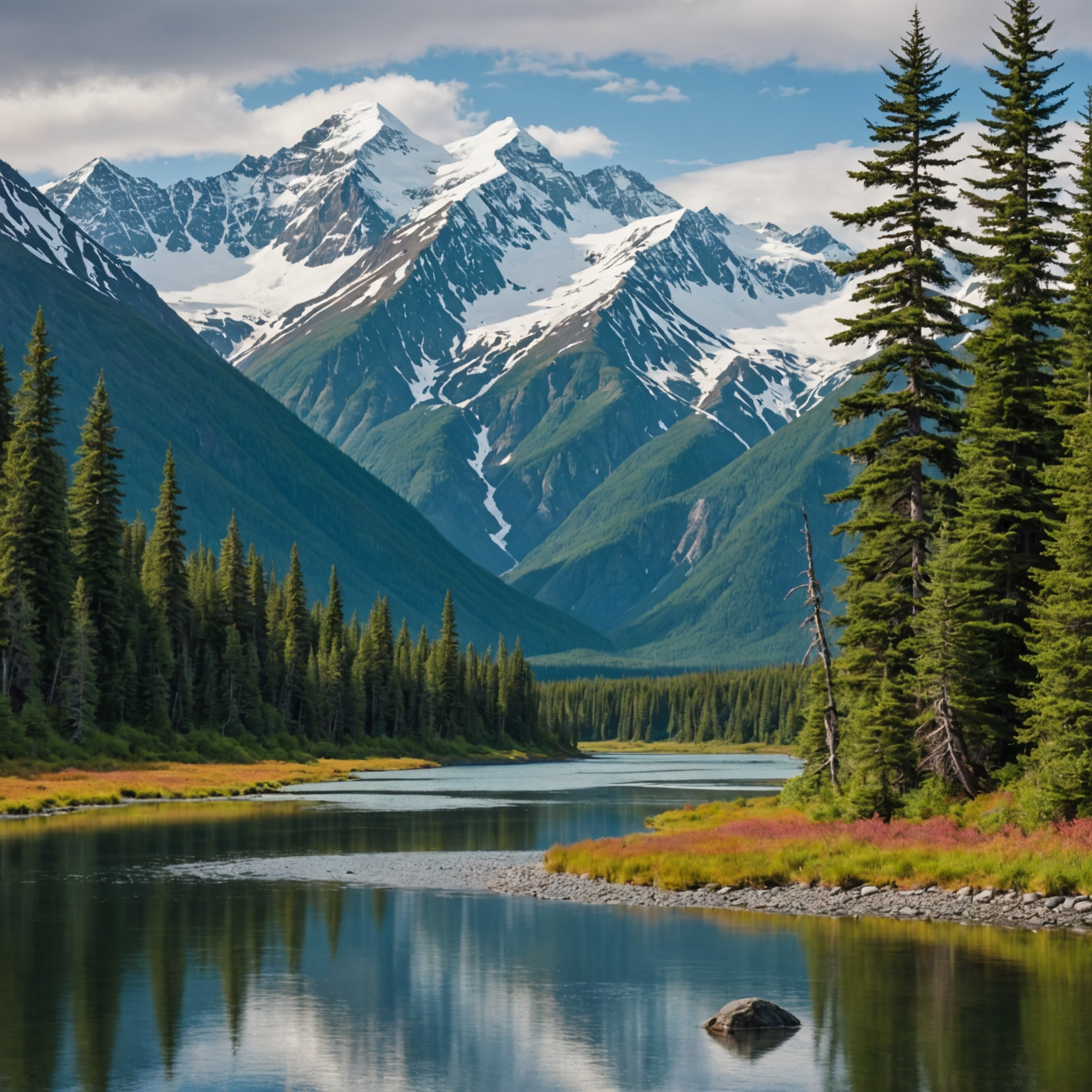
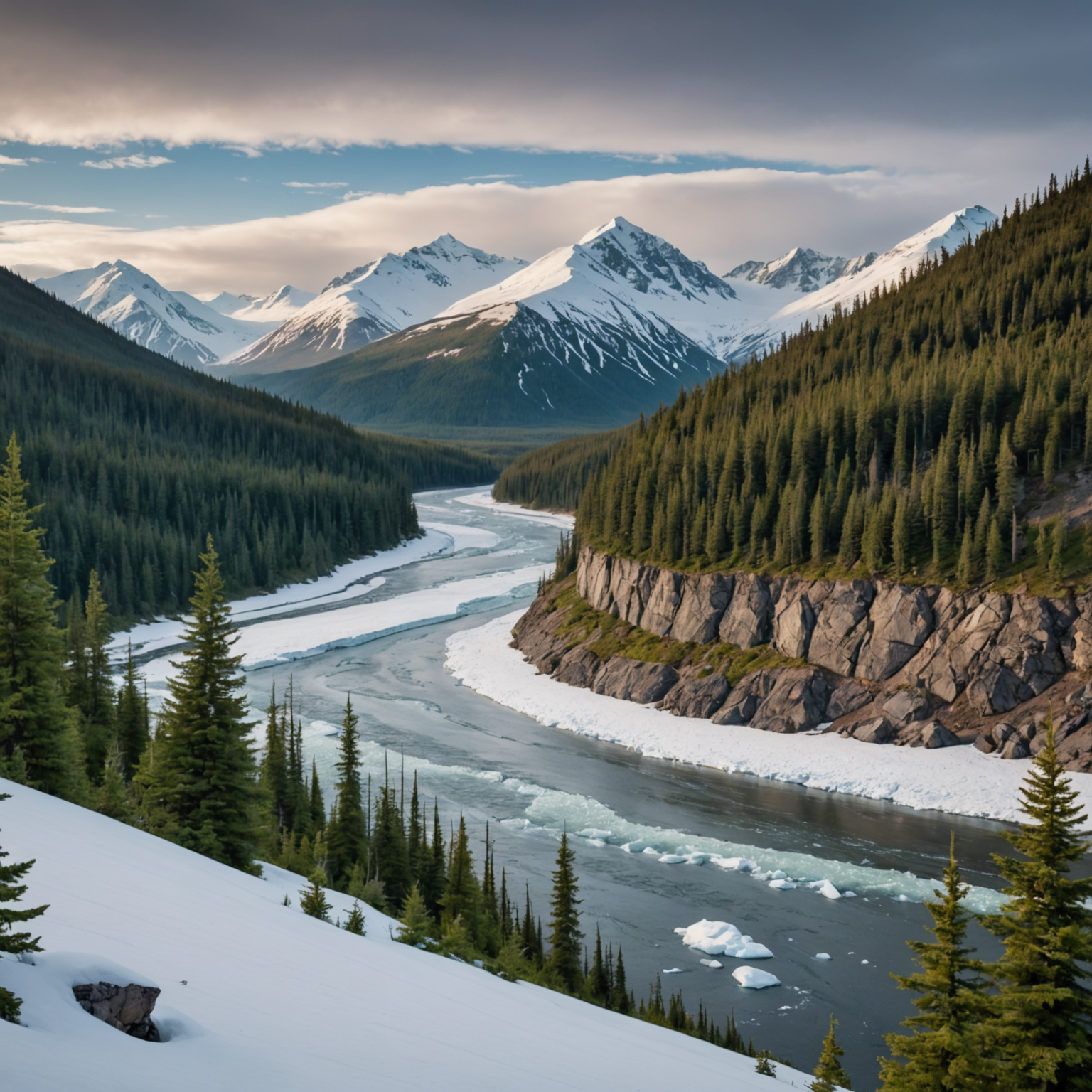
Alaska backcountry skiing is an unparalleled experience of adventure and serenity in the vast wilderness of the Last Frontier. With its breathtaking landscapes, untouched powder fields, and challenging terrains, Alaska offers a skiing expedition that is both thrilling and awe-inspiring. Whether you’re an experienced skier looking to push your limits or a beginner eager to explore the snowy wilderness, Alaska has something for everyone. This guide will provide you with everything you need to know about backcountry skiing in Alaska, from safety tips to the best locations and necessary gear.
[spronix_cta key=”winter-adventures”]
The Allure of Alaska Backcountry Skiing
Alaska is a haven for backcountry skiing enthusiasts due to its diverse landscapes ranging from expansive mountain ranges to vast glaciers. The Chugach and Talkeetna Mountains provide some of the most picturesque backdrops for backcountry skiing. The thrill of skiing through untouched powder and the sense of solitude in the Alaskan wilderness is unmatched. For those interested in exploring other winter activities, Alaska also offers dog sledding tours in Willow and snowmobile adventures.
Planning Your Backcountry Skiing Trip
When planning a backcountry skiing trip in Alaska, preparation is key. The first step is to select a suitable location. Popular areas for backcountry skiing include the Chugach National Forest, Turnagain Pass, and the mountains near Anchorage. Websites such as Travel Alaska and Alaska.org offer detailed information on these locations.
Check weather conditions regularly through the National Weather Service and avalanche forecasts from the Chugach National Forest Avalanche Information Center to ensure a safe journey. Understanding local weather patterns and avalanche risks is crucial for any backcountry skier.
Essential Gear for Alaska Backcountry Skiing
Having the right gear is essential for a successful backcountry skiing trip. Essential items include:
- Skis or splitboards: Designed for backcountry terrain with skins for climbing.
- Avalanche safety gear: Includes a beacon, probe, and shovel.
- Clothing: Layered clothing suitable for cold weather; learn more about choosing the right sled clothing for Alaska.
- Navigation tools: Maps, GPS, and a compass.
- Emergency kit: First aid supplies, extra food, water, and a portable stove.
For those interested in enhancing their adventure with other activities, consider the best snowmobile boots for Alaska trails to keep warm and comfortable.
Safety Considerations
Safety should always be a priority when skiing in the backcountry. Avalanches are a significant risk, so it’s essential to stay informed about the avalanche conditions and participate in avalanche safety training. It is also advisable to ski with a partner and let someone know your plans and expected return time.
Be aware of wildlife, such as bears, and learn how to coexist safely with them by visiting the Alaska Department of Fish and Game. Additionally, familiarize yourself with backcountry etiquette to preserve the pristine environment for others.
Conclusion
Alaska backcountry skiing offers an extraordinary experience for those seeking adventure amidst stunning landscapes. With proper planning, gear, and safety measures, skiers can explore the vast, untouched powder fields and enjoy the serenity of the Alaskan wilderness. Whether you are planning for a solo expedition or a guided tour, Alaska’s backcountry skiing is an adventure that promises memories and thrills to last a lifetime.
[spronix_cta key=”winter-adventures”]
FAQ
1. What is the best time of year for backcountry skiing in Alaska?
The ideal time for backcountry skiing in Alaska is from late February to early April when the snow conditions are optimal and daylight hours are longer.
2. Do I need a guide for backcountry skiing in Alaska?
While experienced skiers may choose to explore independently, hiring a guide is recommended for beginners or those unfamiliar with the terrain to ensure safety.
3. What should I do in case of an avalanche?
If caught in an avalanche, try to push off the sliding snow, grab onto something sturdy, and create an air pocket around your face. Ensure you have avalanche safety gear and training before heading out.
4. Can I rent skiing equipment in Alaska?
Yes, several outfitters offer rentals for backcountry skiing gear, including skis, avalanche safety equipment, and more.
5. Are there other winter activities to enjoy in Alaska?
Absolutely! Alaska offers a range of winter activities, including dog sledding, snowmobiling, and even aurora borealis viewing.
6. How can I stay updated on weather conditions?
Stay informed about weather conditions through resources like the Alaska Region Headquarters of the National Weather Service and local avalanche centers.
7. What permits do I need for backcountry skiing in Alaska?
Permits may be required depending on the specific area you plan to ski. Check with local land management agencies or Recreation.gov for detailed information.