Introduction
Alaska, a land of rugged beauty and untamed wilderness, offers some of the most breathtaking landscapes on earth. For those seeking an unparalleled experience in this vast frontier, adventure treks in Alaska provide the perfect blend of thrill and serenity. From hiking across ancient glaciers to exploring the tundra’s unique flora and fauna, these treks promise unforgettable memories for both seasoned adventurers and nature enthusiasts. In this comprehensive guide, we will explore the best adventure treks Alaska has to offer, ensuring your journey is both exciting and informative.
[spronix_cta key=”winter-adventures”]
The Allure of Alaska’s Wilderness
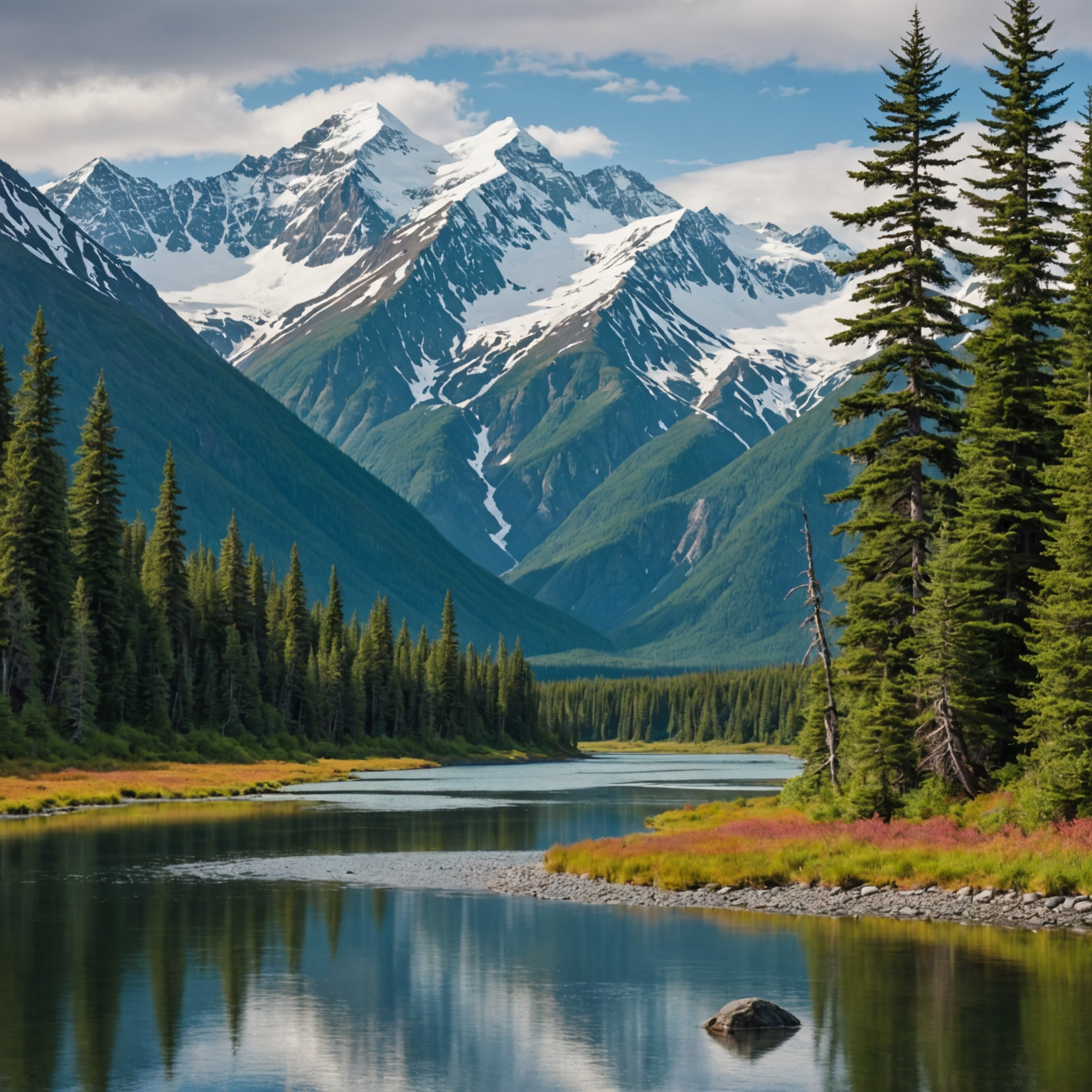
Alaska’s wilderness is a paradise for adventurers. Encompassing stunning national parks, towering mountain ranges, and vast expanses of untouched land, the state provides a backdrop for numerous outdoor activities. Adventure treks offer a front-row seat to nature’s wonders, from observing wildlife in their natural habitat to witnessing the dazzling displays of the northern lights. The Chugach and Tongass National Forests, along with Denali National Park, are among the key destinations for trekking enthusiasts.
Denali National Park, home to North America’s highest peak, Mount Denali, offers diverse ecosystems and a chance to see animals like grizzly bears, moose, and caribou. For more information about planning your trip to Denali, check out Discover Denali.
Popular Adventure Treks in Alaska
Glacier Hiking in Wrangell-St. Elias National Park
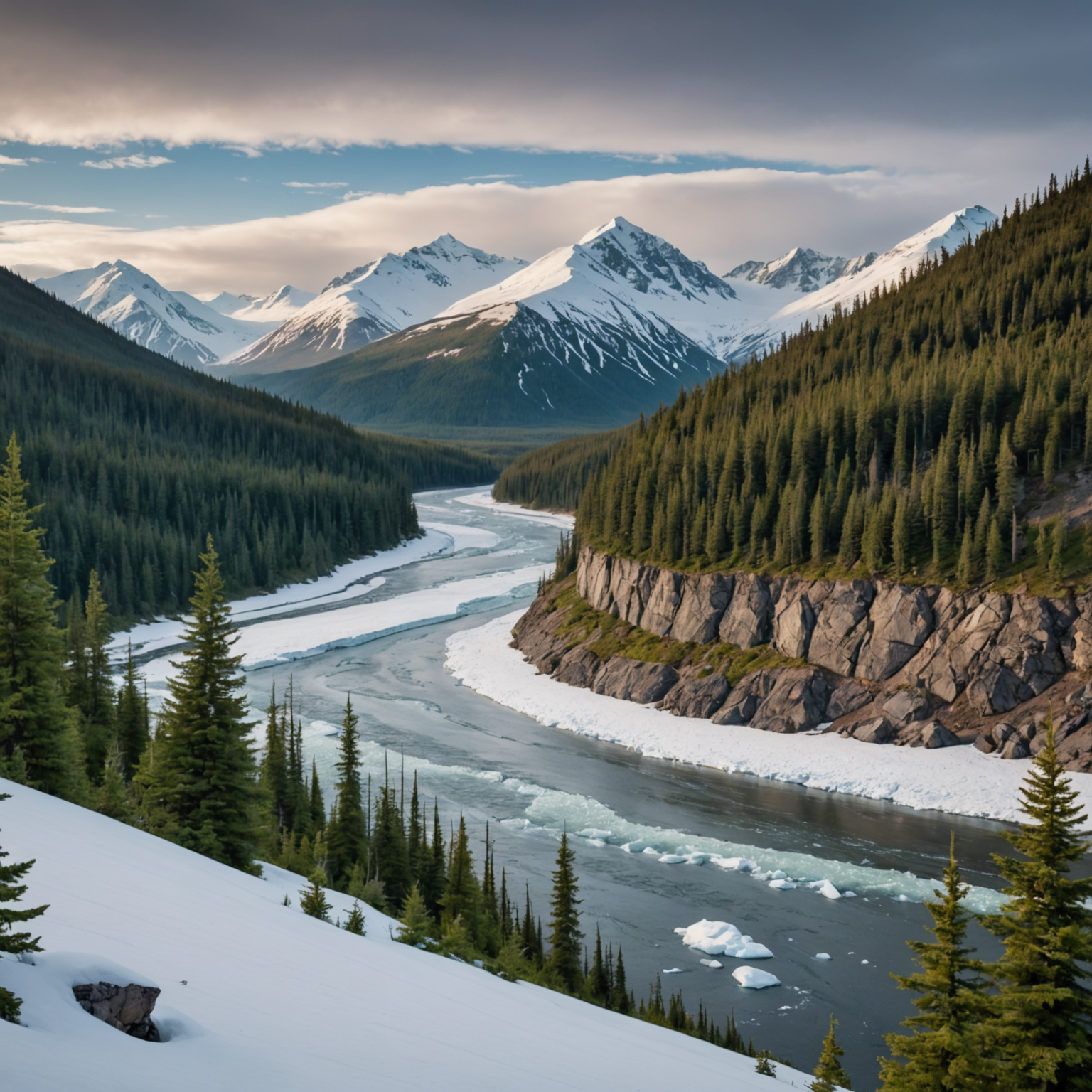
One of the most awe-inspiring treks is glacier hiking in Wrangell-St. Elias National Park. Covering 13.2 million acres, this park is the largest in the United States and part of a UNESCO World Heritage Site. Here, you can trek across massive glaciers, such as the Root Glacier, and explore the park’s rugged terrain.
Tundra Trekking in Arctic National Wildlife Refuge
For those eager to experience the tundra’s unique landscape, the Arctic National Wildlife Refuge offers an unparalleled trekking experience. With its rolling hills and expansive vistas, trekkers can observe rare wildlife species and enjoy solitude in this pristine environment. The refuge is also an excellent place to witness the aurora borealis, making it a dual-purpose destination for both trekking and northern lights viewing. For tips on capturing this natural wonder, read our Northern Lights Photography Tour Tips for Alaska.
Exploring the Kenai Fjords
Kenai Fjords National Park is renowned for its dramatic fjords and abundant marine life. Trekking here includes exploring coastal trails with views of calving glaciers and opportunities to see sea otters, whales, and puffins. The park’s Exit Glacier is particularly popular for day hikes and offers stunning views of the surrounding landscape.
Preparing for Your Adventure Trek
Gear and Equipment
Proper preparation is crucial for any adventure trek in Alaska. Essential gear includes sturdy hiking boots, layered clothing for varying weather conditions, a reliable backpack, and navigation tools such as maps or GPS devices. Additionally, packing lightweight camping equipment is advisable if you plan to stay overnight in the wilderness.
Safety Considerations
Safety is paramount when trekking in Alaska’s remote areas. Understanding bear safety is essential, as encounters with wildlife are possible. The Alaska Department of Fish and Game provides valuable information on coexisting with bears. Additionally, being aware of weather conditions and having an emergency plan are important aspects of trek preparation.
Guided Tours vs. Independent Trekking
Choosing between guided tours and independent trekking depends on your experience level and comfort with navigating the wilderness. Guided tours offer expert knowledge and safety, while independent trekking provides flexibility and solitude. For customized tours that cater to your specific interests, consider exploring Snowhook Adventures’ Custom Tours.
Conclusion
Adventure treks in Alaska offer a unique opportunity to immerse yourself in the state’s natural beauty and diverse ecosystems. Whether you choose to hike across glaciers, explore the tundra, or witness the majestic fjords, each trek promises a rewarding experience. By adequately preparing and choosing the right trek for your interests and skill level, you can ensure a safe and exhilarating adventure.
[spronix_cta key=”winter-adventures”]
FAQ
What is the best time of year for adventure treks in Alaska?
The best time for trekking in Alaska is during the summer months, from June to August, when the weather is milder, and trails are more accessible. However, for those interested in viewing the northern lights, visiting in late fall or winter might be preferable.
Are guided tours recommended for first-time trekkers in Alaska?
Yes, guided tours are highly recommended for first-time trekkers. They provide the expertise and safety required to navigate Alaska’s challenging terrain, ensuring a more enjoyable experience.
What wildlife can I expect to see on a trek in Alaska?
Trekkers may encounter a variety of wildlife, including bears, moose, caribou, wolves, and numerous bird species. Marine life, such as sea otters and whales, can also be seen in coastal areas.
How should I prepare for the weather during my trek?
Alaska’s weather can be unpredictable. It’s essential to dress in layers, carry rain gear, and check the local weather forecast through reliable sources like the National Weather Service before your trek.
Can I trek in Alaska during the winter months?
Winter trekking is possible but requires specialized equipment and knowledge of cold-weather survival skills. Guided tours are recommended for those unfamiliar with winter conditions.
What are some must-see locations during an adventure trek in Alaska?
Must-see locations include Denali National Park, Kenai Fjords National Park, Wrangell-St. Elias National Park, and the Arctic National Wildlife Refuge. Each offers unique landscapes and diverse wildlife.
Are there accommodations available near popular trekking areas?
Yes, there are various accommodations ranging from simple campsites to lodges and cabins. For a unique experience, consider staying at an Aurora Lodge in Hatcher Pass.
How can I minimize my environmental impact while trekking?
Practicing Leave No Trace principles, such as packing out all trash and staying on designated trails, helps preserve Alaska’s pristine environment for future generations.