Introduction
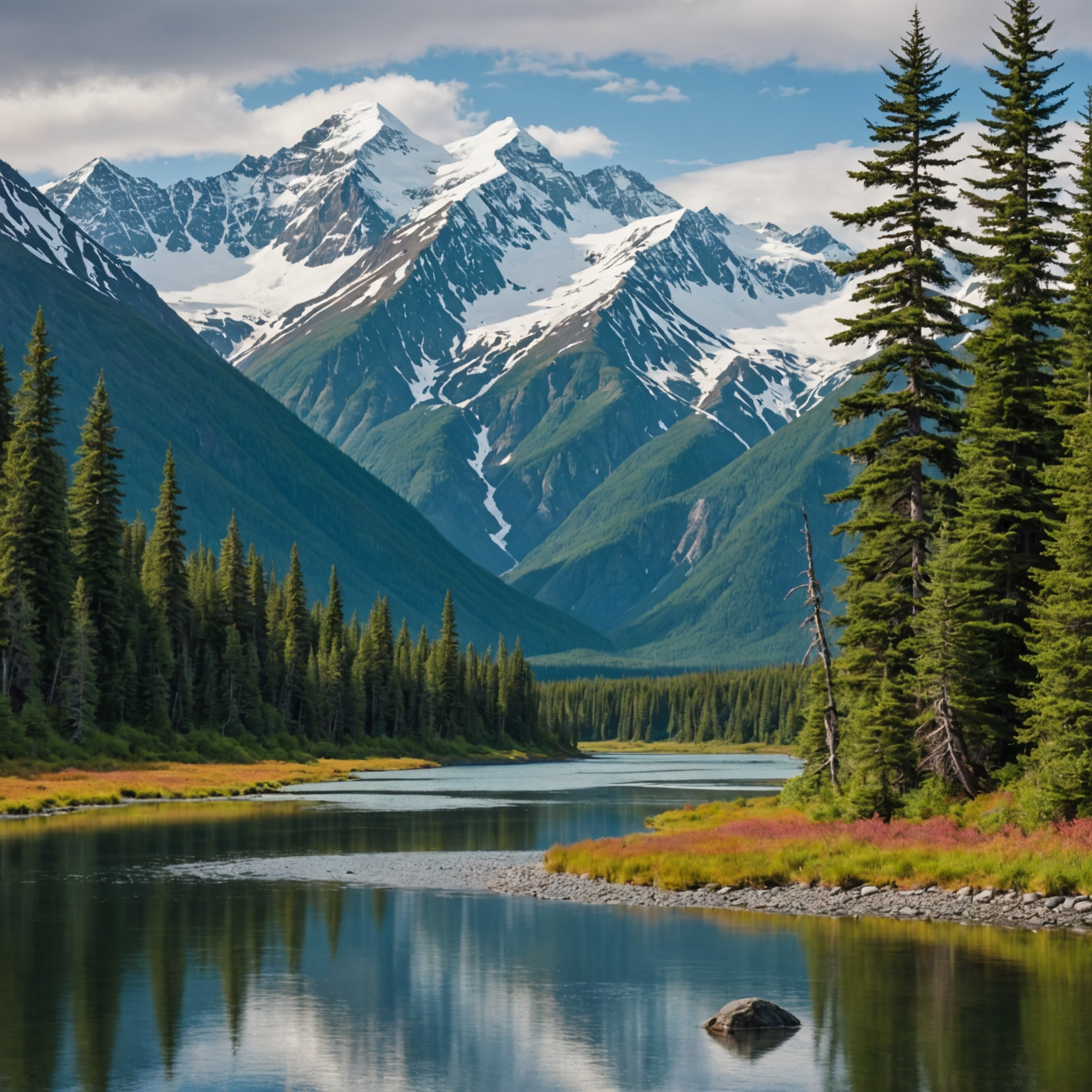
Alaska’s vast wilderness offers a unique opportunity for backcountry kayak adventures, where pristine waters meet rugged landscapes. Imagine paddling through remote lakes surrounded by snow-capped mountains and dense forests, far from the hustle and bustle of civilization. For outdoor enthusiasts seeking an unforgettable experience, backcountry kayaking in Alaska is unparalleled. This guide will provide you with insights into planning your trip, what to expect, and tips for making the most of your journey.
Why Choose Backcountry Kayaking in Alaska?
Unmatched Scenery and Wildlife
Backcountry kayaking in Alaska provides access to some of the planet’s most breathtaking scenery. From the serene waters of Kenai Fjords National Park to the glacial landscapes of Glacier Bay, each paddle stroke unveils new vistas. The opportunity to observe wildlife such as seals, otters, and perhaps even a breaching whale adds an element of wonder to your journey. For those interested in Alaska’s diverse wildlife and ecosystems, the Alaska Department of Fish and Game provides valuable information on local fauna.
A True Adventure
Embarking on a backcountry kayak trip is a true adventure that challenges your physical and mental limits. It’s not just about the destination but the journey itself. Paddlers must be prepared for varying weather conditions, navigate remote waters, and camp in the wilderness. This type of adventure requires thorough planning and respect for nature’s unpredictability. For insights on how to prepare for unpredictable weather, the National Weather Service offers reliable forecasts and updates.
Sustainable Travel
Kayaking is one of the most eco-friendly ways to explore Alaska’s wilderness. By choosing backcountry kayaking, you minimize your environmental footprint while enjoying the natural beauty of remote locations. Practicing Leave No Trace principles ensures that these pristine environments remain untouched for future generations. For more on sustainable travel practices, visit Leave No Trace.
Planning Your Backcountry Kayak Trip
Selecting the Right Route
Alaska is home to countless kayaking routes, each offering unique challenges and rewards. Popular areas include the coastal waters of Kenai Fjords National Park and the secluded lakes of the Tongass National Forest. When choosing a route, consider factors such as your skill level, the duration of the trip, and the type of scenery you wish to explore. The National Park Service provides detailed information on various parks and their kayaking opportunities.
Preparing Your Gear
Proper gear is essential for a safe and enjoyable backcountry kayak trip. Key items include a sturdy kayak, paddles, a personal flotation device, and suitable clothing for cold and wet conditions. It’s also crucial to carry navigation tools, a first aid kit, and sufficient food and water supplies. For those embarking on winter adventures, Snowhook Adventures offers insights into gear suitable for cold-weather conditions.
Understanding Permits and Regulations
Before setting out, ensure you have the necessary permits and are aware of the regulations for the area you plan to explore. Some regions may require backcountry permits or have specific rules regarding camping and wildlife interaction. The Recreation.gov website is a valuable resource for obtaining permits and understanding area-specific guidelines.
Hiring a Guide
For those new to backcountry kayaking or unfamiliar with Alaska’s waters, hiring a guide can enhance your experience. Expert guides provide local knowledge, ensure safety, and often share fascinating insights into the region’s history and ecology. Snowhook Adventures can offer a concierge service to organize Kayaking for you, however we do not operate kayak tours ourselves at this point.
Safety Tips for Backcountry Kayaking
Weather Awareness
Alaska’s weather can change rapidly, making it crucial to stay informed. Always check weather forecasts before and during your trip and be prepared to adjust plans if conditions become unfavorable. The NOAA provides up-to-date weather alerts and forecasts that can be invaluable for trip planning.
Wildlife Safety
Encountering wildlife is one of the highlights of backcountry kayaking, but it’s essential to do so safely. Maintain a respectful distance from animals, store food securely, and understand the behaviors of local wildlife. The Alaska Department of Fish and Game offers guidelines on coexisting with wildlife in Alaska.
Emergency Preparedness
In remote areas, access to emergency services may be limited. Carry a satellite phone or emergency beacon and know how to use it. Familiarize yourself with basic wilderness first aid and ensure someone knows your itinerary. For more on safety precautions, Ready Alaska provides comprehensive emergency preparedness resources.
Conclusion
Backcountry kayaking in Alaska offers an unparalleled adventure for those seeking to connect with nature in its most pristine form. By planning carefully, respecting the environment, and embracing the challenges, paddlers can experience the beauty and solitude of Alaska’s remote waters. Whether you choose to navigate the fjords of Kenai or the glacial bays of Glacier Bay, the memories you create will last a lifetime.
FAQ
What is the best time of year for backcountry kayaking in Alaska?
The best time for kayaking in Alaska is from late May to early September, when the weather is milder, and the days are longer. This period also offers the best wildlife viewing opportunities.
Do I need prior kayaking experience for a backcountry trip?
While some routes are suitable for beginners, having prior kayaking experience is beneficial, especially for more challenging or remote locations. Consider hiring a guide if you are inexperienced.
What should I pack for a backcountry kayak trip?
Essential items include a durable kayak, paddles, a personal flotation device, weather-appropriate clothing, navigation tools, a first aid kit, and sufficient food and water supplies.
Are there any specific regulations I should be aware of?
Yes, regulations vary by region. Some areas require permits, and there may be specific rules regarding camping and wildlife interaction. Check with local authorities or Recreation.gov for detailed information.
Is it safe to kayak alone in Alaska’s backcountry?
While solo kayaking is possible, it is generally safer to travel with a group or a guide, especially in remote areas where help may be far away.
How can I minimize my environmental impact while kayaking?
Practice Leave No Trace principles, such as packing out all waste, minimizing campfire impact, and respecting wildlife. Resources like Leave No Trace offer comprehensive guidelines.
Can I see the Northern Lights while kayaking in Alaska?
The best time to view the Northern Lights in Alaska is during the winter months. However, during late summer, you might catch a glimpse in the northern parts of the state. For more information, visit the Geophysical Institute’s Aurora Forecast.
What wildlife might I encounter during my trip?
You may encounter a variety of wildlife, including seals, otters, whales, and numerous bird species. Always maintain a safe and respectful distance from all wildlife.