Introduction
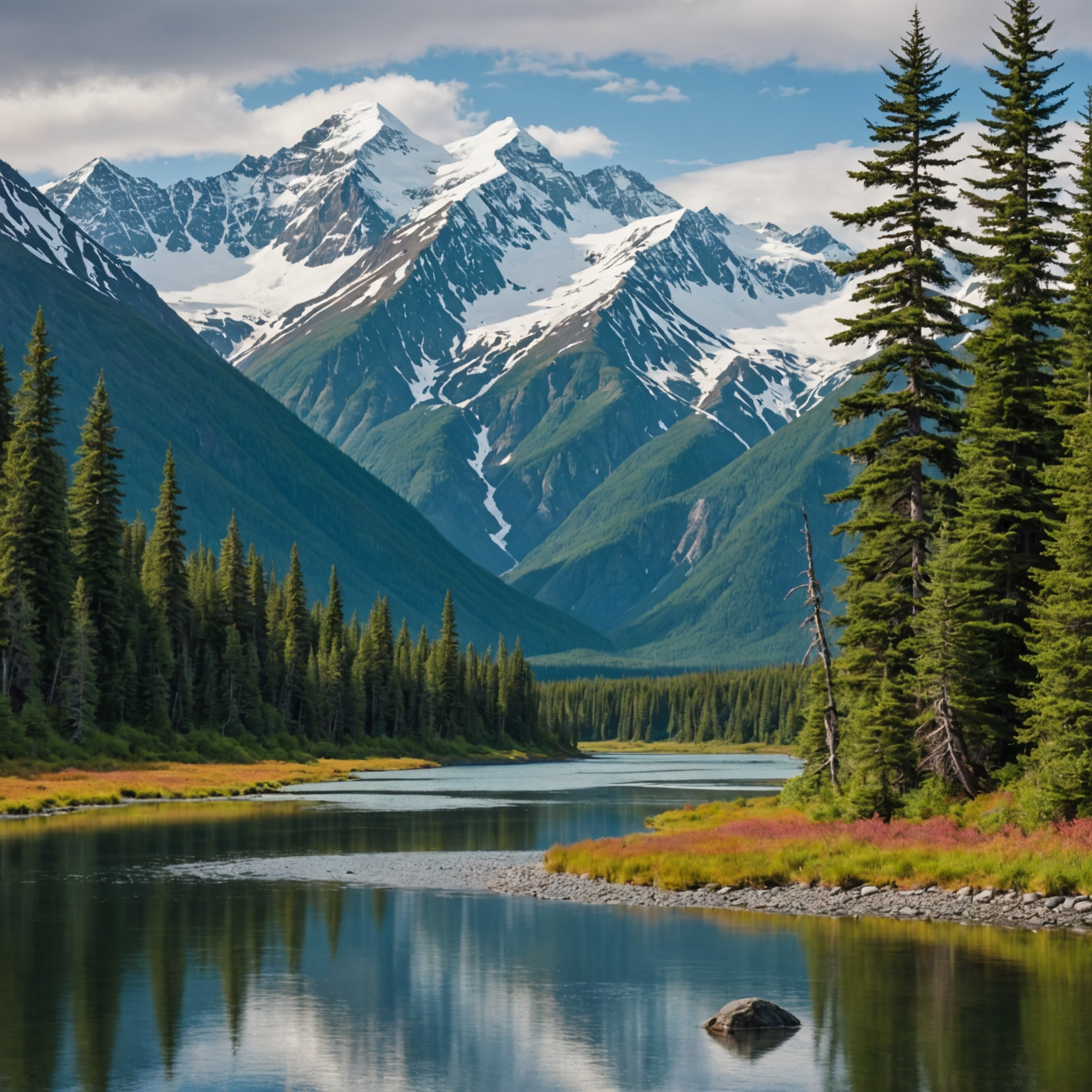
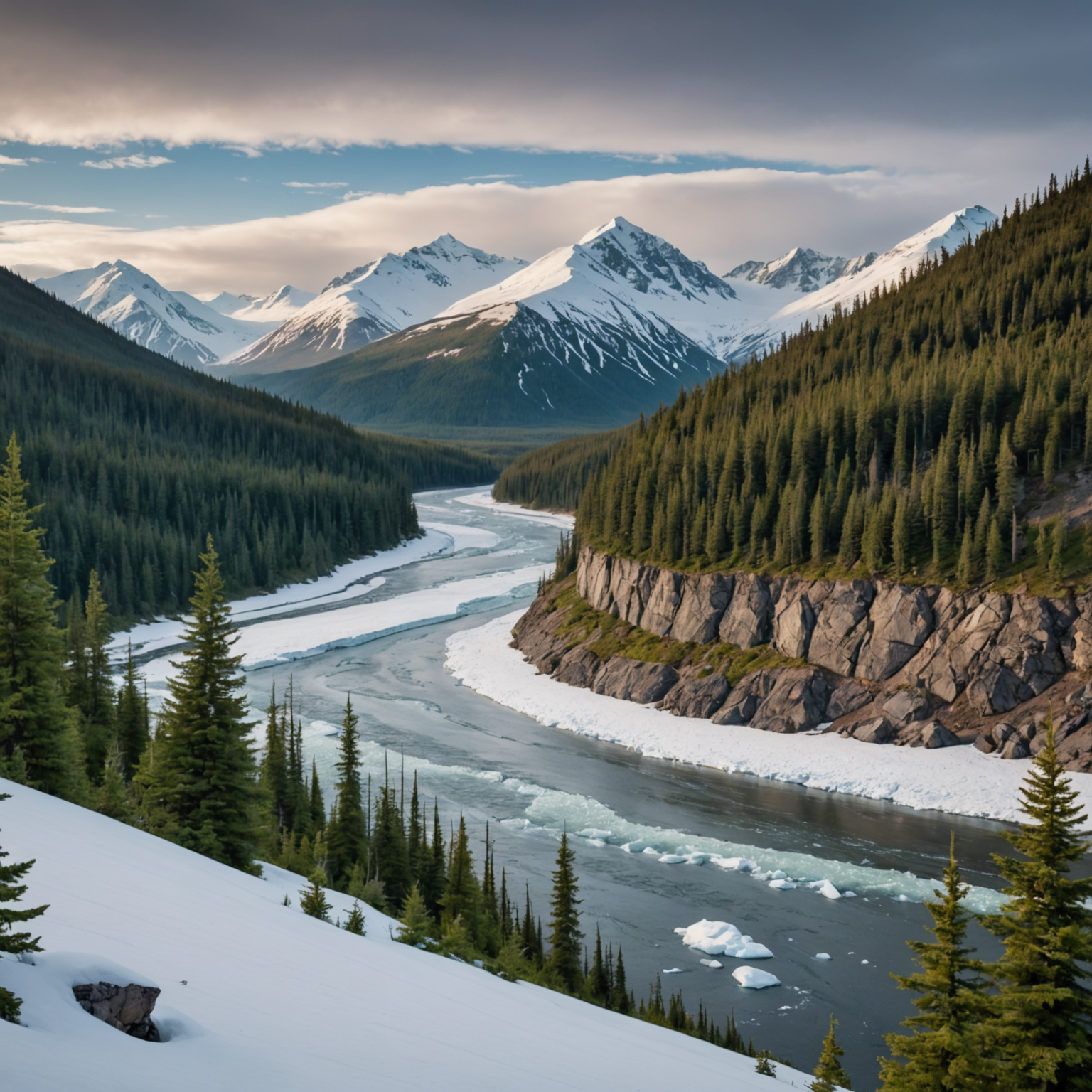
Camping in Alaska, especially during the colder months, is an adventure that promises breathtaking landscapes and unforgettable experiences. However, to fully enjoy such an expedition, it’s crucial to be well-prepared for the harsh weather conditions. A sleeping bag for low temperatures is an essential piece of gear for any serious camper or backpacker exploring the wilds of Alaska. This comprehensive guide will help you understand the importance of low-temperature sleeping bags, what to look for when choosing one, and how to maximize your comfort during your cold-weather adventures.
Understanding Low-Temperature Sleeping Bags
What Is a Low-Temperature Sleeping Bag?
A low-temperature sleeping bag is specifically designed to provide insulation and warmth in extremely cold conditions. Typically rated for temperatures below 20°F (-6°C), these sleeping bags are essential for anyone camping in areas where the temperature can plummet overnight. They are made from advanced materials that trap heat and offer a snug fit to minimize heat loss, ensuring you stay warm even on the coldest nights.
Why You Need One
If you’re planning to explore Alaska’s beautiful places, you will encounter varying weather conditions. The nights can be especially chilly, making a sleeping bag for low temperatures a necessity. Without proper insulation, you risk hypothermia, which can be life-threatening. A well-chosen sleeping bag will not only keep you warm but also allow you to get a restful night’s sleep, essential for enjoying activities such as dog sledding or glacier tours.
Features to Look for in a Low-Temperature Sleeping Bag
Insulation Type
The insulation type is one of the most critical factors to consider. Sleeping bags generally use either down or synthetic insulation:
- Down Insulation: Known for its excellent warmth-to-weight ratio, down insulation is lightweight, compressible, and durable. However, it tends to lose its insulating properties when wet.
- Synthetic Insulation: Offers better performance in wet conditions and dries quickly. It’s also more affordable than down but tends to be bulkier and heavier.
Temperature Rating
Understanding the temperature rating of a sleeping bag is essential. The rating indicates the lowest temperature at which the bag will keep an average sleeper warm. It’s advisable to choose a sleeping bag rated at least 10°F lower than the coldest temperature you expect to encounter.
Shape and Size
Sleeping bags come in various shapes, with mummy bags being the most popular for cold weather. Their tapered design reduces dead air space and increases heat retention. Ensure the bag fits your body size; too much space can lead to heat loss, while a too-tight bag can be uncomfortable.
Weight and Packability
When venturing into the Alaskan wilderness, you’ll likely carry your sleeping bag for extended periods. Therefore, consider a bag that offers a balance between warmth and weight. Lightweight and compressible bags are easier to transport.
Additional Features
- Hood and Draft Collars: These features help retain heat around your head and neck.
- Zipper Draft Tubes: Prevent cold air from entering through the zipper.
- Water-Resistant Shell: Protects the bag from moisture and enhances durability.
Caring for Your Low-Temperature Sleeping Bag
Proper care extends the life of your sleeping bag and maintains its performance. Always store your sleeping bag in a large, breathable sack when not in use to preserve its loft. After each trip, clean the bag according to the manufacturer’s instructions to remove dirt and oils that can degrade the insulation.
Conclusion
Choosing the right sleeping bag for low temperatures is crucial for anyone planning to explore the wilds of Alaska. By considering factors such as insulation type, temperature rating, and additional features, you can find the perfect bag to keep you warm and comfortable on your adventure. Remember, a good night’s sleep is vital to fully enjoy the stunning landscapes and exciting activities that Alaska has to offer.
Whether you’re embarking on a spring tour or witnessing the aurora borealis, being well-prepared with the right gear will enhance your experience and keep you safe.
FAQ
What temperature rating should I choose for an Alaskan camping trip?
For camping in Alaska, it’s advisable to select a sleeping bag with a temperature rating of at least 10°F lower than the coldest temperature you expect to encounter. This ensures you remain warm even in unexpected cold snaps.
How do I know if a down or synthetic sleeping bag is right for me?
If you’re looking for a lightweight, compressible option and can manage moisture carefully, down might be the best choice. However, if you’re likely to encounter wet conditions or are on a budget, a synthetic bag is a more practical option.
Can I use a sleeping bag liner to increase warmth?
Yes, a sleeping bag liner can add a few degrees of warmth to your sleeping bag. It also helps keep your bag clean by acting as a barrier between you and the bag.
How do I clean and maintain my sleeping bag?
Follow the manufacturer’s instructions for cleaning, typically involving gentle washing with a specialized cleaner. Always air dry your bag thoroughly before storing it in a large, loose sack to maintain its loft.
Is it safe to camp in Alaska during the winter?
Winter camping in Alaska can be safe if you’re well-prepared with the right gear, such as a suitable sleeping bag, and are aware of the weather conditions. Check NOAA for up-to-date weather reports and plan accordingly.
Are there any specific features I should look for in a sleeping bag for extreme cold?
Look for features like a hood, draft collars, zipper draft tubes, and a water-resistant shell. These will enhance the bag’s ability to retain heat and protect against cold air and moisture.
What are some recommended activities while camping in Alaska?
While camping in Alaska, you can enjoy activities such as dog sledding, ATV tours, or visiting national parks to fully immerse yourself in the natural beauty and adventure the region offers.