Introduction
Fishing enthusiasts, welcome to the latest Anchor River Alaska fishing report, your ultimate guide to understanding the current conditions, trends, and tips for successful fishing on the Anchor River. This renowned fishing destination, located on the Kenai Peninsula, offers a unique blend of natural beauty and abundant fish species, making it a hotspot for anglers worldwide. Whether you’re a seasoned angler or a novice looking to cast your first line, this comprehensive report will provide you with the information you need to plan a successful fishing trip.
Current Fishing Conditions
The Anchor River is currently experiencing a vibrant fishing season, with various fish species actively biting. As of the latest reports from the National Weather Service, the weather conditions are favorable, with mild temperatures and clear skies. These conditions are ideal for those looking to enjoy a day out on the river.
Fish Species and Activity Levels
The Anchor River is home to a variety of fish species, including king salmon, silver salmon, and steelhead. The king salmon run typically peaks in May and June, while silver salmon can be found from July through September. Steelhead, on the other hand, start their run in the fall and continue through the winter months. Currently, anglers are reporting good catches of silver salmon and steelhead, with fish showing high activity levels in the early mornings and late afternoons.
Fishing Techniques and Gear
For those looking to maximize their catch, using the right techniques and gear is crucial. Fly fishing is highly popular on the Anchor River, with many anglers favoring this method for its precision and effectiveness. When fly fishing, it’s essential to choose flies that mimic the local baitfish and insects. Streamers and nymphs have proven particularly successful in recent weeks.
For those who prefer spin fishing, using spoons and spinners can yield excellent results, especially when targeting salmon. Lightweight rods and reels are recommended to handle the strong currents and provide better control during the fight.
Regulations and Licensing
Before heading out, ensure you are familiar with the Alaska Department of Fish and Game regulations. A valid fishing license is required for all anglers, and specific rules apply to different fish species and seasons. Be sure to check for any emergency orders or changes in regulations that might affect your fishing plans.
Best Spots on the Anchor River
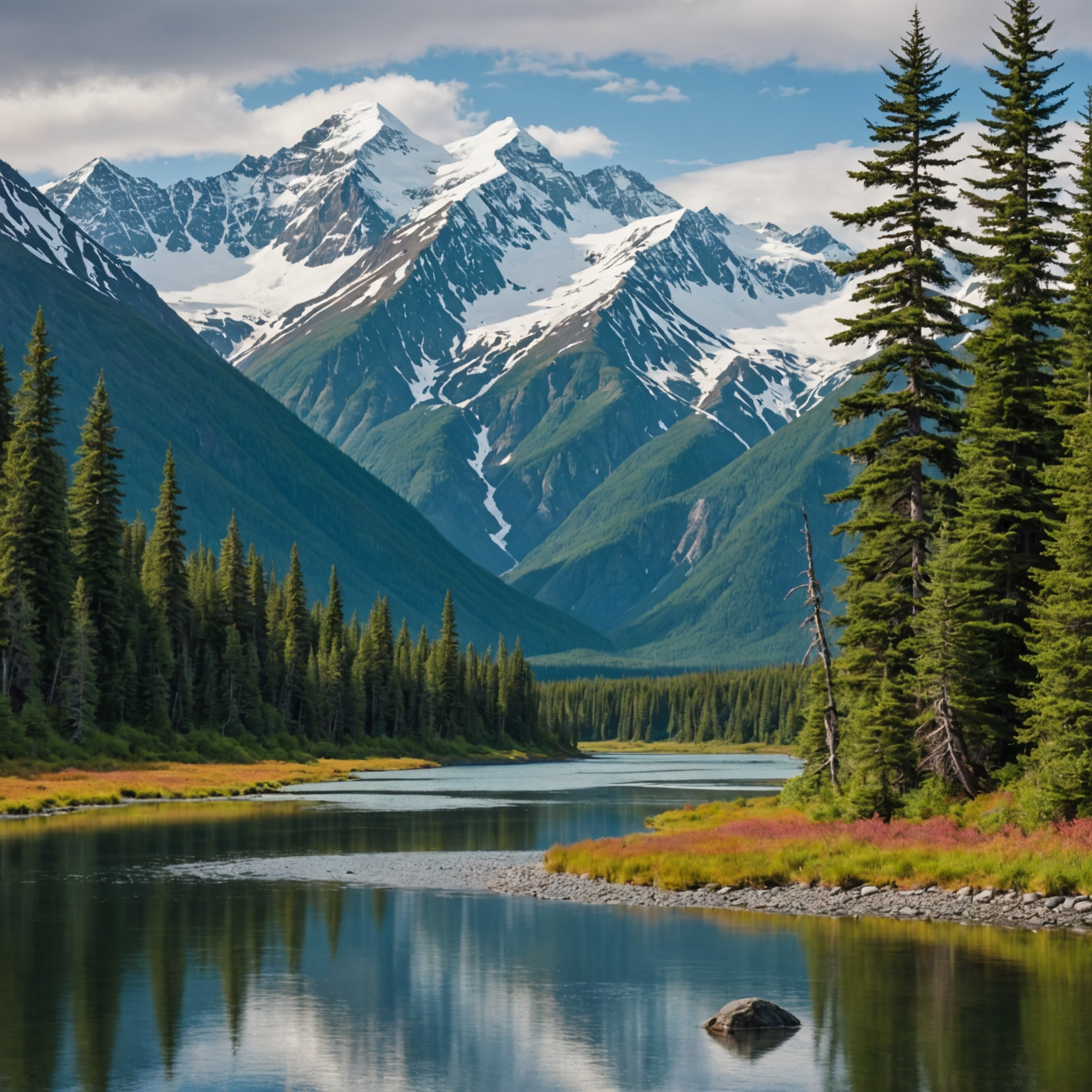
The Anchor River offers several prime fishing locations, each with its unique characteristics and advantages. The lower stretches of the river are known for their deep pools and swift currents, making them ideal for targeting larger salmon. Meanwhile, the upper sections provide a more tranquil setting, perfect for those seeking a peaceful fishing experience amidst stunning Alaskan landscapes.
Planning Your Fishing Trip
When planning your trip, consider combining your fishing adventure with other Alaskan experiences. For instance, you might explore dog sledding near Anchorage, providing a thrilling glimpse into the state’s rich cultural traditions. Alternatively, a visit to see the Northern Lights can add magical moments to your trip.
Safety and Preparedness
Fishing in Alaska comes with its unique set of challenges and risks, so safety should always be a top priority. Be aware of the weather conditions by checking the Alaska weather forecast regularly. The river’s water levels can change rapidly, so always be prepared with the appropriate gear and clothing. Layering is key to staying comfortable in unpredictable weather.
Additionally, bear awareness is crucial when fishing in remote areas. The Alaska Department of Fish and Game offers guidelines on how to safely coexist with wildlife. Carrying bear spray and making noise to alert bears of your presence can help prevent unwanted encounters.
Conclusion
The Anchor River in Alaska offers an unparalleled fishing experience, with its diverse fish species and stunning natural beauty. By staying informed about current conditions, using the right gear and techniques, and adhering to regulations, you can ensure a successful and enjoyable fishing trip. Whether you’re drawn by the thrill of catching a king salmon or the serene beauty of the Alaskan wilderness, the Anchor River promises an adventure you won’t forget.
FAQ
1. What is the best time of year to fish on the Anchor River?
The best time to fish depends on the species. King salmon runs peak in May and June, silver salmon are most active from July to September, and steelhead runs begin in the fall and continue through winter.
2. Do I need a fishing license to fish on the Anchor River?
Yes, a valid fishing license is required for all anglers. You can obtain one through the Alaska Department of Fish and Game.
3. What are some recommended fishing techniques for the Anchor River?
Fly fishing and spin fishing are popular methods. For fly fishing, use streamers and nymphs. For spin fishing, spoons and spinners are effective, especially for salmon.
4. Are there any safety precautions I should take when fishing in Alaska?
Yes, always check the weather conditions, be aware of bear safety guidelines, and prepare for rapidly changing water levels. Carry essential safety gear and dress in layers.
5. Can I combine fishing with other activities in Alaska?
Absolutely! Consider exploring dog sledding near Anchorage or witnessing the Northern Lights for a well-rounded Alaskan adventure.
6. What type of gear is recommended for spin fishing in the Anchor River?
Lightweight rods and reels with spoons and spinners are recommended for targeting salmon and navigating the river’s currents effectively.
7. Are there any restricted areas on the Anchor River?
Yes, certain areas might have restrictions to protect wildlife and fish populations. Always check the latest regulations from the Alaska Department of Fish and Game before heading out.
8. How can I stay updated on the current fishing conditions?
Stay informed by regularly checking local weather forecasts from the National Weather Service and fishing reports from reliable sources.