Introduction
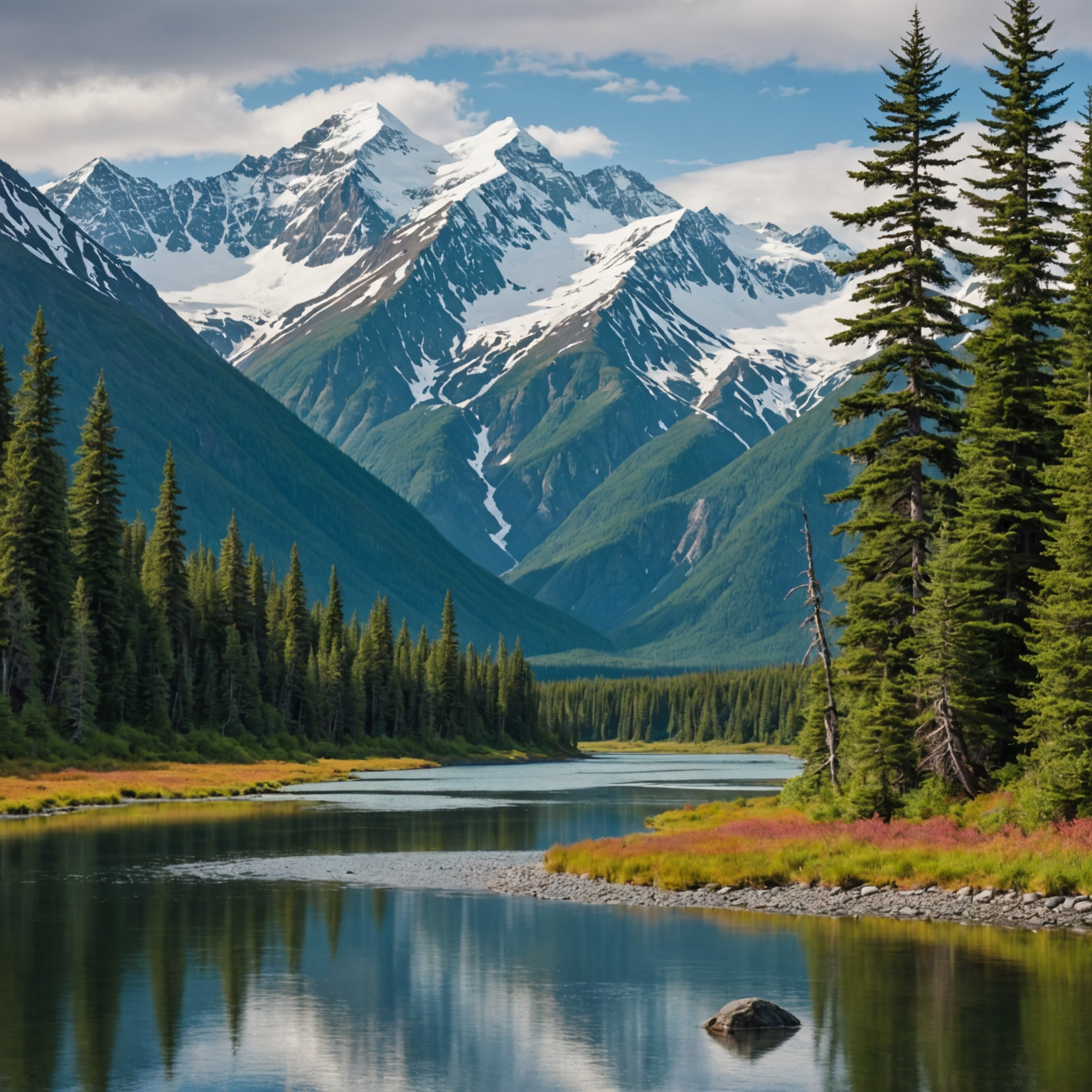
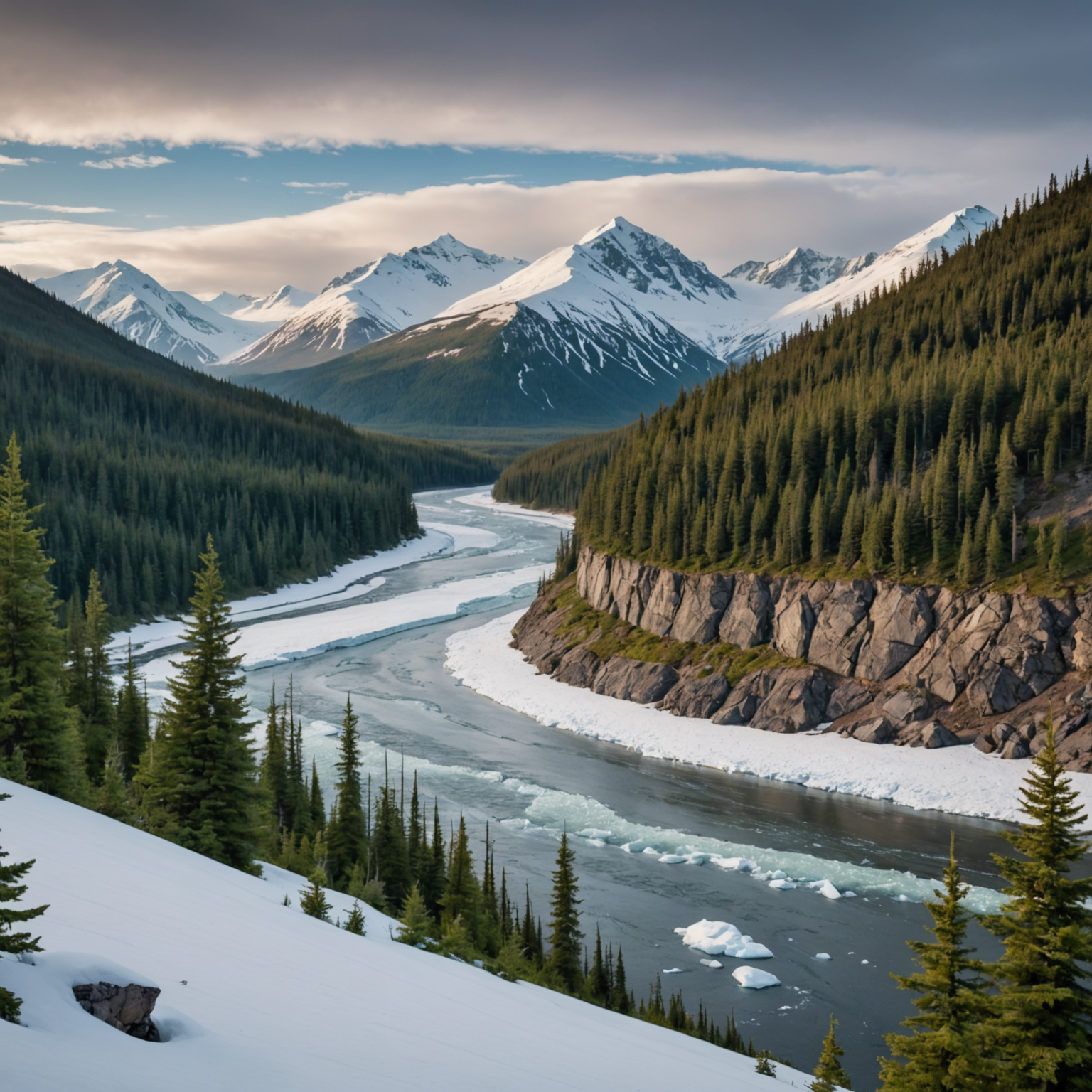
When embarking on a winter adventure in Alaska, one crucial piece of gear is a sleeping bag rated for below freezing temperatures. The breathtaking landscapes of Alaska, from the Northern Lights to its snow-capped mountains, call to adventurers worldwide. However, the frigid temperatures can be unforgiving, making it essential to choose the right sleeping bag to ensure safety and comfort.
This guide will walk you through everything you need to know about selecting the best sleeping bag for below freezing conditions, ensuring your Alaskan adventure is as safe and enjoyable as possible.
Understanding Temperature Ratings
When shopping for a sleeping bag for below freezing temperatures, understanding temperature ratings is crucial. Sleeping bags are generally rated by the lowest temperature at which they will keep you warm, but these ratings can vary based on several factors.
EN and ISO Ratings
Most sleeping bags are tested using the EN (European Norm) or ISO (International Standards Organization) ratings, which provide a standardized measure of warmth. They typically include three ratings: Comfort, Lower Limit, and Extreme. For below freezing conditions, focus on the Lower Limit, as this indicates the temperature at which a male user can remain warm.
Consider Your Own Comfort
While temperature ratings provide a guideline, personal comfort levels vary. Factors such as metabolism, clothing, and sleeping pad insulation can affect how warm you feel. Always choose a bag rated slightly lower than the expected temperatures, especially in unpredictable climates like Alaska.
Types of Insulation
The type of insulation in your sleeping bag plays a significant role in its performance. There are two main types of insulation: down and synthetic.
Down Insulation
Down insulation is made from the fluffy undercoating of ducks or geese. It offers excellent warmth-to-weight ratio and compressibility, making it ideal for backpacking. However, down loses its insulating properties when wet, which can be a concern in Alaska’s damp conditions.
Synthetic Insulation
Synthetic insulation is made from polyester fibers, designed to mimic down’s insulating properties. It is less expensive and retains warmth when wet, making it a reliable choice for wet or snowy environments. Although bulkier and heavier than down, synthetic bags are often preferred for Alaskan climates.
Features to Consider
When selecting a sleeping bag for below freezing temperatures, several features can enhance your comfort and safety.
Hood and Draft Collar
A well-designed hood and draft collar help trap heat and prevent cold air from entering the bag. Look for adjustable hoods that can be cinched tightly around your head and collars that seal around your neck.
Zipper Quality
A high-quality zipper with anti-snag features ensures ease of use and prevents heat loss. Two-way zippers allow for ventilation adjustments, which can be crucial on warmer nights.
Shape and Fit
Mummy-shaped bags are popular for cold conditions due to their snug fit, which minimizes heat loss. However, if you prefer more space, consider a slightly roomier design, but be aware that extra space can mean more area for your body to heat.
Planning Your Alaska Adventure
Choosing the right sleeping bag is just one part of planning an unforgettable Alaskan adventure. For comprehensive trip planning, check out this guide to ensure you are prepared for all aspects of your journey.
Top Picks for Sleeping Bags
Here are some top-rated sleeping bags for below freezing conditions that are well-suited for Alaskan adventures:
1. The North Face Inferno
This bag is designed for extreme cold, featuring high-quality down insulation and a durable water-repellent finish. It’s perfect for those challenging Alaskan nights.
2. Mountain Hardwear Phantom
Known for its lightweight design and exceptional warmth, the Phantom is a favorite among backpackers. Its performance in below freezing conditions is well-documented.
3. Marmot Trestles
For a reliable synthetic option, the Marmot Trestles series offers warmth and durability at a reasonable price. It’s an excellent choice for damp environments.
Conclusion
Selecting the right sleeping bag for below freezing conditions is essential for a safe and enjoyable Alaskan adventure. Understanding temperature ratings, insulation types, and key features can help you make an informed decision. Whether you’re planning a dog sled tour or a Northern Lights excursion, ensuring a warm night’s sleep is crucial for your overall experience.
FAQ
What temperature rating should I choose for an Alaskan expedition?
For most Alaskan winter adventures, a sleeping bag with a Lower Limit rating of at least -20°F (-29°C) is recommended.
Should I choose down or synthetic insulation for a sleeping bag?
Down offers excellent warmth-to-weight ratio and compressibility, but synthetic is better in wet conditions. Consider the expected weather and your personal preference.
How can I enhance the warmth of my sleeping bag?
Using a liner, wearing thermal clothing, and ensuring a well-insulated sleeping pad can enhance warmth.
What size sleeping bag should I select?
Choose a size that fits snugly without being too tight. Mummy bags are ideal for reducing heat loss.
Are there specific brands recommended for extreme cold weather?
Brands like The North Face, Mountain Hardwear, and Marmot are renowned for their reliable cold-weather gear.
How can I test my sleeping bag before an expedition?
Test your sleeping bag in a controlled environment, such as a backyard or indoors, to ensure it meets your warmth and comfort needs.
What other gear should I bring for a winter camping trip in Alaska?
In addition to a high-quality sleeping bag, bring insulated clothing, a reliable tent, and cooking equipment suitable for cold weather.
Can I rent a sleeping bag in Alaska?
Yes, some local outfitters offer gear rentals, but ensure the sleeping bag meets your temperature requirements before renting.