Introduction
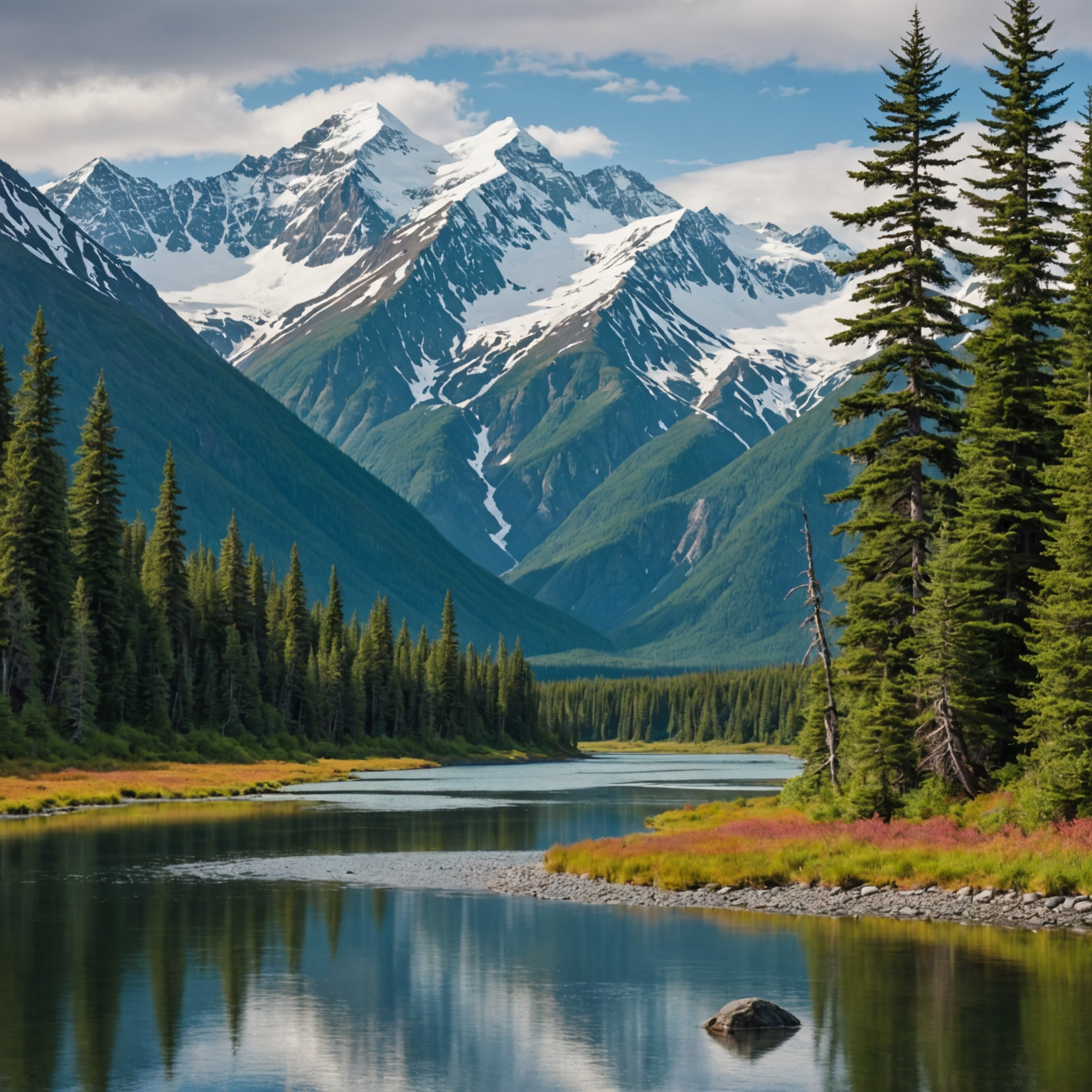
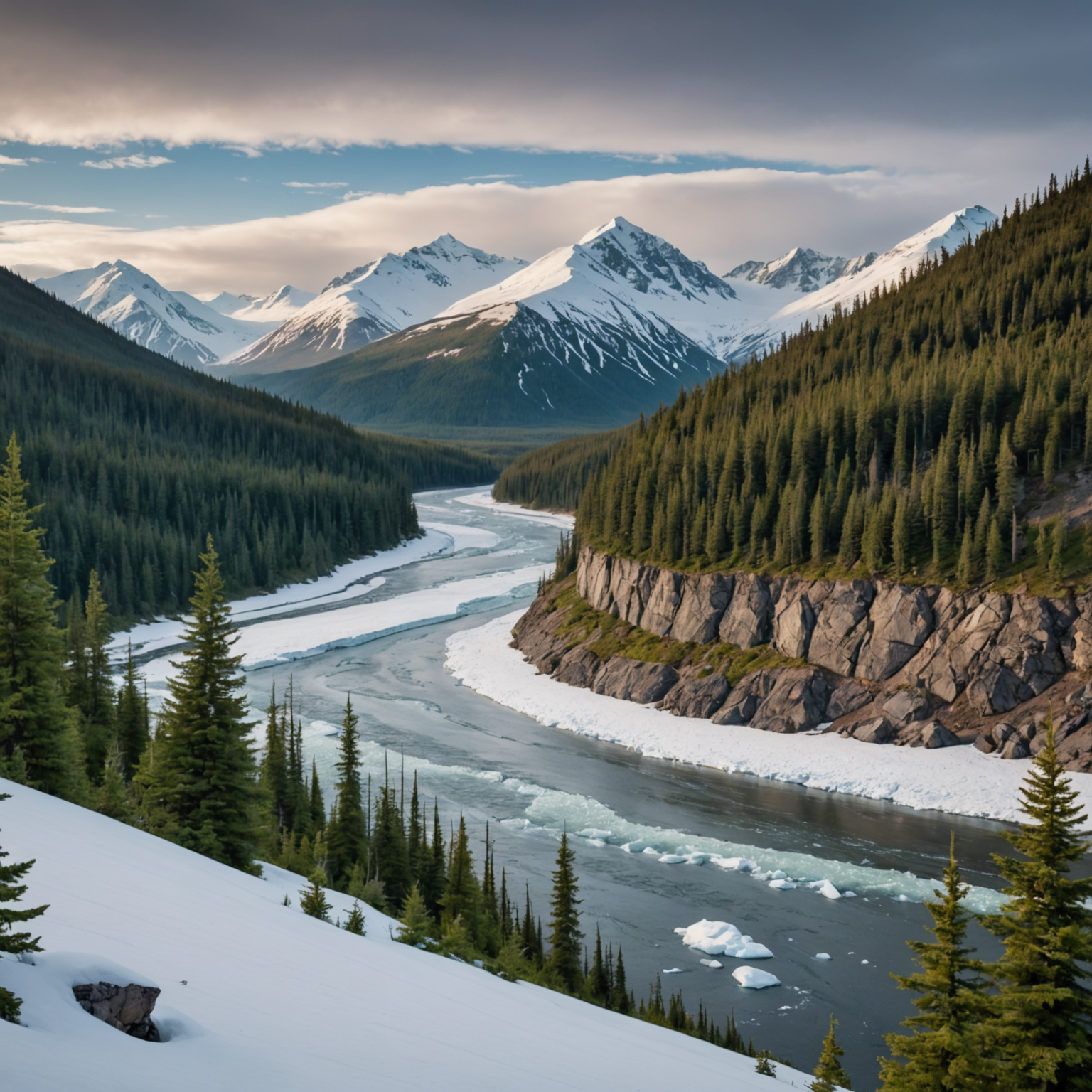
Living off the grid in Alaska is an adventure that promises solitude, self-sufficiency, and a deep connection with nature. The untouched wilderness of Alaska offers a unique opportunity to escape modern conveniences and immerse oneself in a truly wild environment. From dense forests to expansive tundras and majestic mountains, Alaska’s remote landscapes are ideal for those seeking the ultimate off-the-grid experience. This guide will explore the essentials of living and traveling off the grid in Alaska, including preparation, survival tips, and recommended locations.
Preparing for Off-Grid Living in Alaska
Understanding the Climate and Terrain
Alaska’s climate is as diverse as its terrain. With regions ranging from the temperate rain forests of the southeastern Panhandle to the Arctic tundra of the North Slope, understanding the local climate is crucial. The National Weather Service provides regional weather forecasts and climate data to help you prepare for the conditions you might face.
Essential Gear for Off-Grid Living
When planning to live off the grid in Alaska, the right gear can make all the difference. Essential items include:
- Shelter: A sturdy, weatherproof tent or cabin kit.
- Clothing: Layered clothing suitable for extreme weather conditions.
- Tools: Axes, saws, and knives for building and survival tasks.
- Navigation: GPS devices and maps from the US Forest Service.
Securing Necessary Permits
Before setting up an off-the-grid homestead, it’s important to secure any necessary permits. The Alaska Department of Natural Resources provides information on land use and permits required for building and living on public lands.
Choosing the Right Location
Remote Areas for Off-Grid Living
Some of the best areas for off-grid living in Alaska include the wilderness of the Kenai Peninsula, the vast expanses of the Interior, and the secluded spots in Southeast Alaska. Each area offers unique challenges and benefits, from abundant wildlife to the proximity of small towns.
Wildlife Considerations
Living off the grid in Alaska means coexisting with wildlife, including bears and moose. The Alaska Department of Fish and Game offers guidelines on how to safely share space with these animals.
Sustainable Living Practices
Harnessing Renewable Energy
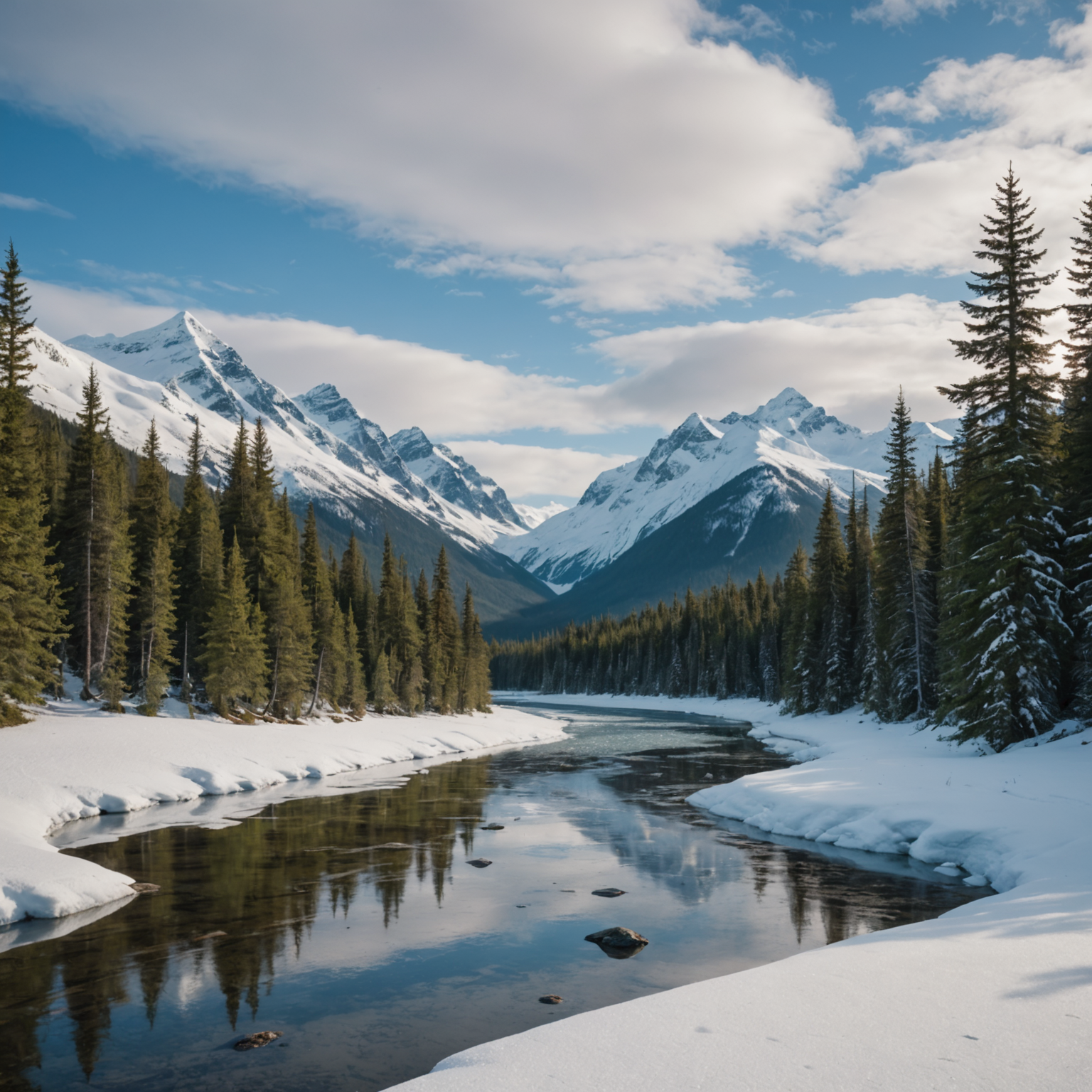
Utilizing renewable energy sources such as solar panels and wind turbines is essential for sustainable off-grid living. Alaska’s long summer days offer ample sunlight for solar power, while consistent winds in many regions can be harnessed with wind turbines.
Hunting, Fishing, and Gathering
Alaska is rich in natural resources that can support a self-sufficient lifestyle. Hunting and fishing licenses are available through the Alaska Department of Fish and Game. Additionally, foragers can find a variety of edible plants and berries in the wild.
Water Purification and Storage
Access to clean water is vital for off-grid living. Techniques such as rainwater collection and filtration systems are effective in ensuring a safe water supply. The Leave No Trace Center provides guidance on sustainable practices for water use.
Travel Considerations for Off-Grid Adventures
Navigating the Wilderness
Exploring Alaska’s wilderness requires careful planning and respect for the environment. Resources like Travel Alaska offer insights into navigating remote areas and ensuring safety during your adventures.
Cultural and Historical Insights
Understanding the cultural and historical context of the land enhances the off-grid experience. The Denali National Park offers rich historical insights into the indigenous cultures and early explorers of the region.
Conclusion
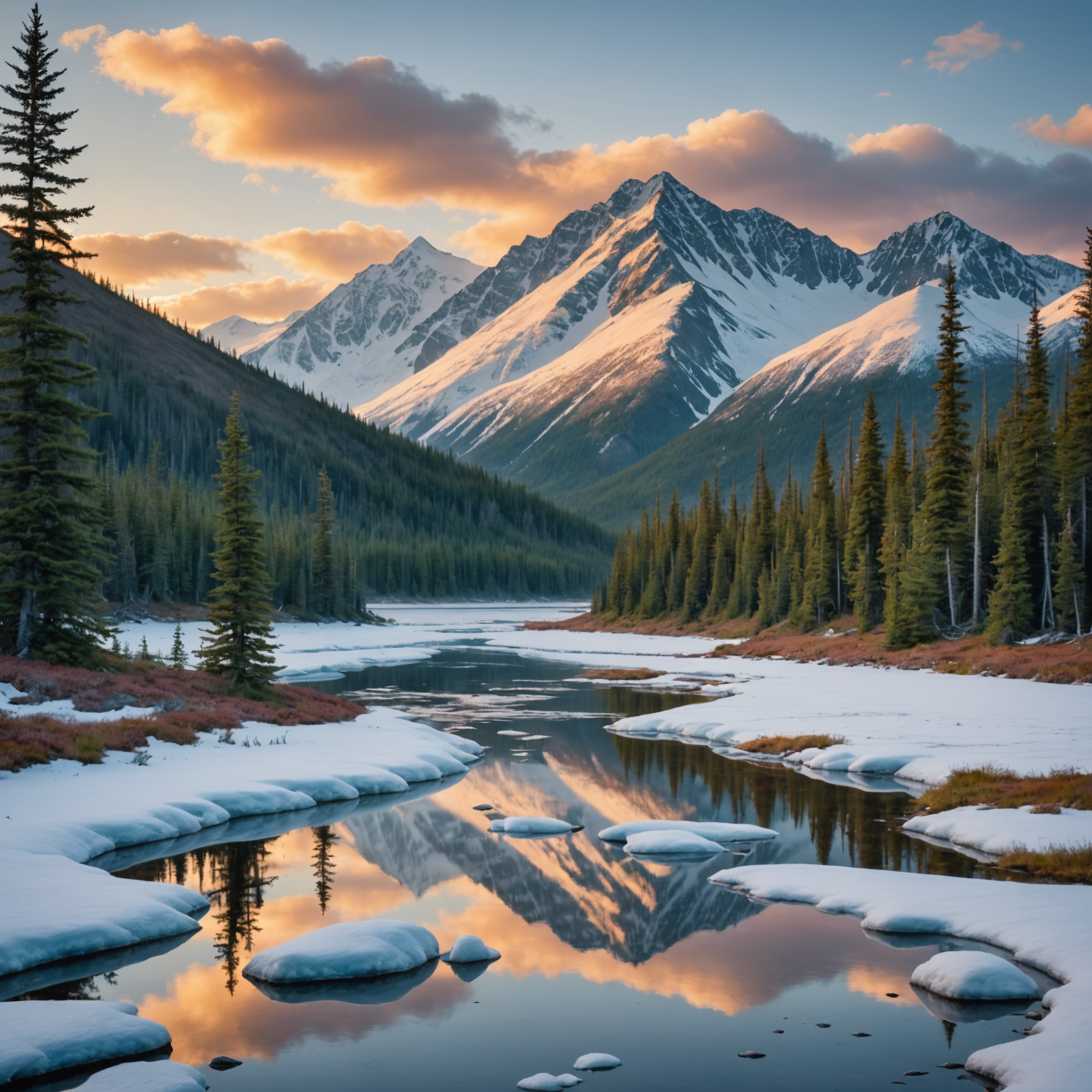
Living off the grid in Alaska is a rewarding experience that demands preparation, respect for nature, and a spirit of adventure. By understanding the climate, securing necessary permits, and adopting sustainable practices, you can enjoy the tranquility and beauty of Alaska’s wild lands. Whether you’re looking to homestead or embark on a thrilling adventure, Alaska’s remote corners offer endless opportunities for exploration and self-discovery.
FAQ
1. What are the best months to live off the grid in Alaska?
The best months are generally from late spring to early fall (May to September) when the weather is more temperate, and daylight is abundant.
2. How can I see the Northern Lights while living off the grid?
For the best chances, visit during the winter months and consult resources like this guide for optimal viewing times and locations.
3. What wildlife should I be aware of when living off the grid in Alaska?
Bears, moose, and wolves are some of the wildlife you may encounter. Learn more about safe interactions from the Alaska Department of Fish and Game.
4. Are there guided off-grid tours available in Alaska?
Yes, various companies offer guided tours. Check out Snowhook Adventures for curated experiences.
5. What are some recommended locations for off-grid living in Alaska?
The Kenai Peninsula, Southeast Alaska, and the Interior are popular for their natural beauty and resources.
6. How do I prepare for winter while living off the grid?
Stock up on supplies, ensure your shelter is insulated, and utilize resources like Snowhook Adventures for winter travel tips.
7. Can I live off the grid year-round in Alaska?
Yes, with proper preparation and equipment, living off the grid year-round is possible but challenging due to harsh winter conditions.
8. Is it legal to live off the grid in Alaska?
Yes, it is legal, but you must adhere to state laws and regulations, including securing any necessary permits from the Alaska Department of Natural Resources.