Introduction
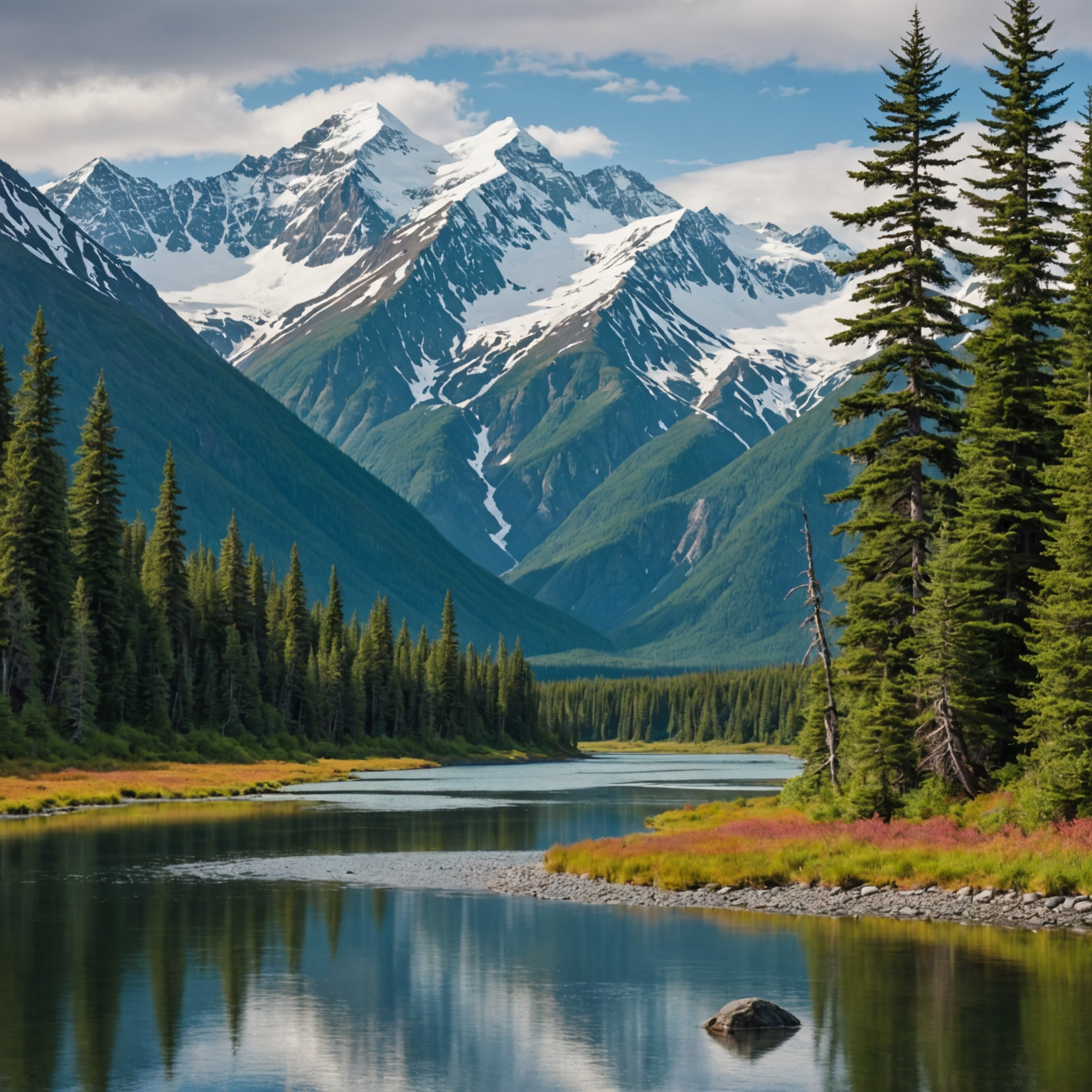
Alaska, known for its breathtaking landscapes and vast wilderness, is home to some of the most stunning high-altitude locations in North America. These majestic places offer a unique blend of adventure, solitude, and natural beauty, making them perfect destinations for winter travel enthusiasts. From the towering peaks of the Alaska Range to the serene glaciers of the Chugach Mountains, each location promises an unforgettable experience. Whether you’re seeking the thrill of mountaineering, the quiet of snow-covered trails, or the awe-inspiring northern lights, Alaska’s high-altitude destinations have something for everyone.
Exploring the Alaska Range
The Alaska Range, a prominent mountain range in central Alaska, is home to Denali, North America’s highest peak. Standing at 20,310 feet, Denali is a magnet for climbers and adventure seekers. The Denali National Park and Preserve offers opportunities for not just mountaineering, but also wildlife viewing and backcountry skiing. The park’s vast expanse ensures that visitors can enjoy the serenity of the wilderness, far from the hustle and bustle of city life.
Denali’s high-altitude environment provides a unique climate, with temperatures often dipping below freezing, even in summer. This makes it essential for visitors to be well-prepared with appropriate gear. Discover the essentials of dressing for extreme conditions here.
The Chugach Mountains: A Winter Wonderland
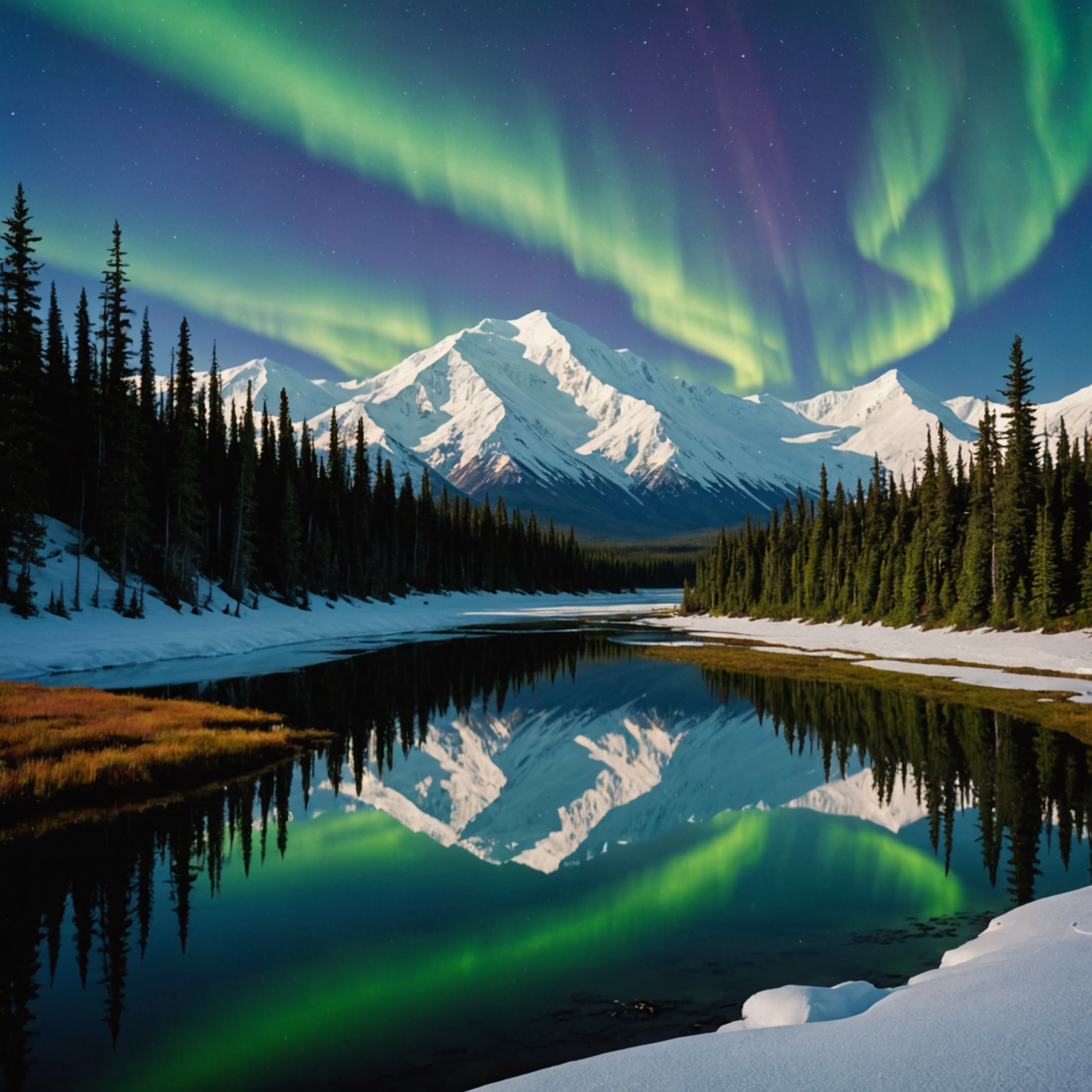
Located in south-central Alaska, the Chugach Mountains are another spectacular high-altitude destination. The region is renowned for its challenging terrains, making it a hotspot for extreme sports enthusiasts. Activities such as heli-skiing and snowboarding attract adrenaline junkies from all over the world.
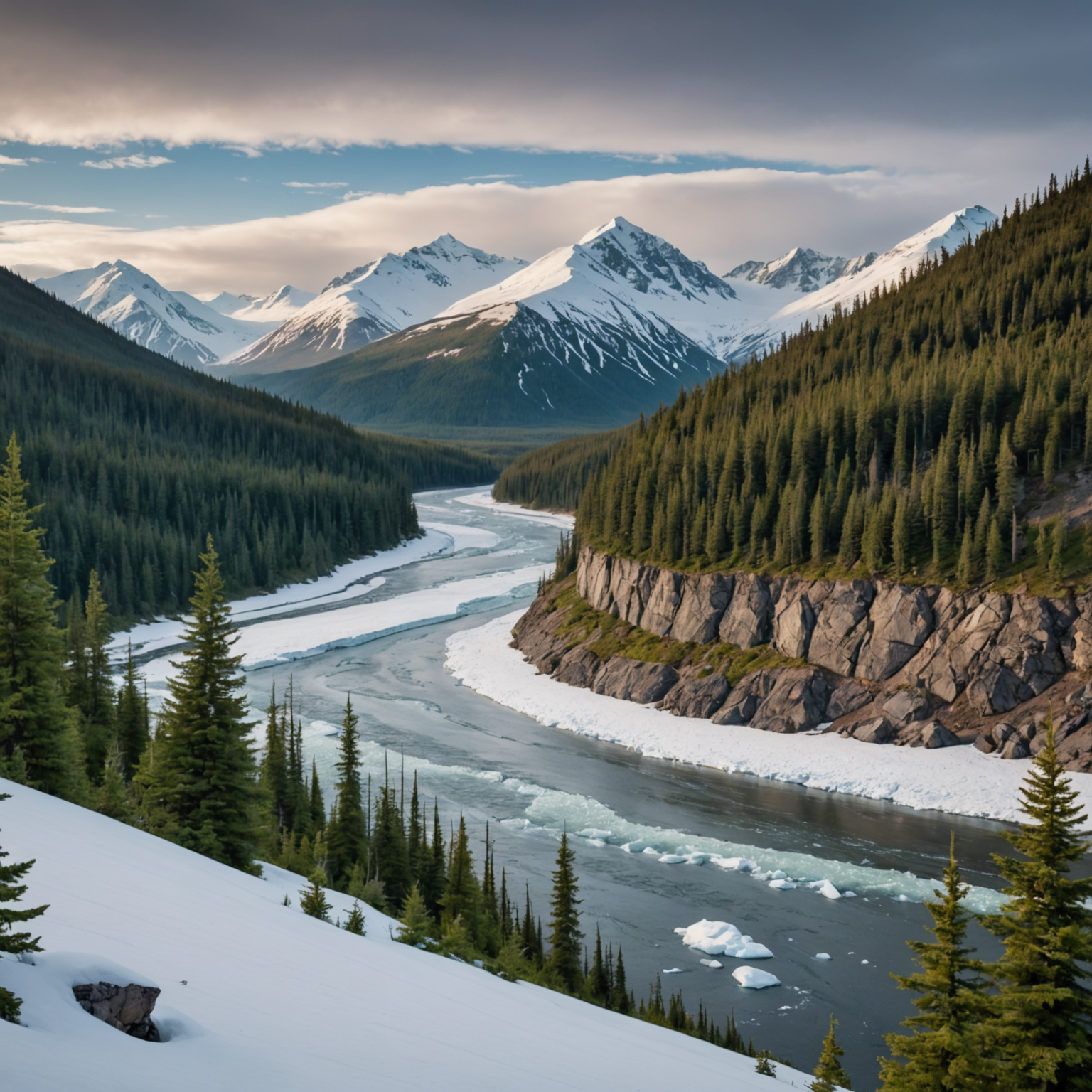
The Chugach National Forest, part of this range, offers some of the most scenic views of glaciers and rugged terrains. For those interested in exploring less-trodden paths, the forest’s extensive trail system provides numerous opportunities for snowshoeing and cross-country skiing. These trails are meticulously maintained, ensuring a safe and enjoyable experience. For more information on the best trails, visit Groomed Snowmobile Trails in Alaska.
Wrangell-St. Elias National Park and Preserve
Encompassing over 13 million acres, Wrangell-St. Elias National Park and Preserve is America’s largest national park. Its vast wilderness includes towering peaks, massive glaciers, and pristine rivers, offering a myriad of outdoor activities. High-altitude locations within the park, such as Mount Blackburn and Mount Sanford, are perfect for experienced climbers seeking new challenges.
For those not inclined to climb, the park offers incredible opportunities for photography and wildlife observation. The winter months, in particular, provide a magical setting as snow blankets the landscape, creating a serene and otherworldly atmosphere. To capture the best shots, check out these tips for photographing Alaska’s winter wonderland.
Experiencing the Northern Lights
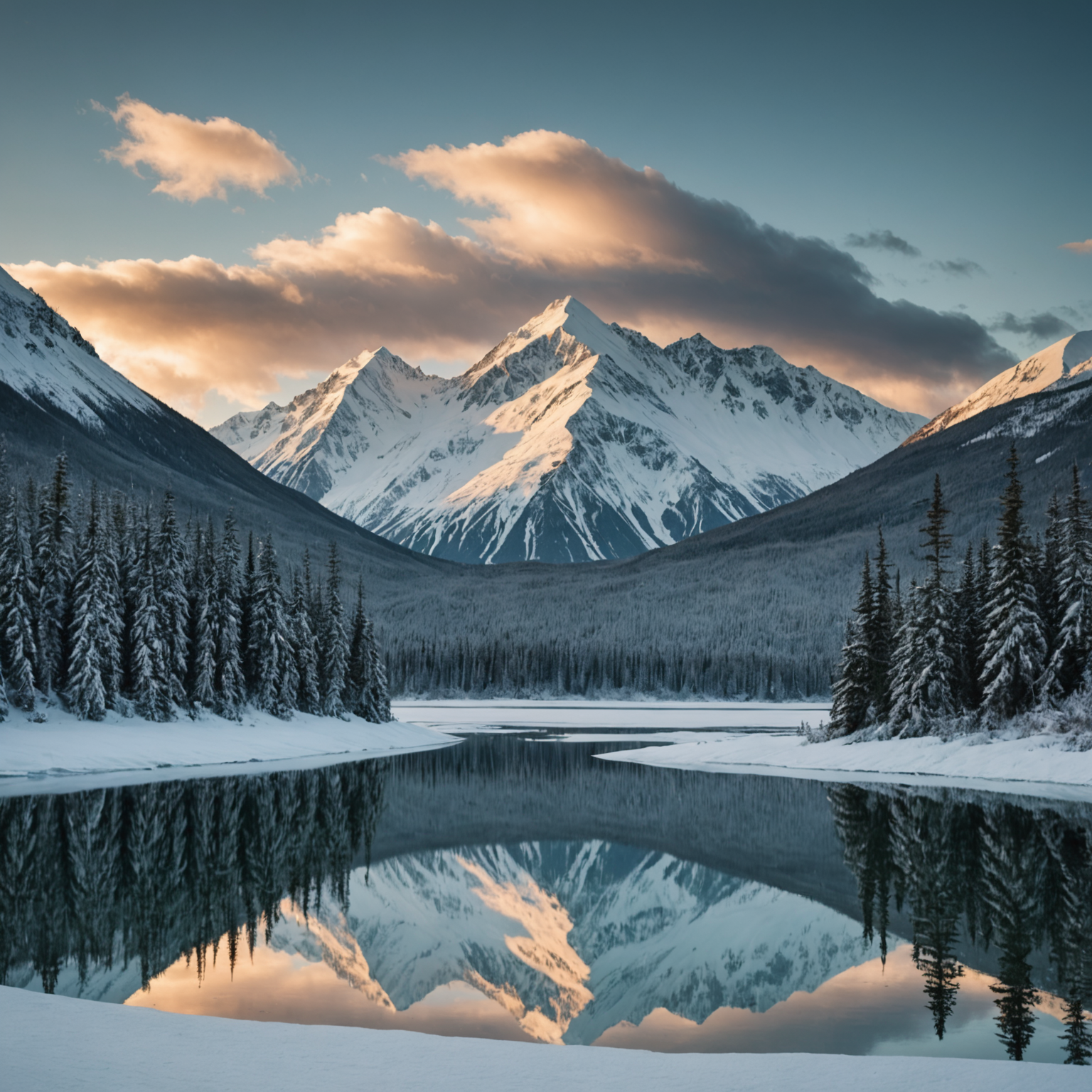
One of the most captivating aspects of Alaska’s high-altitude locations is the opportunity to witness the northern lights. The aurora borealis is a natural light display that attracts visitors from around the globe. While these lights can be seen from various locations across Alaska, high-altitude sites often provide some of the best views due to their remoteness and reduced light pollution.
For optimal aurora viewing, consider visiting the Denali area or the Chugach Mountains. These locations offer clear skies and an unobstructed view of the northern horizon. For more detailed insights on where to catch this breathtaking phenomenon, explore the best places to see the northern lights in Alaska.
Safety and Preparation
When venturing into Alaska’s high-altitude locations, safety should always be a top priority. The harsh and unpredictable weather conditions, along with the remote nature of these areas, necessitate thorough planning and preparation. Ensure you’re equipped with the right gear and knowledge before setting out.
The Alaska Department of Fish and Game offers guidelines on wildlife safety, which is crucial when exploring these regions. Additionally, checking the current weather forecasts and avalanche conditions through reliable sources like the Chugach National Forest Avalanche Information Center can help in planning a safe trip.
Conclusion
Alaska’s high-altitude locations provide an unparalleled experience for those looking to explore the great outdoors in winter. From the majestic peaks of the Alaska Range to the serene beauty of the northern lights, these destinations offer something for everyone. By preparing adequately and respecting the natural environment, visitors can enjoy a safe and memorable adventure in one of the world’s most awe-inspiring landscapes.
FAQ
What should I pack for a trip to high-altitude locations in Alaska?
Pack warm, layered clothing, waterproof gear, and essential safety equipment. For a comprehensive packing list, see what to wear for snowmobiling in Alaska.
When is the best time to visit Alaska’s high-altitude locations?
Winter months, from November to March, offer the best conditions for winter sports and northern lights viewing.
Are guided tours available for these locations?
Yes, many local companies offer guided tours. For example, Anchorage winter tours provide curated experiences for visitors.
Can I see the northern lights in summer?
While the northern lights are typically a winter phenomenon, it is possible to see them during late summer in Alaska.
What wildlife might I encounter in these areas?
Visitors may encounter various wildlife, including moose, caribou, and bears. Learn about safety tips for wildlife encounters.
How can I prepare for the weather conditions?
Checking current weather conditions is essential for planning your trip and ensuring safety.
Are there any restrictions or permits required to visit these areas?
Some national parks may require permits for specific activities. It’s best to check with the National Park Service for detailed information.
What is the altitude of Denali, and how difficult is it to climb?
Denali stands at 20,310 feet and is considered a challenging climb, suitable only for experienced mountaineers.