Introduction
Alaska, a land of breathtaking wilderness, offers some of the most awe-inspiring wildlife encounters, particularly with its iconic bear species: the grizzly bear and the black bear. Whether you’re exploring the vast terrains of Denali National Park or embarking on a guided wildlife tour, understanding the grizzly bear black bear comparison is crucial for both safety and a richer experience. This guide will delve into the differences and similarities between these two magnificent creatures, providing valuable insights for anyone planning to witness these bears in their natural habitat.
Physical Characteristics
Size and Appearance
Grizzly bears, a subspecies of the brown bear, are significantly larger than black bears. Grizzlies can weigh between 400-800 pounds, with some males reaching over 1,000 pounds. They have a distinctive hump on their shoulders, which is a mass of muscles aiding in their digging strength. Their fur varies from dark brown to blond, often with a grizzled appearance, hence their name.
In contrast, black bears are smaller, weighing between 100-400 pounds. They lack the shoulder hump of the grizzly and have a straight profile from their forehead to nose. Black bears come in a variety of colors, including black, brown, and even cinnamon.
Claws and Tracks
The claws of a grizzly bear are long, measuring up to 4 inches, and are well-suited for digging. Black bears have shorter claws, around 1-2 inches, which are more adapted for climbing. When observing tracks, grizzly tracks are larger with more space between the toes and a noticeable claw mark.
Habitat and Distribution
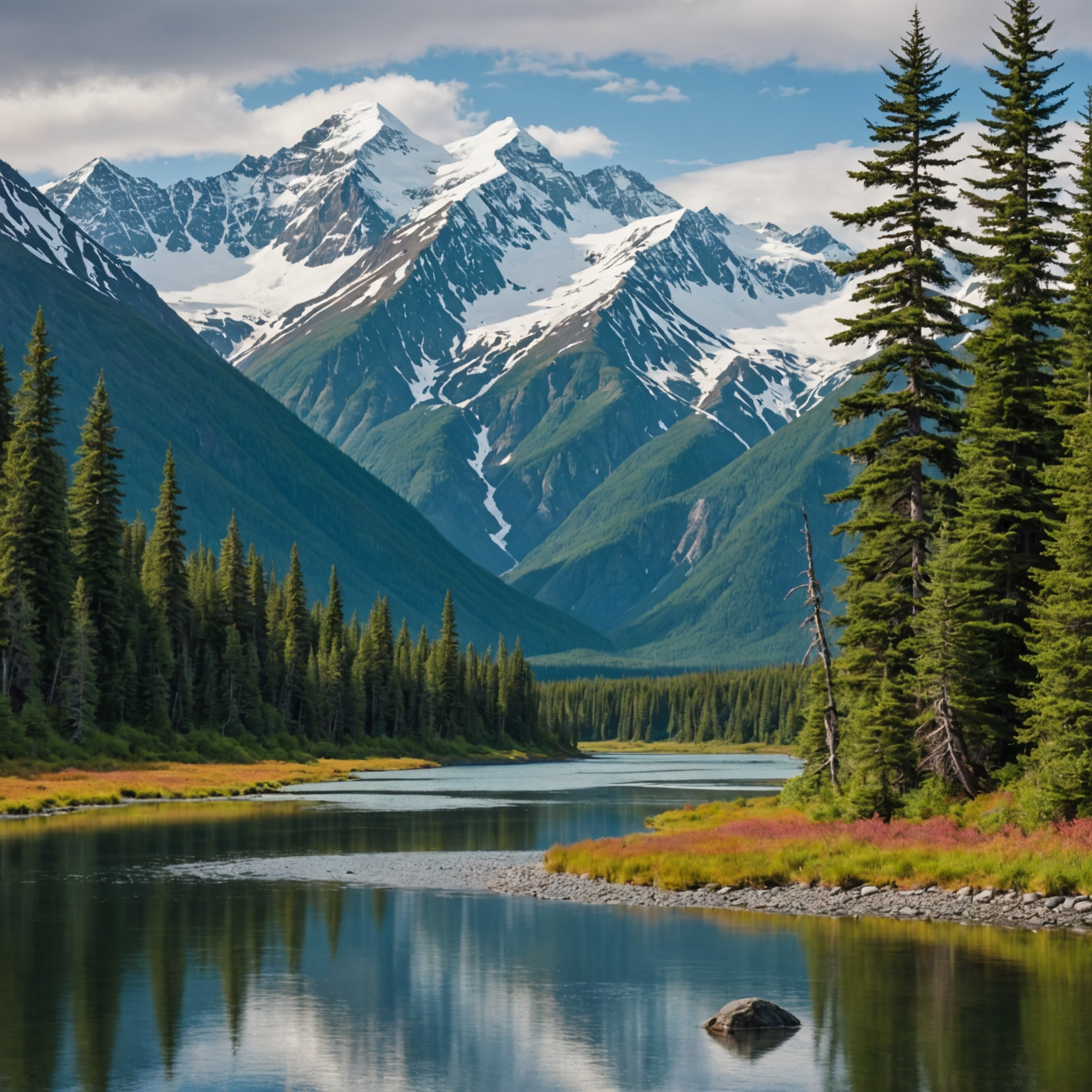
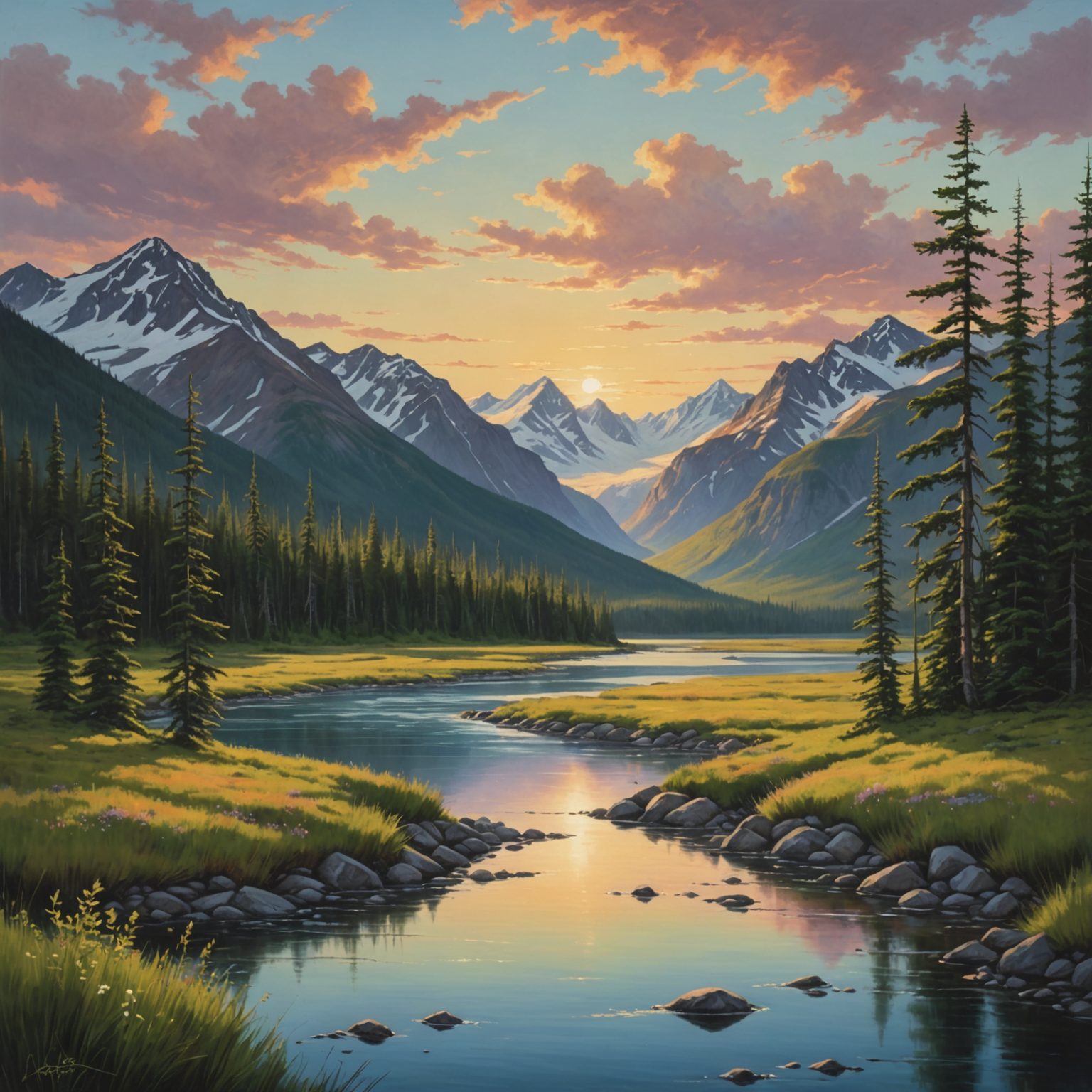
Grizzly bears prefer open areas like tundra, alpine meadows, and river valleys. They are primarily found in Alaska and western Canada, with a smaller population in the lower 48 states, particularly in the Yellowstone ecosystem.
Black bears are more adaptable and widespread, occupying a variety of habitats from dense forests to swamps. In Alaska, they are commonly found throughout the state except for the Arctic regions.
Behavior and Diet
Feeding Habits
Both grizzly and black bears are omnivorous, but their diets can vary significantly based on their environment. Grizzly bears have a more protein-rich diet, often consuming fish, particularly salmon, during spawning seasons. They also eat plants, berries, and small mammals.
Black bears, while also opportunistic feeders, rely more heavily on nuts, fruits, and vegetation. They are excellent tree climbers, which allows them access to various food sources.
Social Structure and Interaction
Grizzly bears are generally solitary, except for mothers with cubs or during mating season. They are known for their aggressive behavior, especially when surprised or protecting young.
Black bears are more tolerant of humans and less aggressive. They are also solitary but are more likely to be seen in groups in feeding-rich areas.
Viewing Opportunities
Alaska offers numerous opportunities for bear viewing, each providing unique insights into the life of these majestic creatures. Expert-led tours in places like Katmai National Park, famous for its grizzly bear population, offer an unforgettable experience. For those interested in black bears, the Chugach National Forest offers excellent viewing spots.
When planning your Alaska adventure, consider the top Talkeetna tourist attractions for a comprehensive experience. Additionally, exploring Whittier Glacier Tours in Alaska can enhance your trip with spectacular views of Alaska’s natural beauty.
Safety Tips for Bear Encounters
Understanding bear behavior is crucial for safety. Always maintain a safe distance and avoid surprising bears. Make noise while hiking to alert bears of your presence. Carry bear spray and know how to use it effectively. For more tips on staying safe during your Alaska tour, visit the Alaska Department of Fish and Game for comprehensive guidelines.
Conclusion
The grizzly bear black bear comparison highlights the unique features and behaviors of these remarkable creatures. Whether you’re observing the powerful grizzly or the agile black bear, Alaska’s wilderness offers a thrilling backdrop for these encounters. By understanding these differences, you can enhance your bear-viewing experience and ensure a safe and memorable adventure in Alaska’s wild landscapes.
FAQ
Q1: What is the most significant difference between grizzly bears and black bears?
A: The most significant difference is size and physical appearance. Grizzly bears are larger, have a prominent shoulder hump, and longer claws, while black bears are smaller with no hump and shorter claws.
Q2: Where is the best place to see grizzly bears in Alaska?
A: Katmai National Park is renowned for its grizzly bear population, especially during salmon spawning season.
Q3: Are black bears dangerous?
A: While black bears are generally less aggressive than grizzlies, they can still be dangerous if threatened or if they associate humans with food.
Q4: What should I do if I encounter a bear in the wild?
A: Stay calm, back away slowly without turning your back, and avoid direct eye contact. Use bear spray if necessary and follow local guidelines for bear encounters.
Q5: Can both bear species be found in the same area?
A: Yes, grizzly and black bears can inhabit overlapping regions, but they typically use different habitats within those areas.
Q6: How can I safely observe bears in Alaska?
A: Join an expert-led tour, maintain a respectful distance, and follow all safety guidelines provided by your guide.
Q7: What time of year is best for bear viewing in Alaska?
A: Late spring to early fall is ideal for bear viewing, as bears are most active during these months.
Q8: How can I plan a comprehensive wildlife tour in Alaska?
A: Consider exploring the best time to view northern lights in Alaska to combine wildlife viewing with other natural wonders for a well-rounded trip.