Introduction
Alaska, often referred to as the Last Frontier, is a haven for wildlife enthusiasts. From its majestic grizzly bears to the vibrant marine life in its coastal waters, Alaska offers unparalleled opportunities to witness nature in its rawest form. But when is the best time to visit Alaska to see wildlife? Understanding the seasonal patterns of Alaska’s diverse ecosystems is crucial for planning a trip that maximizes wildlife viewing opportunities. This guide will help you navigate the optimal times and places to experience Alaska’s incredible wildlife.
Spring: The Awakening of Alaska’s Wilderness
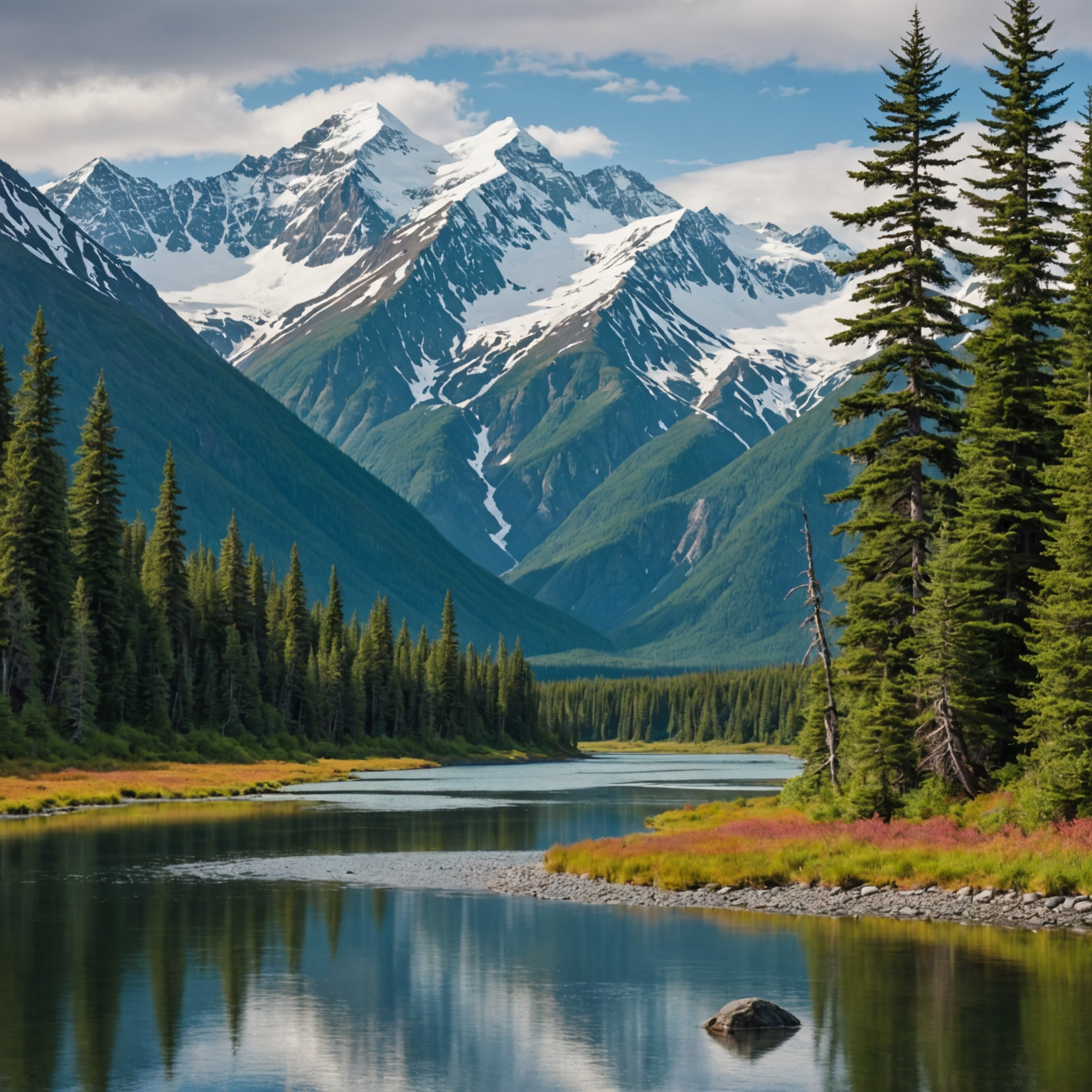
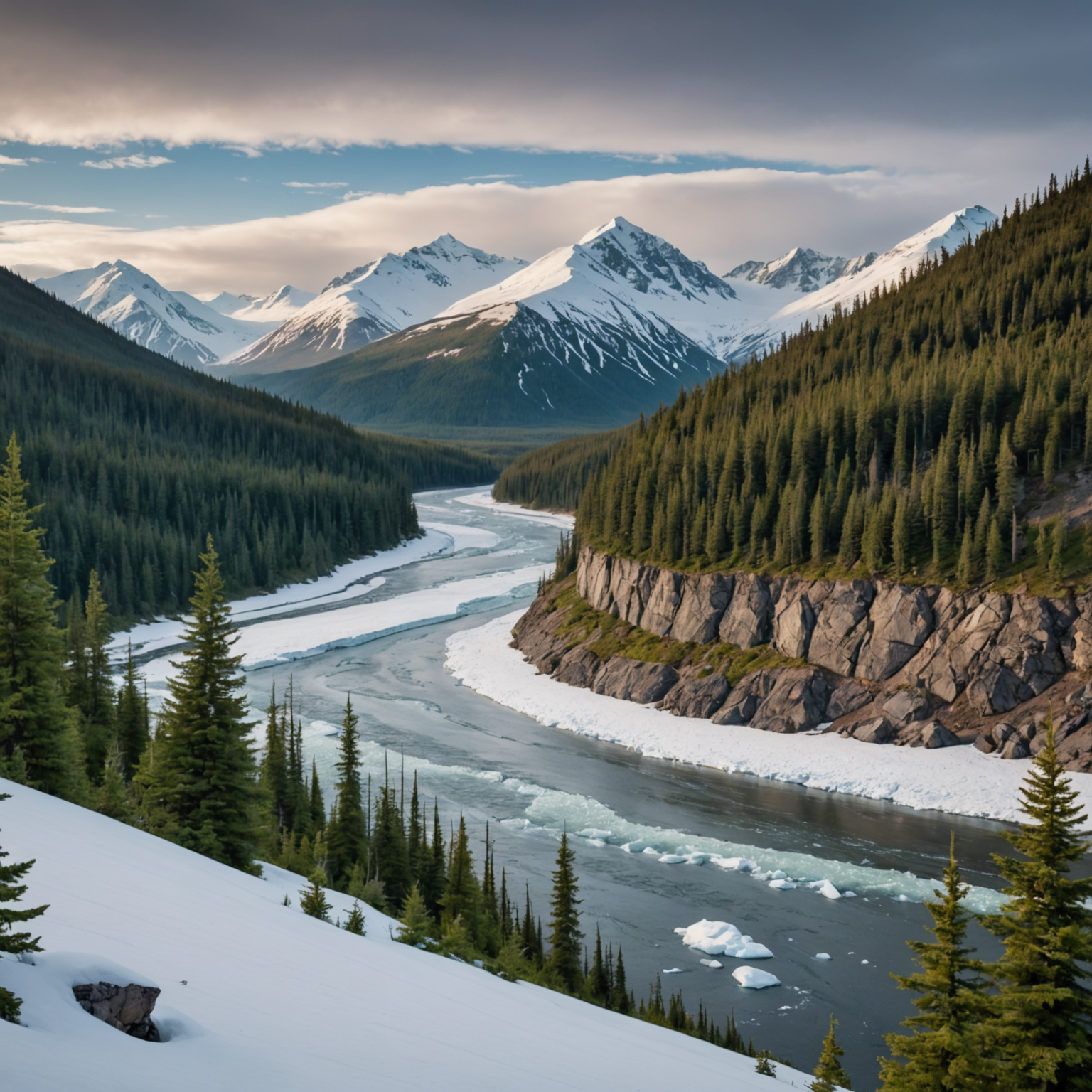
Spring in Alaska, from late March to May, marks the transition from the long, harsh winter to a more vibrant and active season. As the snow begins to melt and the days grow longer, Alaska’s wildlife emerges from hibernation and migrates back to richer feeding grounds.
Bears and Birds
During spring, bears awaken from their winter slumber. This is a prime time to spot these magnificent creatures, especially in areas such as Katmai National Park and Lake Clark National Park. As they search for food, they are often seen foraging for early season vegetation and hunting for fish in streams.
Birdwatchers will find spring particularly rewarding as migratory birds return to Alaska. Head to the Kenai Peninsula or the coastal areas of the Arctic National Wildlife Refuge for an incredible birdwatching experience.
Summer: The Peak of Wildlife Activity
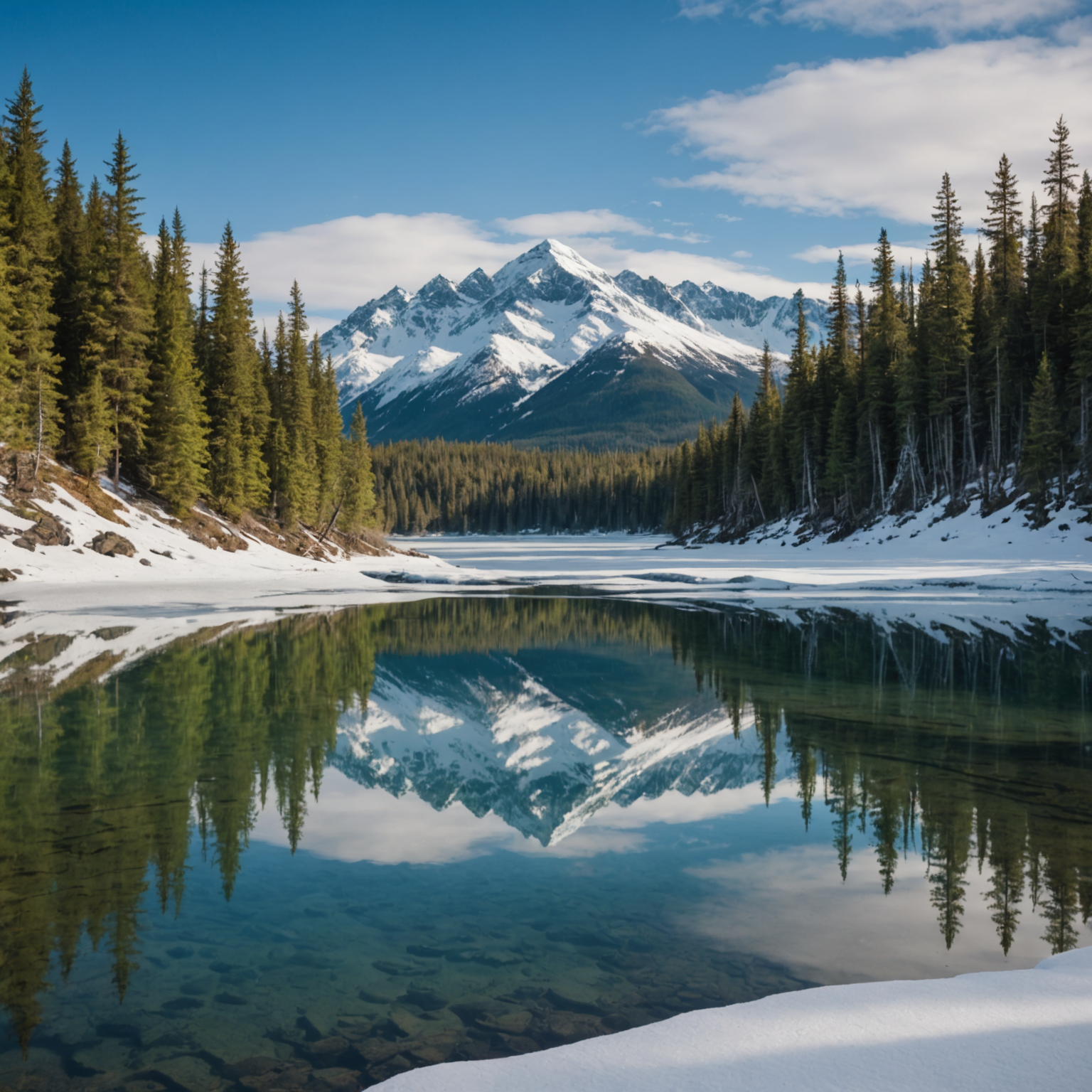
Summer, from June to August, is the best time to visit Alaska to see wildlife. The warmer months bring a burst of activity, with long daylight hours providing ample opportunity to explore.
Marine Wonders and Land Mammals
The coastal waters of Alaska come alive with marine life during summer. Humpback whales, orcas, and sea lions are frequently seen in places like Kenai Fjords National Park and Glacier Bay National Park. Taking a boat tour offers a fantastic way to get up close with these ocean giants.
On land, Denali National Park is a prime location to observe caribou, moose, and wolves. The vast tundra landscape allows for sweeping views of these animals in their natural habitat.
Salmon Runs and Bear Viewing
The famous salmon runs occur throughout summer, drawing bears to rivers and streams to feast. Brooks Falls in Katmai National Park is one of the most iconic spots for bear viewing, where you can watch bears skillfully catch salmon in mid-air.
For more adventure, consider a combo tour that includes both land and water activities to fully immerse yourself in Alaska’s wildlife (Explore combo tours for a unique adventure).
Fall: A Scenic and Serene Wildlife Experience
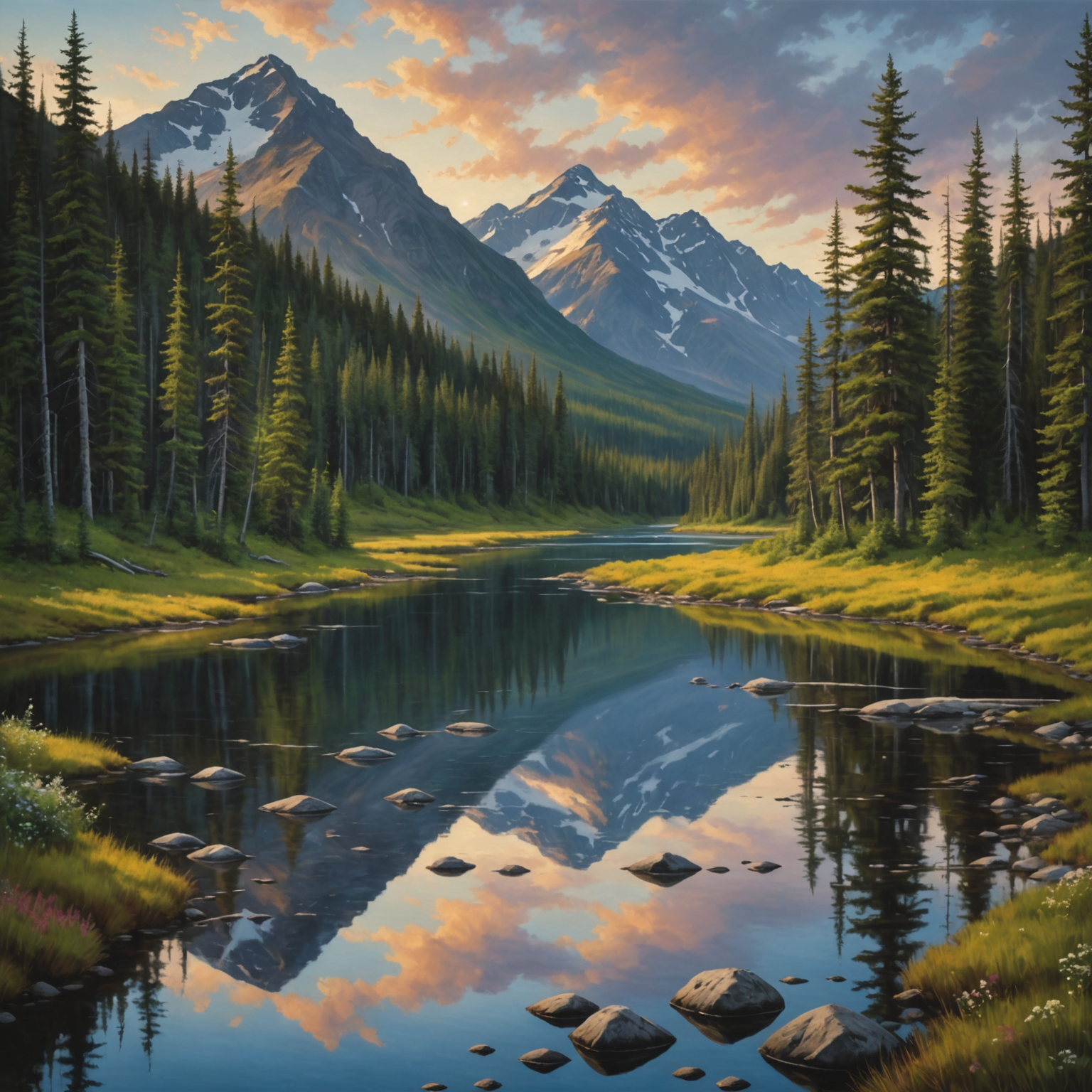
Fall, from September to November, offers a different perspective on Alaskan wildlife. The crowd thins, and the landscape transforms with vibrant autumn colors. It’s a tranquil time to explore, but wildlife viewing is still rewarding.
Preparing for Winter
Animals begin their preparations for the impending winter. Moose and caribou are often seen in groups as they migrate, and this is also rutting season for many species, providing unique behavioral observations.
The fall colors add a spectacular backdrop for photography, especially in places like Hatcher Pass (Discover more about Hatcher Pass).
Winter: The Quiet Beauty of Alaska
Winter, from December to March, is the quietest season for wildlife viewing, but it has its unique charm. The focus shifts to more specialized activities, such as dog sledding and northern lights viewing.
Northern Lights and Winter Wildlife
While wildlife is less active, winter is the ideal time to witness the northern lights. Plan a vacation that combines wildlife with the breathtaking auroras (Plan your northern lights trip).
Some wildlife, like the hardy ptarmigan and foxes, are still visible against the snowy backdrop, offering a serene and picturesque scene.
Conclusion
The best time to visit Alaska to see wildlife depends on the specific species and experiences you’re interested in. Each season offers its unique opportunities, from the vibrant activity of summer to the serene beauty of winter. By planning your trip around these seasonal peaks, you’ll ensure a memorable encounter with Alaska’s wild inhabitants.
FAQ
What is the best time to see bears in Alaska?
The best time to see bears is during the summer months, particularly from June to August, when they are active and feeding on salmon during the runs.
Can I see whales in Alaska year-round?
While whales can be spotted throughout the year, the peak whale-watching season is from May to September, especially for humpback and orca whales.
Where is the best place to see marine wildlife in Alaska?
Kenai Fjords National Park and Glacier Bay National Park are top destinations for marine wildlife, offering boat tours to see whales, sea lions, and more.
What wildlife can I see in Denali National Park?
Denali is home to a variety of wildlife including bears, moose, caribou, and wolves, especially active during the summer months.
Are there wildlife viewing tours available in Alaska during winter?
Yes, while winter is quieter for wildlife, there are tours focused on northern lights and dog sledding that also offer some wildlife viewing opportunities.
How can I safely view wildlife in Alaska?
Always maintain a safe distance from wildlife, follow park guidelines, and consider guided tours for a safe and informative experience. Check resources like Alaska Department of Fish and Game for more information.
How do the seasons affect wildlife viewing in Alaska?
Each season offers different wildlife viewing opportunities, with spring and summer being the most active times, while fall and winter provide unique scenic and auroral experiences.