Introduction
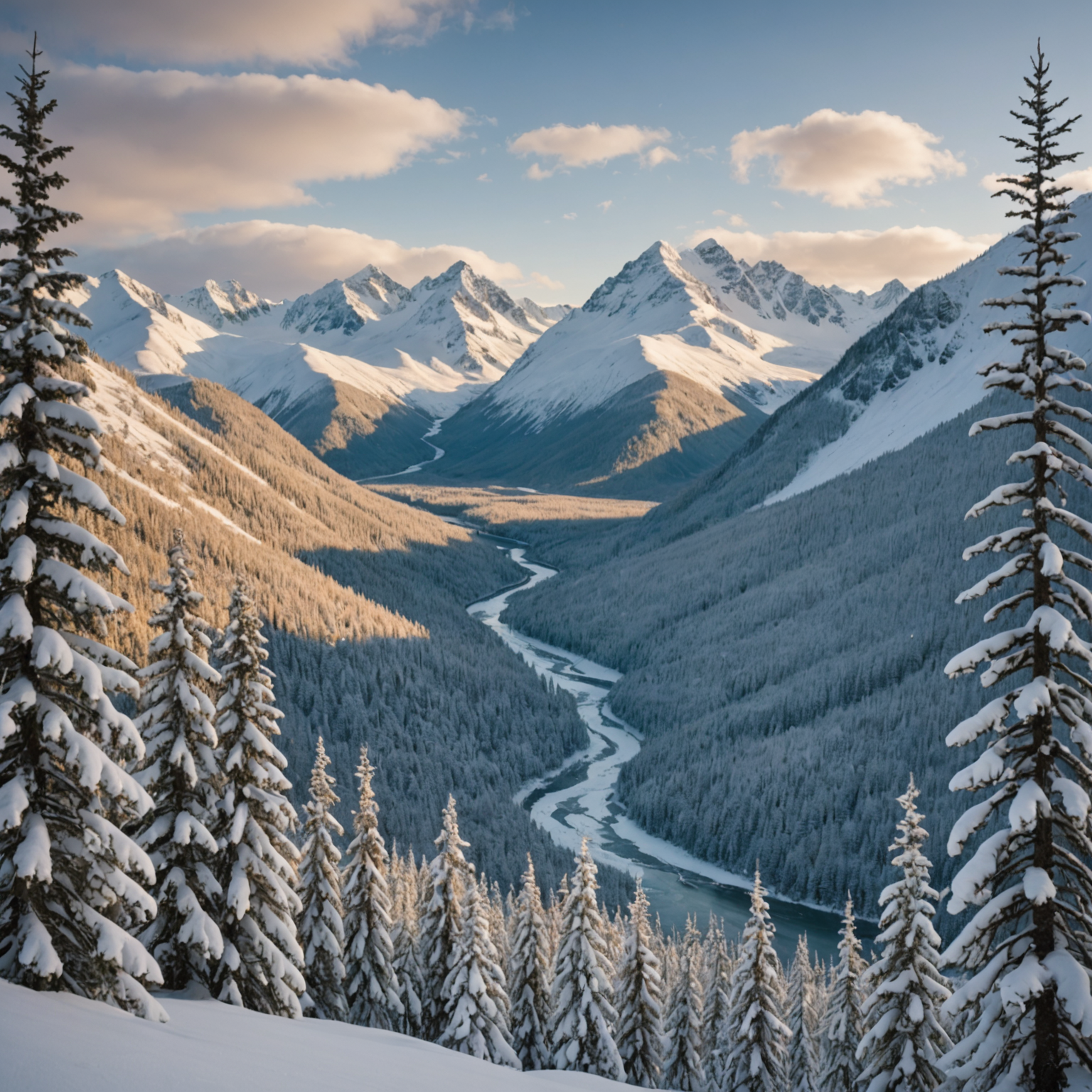
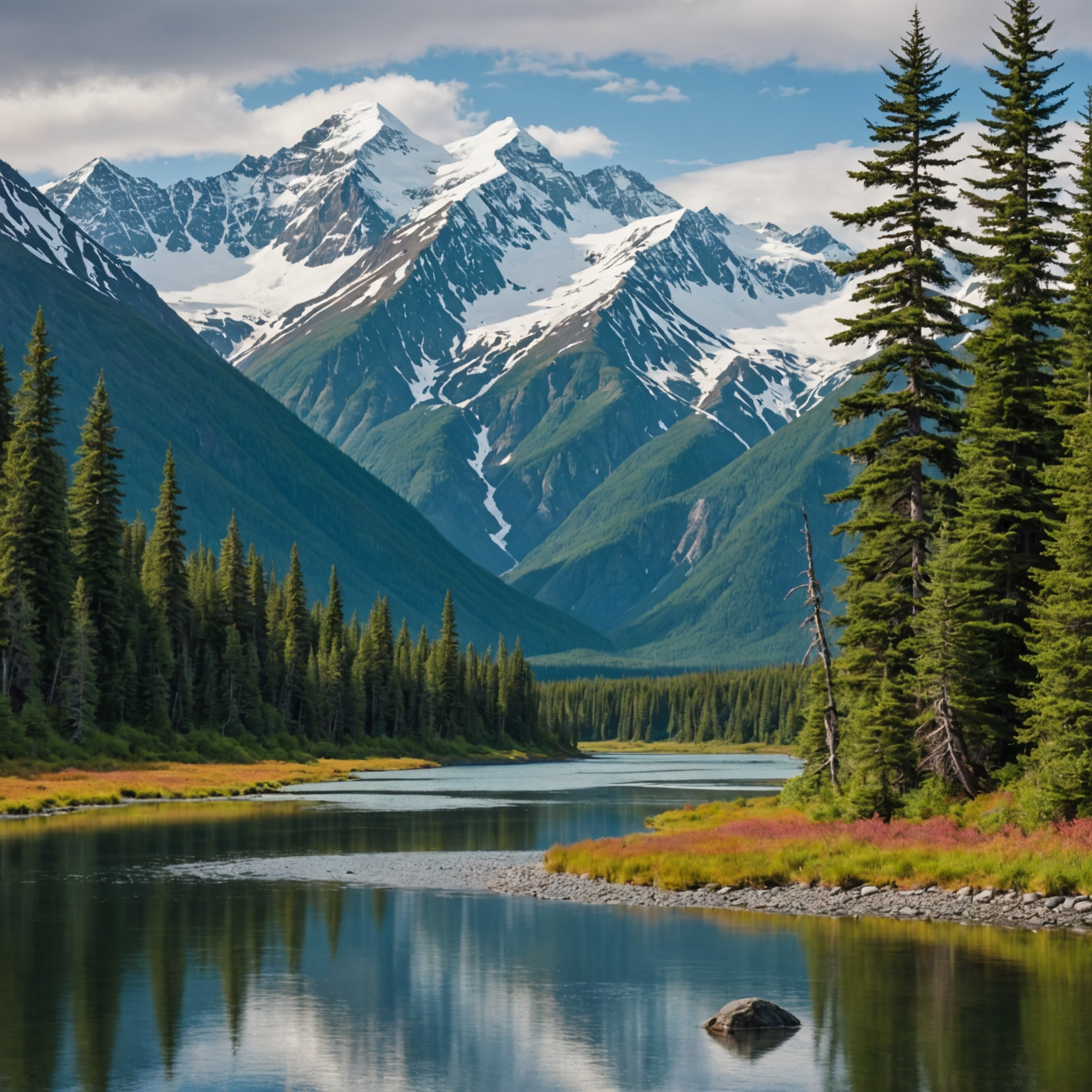
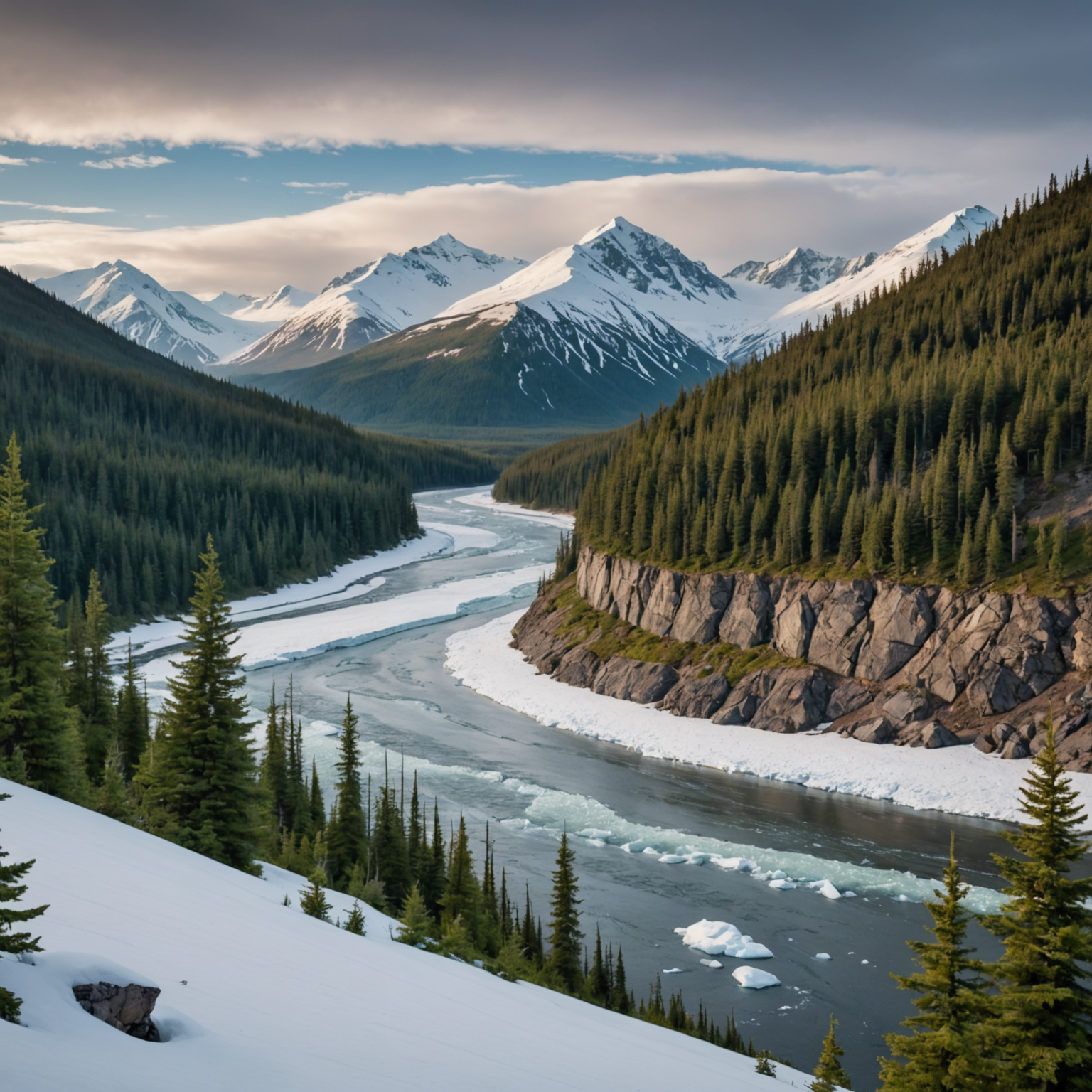
Alaska, with its untamed wilderness and pristine waters, offers some of the most exhilarating fly-fishing experiences in the world. Whether you’re targeting rainbow trout, Arctic grayling, or the mighty salmon, having the right gear is crucial for a successful and enjoyable trip. In this comprehensive guide, we will delve into the essential Alaska fly fishing gear you need, tips for selecting the best equipment, and insights into the unique challenges of fishing in the Last Frontier.
Essential Alaska Fly Fishing Gear
Rods and Reels
When it comes to fly fishing in Alaska, the choice of rods and reels is paramount. Given the variety of fish species and their sizes, it’s important to select a rod that can handle everything from small trout to robust king salmon. A 9-foot rod with a weight rating between 6 to 8 is versatile enough for most Alaskan waters. For larger fish like salmon, consider a 9 to 10 weight rod.
Reels should have a strong drag system to manage the powerful runs of Alaskan fish. Opt for a large arbor reel, which helps in quicker line retrieval and better line management.
Lines and Leaders
In Alaska, the choice of fly line can make a big difference. A weight-forward floating line is a popular choice for trout fishing, while sink-tip lines are ideal for deeper salmon runs. Leaders should be sturdy and abrasion-resistant, typically ranging from 9 to 12 feet with a 0X to 3X tippet size for salmon, and 4X to 6X for trout.
Flies
Alaskan waters are home to diverse aquatic life, and matching the hatch is vital. For trout, patterns like the Woolly Bugger, Egg Sucking Leech, and Dolly Llama are effective. Salmon anglers often find success with Clouser Minnows, Intruders, and various egg patterns. It’s wise to carry a well-stocked fly box to adapt to changing conditions.
Waders and Boots
Given Alaska’s cooler temperatures and swift waters, breathable, insulated waders are a must. Pair them with high-quality wading boots with felt or rubber soles, depending on local regulations. Some areas may require rubber soles to prevent the spread of invasive species.
Clothing and Accessories
Layering is key to staying comfortable in Alaska’s unpredictable weather. Start with moisture-wicking base layers, followed by insulating mid-layers and a waterproof outer shell. Don’t forget a wide-brimmed hat, polarized sunglasses, and a reliable fly box.
For more on how to prepare for Alaskan adventures beyond fly fishing, check out Winter in Anchorage: Things to Do and Best Winter Tours from Anchorage, Alaska.
Navigating Alaskan Waters
Understanding the Environment
Alaska’s waters are as diverse as its landscapes. From clear mountain streams to expansive rivers, understanding the local environment is crucial. The Alaska Department of Fish and Game provides valuable resources on local fish species and regulations, ensuring that anglers are well-informed and compliant.
Weather Considerations
Alaska’s weather can be unpredictable, often changing rapidly. It’s essential to stay updated with the latest weather forecasts from reliable sources like the National Weather Service. Proper gear and clothing will help you stay dry and warm, no matter the conditions.
Safety and Conservation
Respect for the environment and wildlife is paramount. Practice catch-and-release whenever possible, and adhere to Leave No Trace principles to preserve Alaska’s natural beauty. For more information on preserving these pristine environments, visit Leave No Trace.
Conclusion
Fly fishing in Alaska is an adventure like no other, offering the chance to connect with nature in one of the world’s most breathtaking settings. With the right gear and preparation, you can ensure a successful and memorable trip. Whether you’re a seasoned angler or a first-timer, the Alaskan wilderness provides an unparalleled backdrop for fly fishing.
For those looking to explore beyond fly fishing, consider visiting Hatcher Pass Polaris Tours, Alaska and Guide to Dog Sledding in Willow, Alaska for additional adventures.
FAQ
What is the best time of year for fly fishing in Alaska?
The best time for fly fishing in Alaska typically ranges from late June to September, when the weather is more favorable and fish are most active.
Do I need a fishing license in Alaska?
Yes, a fishing license is required for anyone over the age of 16. You can purchase one from the Alaska Department of Fish and Game.
What types of fish can I catch in Alaska?
Alaska is home to a variety of fish, including rainbow trout, Arctic grayling, and several species of salmon, such as king, sockeye, and coho.
How do I choose the right fly for fishing in Alaska?
Choosing the right fly depends on the season and location. Common patterns include the Woolly Bugger for trout and Clouser Minnows for salmon. Carry a diverse selection to match local hatches and fish behavior.
What safety precautions should I take while fly fishing in Alaska?
Always be aware of your surroundings, including wildlife and weather conditions. Wear a life jacket when fishing in deeper waters, and inform someone of your fishing plans and expected return time.
Are guided fly fishing tours available in Alaska?
Yes, guided fly fishing tours are widely available and can enhance your experience by providing local expertise and access to prime fishing spots.
Can I fish in Alaska year-round?
While some areas offer year-round fishing opportunities, most anglers prefer the summer months when fish are more active, and access is easier. Check local regulations for seasonal restrictions.
What should I pack for a fly fishing trip in Alaska?
Pack essential fly fishing gear, layered clothing, rain gear, polarized sunglasses, and a hat. Also, bring a camera to capture the stunning Alaskan scenery.