Introduction
Alaska, the Last Frontier, offers some of the most breathtaking wildlife experiences in the world. Among its many natural wonders, bear viewing stands out as a highlight for many visitors. The vast wilderness is home to several bear species, including the iconic grizzly and the enormous coastal brown bears. If you’re planning a trip to Alaska to see these magnificent creatures, timing is everything. This guide will help you determine the best time to visit Alaska to see bears, ensuring you have the most rewarding experience possible.
Understanding Bear Species in Alaska
Alaska is home to three species of bears: grizzly bears, brown bears, and black bears. While grizzly and brown bears are technically the same species, they are distinguished by their habitats. Grizzly bears are typically found inland, while brown bears roam the coastal regions. Black bears are more widespread and can be found throughout the state.
Grizzly and Brown Bears
Grizzly bears are usually found in Denali National Park and other inland areas. Brown bears, on the other hand, thrive along the coast where they feast on salmon during the spawning season. The best time to see these bears is during the summer months when food is plentiful.
Black Bears
Black bears are the most common and adaptable of the bear species in Alaska. They are often seen in forested areas and are active from spring through fall.
Best Time to Visit Alaska to See Bears
The optimal time to visit Alaska for bear viewing depends on the type of bear and the region you plan to visit. Here is a breakdown of the best times and places to see bears in Alaska:
Spring (May to June)
Spring marks the emergence of bears from hibernation. During this time, bears are often spotted foraging for food as they replenish their energy after the long winter months. This is an excellent time to see bear cubs with their mothers.
Best Locations for Spring Bear Viewing
- Denali National Park: Known for its grizzly bear population, Denali offers spring visitors a chance to see bears in a stunning wilderness setting.
- Anchorage Area: Just outside the city, the Chugach State Park provides opportunities to see both black and brown bears.
Summer (July to August)
Summer is the peak season for bear viewing in Alaska. This is when bears congregate around rivers and streams to feast on the abundant salmon runs.
Best Locations for Summer Bear Viewing
- Katmai National Park: Famous for Brooks Falls, this park offers some of the best bear viewing in the world. Katmai is renowned for its large brown bears catching salmon mid-air.
- Lake Clark National Park: Another prime location for observing coastal brown bears during salmon season.
Fall (September to October)
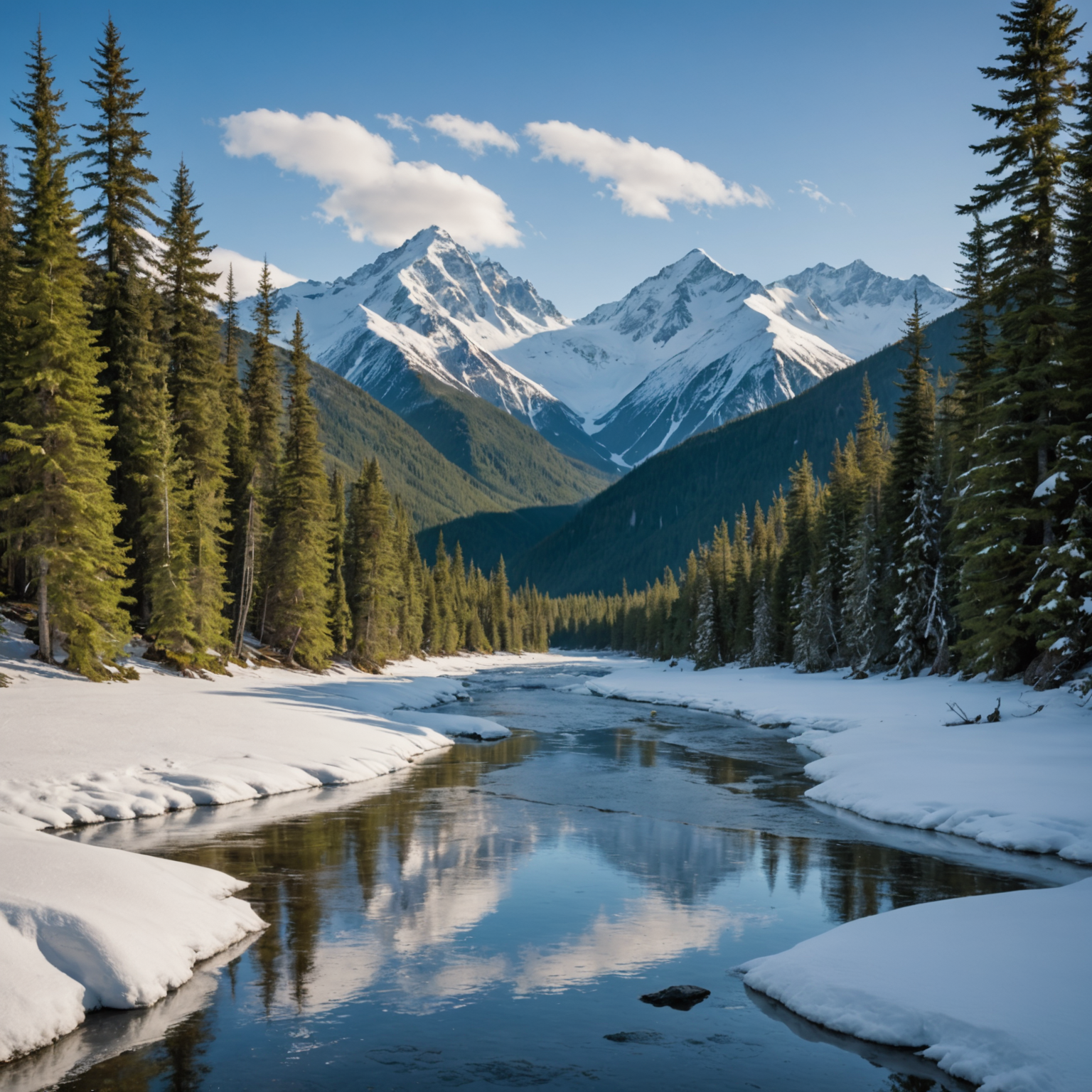
In the fall, bears continue to feed heavily on salmon and berries to prepare for hibernation. This season offers a quieter, less crowded experience for wildlife enthusiasts.
Best Locations for Fall Bear Viewing
- Kenai Fjords National Park: Offers excellent opportunities to see bears in a coastal setting.
- Hatcher Pass: Known for its stunning landscapes, Hatcher Pass provides a serene environment to observe bears in their natural habitat.
Winter (November to April)
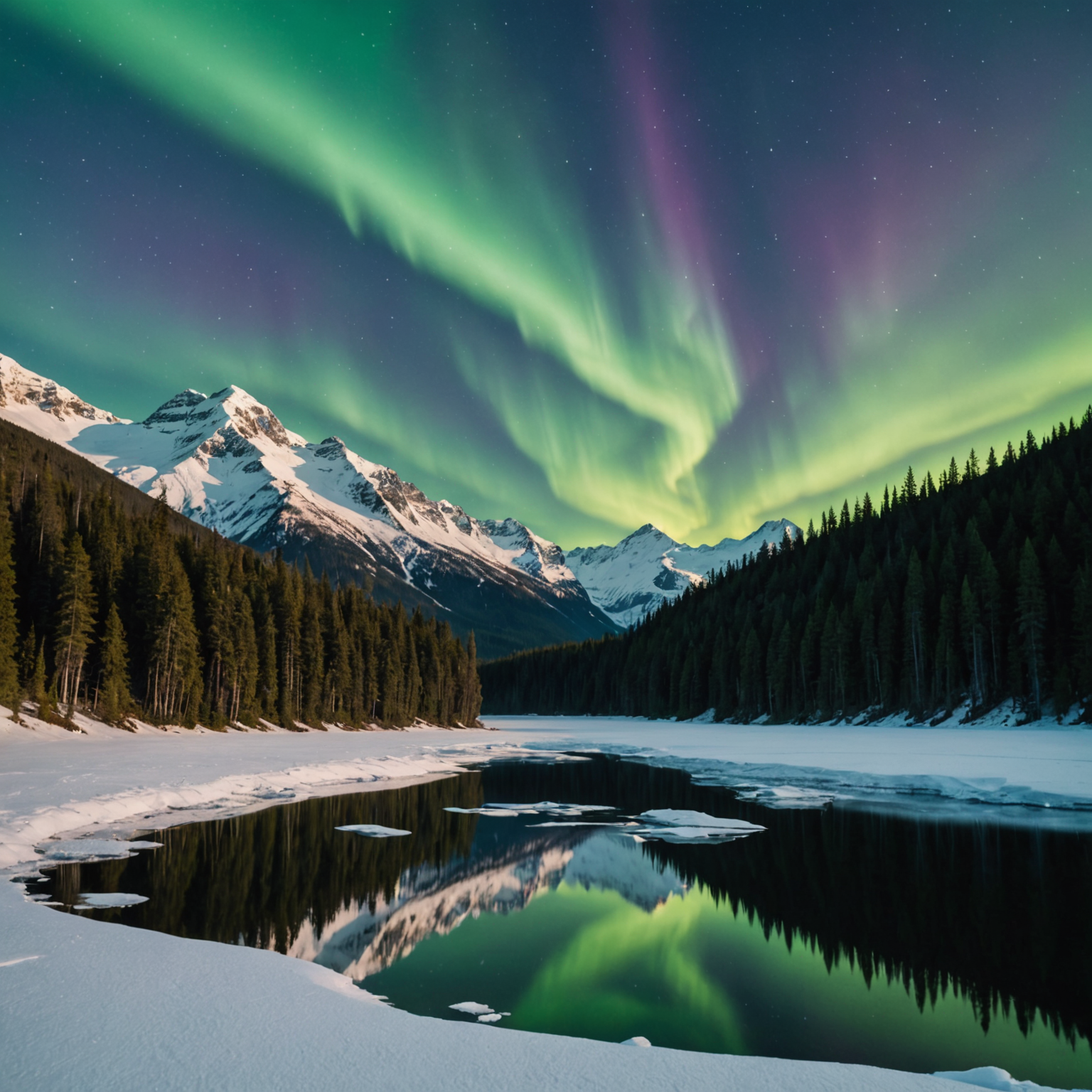
Bears hibernate during the winter months, making it the least favorable time for bear viewing. However, winter in Alaska offers other exhilarating adventures like dog sledding and northern lights viewing.
Bear Viewing Safety Tips
When viewing bears in the wild, safety should be your top priority. Here are some tips to ensure a safe bear-viewing experience:
- Maintain Distance: Always keep a safe distance from bears. Use binoculars or telephoto lenses for close-up views.
- Travel in Groups: Bears are less likely to approach groups, so travel with others when exploring bear habitats.
- Stay Informed: Check the Alaska Department of Fish and Game for updates on bear activity.
- Follow Guidelines: Adhere to park rules and guidelines for bear viewing to ensure both your safety and the bears’ well-being.
Conclusion
The best time to visit Alaska to see bears largely depends on what you’re hoping to experience. Whether it’s witnessing the dramatic scene of bears catching salmon at Brooks Falls or observing a mother bear with her cubs in the spring, Alaska offers unforgettable wildlife encounters. Plan your trip around these peak times for bear activity, and don’t forget to explore other incredible Alaskan adventures like snowmobiling and glacier tours.
FAQ
What is the best month to see bears in Alaska?
July and August are the best months to see bears in Alaska, especially during the salmon runs.
Where is the best place to see bears in Alaska?
Katmai National Park and Lake Clark National Park are top destinations for bear viewing due to their large populations of brown bears.
Can I see bears near Anchorage?
Yes, the Chugach State Park near Anchorage offers opportunities to see both black and brown bears.
What should I bring for a bear-viewing trip?
Bring binoculars, a camera with a telephoto lens, bear spray, and appropriate outdoor clothing.
Are there bear-viewing tours available?
Yes, several guided tours are available in popular bear-viewing areas like Katmai and Denali National Parks.
How can I stay safe while viewing bears?
Maintain a safe distance, travel in groups, and follow guidelines provided by park authorities and the Alaska Department of Fish and Game.
Do bears hibernate in Alaska?
Yes, bears typically hibernate from November to April, making winter the least favorable time for bear viewing.
Can I see other wildlife while bear viewing in Alaska?
Absolutely, Alaska’s diverse ecosystems provide opportunities to see moose, eagles, wolves, and more during your bear-viewing adventures.