Introduction
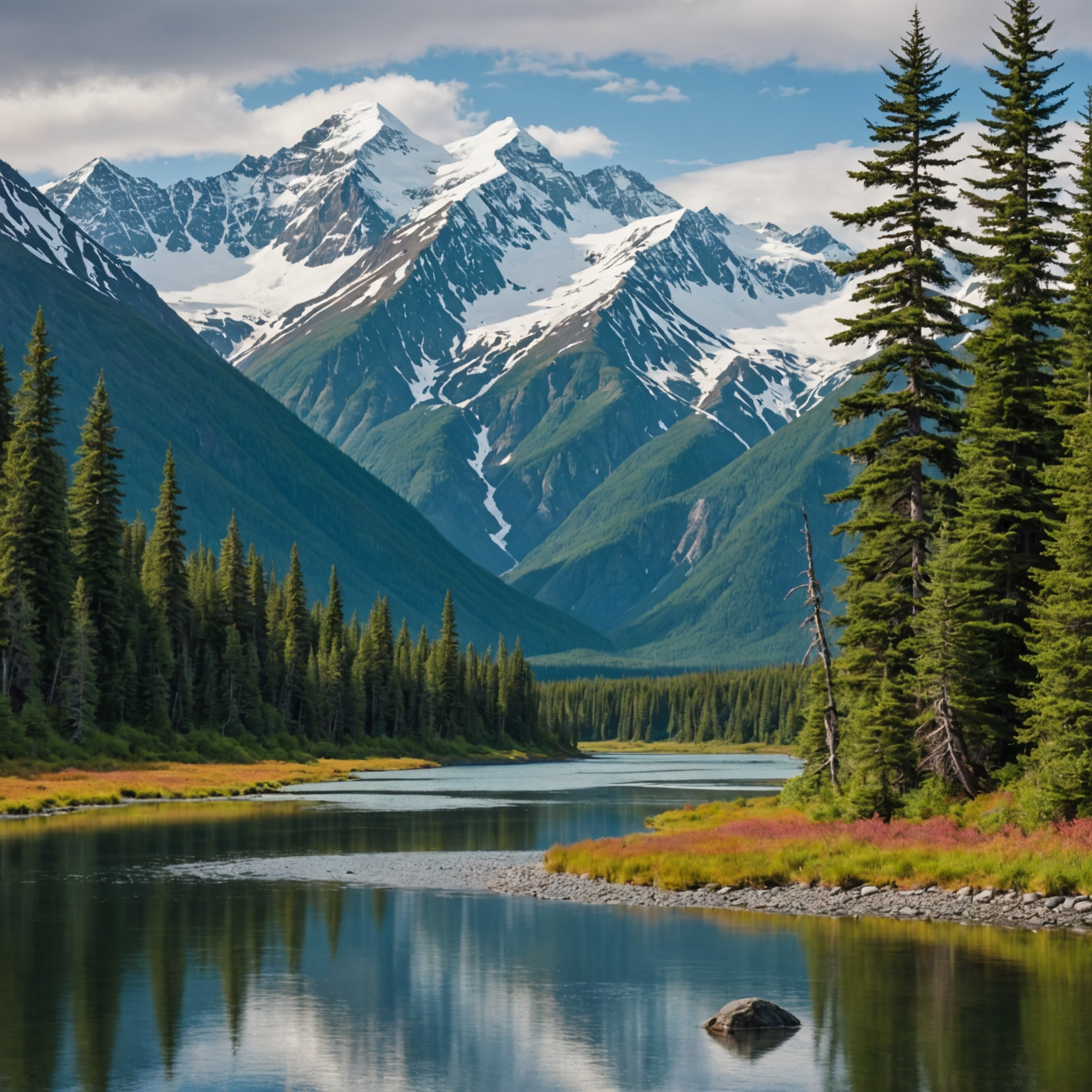
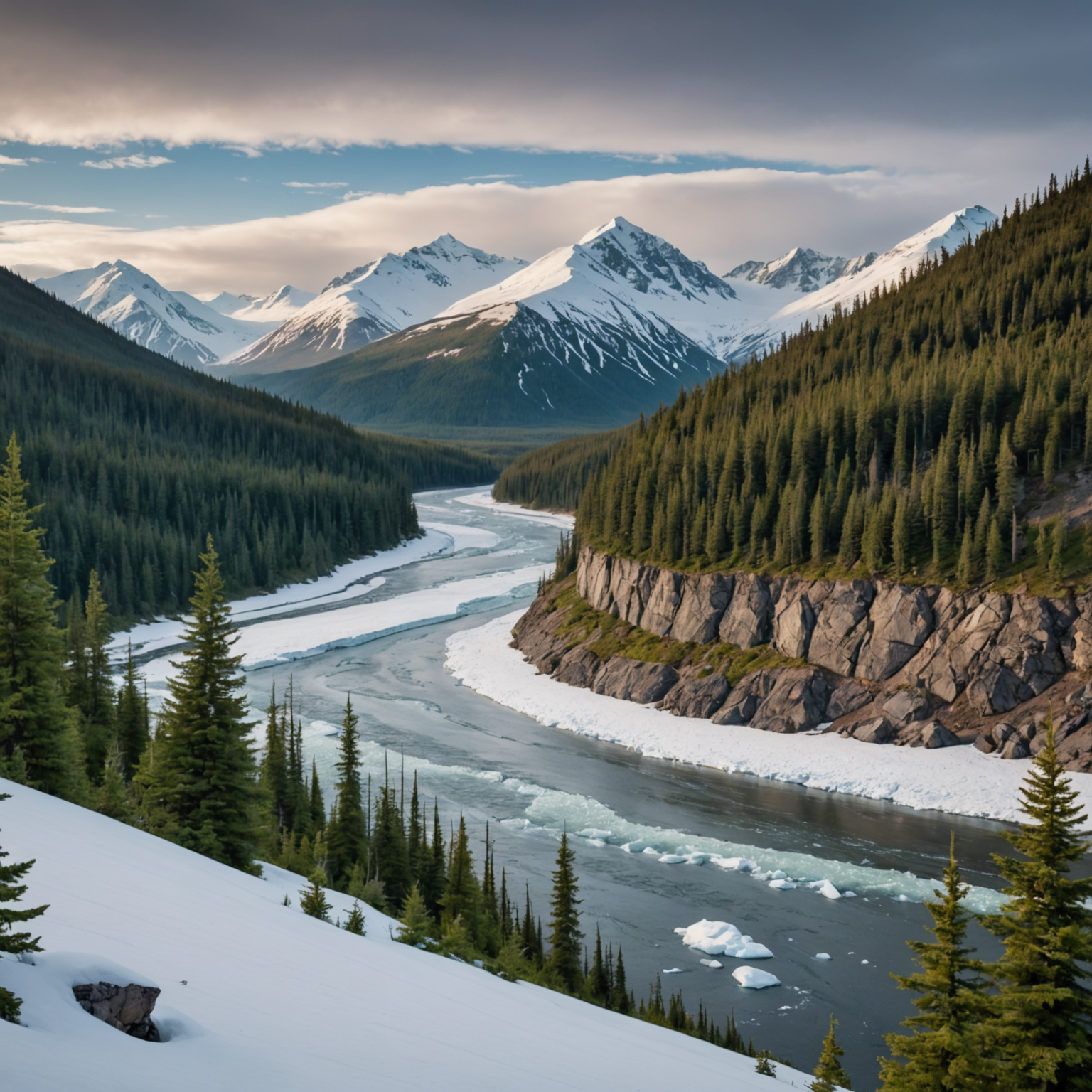
Alaska, with its sprawling wilderness and breathtaking natural beauty, is a paradise for outdoor enthusiasts. Among the many adventures it offers, a packraft trip stands out as a unique way to explore its pristine waters and untouched landscapes. Packrafting, the use of a lightweight inflatable boat for backcountry travel, allows adventurers to access remote rivers and lakes that are otherwise unreachable. This blog post will guide you through planning an unforgettable packraft trip in Alaska, providing you with insights into the best locations, essential gear, safety tips, and more.
Choosing the Right Location
When planning a packraft trip in Alaska, selecting the right location is crucial. The state offers a myriad of options, each with its own distinct charm and level of difficulty. Some popular choices include:
Denali National Park
Denali National Park is a must-visit for any packrafting enthusiast. Its vast wilderness, characterized by towering mountains and diverse wildlife, offers an unparalleled experience. The park is home to numerous rivers suitable for packrafting, such as the Nenana and Toklat rivers. These waters promise stunning views and exhilarating rapids for adventurers of all skill levels. For more information on exploring Denali, visit the National Park Service’s Denali page.
Kenai Fjords National Park
Known for its dramatic icefields and coastal beauty, Kenai Fjords National Park offers a unique packrafting experience. The park’s glacial lakes and rivers provide a serene backdrop for paddling. Bear Glacier Lagoon is a prime spot for beginners and seasoned packrafters alike. To learn more, check out the Kenai Fjords National Park page.
Wrangell-St. Elias National Park and Preserve
As the largest national park in the United States, Wrangell-St. Elias offers endless possibilities for exploration. Its remote rivers, like the Copper and Chitina, are ideal for an adventurous packraft trip. Be prepared for challenging conditions and breathtaking views. Visit the Wrangell-St. Elias National Park page for further details.
Essential Gear for a Packraft Trip
Proper equipment is vital for a safe and enjoyable packraft adventure in Alaska. Here’s a list of essential gear:
- Packraft: Choose a durable, lightweight packraft suitable for the specific water conditions you plan to encounter.
- Paddle: A collapsible paddle that fits easily in your backpack is ideal for packrafting.
- PFD (Personal Flotation Device): Safety should always be a priority. A high-quality PFD is essential.
- Dry Suit or Wetsuit: Given Alaska’s cold water temperatures, wearing a dry suit or wetsuit is crucial for maintaining body heat.
- Helmet: Protect your head from potential impacts with rocks and other obstacles.
- Repair Kit: Always carry a repair kit for quick fixes on the go.
- Camping Gear: If your trip extends overnight, pack lightweight camping gear, including a tent, sleeping bag, and cooking equipment.
Safety Tips for Packrafting in Alaska
Safety is paramount when venturing into Alaska’s wilderness. Here are some key safety tips to keep in mind:
Understand the Environment
Alaska’s weather can be unpredictable, with sudden changes that can affect your trip. Always check the National Weather Service’s Alaska forecast before heading out. Be aware of potential hazards like bears, swift currents, and cold water temperatures. Consider reading more about bear safety and wilderness preparedness.
Plan Your Route
Mapping out your route in advance is crucial. Use topographic maps and GPS devices to navigate safely. Websites like Recreation.gov offer valuable resources for planning your route through national parks and other wilderness areas.
Travel in Groups
Whenever possible, travel with a group. Not only does this enhance safety, but it also makes the experience more enjoyable. In case of an emergency, a group can provide immediate assistance and signal for help.
Planning Your Adventure
To make the most of your packraft trip, consider these additional planning tips:
Timing Your Trip
The best time for a packraft trip in Alaska is during the summer months, from June to August, when the weather is relatively mild. This timing also coincides with the best opportunities to see the Northern Lights. For more information on the best months to see the aurora borealis in Alaska, check out this guide.
Permits and Regulations
Some areas in Alaska require permits for packrafting. Always check with local authorities or park services to ensure compliance with regulations. Visit Travel Alaska for more information on necessary permits and guidelines.
Wildlife Watching
Alaska’s wilderness is teeming with wildlife. Keep an eye out for majestic creatures such as moose, bears, and eagles. For bird enthusiasts, learn about bird species to watch on your trip.
Conclusion
Embarking on a packraft trip in Alaska is an adventure of a lifetime. By carefully selecting your location, equipping yourself with the right gear, and taking necessary safety precautions, you can immerse yourself in the state’s awe-inspiring landscapes and create unforgettable memories. Whether you’re navigating the serene waters of Kenai Fjords or tackling the rugged rivers of Wrangell-St. Elias, Alaska’s wilderness beckons with endless possibilities.
FAQ
1. What is packrafting?
Packrafting is the use of a lightweight, inflatable boat for backcountry travel, allowing adventurers to explore remote rivers and lakes.
2. Do I need a permit for packrafting in Alaska?
Permits may be required in certain areas. Always check with local authorities or park services before your trip.
3. What is the best time of year for a packraft trip in Alaska?
The best time is during the summer months, from June to August, when the weather is mild and conditions are optimal for packrafting.
4. What should I do if I encounter wildlife while packrafting?
Stay calm, maintain your distance, and avoid disturbing the animals. For more on wildlife safety, refer to Alaska’s wildlife safety guidelines.
5. Can beginners go packrafting in Alaska?
Yes, beginners can enjoy packrafting, especially in calmer waters like those found in Kenai Fjords. However, it’s important to start with easier routes and gradually work up to more challenging ones.
6. How can I prepare for unexpected weather changes during my trip?
Always check the weather forecast before your trip and pack appropriate gear, such as a dry suit or wetsuit, to protect against cold and wet conditions.
7. Are there guided packrafting tours available in Alaska?
Yes, numerous outfitters offer guided packrafting tours, providing equipment and expertise for a safe and enjoyable experience.
8. What wildlife can I expect to see on a packraft trip in Alaska?
You may encounter a variety of wildlife, including moose, bears, eagles, and more. For birdwatching enthusiasts, Alaska offers a rich diversity of bird species.