Introduction
The Beaver DHC aircraft, an iconic symbol in the world of aviation, has played a pivotal role in the history of bush flying, particularly in the rugged landscapes of Alaska. Known for its robust design and versatility, the Beaver DHC continues to be a favored choice for pilots navigating the challenging terrains of the Alaskan wilderness. This aircraft’s enduring legacy is a testament to its engineering excellence and adaptability in extreme conditions.
A Brief History of the Beaver DHC
The Beaver DHC, officially known as the de Havilland Canada DHC-2 Beaver, was first introduced in the late 1940s. Designed to meet the demands of the post-war aviation market, this aircraft quickly gained a reputation for its durability and performance. Originally conceived to serve the needs of remote areas, the Beaver DHC’s ability to take off and land on short, rough airstrips made it indispensable for bush pilots.
Throughout its history, the Beaver DHC has been utilized in a variety of roles, including passenger transport, freight hauling, and even as a water-bomber for fighting forest fires. Its versatility and reliability have cemented its status as a legendary aircraft, particularly in the challenging environments of Alaska.
Design and Features of the Beaver DHC
The Beaver DHC is renowned for its rugged design and features that cater to the unique demands of bush flying. One of its most notable characteristics is its STOL (Short Takeoff and Landing) capability, which allows it to operate in remote and restricted areas. The high-wing configuration provides excellent visibility for pilots, a crucial factor when navigating through mountainous regions.
The aircraft is powered by a Pratt & Whitney R-985 Wasp Junior radial engine, which provides the necessary power and reliability for operations in harsh conditions. The spacious cabin can be configured for a variety of missions, from carrying passengers to transporting cargo. The Beaver DHC’s floatplane version is particularly popular in Alaska, where water landings are often required.
The Beaver DHC in Alaskan Bush Aviation
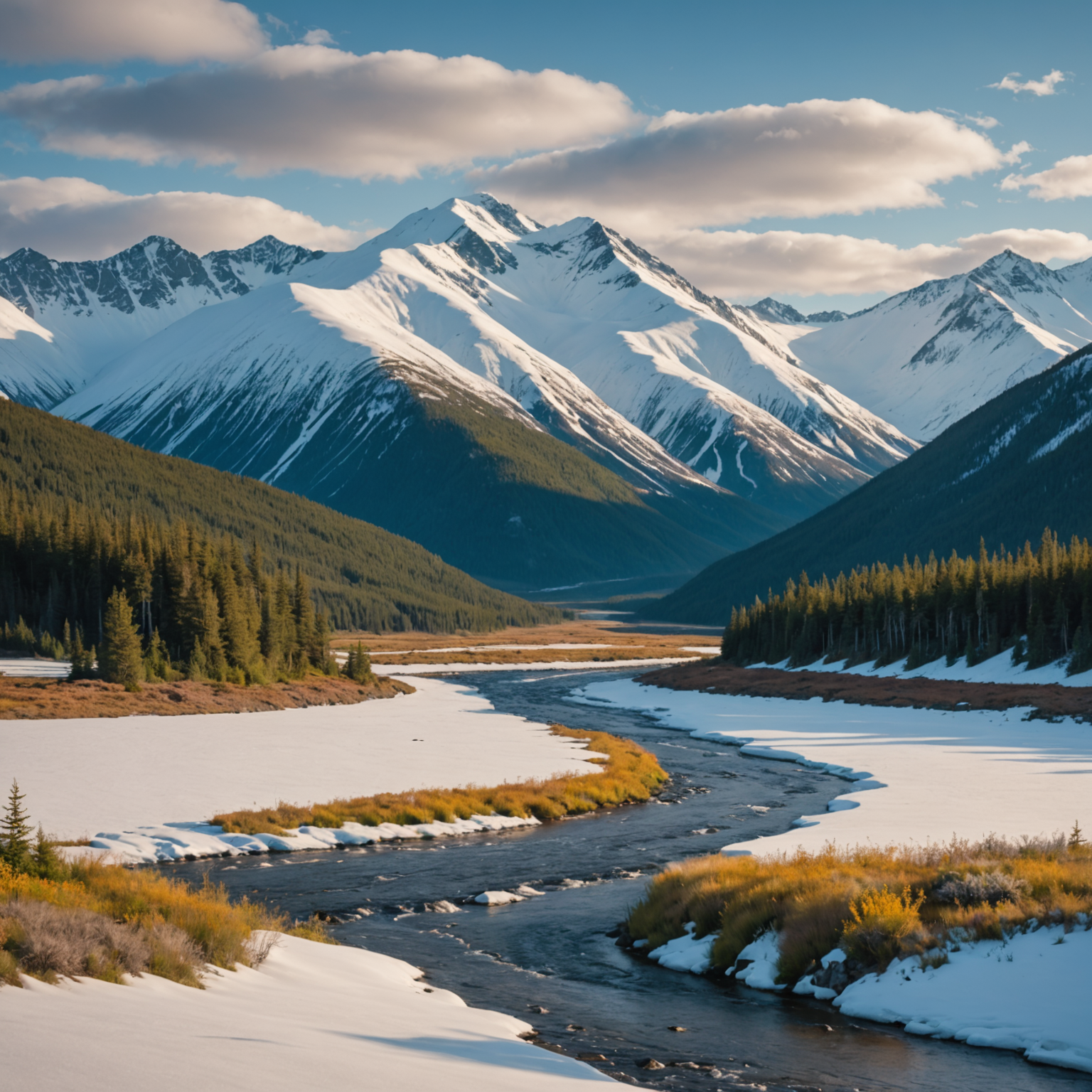
Alaska’s vast and remote wilderness presents unique challenges for aviation, making the Beaver DHC an ideal choice for bush pilots. Its ability to operate in diverse environments, from dense forests to open tundras, has made it a staple in the region. The aircraft’s robust construction and ease of maintenance are crucial factors for operations far from conventional support facilities.
Bush pilots rely on the Beaver DHC’s reliability and performance to deliver essential supplies and services to remote communities. Its presence in Alaska is not just as a means of transportation but as a lifeline for isolated areas. The aircraft’s adaptability has also made it a popular choice for summer tours in Alaska, providing visitors with unique aerial views of the state’s breathtaking landscapes.
Modern Uses and Legacy
Despite being over 70 years old, the Beaver DHC continues to be a valuable asset in modern aviation. Many of the original aircraft are still in use today, thanks to ongoing maintenance and upgrades. The aircraft’s enduring legacy is a testament to its exceptional design and functionality.
In Alaska, the Beaver DHC is not just an aircraft; it’s an integral part of the state’s cultural heritage. Its contributions to the development of remote areas and its role in supporting local communities have solidified its place in history. For many, the Beaver DHC is synonymous with the spirit of adventure and exploration that defines Alaska.
Conclusion
The Beaver DHC aircraft remains an iconic symbol of aviation excellence, particularly in the realm of bush flying. Its robust design, versatility, and enduring legacy make it a favorite among pilots in Alaska. As a testament to its reliable service, the Beaver DHC continues to soar through the skies, connecting remote communities and enabling the exploration of some of the world’s most challenging terrains.
For those interested in experiencing the thrill of bush flying, Alaska offers numerous opportunities to explore its vast wilderness. Whether through ATV tours around Hatcher Pass or dog sledding adventures, the spirit of adventure that the Beaver DHC embodies is alive and well in Alaska.
FAQ
What is the Beaver DHC aircraft?
The Beaver DHC is a versatile and durable aircraft designed for bush flying, particularly in challenging terrains like those found in Alaska.
Why is the Beaver DHC popular in Alaska?
Its STOL capabilities, robust design, and adaptability to various environments make it ideal for the remote and rugged landscapes of Alaska.
What are the main features of the Beaver DHC?
Key features include a high-wing configuration for better visibility, a powerful radial engine, and a spacious cabin that can be configured for different missions.
How is the Beaver DHC used today?
The Beaver DHC is still widely used for passenger transport, cargo hauling, and as a floatplane in remote areas, especially in Alaska.
How has the Beaver DHC impacted Alaskan aviation?
It has played a crucial role in connecting remote communities, providing essential supplies, and supporting local economies through tourism and transport.
Can visitors experience flying in a Beaver DHC in Alaska?
Yes, many tour operators offer flights in Beaver DHC aircraft, allowing visitors to experience the stunning landscapes and remote areas of Alaska from the air.
What makes the Beaver DHC a reliable aircraft?
Its durable construction, ease of maintenance, and proven performance in extreme conditions contribute to its reliability and longevity in aviation.
Are there still original Beaver DHC aircraft in operation?
Yes, many original Beaver DHC planes are still in operation, thanks to regular maintenance and technological upgrades, preserving this iconic aircraft’s legacy.