Introduction
Nestled in the heart of the rugged Alaskan wilderness, whitewater rafting offers adventurers an exhilarating way to experience the state’s untamed beauty. From the thunderous rapids of the Nenana River to the scenic pathways of the Six Mile Creek, Alaska whitewater rafting is an unforgettable journey into the state’s natural splendor. This guide will navigate you through the best rafting spots, preparation tips, and what you can expect on this wild ride.
The Best Rafting Spots in Alaska
Nenana River
The Nenana River, located near Denali National Park, is a prime destination for whitewater rafting enthusiasts. Offering both mild and wild sections, it caters to different skill levels. The upper Nenana boasts Class I and II rapids, perfect for beginners or families. Meanwhile, the canyon section offers thrilling Class III and IV rapids for those seeking a heart-pounding adventure.
For those interested in exploring the park further, consider visiting Denali National Park to experience its breathtaking landscapes and wildlife. The park’s proximity makes it convenient to combine rafting with other outdoor activities.
Six Mile Creek
Six Mile Creek is renowned for its challenging Class IV and V rapids, making it suitable for experienced rafters seeking a serious adrenaline rush. The creek flows through three distinct canyons, each offering unique challenges and stunning scenery. This location is perfect for thrill-seekers looking to test their mettle against some of Alaska’s fiercest waters.
Matanuska River
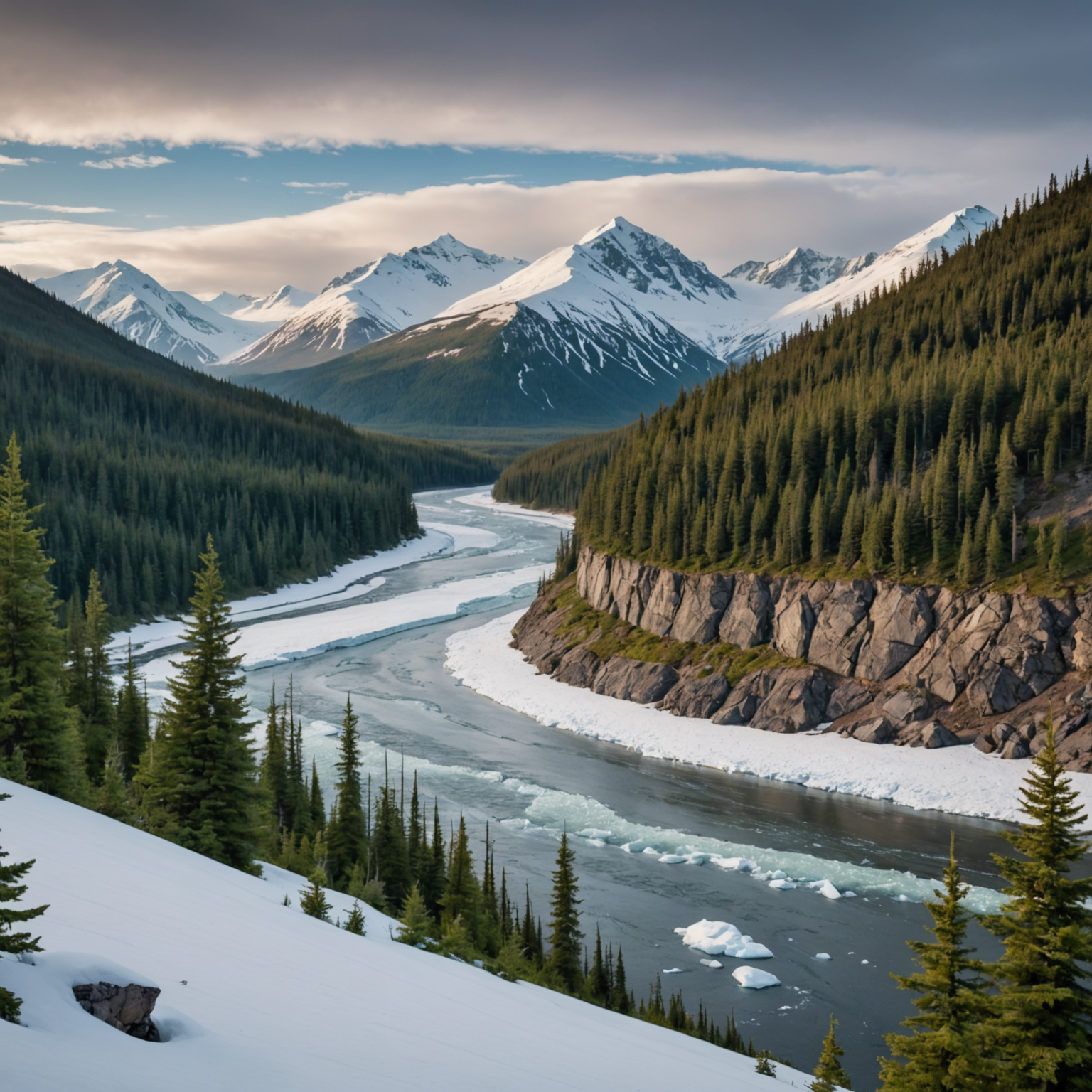
The Matanuska River, easily accessible from Anchorage, provides a blend of scenic beauty and thrilling rapids. The river’s glacial waters carve a path through jaw-dropping landscapes, offering rafters both excitement and awe. This location is ideal for those wanting a mix of adventure and natural beauty without straying too far from urban comforts.
For more on top adventure spots near Anchorage, explore our guide on Top Alaska Anchorage Tours for a Winter Adventure.
Preparing for Your Whitewater Adventure
Gear and Safety
Safety is paramount when embarking on a whitewater rafting trip. Outfitters typically provide all necessary gear, including life jackets, helmets, and paddles. Wearing appropriate clothing is crucial; synthetic layers that dry quickly are recommended, as are sturdy water shoes. Avoid cotton, as it retains moisture and can increase the risk of hypothermia.
It’s also wise to familiarize yourself with the safety protocols and signals used by guides during the trip. Understanding these can enhance your experience and ensure a safe journey through Alaska’s rapids.
For tips on dressing appropriately for outdoor adventures in Alaska, check out our article on how to dress for a dog sledding trip.
Choosing a Guided Tour
Opting for a guided tour is advisable, especially for first-timers or those unfamiliar with the area. Expert guides bring invaluable knowledge of the river and ensure that safety measures are adhered to. They also provide insights into the local ecosystem, enhancing your overall experience.
When to Go Whitewater Rafting in Alaska
The prime time for whitewater rafting in Alaska runs from mid-May through September. During this period, the rivers swell with glacial melt, creating optimal rapids for rafting. Weather conditions can vary, so it’s important to check forecasts before your trip. The National Weather Service provides detailed weather updates for the region.
Understanding the Rapids
Alaska’s rivers vary in intensity, with rapids classified from Class I (easy) to Class V (extremely challenging). Knowing your comfort level and experience is key to choosing the right river and section for your adventure. Beginners might opt for the calmer sections of the Nenana River, while seasoned rafters may head straight for the challenging canyons of Six Mile Creek.
Conclusion
Alaska whitewater rafting offers an unparalleled opportunity to connect with nature while experiencing the thrill of battling some of the most powerful rivers in North America. Whether you’re a novice or a seasoned pro, the rivers of Alaska promise an adventure like no other. As you plan your rafting journey, remember to prioritize safety, choose the right gear, and embrace the wild beauty that makes Alaska a top destination for outdoor enthusiasts.
For more adventures to pair with your rafting trip, explore the top 10 places to visit in Alaska for adventure.
FAQ
What is the best time of year for whitewater rafting in Alaska?
The best time for whitewater rafting in Alaska is from mid-May to September when the rivers are fed by glacial melt, providing optimal conditions for rafting.
Are there age or health restrictions for participating in whitewater rafting?
Yes, most rafting companies have age, height, and weight restrictions for safety reasons. It’s best to check with the specific outfitter for their requirements.
What should I wear for a whitewater rafting trip in Alaska?
Wear synthetic layers that dry quickly, a waterproof jacket, and secure water shoes. Avoid cotton as it retains moisture and can lead to hypothermia.
Can beginners try whitewater rafting in Alaska?
Absolutely! Many rivers, like the upper Nenana, offer milder rapids suitable for beginners. Guided tours are recommended for a safe and enjoyable experience.
How do I choose a reputable rafting outfitter in Alaska?
Look for companies with experienced guides, strong safety records, and positive customer reviews. It’s also helpful to choose outfitters affiliated with local tourism organizations.
Is it necessary to have previous rafting experience?
No, previous experience is not necessary, especially if you choose beginner-friendly rivers and go with a guided tour.
What wildlife might I see while rafting in Alaska?
While rafting, you may encounter a variety of wildlife, including eagles, bears, and moose. Each river offers unique opportunities for wildlife viewing.
How long do rafting trips typically last?
Trips can range from a few hours to full-day excursions, depending on the river and the section being rafted. Check with your chosen outfitter for specific trip durations.