Introduction
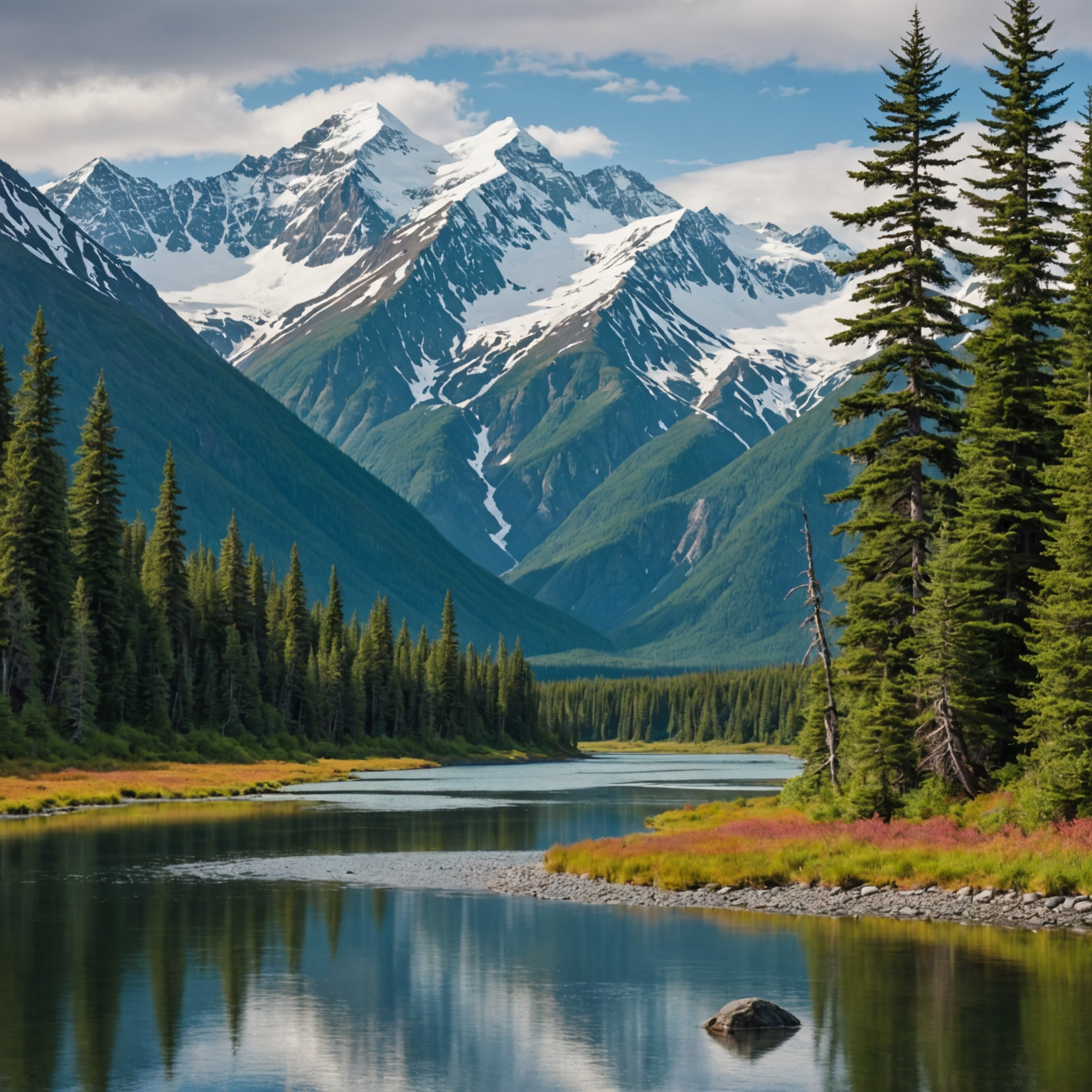
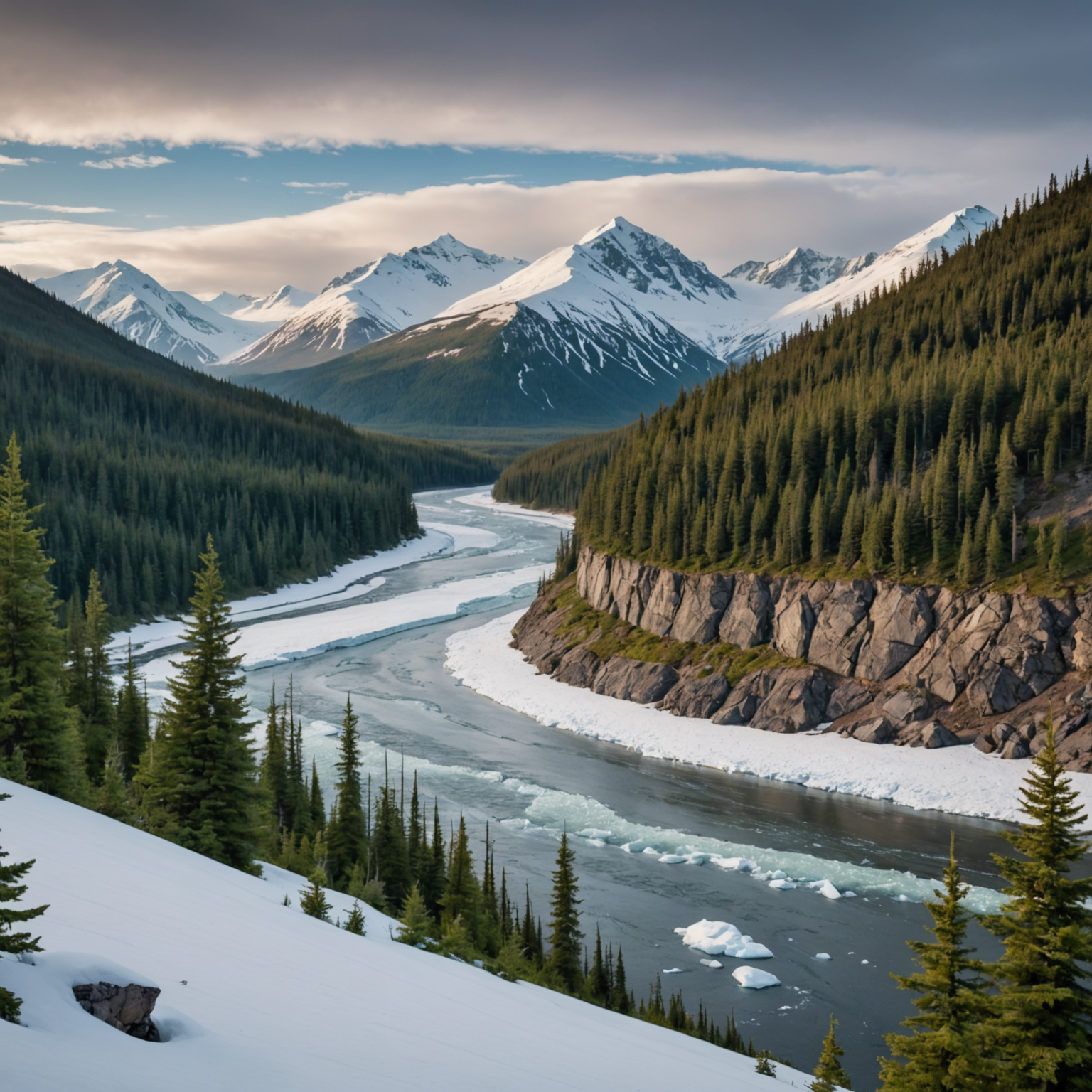
Embarking on an Alaska camping trip is a dream for many outdoor enthusiasts. This vast and untamed frontier offers some of the most breathtaking landscapes in the world, from towering mountains and glacial fjords to lush forests and abundant wildlife. Whether you’re a seasoned camper or planning your first wilderness adventure, Alaska promises an unforgettable experience. This comprehensive guide will help you plan the ultimate Alaska camping trip, covering everything from essential gear to the best camping locations.
Essential Gear for an Alaska Camping Trip
Clothing and Footwear
Alaska’s weather can be unpredictable, making it crucial to pack versatile clothing that can handle a range of conditions. Layering is key:
- Base Layer: Moisture-wicking fabrics like merino wool or synthetic materials are ideal.
- Insulating Layer: Fleece or down jackets help retain body heat.
- Outer Layer: A waterproof and windproof jacket and pants protect against rain and wind.
Footwear should be sturdy and waterproof. Hiking boots are a must, complemented by warm socks.
Camping Equipment
Ensuring you have the right camping equipment is essential for a comfortable and safe trip:
- Tent: Choose a four-season tent that can withstand heavy rain and strong winds.
- Sleeping Bag: A sleeping bag rated for cold temperatures is necessary, especially for spring or fall camping.
- Cookware: A portable stove, fuel, and lightweight cookware are essential for preparing meals.
- Navigation Tools: A map, compass, and GPS device ensure you can navigate the wilderness safely.
Safety and Survival Gear
Safety is paramount in Alaska’s wilderness. Pack a first aid kit, bear spray, and a satellite phone for emergencies. It’s also wise to carry a whistle, flashlight, and multi-tool.

Top Locations for Camping in Alaska
Denali National Park and Preserve
Denali National Park is a must-visit for any Alaska camping trip. Home to North America’s tallest peak, Denali, the park offers six campgrounds, each providing unique views and access to hiking trails. Backcountry camping is also available for those seeking solitude and adventure. Be sure to check the Denali National Park website for permits and regulations.
Kenai Fjords National Park
Located near Seward, Kenai Fjords National Park is famous for its stunning glaciers and abundant marine wildlife. The Exit Glacier Campground provides a convenient base for exploring the park. For a more remote experience, consider a kayaking trip to one of the park’s coastal campsites. Visit the Kenai Fjords National Park website for more information.
Wrangell-St. Elias National Park and Preserve
As the largest national park in the United States, Wrangell-St. Elias offers unparalleled scenery and adventure. The Nabesna Road and McCarthy Road provide access to remote campgrounds and hiking trails. Backcountry camping is encouraged for those looking to explore the park’s vast wilderness. Check out the Wrangell-St. Elias National Park website for details on camping and permits.
Tongass National Forest
Spanning over 16 million acres, the Tongass National Forest is the largest national forest in the United States. With its temperate rainforests and rugged coastlines, the Tongass offers diverse camping opportunities. From the Mendenhall Glacier near Juneau to the Misty Fjords near Ketchikan, there are numerous campgrounds and cabins available. For more information, visit the Tongass National Forest website.
Wildlife and Safety Considerations
Wildlife Viewing
Alaska is home to a rich variety of wildlife, including bears, moose, and eagles. For bird enthusiasts, Alaska offers a remarkable array of species. Always observe wildlife from a safe distance and follow Alaska Department of Fish and Game guidelines for bear safety.
Weather and Environmental Challenges
Weather in Alaska can change rapidly. Always check the National Weather Service for current conditions and forecasts before heading out. Understanding avalanche risks, especially in mountainous areas, is crucial. Utilize resources like the Chugach National Forest Avalanche Information Center for up-to-date avalanche forecasts.
Leave No Trace Principles
Practicing Leave No Trace principles is essential to preserve Alaska’s pristine environment. This includes packing out all trash, respecting wildlife, and minimizing campfire impact. For more tips, visit the Leave No Trace Center for Outdoor Ethics.
Conclusion
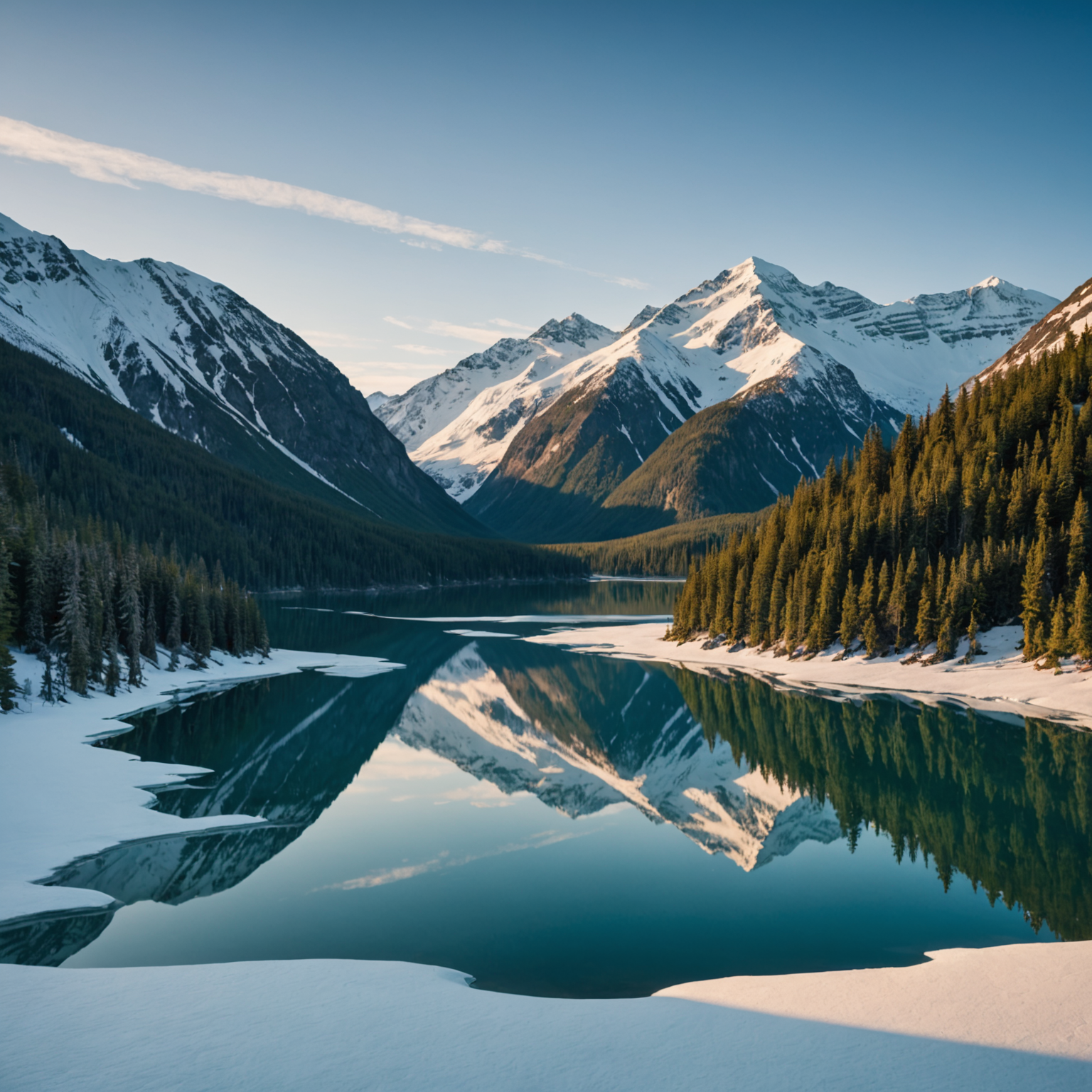
An Alaska camping trip offers an unparalleled opportunity to connect with nature and experience the wild beauty of the Last Frontier. By preparing thoroughly and respecting the environment, you can ensure a safe and rewarding adventure. From the majestic peaks of Denali to the serene waters of Kenai Fjords, Alaska’s wilderness awaits your exploration.
FAQ
What is the best time of year for an Alaska camping trip?
The best time for camping in Alaska is from late May to early September when the weather is milder, and most campgrounds are open. For more insights, check out the best time to travel to Alaska for adventure.
How do I stay safe from bears while camping in Alaska?
To stay safe from bears, store food and scented items in bear-proof containers, keep a clean campsite, and carry bear spray. More information can be found on the Alaska Department of Fish and Game website.
Are there guided camping tours available in Alaska?
Yes, many companies offer guided camping tours, which can provide added safety and local expertise. For specialized adventures, consider combining activities like dog sledding and Northern Lights viewing with guides from Snowhook Adventures.
Can I see the Northern Lights while camping in Alaska?
Yes, the Northern Lights are visible in Alaska, especially from late September to early April. For the best chance of seeing them, camp in areas with minimal light pollution and check the Aurora forecast.
What permits do I need for camping in Alaska’s national parks?
Permits are required for backcountry camping in most national parks. Check individual park websites for specific regulations and permit applications, such as Denali National Park.
How do I prepare for an Alaska camping trip?
Preparation involves packing the right gear, understanding weather and wildlife risks, and planning your itinerary. For a more adventurous experience, consider activities like off-road UTV tours.
Is it necessary to have a 4WD vehicle for camping in Alaska?
While not always necessary, a 4WD vehicle is recommended for accessing remote and rugged areas, especially in backcountry regions or during adverse weather conditions.
By following these guidelines and preparing adequately, your Alaska camping trip will be an unforgettable adventure.