Introduction
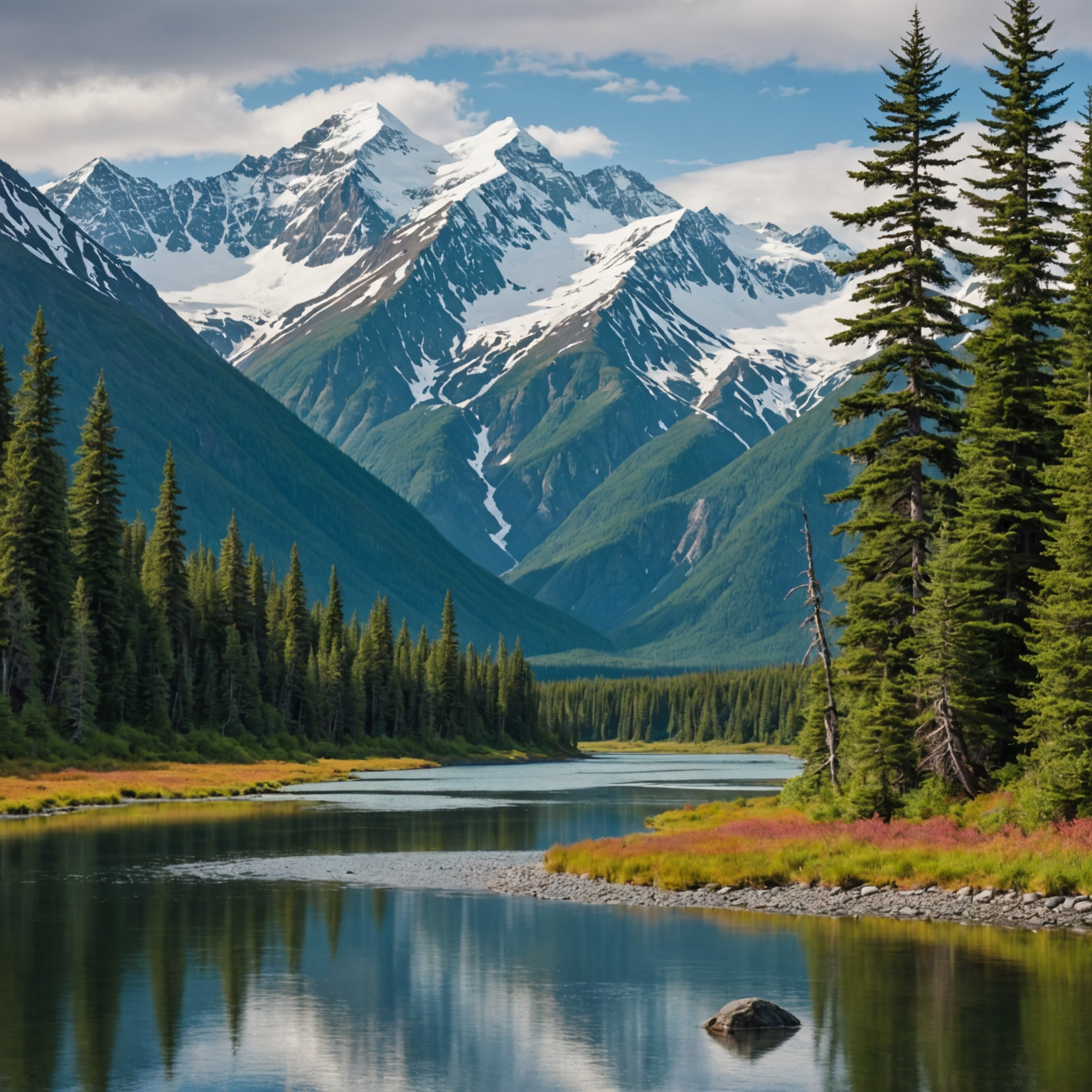
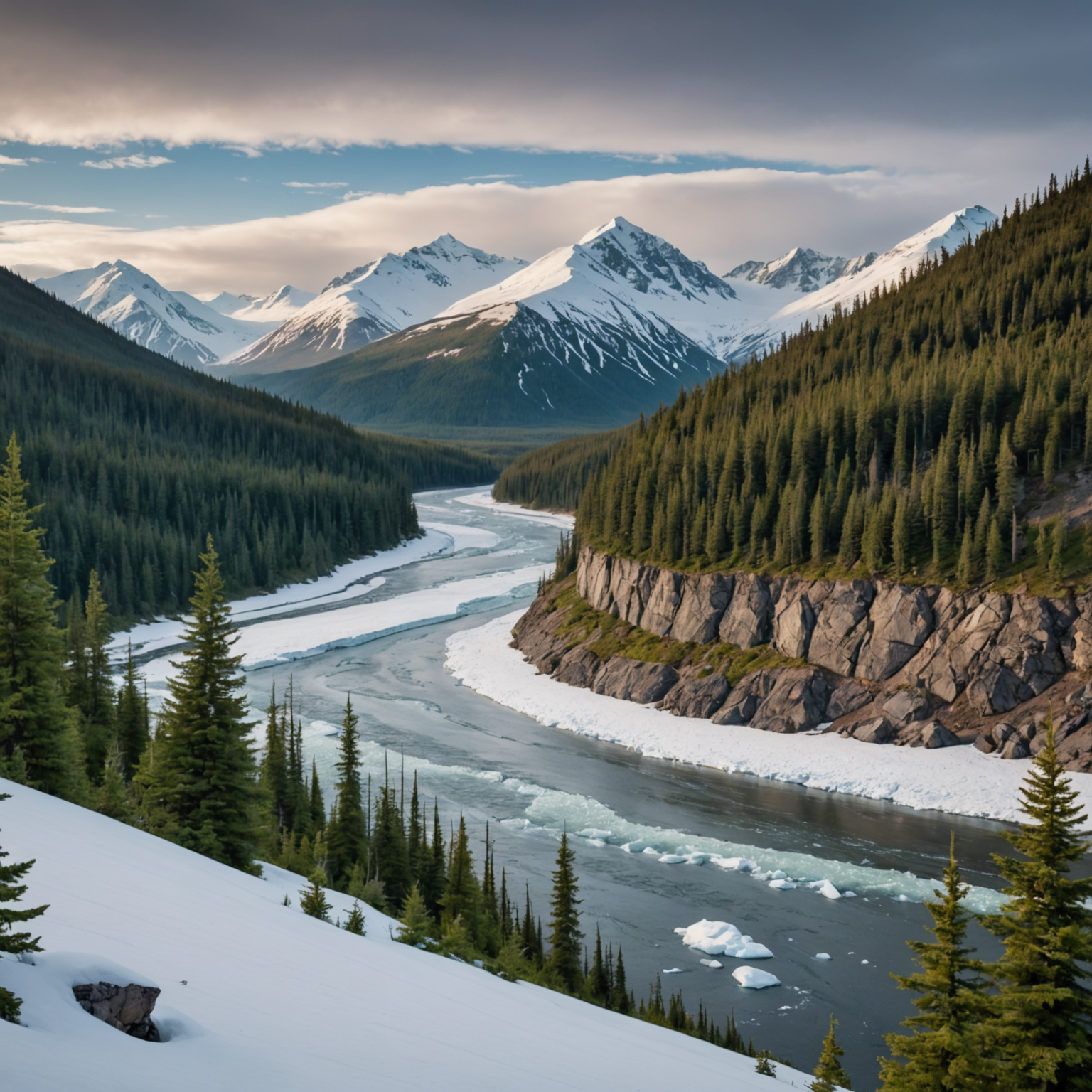
Alaska is a dream destination for backpackers seeking unparalleled wilderness adventures. Known for its majestic mountains, vast forests, and vibrant wildlife, Alaska offers a backpacking experience like no other. Whether you’re a seasoned backpacker or a novice looking to explore the Last Frontier, this guide will help you plan the perfect trip through Alaska’s rugged trails and parks. From selecting the ideal time to visit to understanding essential safety tips, we cover everything you need to know for a successful adventure in Alaska’s great outdoors.
Best Time to Visit
Timing your trip is crucial to maximizing your Alaska backpacking experience. The best months for backpacking in Alaska are generally from June to September. During this period, the weather is warmer, and the trails are more accessible. However, each season offers unique advantages. For those interested in witnessing the breathtaking Northern Lights, consider planning your trip when the skies are clear, and the nights are long. For more insights on the best months for adventure, check out this guide.
Top Backpacking Trails
Alaska boasts a multitude of trails catering to all skill levels. Here are some of the top trails to consider:
Denali National Park
Denali National Park is home to the country’s highest peak, Denali, and offers a plethora of trails that range from easy to challenging. Backpackers can enjoy sweeping views of the park’s diverse ecosystems and potentially spot wildlife such as bears, moose, and wolves. Before you go, visit the Denali National Park website for trail maps and permits.
Kenai Fjords National Park
For those seeking coastal beauty, Kenai Fjords National Park offers trails that provide stunning views of glaciers and marine wildlife. The Harding Icefield Trail is a popular choice, leading adventurers through meadows and up to a spectacular glacier overlook. For more details, explore the Kenai Fjords National Park.
Wrangell-St. Elias National Park
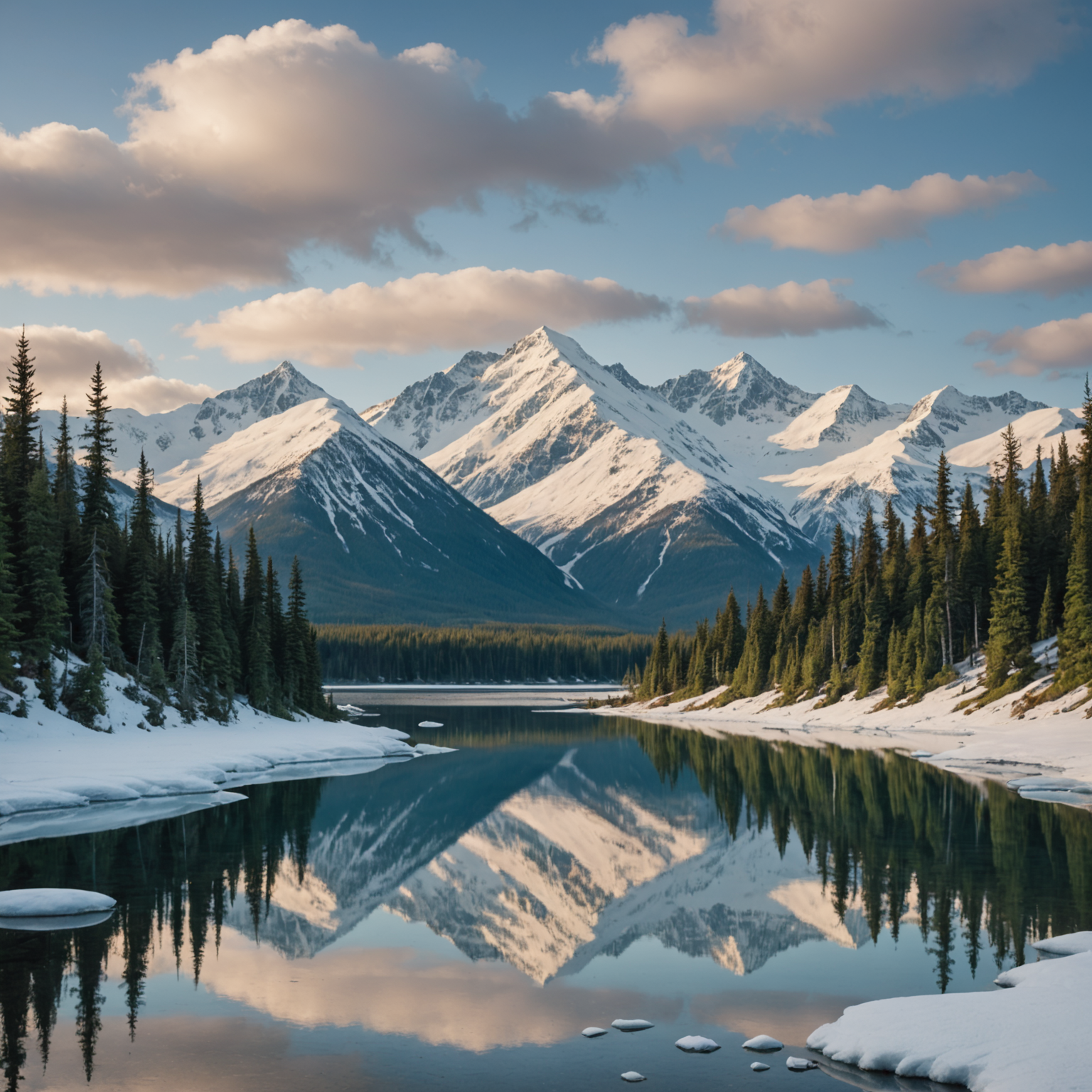
As the largest national park in the United States, Wrangell-St. Elias offers a remote and challenging backpacking experience. Trails through the park’s rugged terrain provide encounters with glaciers, volcanoes, and abandoned mines. Check the Wrangell-St. Elias National Park page for safety tips and trail information.
Safety Tips and Gear
Alaska’s wilderness demands respect and preparation. Here are essential safety tips:
- Bear Safety: Understanding bear behavior and carrying bear spray is crucial. Learn more about living with bears in Alaska.
- Weather Awareness: Alaska’s weather can change rapidly. Always check the National Weather Service before heading out.
- Leave No Trace: Preserve Alaska’s natural beauty by following Leave No Trace principles.
Regarding gear, ensure you have adequate clothing for variable weather, a reliable map, and a GPS device. Consider joining a guided tour for added safety and local knowledge, such as the exciting ATV adventure tours.
Wildlife and Photography
Alaska is a haven for wildlife enthusiasts and photographers. From bald eagles to grizzly bears, the state’s diverse fauna is a major draw for backpackers. If capturing the perfect shot is on your itinerary, you might find this guide on how to capture Northern Lights on iPhone useful.
Conclusion
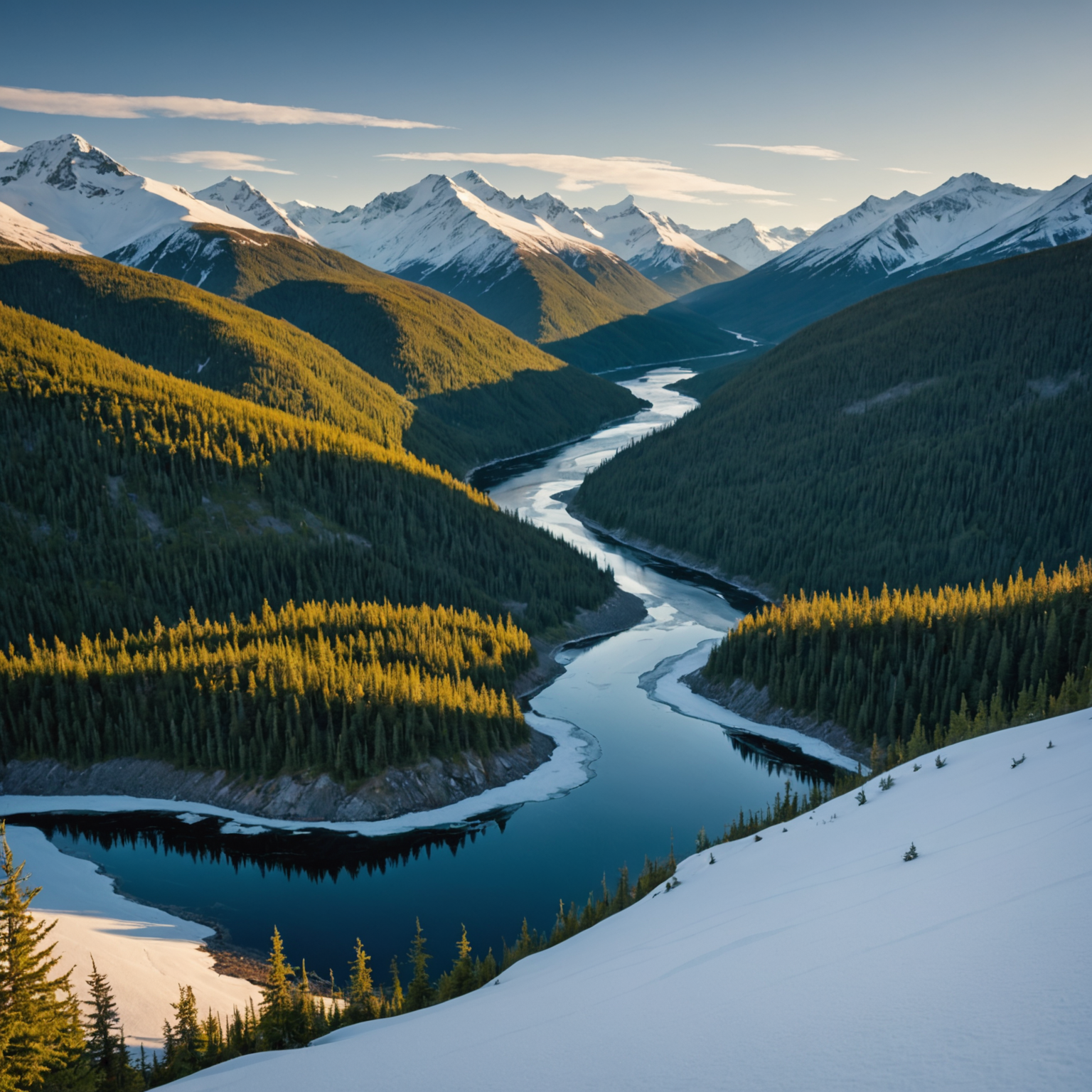
Embarking on a backpacking trip through Alaska promises an unforgettable adventure filled with awe-inspiring landscapes and incredible wildlife encounters. By planning your visit, selecting suitable trails, and prioritizing safety, you can ensure a successful and memorable journey. Whether you’re trekking through Denali’s expanses or exploring the coastal beauty of Kenai Fjords, Alaska’s wilderness awaits your exploration.
For those seeking more guided experiences, consider the best snowmobiling tours in Alaska or exploring the history and use of dog mushing sleds.
FAQ
1. What is the best time of year for Alaska backpackers?
The optimal time for backpacking in Alaska is from June to September when the weather is warmer and trails are more accessible.
2. What wildlife can I expect to see while backpacking in Alaska?
Backpackers may encounter a variety of wildlife, including bears, moose, eagles, and wolves. Always practice safe wildlife viewing habits.
3. Are there guided backpacking tours available in Alaska?
Yes, many companies offer guided tours that provide safety and local expertise. Consider exploring ATV tours for a unique experience.
4. What safety measures should be taken when backpacking in Alaska?
Key safety measures include carrying bear spray, checking weather forecasts, and following Leave No Trace principles.
5. Do I need a permit to backpack in Alaska’s national parks?
Yes, most national parks in Alaska require permits for backcountry camping. Check the specific park’s website for details.
6. How can I prepare for the weather while backpacking in Alaska?
Prepare by packing layers, waterproof gear, and checking forecasts via the National Weather Service.
7. What are some iconic trails for Alaska backpackers?
Notable trails include those in Denali National Park, Kenai Fjords, and Wrangell-St. Elias National Park.
8. Can I see the Northern Lights while backpacking in Alaska?
Yes, Alaska is a prime location for viewing the Northern Lights, particularly during the fall and winter months.